Dream question
In its own language: She'elat Halom
from Hebrew She'elat Halom, meaning dream question
A Jewish divination practice seeking prophetic answers through dreams
She'elat Halom is a method of divination within Jewish mysticism where a practitioner seeks a divine answer to a specific question while dreaming. It involves preparing the mind and body through fasting and meditation to receive revelations that guide religious law or personal understanding.
- Involves fasting and meditation before sleep to seek divine answers
- Used by medieval rabbis to determine Jewish religious law
- Relies on Kabbalistic concepts of soul rejuvenation in dreams
- Associated with specific biblical verses containing 72 letters
- Documented by scholars like Hai Gaon and Moshe Idel
What it is
It allows a person to attain a prophetic state during sleep by meditating on a question before resting. The goal is to receive a clear, divine answer that addresses the inquiry. This practice is rooted in Kabbalistic thought, which views the dream state as a time when the conscious mind recedes and the soul can access deeper spiritual truths. It serves as a bridge between the seeker and the divine realm.
Where it comes from
The practice has roots in early medieval Jewish scholarship. Hai Gaon documented methods involving fasting and purification to induce prophetic dreams. Scholar Moshe Idel links these techniques to specific biblical verses, such as Exodus 14:19-21, which contain numerical patterns associated with divine names. The Talmud also references God speaking to the people of Israel through dreams, providing a scriptural basis for the custom. Over time, it became a tool for resolving complex religious questions.
How it is done
Practitioners prepare for the ritual by fasting for several days and maintaining a state of physical and spiritual purity. They engage in intense meditation on specific texts or verses, often focusing on their numerical values (Gematria). Some recite letters from passages like Ezekiel 1:1, believing this activates a connection to spirit guides. After preparation, they sleep with the question firmly in mind, hoping for a revelatory vision upon waking.
Tools and materials
The primary tools are internal disciplines rather than physical objects. Fasting and prayer are essential to cleanse the body and focus the mind. Specific biblical verses serve as focal points, particularly those with significant letter counts or numerical associations.
Dream question, drawn and placed
- Living
- Revived
- Fading
- Historical
- Legendary
- Performed
- Lineage
- Kabbalah and Hasidei Ashkenaz
- Timing
- before sleep
What it is for
The main purpose is to obtain guidance on religious law or personal dilemmas. In the high middle ages, rabbis used it to determine halakhic rulings, such as whether certain vessels were fit for use. It is also used for personal revelation and spiritual rejuvenation. Practitioners believe the answers received are direct communications from the divine or angelic beings, offering clarity that rational study cannot provide.
Who does it
Historically, the practice was undertaken by pious elders, rabbis, and scholars. Figures like Hai ben Sherira Gaon and R. Eliezer B. Nathan recorded their experiences. Mystics like Hayyim Vital and Leon of Modena also engaged in it. It was often reserved for those with advanced spiritual training, though some accounts suggest ordinary believers could also seek answers through sincere preparation.
Peoples and places
The practice is primarily associated with Jewish communities, particularly among Ashkenazi and Sephardic traditions. Ashkenazi rabbis in medieval Europe frequently used it to resolve legal questions, sometimes conflicting with the rationalist approaches favored by Sephardic scholars like Maimonides. The tradition spans from early medieval times through the early modern period, with records found in both Eastern European and Middle Eastern Jewish centers.
At a glance: who, where and when
Belief worlds
Occasions
What people believe
Kabbalists believe that dreams allow the soul to reconnect with its divine source. When the conscious mind is subdued, the subconscious emerges, allowing for prophetic visions. The practice assumes that God or spirit guides can communicate directly with humans in this state. Numerical patterns in scripture are seen as keys to unlocking these visions. The belief holds that prepared minds can access hidden knowledge that is otherwise inaccessible during waking hours.
When it is done
There are no fixed calendar dates for the practice. It is typically performed on an individual basis when a pressing question arises. Some accounts mention performing the ritual on Shabbat or other holy days, but it is generally a daily or situational practice. The timing depends on the practitioner's ability to fast and prepare, rather than a specific seasonal or lunar cycle.
How scholars and sceptics see it
Scholars like Moshe Idel have studied the historical development of the dream question, linking it to broader trends in Jewish mysticism. Researchers examine how it was used to interpret religious law and how it differed from rationalist approaches. Anthropologists and historians view it as a significant example of medieval Jewish intellectual life. Sceptics may see it as a psychological phenomenon, but scholars treat it as a serious cultural and religious practice.
Cautions and what is closed
The practice was sometimes controversial. Rationalist scholars like Maimonides opposed its use in determining law, arguing against reliance on subjective visions. There were concerns about false prophets or misinterpretations of dreams. The practice required careful adherence to purity laws and textual accuracy to avoid error.
Compare and confuse
It is related to general dream interpretation but is distinct in its structured, ritualistic approach. Unlike casual dream analysis, it involves specific preparatory steps and textual engagement. Other cultures have similar practices, but the use of Gematria and specific biblical verses sets it apart.
Questions people ask about Dream question
What is a dream question?
It is a Jewish divination practice where a person seeks a prophetic answer to a question by dreaming after fasting and meditating on sacred texts.
Where does the practice come from?
It originates in medieval Jewish mysticism and Kabbalah, with roots in the Talmud and works by scholars like Hai Gaon and Abraham ibn Ezra.
How is the ritual performed?
Practitioners fast, pray, and meditate on specific verses, often using Gematria, before sleeping to invite a divine or prophetic vision.
Who uses this practice?
Historically, it was used by rabbis, scholars, and mystics in Ashkenazi and Sephardic communities to resolve religious and personal questions.
Good reading and sources
The facts on this page come from the Wikipedia article "Dream question", written by its contributors and used under the CC BY-SA 4.0 licence, and from its Wikidata record (CC0). EveryJaadu rewrote the text in its own words, with AI assistance, and compares every page with the article to make sure no passage is copied. It may be reused under the same CC BY-SA 4.0 licence with a link back.
It may contain mistakes. Names and customs differ from one community to the next, and some knowledge is closed to outsiders and left out here. This page describes belief and practice. It does not say that any of it works, it is not a how-to, and it is not medical advice. If something is wrong, tell us. Last refreshed 2026-10-06.
More from Israel
All the entries from Israel 🇮🇱 Israel and 3 moreCleromancy
A divination method that uses random chance to reveal divine willOracle · Seeing and foretelling · Speaking with spirits and the dead Living
🇮🇱 Israel and 3 moreCleromancy
A divination method that uses random chance to reveal divine willOracle · Seeing and foretelling · Speaking with spirits and the dead Living
 🇮🇱 Israel and 5 moreTetragrammatonיהוה
The four-letter name of God in the Hebrew Bible, written as YHWH.Belief · Speaking with spirits and the dead Living
🇮🇱 Israel and 5 moreTetragrammatonיהוה
The four-letter name of God in the Hebrew Bible, written as YHWH.Belief · Speaking with spirits and the dead Living
 🇮🇱 Israel and 3 moreGematriaגימטריה
A numeric writing system that assigns numerical values to words and phrases for interpretation.Text · Seeing and foretelling · Power and authority Living
🇮🇱 Israel and 3 moreGematriaגימטריה
A numeric writing system that assigns numerical values to words and phrases for interpretation.Text · Seeing and foretelling · Power and authority Living
 🇸🇾 Syria and 5 moreBaetyl
A sacred stone, often a meteorite, believed to house a deity in ancient Near Eastern and Mediterranean traditions.Charm · Power and authority · Speaking with spirits and the dead Historical
🇸🇾 Syria and 5 moreBaetyl
A sacred stone, often a meteorite, believed to house a deity in ancient Near Eastern and Mediterranean traditions.Charm · Power and authority · Speaking with spirits and the dead Historical
Related elsewhere
All oracle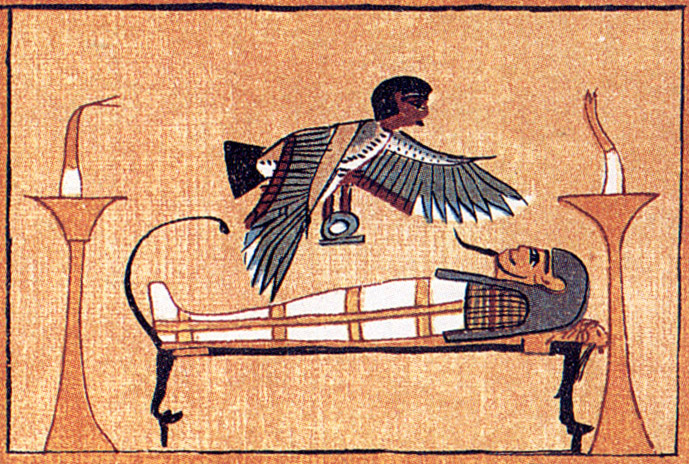 🇸🇪 Sweden and 1 moreSoul flight
A trance practice where the spirit leaves the body to visit other realmsRite · Healing · Seeing and foretelling Historical
🇸🇪 Sweden and 1 moreSoul flight
A trance practice where the spirit leaves the body to visit other realmsRite · Healing · Seeing and foretelling Historical
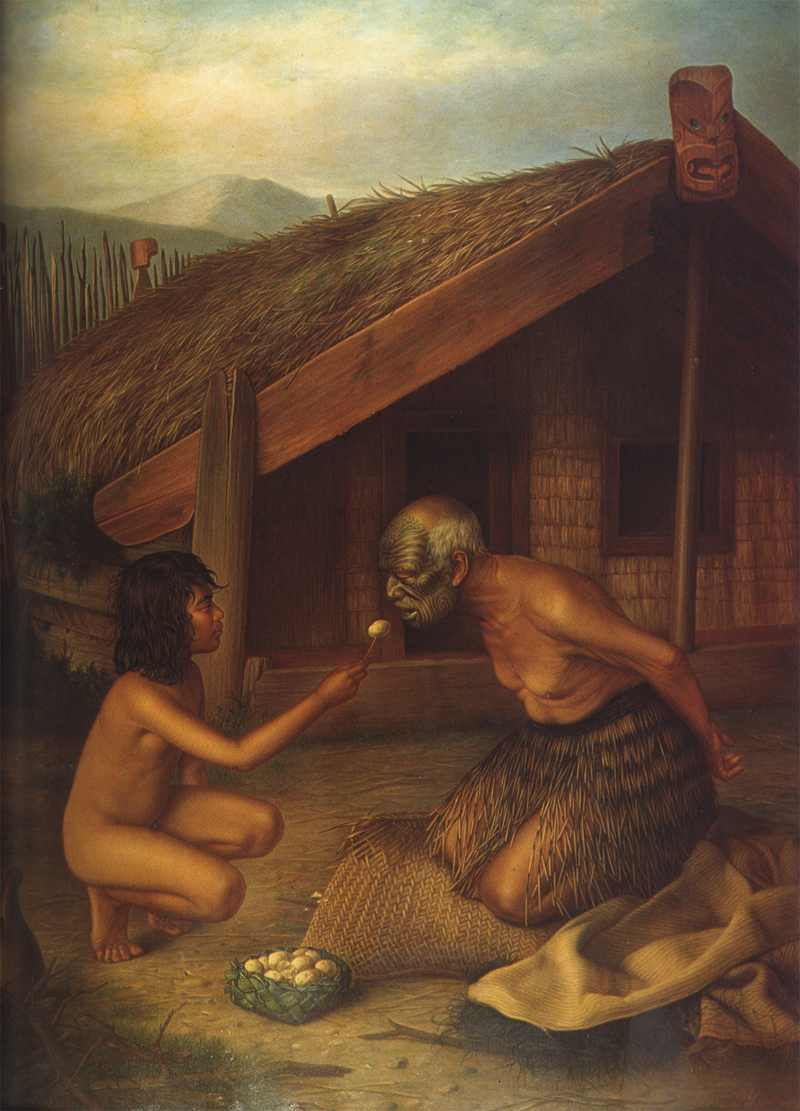 🇳🇿 New ZealandTohunga
A Māori expert practitioner of sacred or secular arts, from priests to carvers.Tradition · Healing · Seeing and foretelling Living
🇳🇿 New ZealandTohunga
A Māori expert practitioner of sacred or secular arts, from priests to carvers.Tradition · Healing · Seeing and foretelling Living
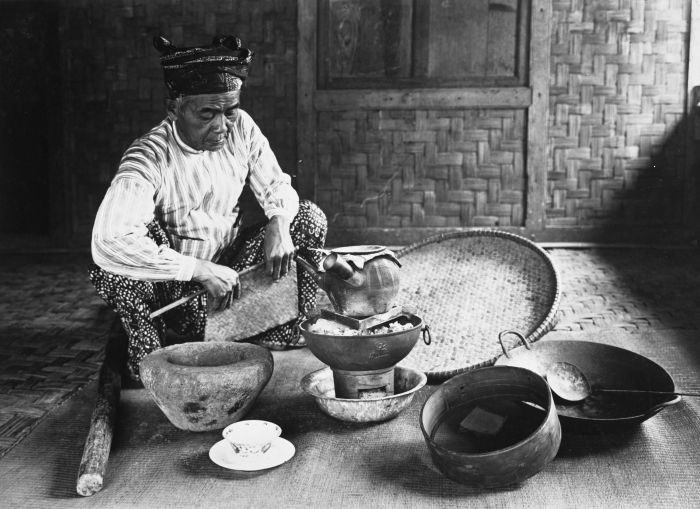 🇮🇩 Indonesia and 2 moreDukun
A traditional healer and spirit medium in Indonesian folk practiceTradition · Healing · Seeing and foretelling Living
🇲🇾 Malaysia and 1 moreBomohبوموه
A Malay shaman and traditional healer who works with spirits, herbs, and geomancy.Tradition · Healing · Seeing and foretelling Living
🇮🇩 Indonesia and 2 moreDukun
A traditional healer and spirit medium in Indonesian folk practiceTradition · Healing · Seeing and foretelling Living
🇲🇾 Malaysia and 1 moreBomohبوموه
A Malay shaman and traditional healer who works with spirits, herbs, and geomancy.Tradition · Healing · Seeing and foretelling Living