Fāl-gūsh
In its own language: فالگوش
A Persian divination custom of listening to strangers' words for omens
Fāl-gūsh is a traditional Persian practice where individuals listen to the conversations of passersby to interpret them as answers to personal questions. It is most commonly performed during Chaharshanbe Suri, the festival held on the last Wednesday of the year.
- Practiced during Chaharshanbe Suri in Iran
- Involves listening to strangers' conversations
- Interpreting words as answers to personal questions
- Often performed by young women
- Related to the profession of fālgir
What it is
Fāl-gūsh is a form of folk divination practiced in Iran. The method involves standing in a concealed spot, such as behind a fence or in a dark corner, to overhear the dialogue of people walking by. Practitioners interpret these random statements or topics as specific answers to their own hidden questions or intentions. This practice relies on the belief that chance encounters carry meaningful signs.
Where it comes from
The custom is rooted in Persian tradition and is specifically tied to Chaharshanbe Suri, the fire festival celebrated on the final Wednesday of the calendar year. Historical accounts note regional variations; for instance, in Zanjan, a different method involving ropes and chimneys was used instead. This alternative involved tying objects found in other houses to interpret omens based on whether the items were sweet or bitter.
How it is done
Participants, often young women, stand behind walls or in secluded areas during the night of Chaharshanbe Suri. They focus on a specific intention or question. As strangers pass by, the listener hears fragments of their conversation. The listener then interprets the content of these overheard words to derive an answer or omen regarding their personal matters.
Tools and materials
No physical tools are required for the primary act. The practice relies entirely on the environment and the voices of passersby. In related regional variants like those in Zanjan, simple household items such as ropes and whatever objects could be found nearby were used to facilitate the divination process.
Fāl-gūsh, drawn and placed
- Living
- Revived
- Fading
- Historical
- Legendary
- Performed
- Timing
- on Chaharshanbe Suri night
What it is for
The practice is used to seek guidance or foresight regarding personal intentions. Participants hope to receive clear signs about their future or current situations through the seemingly unrelated comments of others. It serves as a way to find meaning in everyday occurrences during a significant seasonal festival.
Who does it
The practice is typically carried out by ordinary members of the household, particularly young women, rather than professional specialists. While professional fortunetellers known as fālgir, who are often Romani, exist in parts of Iran, fāl-gūsh itself is a domestic activity performed by laypeople seeking personal insight.
Peoples and places
The custom is identified with Persian culture and is practiced within Iran. It is most prominent during Chaharshanbe Suri celebrations. Regional differences exist, with some areas preferring alternative divination methods like the rope-and-chimney technique seen in Zanjan, showing local adaptation of the broader tradition.
At a glance: who, where and when
Who does it
Peoples
Belief worlds
Occasions
What people believe
The underlying worldview assumes that the universe provides signs through chance events. Hearing specific words from strangers is believed to hold prophetic value. This reflects a broader folk belief in cledonism, where random sounds or phrases are interpreted as divine or fateful messages guiding human decisions.
When it is done
The ritual is strictly associated with Chaharshanbe Suri, the festival marking the end of the year. It takes place on the night of this event, which is the last Wednesday before the new year begins. This timing connects the divination to themes of renewal and looking forward.
How scholars and sceptics see it
Historical records, such as those by Saeed Nafisi, document the practice as a past custom. Scholars note its connection to broader Indo-Iranian traditions and its similarity to cledonism. The presence of professional fālgir suggests a commercial aspect to fortune-telling that coexisted with these folk practices.
Compare and confuse
Fāl-gūsh is a form of cledonism, similar to Western traditions of interpreting random words heard in public. It differs from professional fortune-telling by relying on chance overhearing rather than structured rituals or cards. The Zanjan variant shows how local customs can diverge while serving the same divinatory purpose.
Days linked to Fāl-gūsh
Questions people ask about Fāl-gūsh
What is Fāl-gūsh?
Fāl-gūsh is a Persian divination custom where individuals listen to the conversations of passersby to interpret them as omens or answers to personal questions.
When is it performed?
It is traditionally performed on the night of Chaharshanbe Suri, the festival held on the last Wednesday of the Iranian calendar year.
Who performs this ritual?
It is typically performed by ordinary people, especially young women, though professional fortunetellers called fālgir also exist in some regions.
How are the omens interpreted?
Practitioners interpret the specific words or topics overheard from strangers as direct answers to their own hidden intentions or questions.
Good reading and sources
The facts on this page come from the Wikipedia article "Fāl-gūsh", written by its contributors and used under the CC BY-SA 4.0 licence, and from its Wikidata record (CC0). EveryJaadu rewrote the text in its own words, with AI assistance, and compares every page with the article to make sure no passage is copied. It may be reused under the same CC BY-SA 4.0 licence with a link back.
It may contain mistakes. Names and customs differ from one community to the next, and some knowledge is closed to outsiders and left out here. This page describes belief and practice. It does not say that any of it works, it is not a how-to, and it is not medical advice. If something is wrong, tell us. Last refreshed 2026-10-10.
More from Iran
All the entries from Iran 🇪🇬 Egypt and 5 moreSacred dance
Movement used in worship to honour deities, heal communities, or connect with the spirit world.Tradition · Protection · Healing Living
🇪🇬 Egypt and 5 moreSacred dance
Movement used in worship to honour deities, heal communities, or connect with the spirit world.Tradition · Protection · Healing Living
 🇮🇷 Iran and 4 moreChaharshanbe Suriچهارشنبهسوری
An Iranian fire festival marking the transition from winter to springTradition · Luck and prosperity · Speaking with spirits and the dead Living
🇮🇷 Iran and 4 moreChaharshanbe Suriچهارشنبهسوری
An Iranian fire festival marking the transition from winter to springTradition · Luck and prosperity · Speaking with spirits and the dead Living
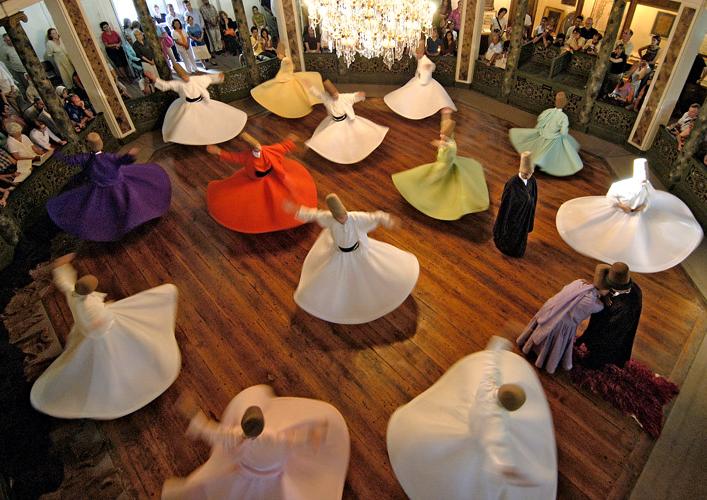 🇹🇷 Turkey and 3 moreSamaسماع
A Sufi ritual of listening, music, and whirling to reach spiritual ecstasyRite · Speaking with spirits and the dead · Change and initiation Living
🇮🇷 Iran and 2 moreHaoma
A divine plant and spirit in Zoroastrianism, linked to healing and ancient rituals.Substance · Healing · Speaking with spirits and the dead Living
🇹🇷 Turkey and 3 moreSamaسماع
A Sufi ritual of listening, music, and whirling to reach spiritual ecstasyRite · Speaking with spirits and the dead · Change and initiation Living
🇮🇷 Iran and 2 moreHaoma
A divine plant and spirit in Zoroastrianism, linked to healing and ancient rituals.Substance · Healing · Speaking with spirits and the dead Living
Related elsewhere
All rite 🇮🇳 India and 2 morePalmistry
A divination method that interprets the lines and shapes of the hand to predict fate or reveal character.Oracle · Seeing and foretelling · Power and authority Living
🇮🇳 India and 2 morePalmistry
A divination method that interprets the lines and shapes of the hand to predict fate or reveal character.Oracle · Seeing and foretelling · Power and authority Living
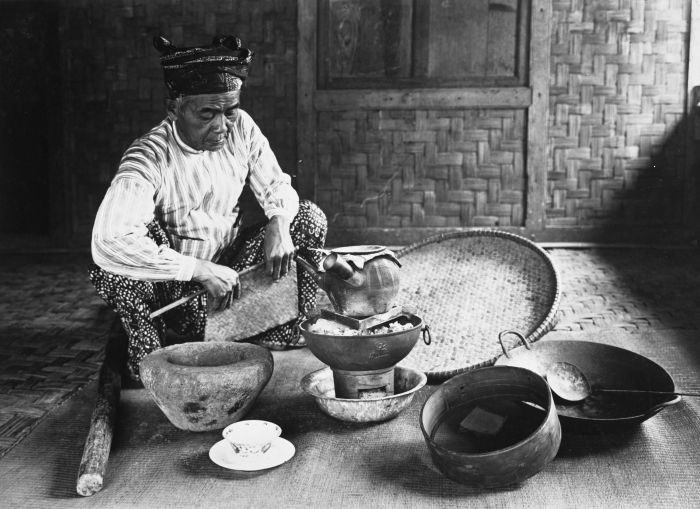 🇮🇩 Indonesia and 2 moreDukun
A traditional healer and spirit medium in Indonesian folk practiceTradition · Healing · Seeing and foretelling Living
🇮🇩 Indonesia and 2 moreDukun
A traditional healer and spirit medium in Indonesian folk practiceTradition · Healing · Seeing and foretelling Living
 🇪🇸 Spain and 5 moreAlfonso X of Castileel Sabio
A medieval king who sponsored astronomical tables and translated works on magic and astrology.Text · Power and authority · Seeing and foretelling Historical
🇬🇧 United KingdomBarghest
A mythical black dog from Northern England that foretells death and haunts the countryside.Being · Seeing and foretelling · Cursing and harm Legendary
🇪🇸 Spain and 5 moreAlfonso X of Castileel Sabio
A medieval king who sponsored astronomical tables and translated works on magic and astrology.Text · Power and authority · Seeing and foretelling Historical
🇬🇧 United KingdomBarghest
A mythical black dog from Northern England that foretells death and haunts the countryside.Being · Seeing and foretelling · Cursing and harm Legendary