Households and ordinary people
Grandmothers, parents and neighbours doing the small things: the knot, the salt, the red thread.
Households and ordinary people do most of the world's magic: the grandmother who ties a thread on a baby's wrist, the neighbour who throws salt, the shopkeeper who hangs a lemon and chillies, the family that burns incense before a photograph. These people are not specialists and often do not call it magic. This page looks at the domestic side of the subject, which is the commonest and least written about.
Everyday customs
Household practice is woven into daily life: sweeping at new year, a bead on a cradle, a horseshoe over a door, a charm in a car. It tends to be practical, brief and handed down within the family. Many people say they do it because their mother did, or to be safe. It rarely needs a priest, a text or a fee. The hands that do it are those of mothers and grandmothers, who also cook, clean and care, so the magic is part of the labour of the home.
Women and the home
Women are the principal keepers of household custom in many societies, as mothers, grandmothers and aunts. Their knowledge covers birth, child care, food, illness, marriage and death. That knowledge is often undervalued by the formal religion and by scholars, and was also the source of accusations in the witch trials, in which women who were midwives or healers were prominent. A household custom is learned by watching and may never be explained, since the practitioner does not see it as special.
Faith and the home
Religious leaders have seen household custom as faith, as superstition or as a nuisance. Reformers in Protestant Europe, Salafi Islam and some Hindu and Buddhist movements have told people to give up such practices. Many people keep them regardless. In the diaspora, the home customs are sometimes the part of heritage that lasts longest, and are carried to new countries in suitcases. In cities, small shrines, protective charms and everyday rituals often survive in apartments, taxis and shops.
Why scholars care
Anthropologists of everyday religion and folklorists record these customs as evidence of how people manage risk. They show how belief and practice differ, since people may say they do not believe and still knock on wood. Household magic is also the easiest to commercialise, in shops selling charms and kits that detach customs from their homes. A new student or visitor may find that families who say they do not believe still follow such customs carefully, and this gap is one of the more interesting findings.
Households and ordinary people on EveryJaadu
The entries written up so far, best known first.
 🇵🇹 Portugal and 5 moreCocoCoca
A monster used to frighten children into obedience across the Iberian world and Latin America.Figure · Cursing and harm · Binding and oaths Living
🇵🇹 Portugal and 5 moreCocoCoca
A monster used to frighten children into obedience across the Iberian world and Latin America.Figure · Cursing and harm · Binding and oaths Living
 🇲🇽 Mexico and 2 moreAluxaluxo'ob
A small Maya spirit believed to guard fields and cause mischief if offended.Being · Protection · Luck and prosperity Living
🇲🇽 Mexico and 2 moreAluxaluxo'ob
A small Maya spirit believed to guard fields and cause mischief if offended.Being · Protection · Luck and prosperity Living
 🇵🇪 Peru and 5 morePachamama
The Andean mother goddess of space-time and the earthBeing · Protection · Healing Living
🇵🇪 Peru and 5 morePachamama
The Andean mother goddess of space-time and the earthBeing · Protection · Healing Living
 🇭🇹 Haiti and 2 moreLwa
Spirits in Haitian Vodou that mediate between people and the creator god.Being · Protection · Healing Living
🇭🇹 Haiti and 2 moreLwa
Spirits in Haitian Vodou that mediate between people and the creator god.Being · Protection · Healing Living
 🇮🇹 Italy and 5 moreBogeyman
A mythical creature used across cultures to frighten children into obedienceFigure · Cursing and harm Living
🇯🇵 JapanZashiki-warashi座敷童子
A parlor spirit from northern Japan that brings fortune or ruin to a household.Being · Luck and prosperity · Protection Living
🇮🇹 Italy and 5 moreBogeyman
A mythical creature used across cultures to frighten children into obedienceFigure · Cursing and harm Living
🇯🇵 JapanZashiki-warashi座敷童子
A parlor spirit from northern Japan that brings fortune or ruin to a household.Being · Luck and prosperity · Protection Living
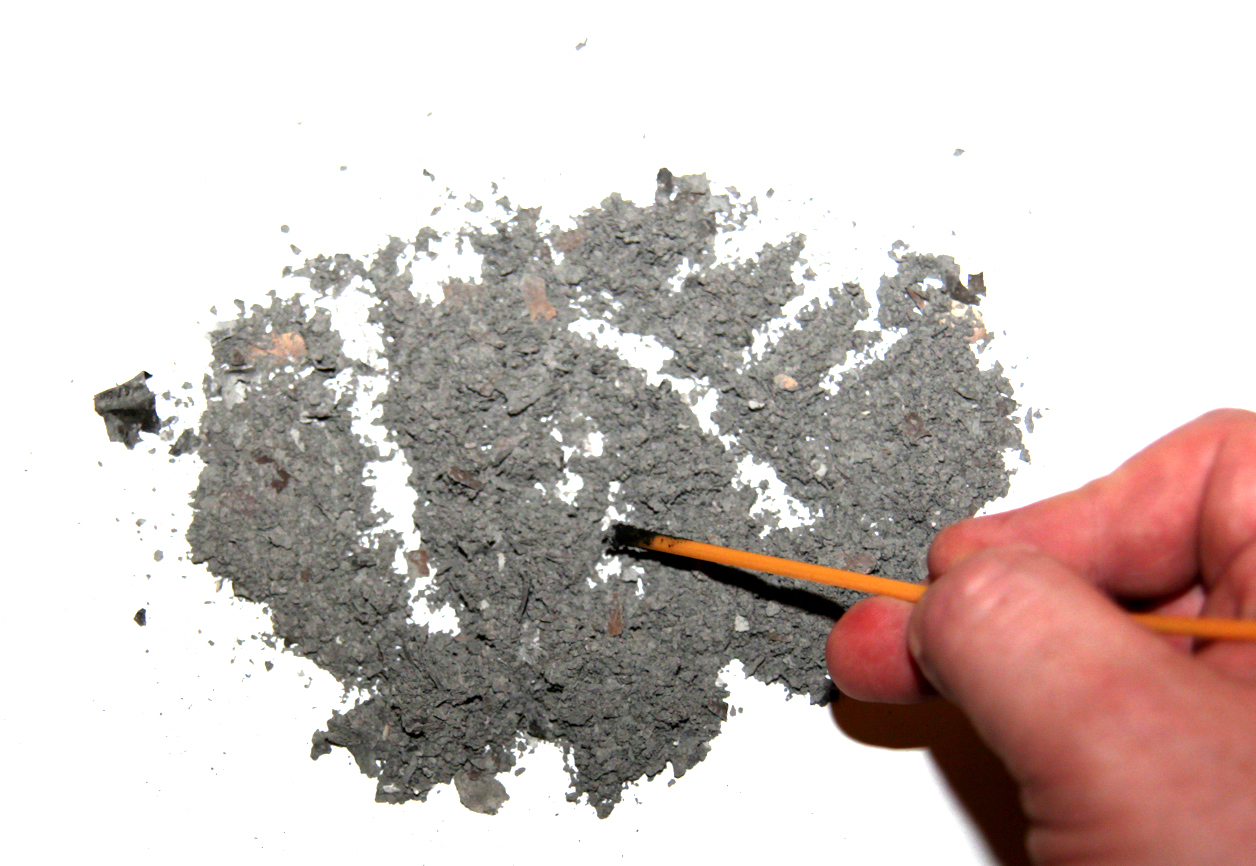 🇬🇷 Greece and 5 moreSpodomancy
Divination by reading omens in ashes, soot, and cindersOracle · Seeing and foretelling · Healing Living
🇬🇷 Greece and 5 moreSpodomancy
Divination by reading omens in ashes, soot, and cindersOracle · Seeing and foretelling · Healing Living
 🇳🇬 Nigeria and 3 moreYemọjaYemoja
A mother spirit of rivers and oceans worshipped across Yoruba and diaspora traditionsBeing · Protection · Healing Living
🇳🇬 Nigeria and 3 moreYemọjaYemoja
A mother spirit of rivers and oceans worshipped across Yoruba and diaspora traditionsBeing · Protection · Healing Living
 🇳🇬 Nigeria and 5 moreEleguaÈṣù-Ẹlẹ́gbára
A Yoruba deity of crossroads and messenger who opens all spiritual pathsBeing · Protection · Speaking with spirits and the dead Living
🇳🇬 Nigeria and 5 moreEleguaÈṣù-Ẹlẹ́gbára
A Yoruba deity of crossroads and messenger who opens all spiritual pathsBeing · Protection · Speaking with spirits and the dead Living
 🇳🇬 Nigeria and 1 moreObatalaỌbatalá
The Yoruba king of white cloth who is believed to have created humanity and presides over purity.Being · Protection · Healing Living
🇳🇬 Nigeria and 1 moreObatalaỌbatalá
The Yoruba king of white cloth who is believed to have created humanity and presides over purity.Being · Protection · Healing Living
 🇸🇳 Senegal and 5 morePentagramπεντάγραμμον
A five-pointed star figure used across history for protection, ritual, and cosmologyCharm · Protection · Binding and oaths Living
🇸🇳 Senegal and 5 morePentagramπεντάγραμμον
A five-pointed star figure used across history for protection, ritual, and cosmologyCharm · Protection · Binding and oaths Living
 🇮🇳 India and 1 moreDiyaदीया
A small oil lamp used in prayers and festivals across the Indian subcontinentTradition · Protection · Luck and prosperity Living
🇮🇳 India and 1 moreDiyaदीया
A small oil lamp used in prayers and festivals across the Indian subcontinentTradition · Protection · Luck and prosperity Living
 🇮🇳 India and 4 moreShivaशिव
A principal Hindu deity of destruction and yoga, worshipped across South and Southeast AsiaBeing · Power and authority · Change and initiation Living
🇮🇳 India and 4 moreShivaशिव
A principal Hindu deity of destruction and yoga, worshipped across South and Southeast AsiaBeing · Power and authority · Change and initiation Living
 🇬🇷 Greece and 2 moreAstragalomancy
Divination by casting marked bones, carved rods, or numbered diceOracle · Seeing and foretelling · Speaking with spirits and the dead Living
🇮🇳 IndiaMuhurtamuhūrta
A Hindu unit of time used to select auspicious moments for rituals and daily practiceBelief · Power and authority · Speaking with spirits and the dead Living
🇬🇷 Greece and 2 moreAstragalomancy
Divination by casting marked bones, carved rods, or numbered diceOracle · Seeing and foretelling · Speaking with spirits and the dead Living
🇮🇳 IndiaMuhurtamuhūrta
A Hindu unit of time used to select auspicious moments for rituals and daily practiceBelief · Power and authority · Speaking with spirits and the dead Living
 🇮🇳 India and 5 moreShakta pithasशाक्त पीठ (Śākta Pīṭha)
Sacred shrines in Shaktism marking where parts of the goddess Sati fell to earth.Tradition · Speaking with spirits and the dead · Power and authority Living
🇮🇳 India and 5 moreShakta pithasशाक्त पीठ (Śākta Pīṭha)
Sacred shrines in Shaktism marking where parts of the goddess Sati fell to earth.Tradition · Speaking with spirits and the dead · Power and authority Living
 🇮🇷 Iran and 3 moreIranian folkloreفولکلور ایرانی
The oral legends, heroes, and spirits of Greater IranTradition · Protection · Seeing and foretelling Living
🇮🇷 Iran and 3 moreIranian folkloreفولکلور ایرانی
The oral legends, heroes, and spirits of Greater IranTradition · Protection · Seeing and foretelling Living
 🇬🇹 GuatemalaMaximónRi Laj Mam
A Maya folk saint and trickster deity venerated in the Guatemalan HighlandsBeing · Protection · Healing Living
🇬🇹 GuatemalaMaximónRi Laj Mam
A Maya folk saint and trickster deity venerated in the Guatemalan HighlandsBeing · Protection · Healing Living
 🇲🇽 Mexico and 3 moreFolk saint
Unofficially recognized holy figures venerated by local communities for intercession and miraclesBelief · Protection · Healing Living
🇲🇽 Mexico and 3 moreFolk saint
Unofficially recognized holy figures venerated by local communities for intercession and miraclesBelief · Protection · Healing Living
 🇪🇬 EgyptSham Ennessimشم النسيم
An Egyptian spring holiday marked by picnics, colored eggs, and salted fishTradition · Luck and prosperity · Wonder and entertainment Living
🇪🇬 EgyptSham Ennessimشم النسيم
An Egyptian spring holiday marked by picnics, colored eggs, and salted fishTradition · Luck and prosperity · Wonder and entertainment Living
 🇺🇸 United StatesHopi mythology
The creation stories and spirit traditions of the Hopi people of the American SouthwestTradition · Speaking with spirits and the dead · Protection Living
🇺🇸 United StatesHopi mythology
The creation stories and spirit traditions of the Hopi people of the American SouthwestTradition · Speaking with spirits and the dead · Protection Living
 🇮🇳 India and 1 moreSantoshi Mataसंतोषी माता
A Hindu goddess of contentment worshipped through a Friday ritual fast.Being · Protection · Luck and prosperity Living
🇮🇳 India and 1 moreSantoshi Mataसंतोषी माता
A Hindu goddess of contentment worshipped through a Friday ritual fast.Being · Protection · Luck and prosperity Living
 🇳🇬 Nigeria and 2 moreOdinaniỌdịnanị
The traditional belief system of the Igbo people in NigeriaTradition · Protection · Speaking with spirits and the dead Living
🇳🇬 Nigeria and 2 moreOdinaniỌdịnanị
The traditional belief system of the Igbo people in NigeriaTradition · Protection · Speaking with spirits and the dead Living
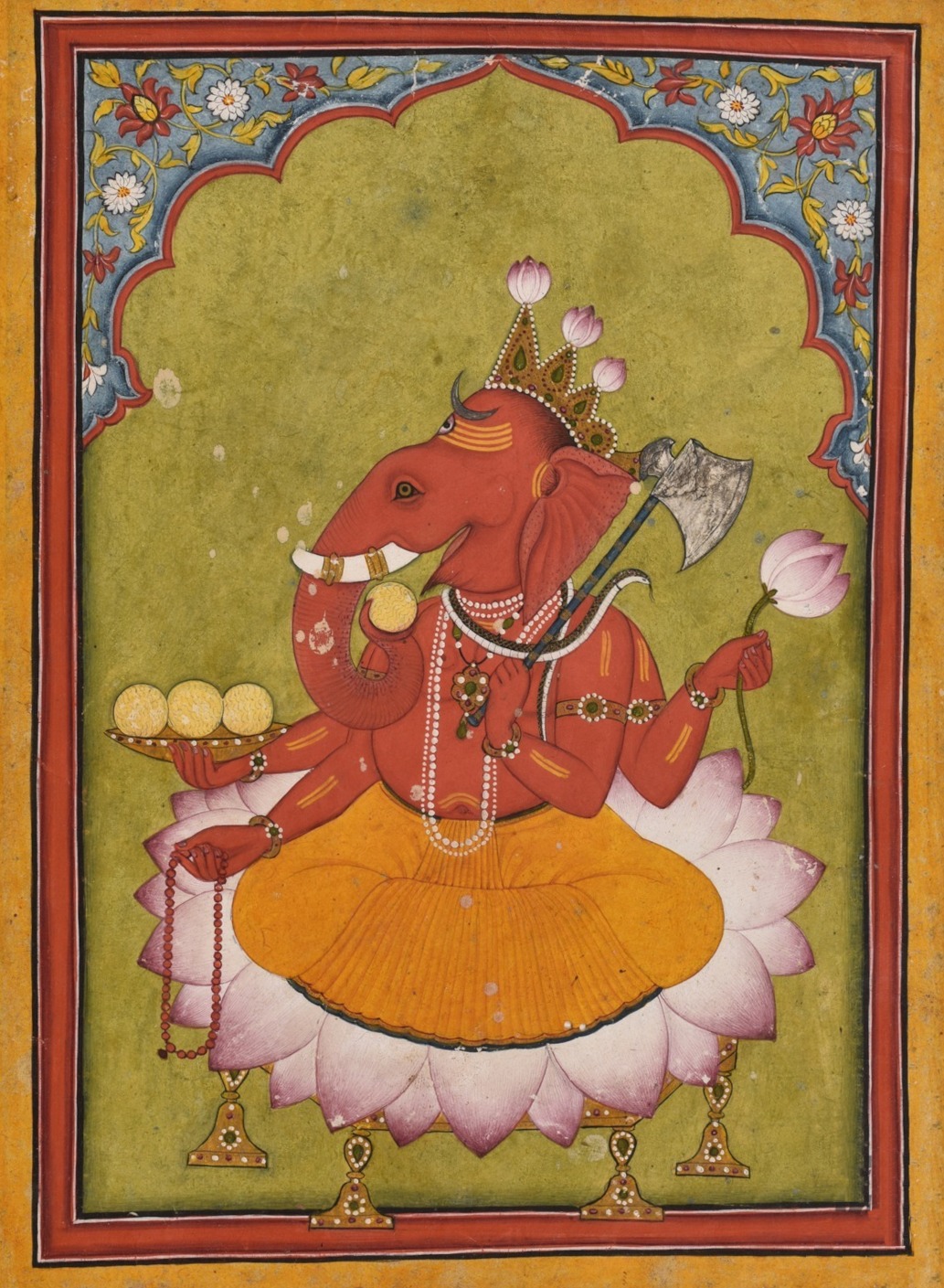 🇮🇳 India and 5 moreGaneshaगणेश (Gaṇeśa)
An elephant-headed Hindu deity worshipped as the remover of obstacles and patron of wisdom.Being · Protection · Luck and prosperity Living
🇮🇳 India and 5 moreGaneshaगणेश (Gaṇeśa)
An elephant-headed Hindu deity worshipped as the remover of obstacles and patron of wisdom.Being · Protection · Luck and prosperity Living
 🇲🇦 Morocco and 5 moreWild rueاسپند
A desert plant whose seeds hold psychoactive alkaloids and serve as incense in the Middle East.Substance · Protection · Speaking with spirits and the dead Living
🇲🇦 Morocco and 5 moreWild rueاسپند
A desert plant whose seeds hold psychoactive alkaloids and serve as incense in the Middle East.Substance · Protection · Speaking with spirits and the dead Living
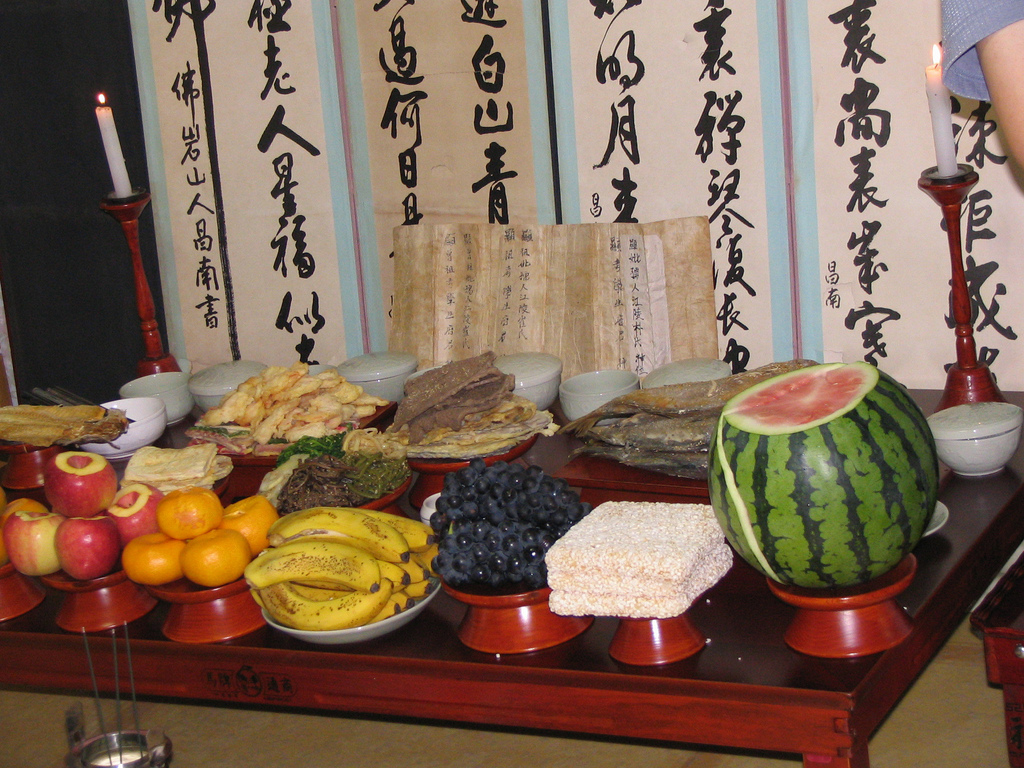 🇰🇷 South KoreaJesa제사
A Korean ancestral memorial rite involving food offerings and ritual bowsRite · Speaking with spirits and the dead · Luck and prosperity Living
🇰🇷 South KoreaJesa제사
A Korean ancestral memorial rite involving food offerings and ritual bowsRite · Speaking with spirits and the dead · Luck and prosperity Living
 🇯🇵 JapanKagura神楽
A Shinto ritual dance where performers embody deities to purify and welcome spiritsTradition · Protection · Speaking with spirits and the dead Living
🇯🇵 JapanKagura神楽
A Shinto ritual dance where performers embody deities to purify and welcome spiritsTradition · Protection · Speaking with spirits and the dead Living
 🇻🇺 Vanuatu and 5 moreKava culture
A shared ritual across Oceania where a root brew marks ceremony, respect, and social gathering.Tradition · Speaking with spirits and the dead · Luck and prosperity Living
🇳🇿 New Zealand and 5 moreTapu
A Polynesian concept of sacred restriction and spiritual prohibitionTradition · Protection · Speaking with spirits and the dead Living
🇻🇺 Vanuatu and 5 moreKava culture
A shared ritual across Oceania where a root brew marks ceremony, respect, and social gathering.Tradition · Speaking with spirits and the dead · Luck and prosperity Living
🇳🇿 New Zealand and 5 moreTapu
A Polynesian concept of sacred restriction and spiritual prohibitionTradition · Protection · Speaking with spirits and the dead Living
 🇲🇽 Mexico and 5 moreDay of the DeadDía de los Muertos
A Mexican holiday honoring the dead with altars, food, and humor during Allhallowtide.Tradition · Speaking with spirits and the dead · Luck and prosperity Living
🇲🇽 Mexico and 5 moreDay of the DeadDía de los Muertos
A Mexican holiday honoring the dead with altars, food, and humor during Allhallowtide.Tradition · Speaking with spirits and the dead · Luck and prosperity Living
 🇨🇳 China and 1 moreAncestor veneration in China中國傳統宗法性宗教
Rites for dead kin who are thought to watch over the familyTradition · Protection · Speaking with spirits and the dead Living
🇨🇳 China and 1 moreAncestor veneration in China中國傳統宗法性宗教
Rites for dead kin who are thought to watch over the familyTradition · Protection · Speaking with spirits and the dead Living
 🇹🇭 Thailand and 7 moreSpirit house
A small roofed shrine that shelters a place's protective spiritCharm · Protection Living
🇹🇭 Thailand and 7 moreSpirit house
A small roofed shrine that shelters a place's protective spiritCharm · Protection Living
 🇮🇳 India and 5 morePilgrimage
A journey to a sacred site for spiritual growth or religious dutyTradition · Healing · Speaking with spirits and the dead Living
🇮🇳 India and 5 morePilgrimage
A journey to a sacred site for spiritual growth or religious dutyTradition · Healing · Speaking with spirits and the dead Living
 🇬🇹 Guatemala and 1 moreMaya calendar
A system of timekeeping used by ancient and modern Maya communities to track days, years, and historical cycles.Tradition · Seeing and foretelling · Luck and prosperity Living
🇬🇹 Guatemala and 1 moreMaya calendar
A system of timekeeping used by ancient and modern Maya communities to track days, years, and historical cycles.Tradition · Seeing and foretelling · Luck and prosperity Living
 🇬🇧 United Kingdom and 5 moreDruidry
A modern nature religion inspired by ancient Celtic priests and Romantic idealsTradition · Protection · Speaking with spirits and the dead Living
🇬🇧 United Kingdom and 5 moreDruidry
A modern nature religion inspired by ancient Celtic priests and Romantic idealsTradition · Protection · Speaking with spirits and the dead Living
 🇯🇵 JapanMount Osore恐山
A volcanic pilgrimage site in Japan believed to be a gateway to the underworldTradition · Speaking with spirits and the dead · Protection Living
🇹🇷 TurkeyHamsa (sample)Khamsa
An open hand with an eye, hung on doors.Charm · Protection · Luck and prosperity Living
🇬🇧 United KingdomEvil eye bead (sample)Nazar boncuğu
A blue glass bead hung to turn aside envy.Charm · Protection Living
🇺🇸 United StatesBloody Mary
A mirror ritual to summon a spirit that reveals the future or brings harmBelief · Seeing and foretelling · Cursing and harm Living
🇯🇵 JapanMount Osore恐山
A volcanic pilgrimage site in Japan believed to be a gateway to the underworldTradition · Speaking with spirits and the dead · Protection Living
🇹🇷 TurkeyHamsa (sample)Khamsa
An open hand with an eye, hung on doors.Charm · Protection · Luck and prosperity Living
🇬🇧 United KingdomEvil eye bead (sample)Nazar boncuğu
A blue glass bead hung to turn aside envy.Charm · Protection Living
🇺🇸 United StatesBloody Mary
A mirror ritual to summon a spirit that reveals the future or brings harmBelief · Seeing and foretelling · Cursing and harm Living
 🇯🇵 JapanTeru teru bōzuてるてる坊主
A white paper doll hung outside to ask for sunny weatherCharm · Luck and prosperity Living
🇯🇵 JapanTeru teru bōzuてるてる坊主
A white paper doll hung outside to ask for sunny weatherCharm · Luck and prosperity Living
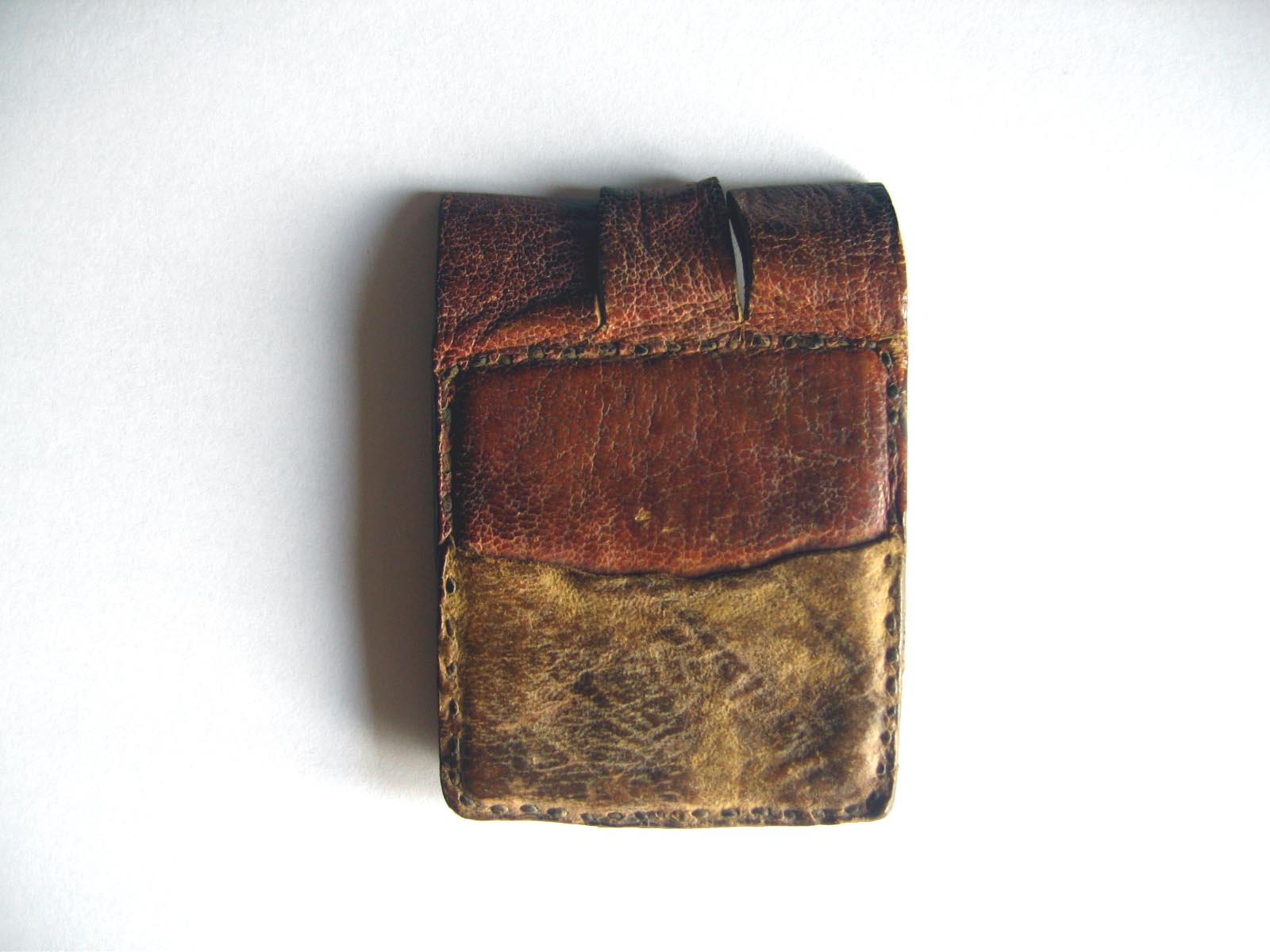 🇲🇱 Mali and 3 moreGris-gris
A small pouch or charm from West Africa used for protection and luck.Charm · Protection · Luck and prosperity Living
🇲🇱 Mali and 3 moreGris-gris
A small pouch or charm from West Africa used for protection and luck.Charm · Protection · Luck and prosperity Living
 🇹🇼 TaiwanKuai Kuai culture乖乖文化
A Taiwanese custom of placing obedient snacks on machines to ensure smooth operationBelief · Protection Living
🇹🇼 TaiwanKuai Kuai culture乖乖文化
A Taiwanese custom of placing obedient snacks on machines to ensure smooth operationBelief · Protection Living
 🇨🇳 China and 1 moreJiaobei筊杯 (jiǎobēi)
Wooden crescent blocks thrown in pairs to ask temple deities yes or no questionsOracle · Seeing and foretelling · Speaking with spirits and the dead Living
🇮🇩 IndonesiaIndonesian numismatic charmUang Gobog
Coin-like amulets from Indonesia used for protection and ritual offerings.Charm · Protection · Luck and prosperity Living
🇨🇳 China and 1 moreJiaobei筊杯 (jiǎobēi)
Wooden crescent blocks thrown in pairs to ask temple deities yes or no questionsOracle · Seeing and foretelling · Speaking with spirits and the dead Living
🇮🇩 IndonesiaIndonesian numismatic charmUang Gobog
Coin-like amulets from Indonesia used for protection and ritual offerings.Charm · Protection · Luck and prosperity Living
 🇪🇬 Egypt and 5 moreAmulet
A portable object worn or carried to ward off harm and invite protection.Charm · Protection · Healing Living
🇪🇬 Egypt and 5 moreAmulet
A portable object worn or carried to ward off harm and invite protection.Charm · Protection · Healing Living
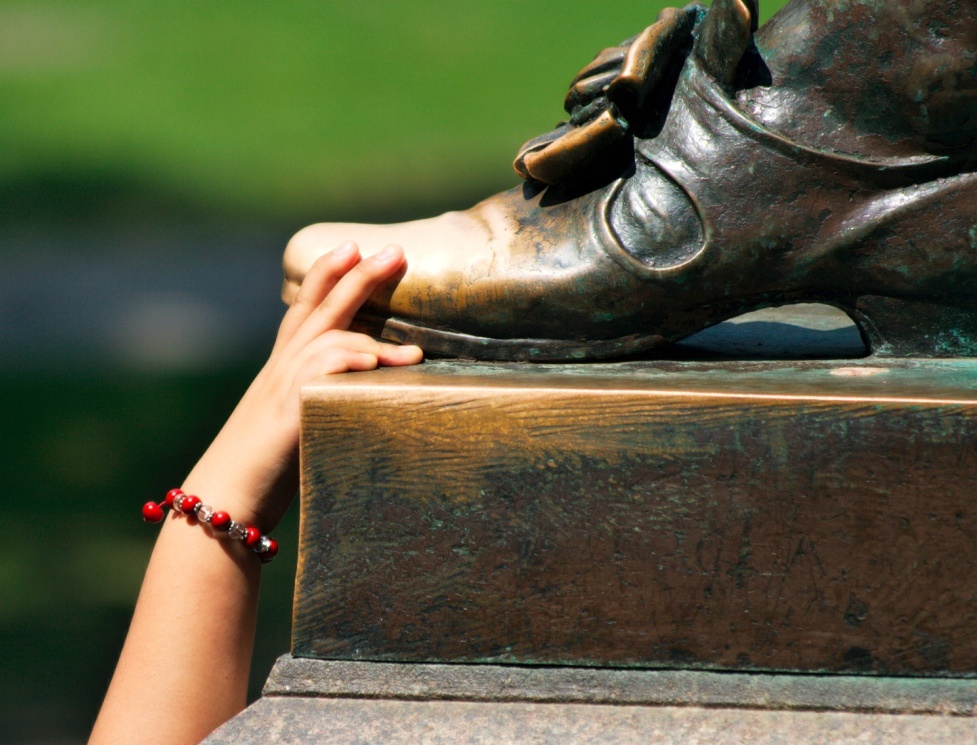 🇮🇪 IrelandStatue rubbing
A tourist custom of touching statues to attract luck, love, or a return visit.Belief · Luck and prosperity · Love and attraction Living
🇯🇵 JapanMisaki御先
Japanese spirit-like entities that serve gods or possess humans with illness and calamityBeing · Cursing and harm · Speaking with spirits and the dead Living
🇮🇪 IrelandStatue rubbing
A tourist custom of touching statues to attract luck, love, or a return visit.Belief · Luck and prosperity · Love and attraction Living
🇯🇵 JapanMisaki御先
Japanese spirit-like entities that serve gods or possess humans with illness and calamityBeing · Cursing and harm · Speaking with spirits and the dead Living
 🇯🇵 JapanChinkon kishin鎮魂帰神
A Japanese spiritual practice combining soul calming with spirit possessionRite · Speaking with spirits and the dead · Healing Living
🇯🇵 JapanChinkon kishin鎮魂帰神
A Japanese spiritual practice combining soul calming with spirit possessionRite · Speaking with spirits and the dead · Healing Living
Photo credits on this page
The small pictures above come from Wikimedia Commons under free licences. Some are cropped to fit.
- Amulet: Anonymous ( Egypt ) Unknown author, Public domain, source
- Chinkon kishin: Tomokiyo Yoshisane (友清歓真), also known as Tomokiyo Kyūgo (友清九吾), Public domain, source
- Kuai Kuai culture: 總統府, CC BY 2.0, source
- Coco: Francisco de Goya, CC0, source
- Alux: Gary Todd, CC0, source
- Pachamama: Penarc, CC BY-SA 3.0, source
- Lwa: Hector Hyppolite, Public domain, source
- Bogeyman: Francisco Goya, Public domain, source
- Spodomancy: Tim1965, CC BY-SA 3.0, source
- Yemọja: Samuel Tobbytex007, CC BY-SA 4.0, source
- Jiaobei: Jnzl's Public Domain Photos, CC BY 2.0, source
- Obatala: Isha, CC BY 3.0, source
- Elegua: Sailko, CC BY 3.0, source
- Pentagram: Tomruen, Attribution, source
- Diya: Suyash Dwivedi, CC BY-SA 4.0, source
- Shiva: Indianhilbilly, CC BY-SA 3.0, source
- Astragalomancy: Roland zh, CC BY-SA 3.0, source
- Shakta pithas: Abhishek Chandra, Public domain, source
- Iranian folklore: Hossein Mirkamali, CC BY 4.0, source
- Maximón: Sapfan (Jan Pesula), Public domain, source
- Folk saint: Sergio Serrano, CC BY-SA 2.0, source
- Sham Ennessim: Ikonact, CC BY-SA 3.0, source
- Hopi mythology: Sailko, CC BY 3.0, source
- Santoshi Mata: Nishu0246, CC BY-SA 4.0, source
- Statue rubbing: Matthias Rosenkranz, CC BY-SA 2.0, source
- Odinani: Northcote Whitridge Thomas, Public domain, source
- Ganesha: anonymous, Public domain, source
- Jesa: by Joseph Steinberg (Baltimoron in Korea) at Flickr, CC BY-SA 2.0, source
- Kagura: Elstner Hilton, Public domain, source
- Wild rue: Yuriy75, CC BY-SA 3.0, source
- Kava culture: Jaejay77, CC BY-SA 4.0, source
- Ancestor veneration in China: Three huntings, CC BY-SA 4.0, source
- Day of the Dead: RubeHM, CC BY-SA 4.0, source
- Spirit house: Chainwit., CC BY-SA 4.0, source
- Pilgrimage: Ali Mansuri, CC BY-SA 2.5, source
- Maya calendar: MBisanz, CC BY-SA 3.0, source
- Druidry: TheJaySpearing, CC BY-SA 4.0, source
- Mount Osore: Douglas P Perkins ( Douglaspperkins ( talk )), CC BY 3.0, source
- Gris-gris: Teogomez, CC BY-SA 3.0, source
- Teru teru bōzu: Novaric at English Wikipedia, CC BY-SA 3.0, source