
Anito
from Proto-Malayo-Polynesian *qanitu meaning spirit of the dead
Indigenous Philippine spirits and the carved figures that represent them
Anito describes the ancestor spirits, nature spirits, and deities of precolonial and modern Indigenous Philippine folk religions. The term also names the wooden or stone carvings made to house these entities. Belief in these forces is central to local animistic worldviews across Luzon and the Visayas.
- Taotao are carved wooden or stone figures representing spirits
- Babaylan shamans mediate between humans and the dead
- Spirits travel across oceans to reach the afterlife
- Tabi po is a phrase used to ask permission from spirits
- Diwata refers to nature spirits and deities in some groups
What it is
The word anito covers the spiritual beings held by Indigenous peoples of the Philippines. It names both the invisible forces and the physical statues crafted to hold them. These forces include the souls of the dead and the powers of the natural world. The practice connects everyday life with a hidden layer of reality filled with ancestors and deities.
Where it comes from
The term comes from ancient Austronesian roots linked to the concept of a dead person's soul. Related words appear across the Pacific and Southeast Asia, showing a shared linguistic history. The belief system predates foreign contact and remains active today. It evolved alongside local ethnic groups without a single founding text or leader.
How it is done
Rituals known as pag-anito involve a shaman acting as a bridge between people and spirits. The shaman enters a trance state to allow spirits to speak through them. Families perform ceremonies to ask for help or guidance. Simple acts like saying 'tabi po' when walking past a tree show respect to unseen residents. Offerings are left at shrines to maintain good relations.
Tools and materials
Carved figures called taotao serve as focal points for worship. Artisans shape wood, stone, or ivory into human forms. These statues sit on altars in homes or special buildings. Tattoos also play a role, guiding souls through the afterlife or marking worthiness for certain spirit realms. Natural objects like plants and stones may also be treated as sacred containers.
Anito, drawn and placed
- Living
- Revived
- Fading
- Historical
- Legendary
- Performed
- Lineage
- Indigenous Philippine folk religions
- Timing
- during illness, death, and daily passage through sacred spaces
What it is for
People seek protection, advice, and healing from these spirits. Ancestors act as intermediaries who can influence higher deities. Nature spirits control specific places like forests or seas. Harm can occur if spirits are offended or ignored. Rituals aim to appease vengeful ghosts or invite benevolent helpers into the home.
Who does it
Shamans, known as babaylan or katalonan, lead formal ceremonies. They undergo training to handle spirit communication. Ordinary households also conduct daily rituals to honor ancestors. Both men and women can serve as spiritual leaders depending on the community. Status often comes from perceived ability to interact with the unseen world.
Peoples and places
The concept is widespread across the Philippine archipelago. Different ethnic groups use specific names for different types of spirits. Tagalogs and Visayans distinguish between ancestor spirits and nature deities. Northern groups like the Kalinga emphasize tattoos in spiritual journeys. Southern communities have their own terms for guardian spirits and household protectors.
At a glance: who, where and when
Who does it
Belief worlds
Occasions


What people believe
Animism forms the core worldview. Every object and place holds a spirit. Death is not an end but a transition to another realm. Souls travel across water to reach the spirit world. Good and bad deeds affect where a soul goes. Spirits retain memory and personality from their human lives. They can interact with the living through dreams or possession.
When it is done
Rituals happen during life crises like sickness or death. Daily routines include small gestures of respect to local spirits. Festivals may involve larger communal ceremonies led by shamans. Twilight hours are considered dangerous times when spirit borders thin. Specific days are set aside for honoring deceased relatives.
Questions people ask about Anito
What exactly is an anito?
It is a term for ancestor spirits, nature spirits, and deities in Indigenous Philippine religions. It also refers to the carved statues made to house these entities.
Where does the word come from?
It derives from Proto-Malayo-Polynesian roots meaning 'spirit of the dead'. Similar words exist in other Austronesian languages across Asia and the Pacific.
How do people communicate with them?
Shamans called babaylan lead séances to channel spirits. Families also perform daily rituals and leave offerings to maintain respectful relationships with the unseen world.
Good reading and sources
- Anito on WikipediaEncyclopedia
- More photos on Wikimedia CommonsPhotos and video
- Wikidata recordOpen data
The facts on this page come from the Wikipedia article "Anito", written by its contributors and used under the CC BY-SA 4.0 licence, and from its Wikidata record (CC0). EveryJaadu rewrote the text in its own words, with AI assistance, and compares every page with the article to make sure no passage is copied. It may be reused under the same CC BY-SA 4.0 licence with a link back.
It may contain mistakes. Names and customs differ from one community to the next, and some knowledge is closed to outsiders and left out here. This page describes belief and practice. It does not say that any of it works, it is not a how-to, and it is not medical advice. If something is wrong, tell us. Last refreshed 2026-10-06.
More from the Philippines
All the entries from the Philippines 🇲🇾 Malaysia and 5 morePenanggalan
A floating head with trailing organs from Malay folklore, said to hunt pregnant women and newborns.Being · Cursing and harm Legendary
🇵🇭 PhilippinesAlbularyo
A Filipino folk healer who uses herbs, massage, and prayer to treat illnessTradition · Healing Living
🇲🇾 Malaysia and 5 morePenanggalan
A floating head with trailing organs from Malay folklore, said to hunt pregnant women and newborns.Being · Cursing and harm Legendary
🇵🇭 PhilippinesAlbularyo
A Filipino folk healer who uses herbs, massage, and prayer to treat illnessTradition · Healing Living
 🇵🇭 PhilippinesPhilippine mythology
The indigenous myths and spirits of the Philippines, shaped by centuries of trade and colonial contact.Tradition · Speaking with spirits and the dead · Power and authority Living
🇵🇭 PhilippinesEkek
A winged creature from Philippine myth that hunts pregnant women at nightBeing · Cursing and harm Legendary
🇵🇭 PhilippinesPhilippine mythology
The indigenous myths and spirits of the Philippines, shaped by centuries of trade and colonial contact.Tradition · Speaking with spirits and the dead · Power and authority Living
🇵🇭 PhilippinesEkek
A winged creature from Philippine myth that hunts pregnant women at nightBeing · Cursing and harm Legendary
Related elsewhere
All being 🇪🇸 Spain and 5 moreSt John's Eve
A Christian vigil marked by bonfires and plant gathering on the summer solstice eveRite · Protection · Speaking with spirits and the dead Living
🇪🇸 Spain and 5 moreSt John's Eve
A Christian vigil marked by bonfires and plant gathering on the summer solstice eveRite · Protection · Speaking with spirits and the dead Living
 🇮🇳 India and 2 moreHomaहोम
A fire ritual found across Asian religions where offerings are burned as a votive exchange with the divine.Rite · Protection · Speaking with spirits and the dead Living
🇮🇳 India and 2 moreHomaहोम
A fire ritual found across Asian religions where offerings are burned as a votive exchange with the divine.Rite · Protection · Speaking with spirits and the dead Living
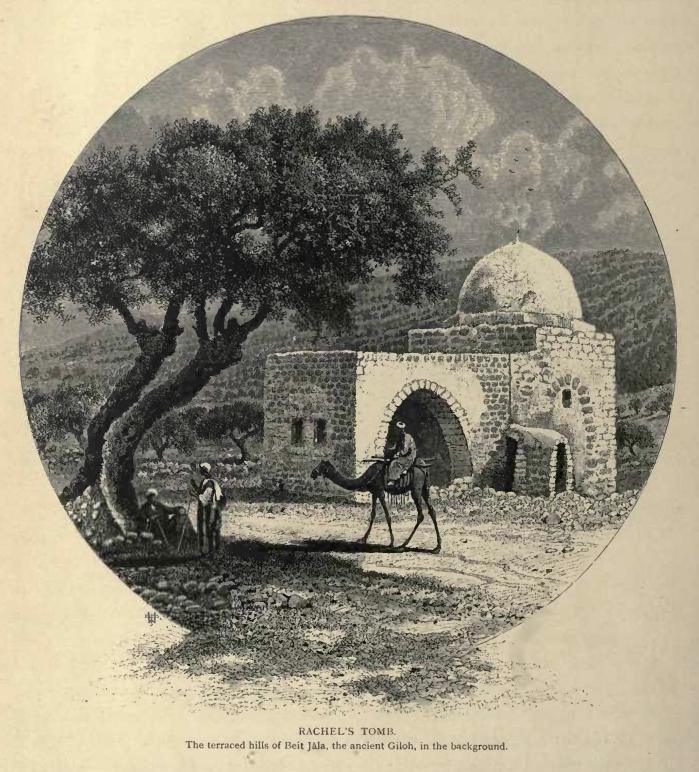 🇵🇸 Palestine and 1 moreRachel's TombQever Raḥel; Qabr Rāḥīl
A shared holy site near Bethlehem revered by Jews, Christians, and MuslimsTradition · Speaking with spirits and the dead · Protection Living
🇳🇿 New ZealandKarakia
Māori recitations used for spiritual guidance, protection, and formal greetingsTradition · Protection · Speaking with spirits and the dead Living
🇵🇸 Palestine and 1 moreRachel's TombQever Raḥel; Qabr Rāḥīl
A shared holy site near Bethlehem revered by Jews, Christians, and MuslimsTradition · Speaking with spirits and the dead · Protection Living
🇳🇿 New ZealandKarakia
Māori recitations used for spiritual guidance, protection, and formal greetingsTradition · Protection · Speaking with spirits and the dead Living