Harvest, farming and weather: practices that mark them
Rainmaking, the first fruits, and charms for field and flock.
Harvest, farming and weather are the oldest occasions for magic. Where food and rain are uncertain, people hold rites for the first fruits, the planting, the rain and the storm. Examples include the Japanese niiname-sai, the Indian Pongal and Onam, the Andean offerings to Pachamama, the Native American Green Corn ceremony, the European corn dolly and Harvest Home, the Chinese rain dances and the African rainmaker. This page covers these customs and what they say about risk.
Planting and first fruits
Many societies offer the first of the crop to gods or ancestors before eating. In the Andes, offerings are made to Pachamama before planting and harvest. In Japan, the emperor performs the niiname-sai thanksgiving ritual each year. In Europe, the last sheaf was shaped into a corn dolly and kept until spring. Such customs link human labour with a wider order. The Chinese and Japanese calendars both mark farming seasons with set offerings.
Rain and weather
Rainmaking is recorded on every continent. Rainmakers in southern Africa were chiefs and priests, and the Modjadji queens of the Balobedu in South Africa were known for it. In parts of China, dragon rites and processions were held in drought. In Europe, processions with saints' relics were used against storms. When rain fails, rainmakers have sometimes been blamed or punished. Farmers in Europe and the Middle East kept saints' days for each task in the farming year, and set a loaf aside at the first cutting.
Pests, protection and crops
Farmers use charms to protect animals and fields: horseshoes on barn doors, protective figures, blessed seeds, and rites against pests. Some of these customs run alongside agricultural science, and some now clash with it. Modern weather modification and cloud seeding add a technical echo, and communities hold mixed views of both. Fear of crop failure has also produced blame, and there are cases of accusations of witchcraft following a poor harvest.
Change and loss
Industrial farming has weakened many rites, and climate change makes weather rites weigh heavily. Festivals survive as heritage, as with Pongal and Onam, which remain widely celebrated. Scholars see these rites as ways of managing uncertainty and building cooperation, whatever their effect on rain. Today, farmers use a mix of tradition and technology, and some festivals have moved from the field to the town, while others are held by those who farm organically and seek to link old customs with new practice.
Harvest, farming and weather on EveryJaadu
The entries written up so far, best known first.
 🇳🇿 New ZealandTaniwha
Supernatural beings of Māori lore, acting as guardians or dangerous predators in water and earthBeing · Protection · Cursing and harm Living
🇳🇿 New ZealandTaniwha
Supernatural beings of Māori lore, acting as guardians or dangerous predators in water and earthBeing · Protection · Cursing and harm Living
 🇬🇧 United Kingdom and 4 moreCorn dolly
A woven straw figure made from the last sheaf of a European harvest to house the crop spirit.Tradition · Protection · Speaking with spirits and the dead Revived
🇬🇧 United Kingdom and 4 moreCorn dolly
A woven straw figure made from the last sheaf of a European harvest to house the crop spirit.Tradition · Protection · Speaking with spirits and the dead Revived
 🇮🇪 Ireland and 5 moreBonfire
A large outdoor fire used in seasonal festivals and religious feasts across many culturesRite · Cleansing and purification · Speaking with spirits and the dead Living
🇮🇪 Ireland and 5 moreBonfire
A large outdoor fire used in seasonal festivals and religious feasts across many culturesRite · Cleansing and purification · Speaking with spirits and the dead Living
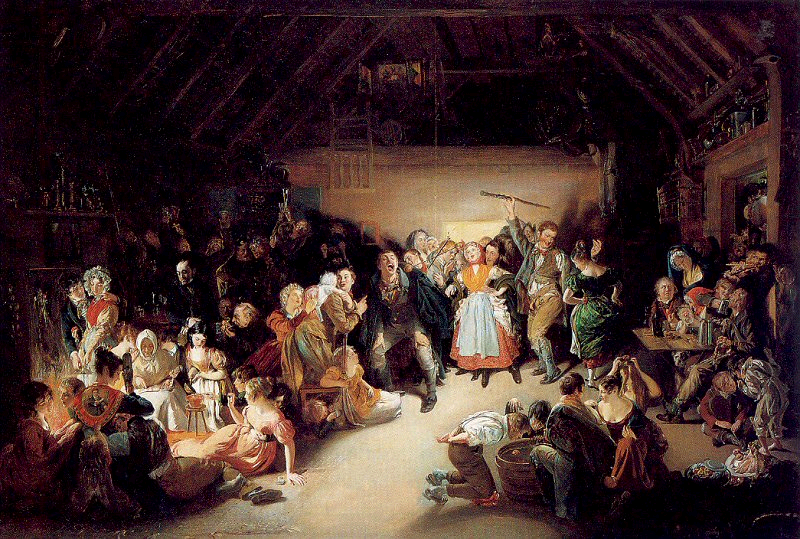 🇮🇪 Ireland and 1 moreSamhain
A Gaelic festival marking the end of harvest and the start of winter, observed on November 1st.Tradition · Protection · Speaking with spirits and the dead Living
🇮🇪 Ireland and 1 moreSamhain
A Gaelic festival marking the end of harvest and the start of winter, observed on November 1st.Tradition · Protection · Speaking with spirits and the dead Living
 🇵🇪 Peru and 5 morePachamama
The Andean mother goddess of space-time and the earthBeing · Protection · Healing Living
🇵🇪 Peru and 5 morePachamama
The Andean mother goddess of space-time and the earthBeing · Protection · Healing Living
 🇮🇪 IrelandPúca
A shape-shifting spirit of Celtic folklore that brings fortune or mischiefBeing · Luck and prosperity · Cursing and harm Legendary
🇮🇪 IrelandPúca
A shape-shifting spirit of Celtic folklore that brings fortune or mischiefBeing · Luck and prosperity · Cursing and harm Legendary
 🇯🇵 JapanKami神
Spirits and deities of Shinto, found in nature, ancestors, and placesBeing · Protection · Luck and prosperity Living
🇯🇵 JapanKami神
Spirits and deities of Shinto, found in nature, ancestors, and placesBeing · Protection · Luck and prosperity Living
 🇱🇻 Latvia and 1 moreLatvian mythology
A collection of myths about gods, spirits, and the afterlife from the Baltic region.Tradition · Speaking with spirits and the dead · Power and authority Living
🇱🇻 Latvia and 1 moreLatvian mythology
A collection of myths about gods, spirits, and the afterlife from the Baltic region.Tradition · Speaking with spirits and the dead · Power and authority Living
 🇷🇺 Russia and 5 moreSlavic religion
The pre-Christian beliefs of the Slavic peoples before their conversion to Christianity.Tradition · Protection · Healing Revived
🇷🇺 Russia and 5 moreSlavic religion
The pre-Christian beliefs of the Slavic peoples before their conversion to Christianity.Tradition · Protection · Healing Revived
 🇮🇳 India and 1 moreŚrāddhaश्राद्ध
A Hindu rite of ancestor worship involving food offerings and fire ritualsRite · Speaking with spirits and the dead · Cleansing and purification Living
🇮🇳 India and 1 moreŚrāddhaश्राद्ध
A Hindu rite of ancestor worship involving food offerings and fire ritualsRite · Speaking with spirits and the dead · Cleansing and purification Living
 🇯🇵 Japan and 1 moreAinu religion
The animist spiritual beliefs and ritual practices of the Ainu people of Japan and RussiaTradition · Protection · Speaking with spirits and the dead Living
🇯🇵 Japan and 1 moreAinu religion
The animist spiritual beliefs and ritual practices of the Ainu people of Japan and RussiaTradition · Protection · Speaking with spirits and the dead Living
 🇬🇹 Guatemala and 1 moreTzolkʼinAj Ilabal Qʼij
A 260-day cycle used by the Maya for divination and ritual timingTradition · Seeing and foretelling · Luck and prosperity Living
🇬🇹 Guatemala and 1 moreTzolkʼinAj Ilabal Qʼij
A 260-day cycle used by the Maya for divination and ritual timingTradition · Seeing and foretelling · Luck and prosperity Living
 🇺🇦 Ukraine and 1 moreUkrainian folklore
The folk traditions of Ukraine and its ethnic communitiesTradition · Speaking with spirits and the dead · Luck and prosperity Living
🇺🇦 Ukraine and 1 moreUkrainian folklore
The folk traditions of Ukraine and its ethnic communitiesTradition · Speaking with spirits and the dead · Luck and prosperity Living
 🇨🇿 Czech RepublicCzech folklore
The folk traditions of the Czech people, from seasonal rites to music and craft.Tradition · Protection · Luck and prosperity Living
🇨🇿 Czech RepublicCzech folklore
The folk traditions of the Czech people, from seasonal rites to music and craft.Tradition · Protection · Luck and prosperity Living
 🇬🇷 GreeceEleusinian MysteriesἘλευσίνια Μυστήρια
Ancient Greek secret initiation rites honouring Demeter and Persephone at EleusisTradition · Change and initiation · Speaking with spirits and the dead Historical
🇬🇷 GreeceEleusinian MysteriesἘλευσίνια Μυστήρια
Ancient Greek secret initiation rites honouring Demeter and Persephone at EleusisTradition · Change and initiation · Speaking with spirits and the dead Historical
 🇧🇬 Bulgaria and 5 moreKukeriкукери
A costumed ritual in Bulgaria to chase away evil spirits and welcome springRite · Protection · Cursing and harm Living
🇧🇬 Bulgaria and 5 moreKukeriкукери
A costumed ritual in Bulgaria to chase away evil spirits and welcome springRite · Protection · Cursing and harm Living
 🇮🇪 Ireland and 4 moreWinter solstice
The shortest day and longest night of the year, marked by rites of solar returnTradition · Seeing and foretelling · Protection Living
🇮🇪 Ireland and 4 moreWinter solstice
The shortest day and longest night of the year, marked by rites of solar returnTradition · Seeing and foretelling · Protection Living
 🇳🇬 Nigeria and 2 moreOdinaniỌdịnanị
The traditional belief system of the Igbo people in NigeriaTradition · Protection · Speaking with spirits and the dead Living
🇳🇬 Nigeria and 2 moreOdinaniỌdịnanị
The traditional belief system of the Igbo people in NigeriaTradition · Protection · Speaking with spirits and the dead Living
 🇬🇧 United KingdomWassail
A hot spiced drink and the twelfth-night customs of singing to trees or visiting homes for giftsTradition · Luck and prosperity · Protection Living
🇬🇧 United KingdomWassail
A hot spiced drink and the twelfth-night customs of singing to trees or visiting homes for giftsTradition · Luck and prosperity · Protection Living
 🇯🇵 JapanKagura神楽
A Shinto ritual dance where performers embody deities to purify and welcome spiritsTradition · Protection · Speaking with spirits and the dead Living
🇯🇵 JapanKagura神楽
A Shinto ritual dance where performers embody deities to purify and welcome spiritsTradition · Protection · Speaking with spirits and the dead Living
 🇮🇳 India and 7 moreMakar Sankrantiमकरसङ्क्रान्ति
A solar festival marking the sun's northward shift and the winter harvest across South Asia.Tradition · Speaking with spirits and the dead Living
🇮🇳 India and 7 moreMakar Sankrantiमकरसङ्क्रान्ति
A solar festival marking the sun's northward shift and the winter harvest across South Asia.Tradition · Speaking with spirits and the dead Living
 🇯🇵 JapanKitsunebi狐火
Atmospheric ghost lights in Japanese folklore, often linked to foxes and natural phenomena.Belief · Wonder and entertainment · Luck and prosperity Historical
🇯🇵 JapanKitsunebi狐火
Atmospheric ghost lights in Japanese folklore, often linked to foxes and natural phenomena.Belief · Wonder and entertainment · Luck and prosperity Historical
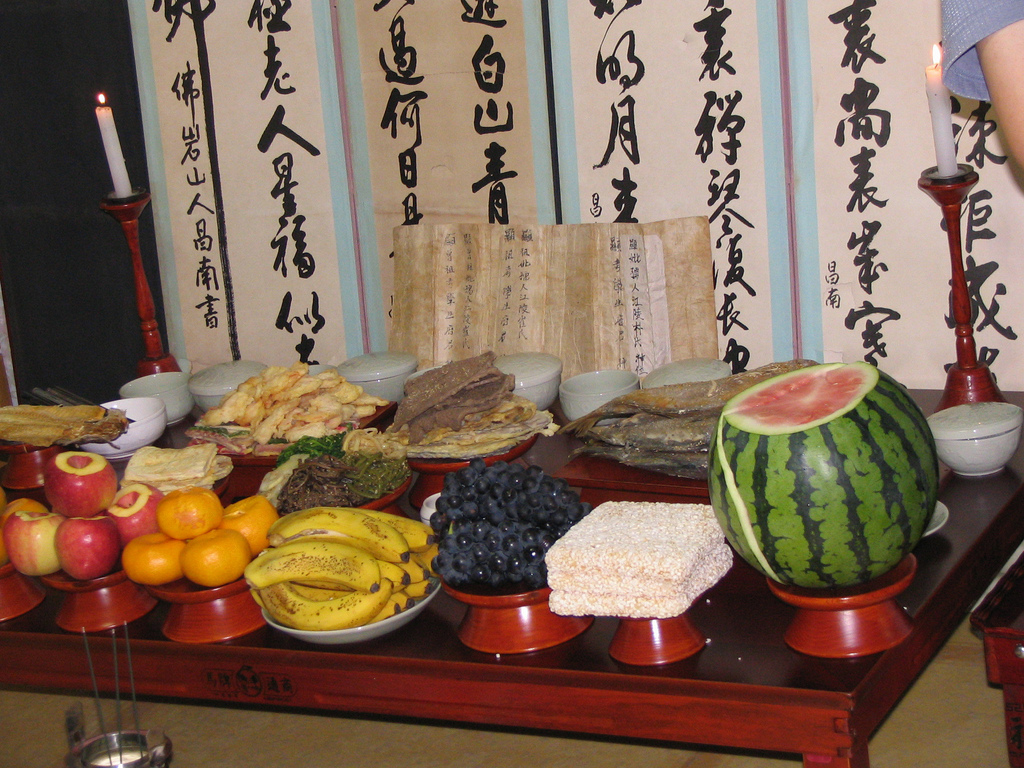 🇰🇷 South Korea and 1 moreChuseok추석 (Chuseok), 한가위 (Hangawi)
A Korean autumn harvest festival marked by ancestral rites and feasting on the full moon.Tradition · Speaking with spirits and the dead · Luck and prosperity Living
🇰🇷 South Korea and 1 moreChuseok추석 (Chuseok), 한가위 (Hangawi)
A Korean autumn harvest festival marked by ancestral rites and feasting on the full moon.Tradition · Speaking with spirits and the dead · Luck and prosperity Living
 🇷🇺 Russia and 4 moreFolk Orthodoxyнародное православие
A blend of Eastern Orthodox doctrine and pre-Christian pagan beliefs in Slavic communitiesTradition · Protection · Luck and prosperity Living
🇷🇺 Russia and 4 moreFolk Orthodoxyнародное православие
A blend of Eastern Orthodox doctrine and pre-Christian pagan beliefs in Slavic communitiesTradition · Protection · Luck and prosperity Living
 🇵🇪 Peru and 1 moreQuyllurit'iQoyllur Rit'i
A syncretic Andean pilgrimage celebrating the Pleiades and the Lord of Star SnowTradition · Protection · Healing Living
🇵🇪 Peru and 1 moreQuyllurit'iQoyllur Rit'i
A syncretic Andean pilgrimage celebrating the Pleiades and the Lord of Star SnowTradition · Protection · Healing Living
 🇨🇱 Chile and 1 moreMapuche religion
The traditional spiritual practice of the Mapuche people of Chile and ArgentinaTradition · Protection · Healing Living
🇨🇱 Chile and 1 moreMapuche religion
The traditional spiritual practice of the Mapuche people of Chile and ArgentinaTradition · Protection · Healing Living
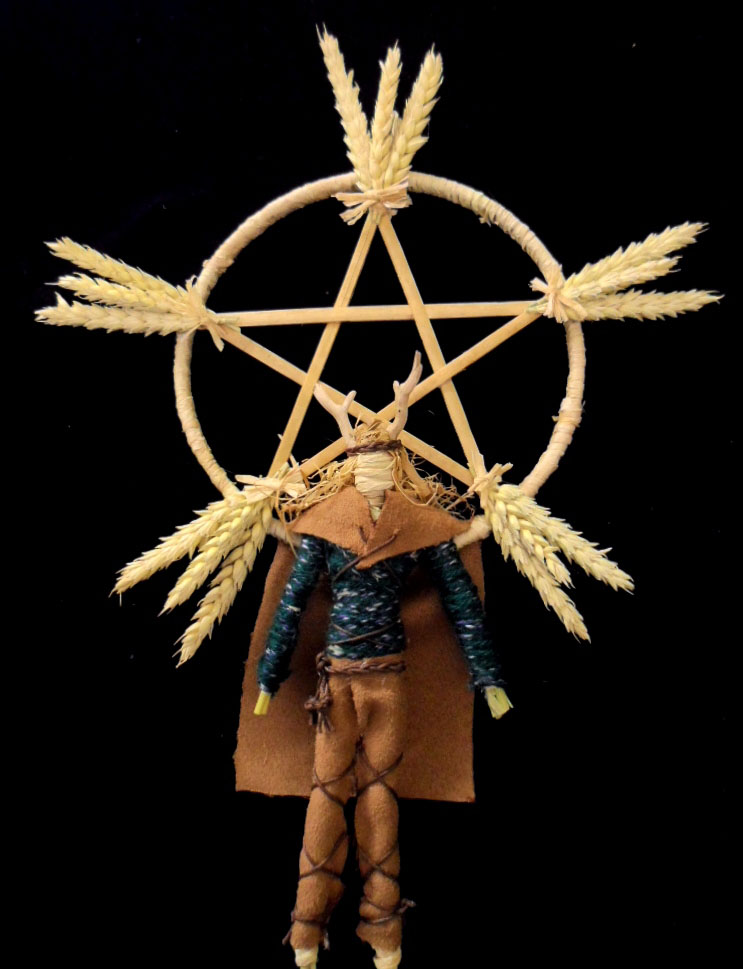 🇮🇪 Ireland and 1 moreLughnasadhLúnasa
A Gaelic harvest festival marking the beginning of the grain gathering seasonTradition · Luck and prosperity · Speaking with spirits and the dead Living
🇮🇪 Ireland and 1 moreLughnasadhLúnasa
A Gaelic harvest festival marking the beginning of the grain gathering seasonTradition · Luck and prosperity · Speaking with spirits and the dead Living
 🇰🇷 South KoreaGut굿
Rites performed by Korean shamans to commune with spirits and ensure community welfare.Rite · Protection · Speaking with spirits and the dead Living
🇰🇷 South KoreaGut굿
Rites performed by Korean shamans to commune with spirits and ensure community welfare.Rite · Protection · Speaking with spirits and the dead Living
Photo credits on this page
The small pictures above come from Wikimedia Commons under free licences. Some are cropped to fit.
- Taniwha: Pseudopanax at en.wikipedia, Public domain, source
- Corn dolly: Renata ( talk ), Public domain, source
- Bonfire: S Marshall, CC BY 3.0, source
- Samhain: Daniel Maclise, Public domain, source
- Pachamama: Penarc, CC BY-SA 3.0, source
- Púca: Wirt Sikes, Public domain, source
- Kami: Bernard Gagnon, CC BY-SA 3.0, source
- Latvian mythology: Dezidor, CC BY 3.0, source
- Slavic religion: Alphonse Mucha, Public domain, source
- Śrāddha: Billjones94, CC BY-SA 4.0, source
- Ainu religion: Unknown author, Public domain, source
- Tzolkʼin: Lacambalam, CC BY-SA 4.0, source
- Ukrainian folklore: U.S. Army Europe Images, CC BY 2.0, source
- Czech folklore: Biser Todorov, CC BY-SA 4.0, source
- Eleusinian Mysteries: No machine-readable author provided. Marsyas assumed (based on copyrig, Public domain, source
- Kukeri: Nenko Lazarov, CC BY 2.5, source
- Winter solstice: Image by Przemyslaw " Blueshade " Idzkiewicz, CC BY-SA 2.0, source
- Odinani: Northcote Whitridge Thomas, Public domain, source
- Wassail: Joss Smithson, CC BY-SA 2.0, source
- Jesa: by Joseph Steinberg (Baltimoron in Korea) at Flickr, CC BY-SA 2.0, source
- Kagura: Elstner Hilton, Public domain, source
- Makar Sankranti: Saloni Desai, CC BY-SA 2.0, source
- Kitsunebi: Abasaa, Public domain, source
- Folk Orthodoxy: Лобачев Владимир, CC BY-SA 4.0, source
- Quyllurit'i: AgainErick, CC BY-SA 3.0, source
- Mapuche religion: Gary Todd, CC0, source
- Lughnasadh: Mountainash333, CC BY-SA 3.0, source
- Gut: ReSearcher at English Wikipedia, CC BY-SA 3.0, source