Everyday use: practices that mark them
Small habits kept at home: the horseshoe, the salt over the shoulder, the evil-eye bead.
Everyday magic is the small habits kept at home: the horseshoe, salt over the shoulder, knocking on wood, the evil-eye bead, a lucky number, a morning prayer, the red thread, a bowl of water at the door, a charm in the car. People keep them without making much of them. This page looks at what these habits are, why they last and where they fit alongside religion and science. It is the commonest magic of all.
What it looks like
Daily practice is ordinary. In India, a lemon and chillies hang at shops, and a rangoli drawn at a doorstep welcomes luck. In Turkey, a nazar hangs near the door. In Britain, people say touch wood. In Japan, a lucky cat sits in the shop window, and in Mexico an egg may be rolled over a child. Many of these customs use cheap, available things. Many habits are older than the people who keep them, and nobody can say who started them.
Why people keep them
Researchers describe such habits as low-cost ways to cope with uncertainty. They give a feeling of control, mark boundaries and bring people together at little risk. Studies of lucky charms show they can raise confidence. Most people hold small customs with a light touch, half serious and half playful, and would not say they believe in them. Practices come in several types: some are protective, some bring luck, some help the household keep track of time and weather, and some are no more than a habit of speech.
Names, religion and class
Customs are shared across religions with different explanations. The evil eye is feared by Muslims, Christians, Jews and Hindus in the Mediterranean and beyond. Religious reformers often attack such customs, and educated people sometimes mock them as rural. Women do most of the work of keeping them going, within the home. The home is also where these customs meet money, since shops sell everything needed, and some of the items on sale are made far from their cultural homes.
Shops and screens
Ordinary habits are now a market of charms, apps, horoscopes and online readers. Small purchases are harmless, but large payments for luck or protection are a warning sign of fraud. The customs also spread online, where they can lose their origin. Whether or not they work, they remain a way people say that they care about each other. In the end, the most common magic in the world is neither dramatic nor secret, and it is practised by people who have no wish to be called magicians.
Everyday use on EveryJaadu
The entries written up so far, best known first.
 🇮🇷 IranFravashi
A personal spirit in Zoroastrian belief that guides the living and protects the dead.Being · Protection · Speaking with spirits and the dead Living
 🇹🇭 Thailand and 5 moreKrasueกระสือ
A floating head with trailing organs from Southeast Asian folkloreBeing · Cursing and harm Living
 🇯🇵 Japan and 4 moreHousehold deity
A spirit or minor god believed to guard a home and its family members.Being · Protection · Speaking with spirits and the dead Historical
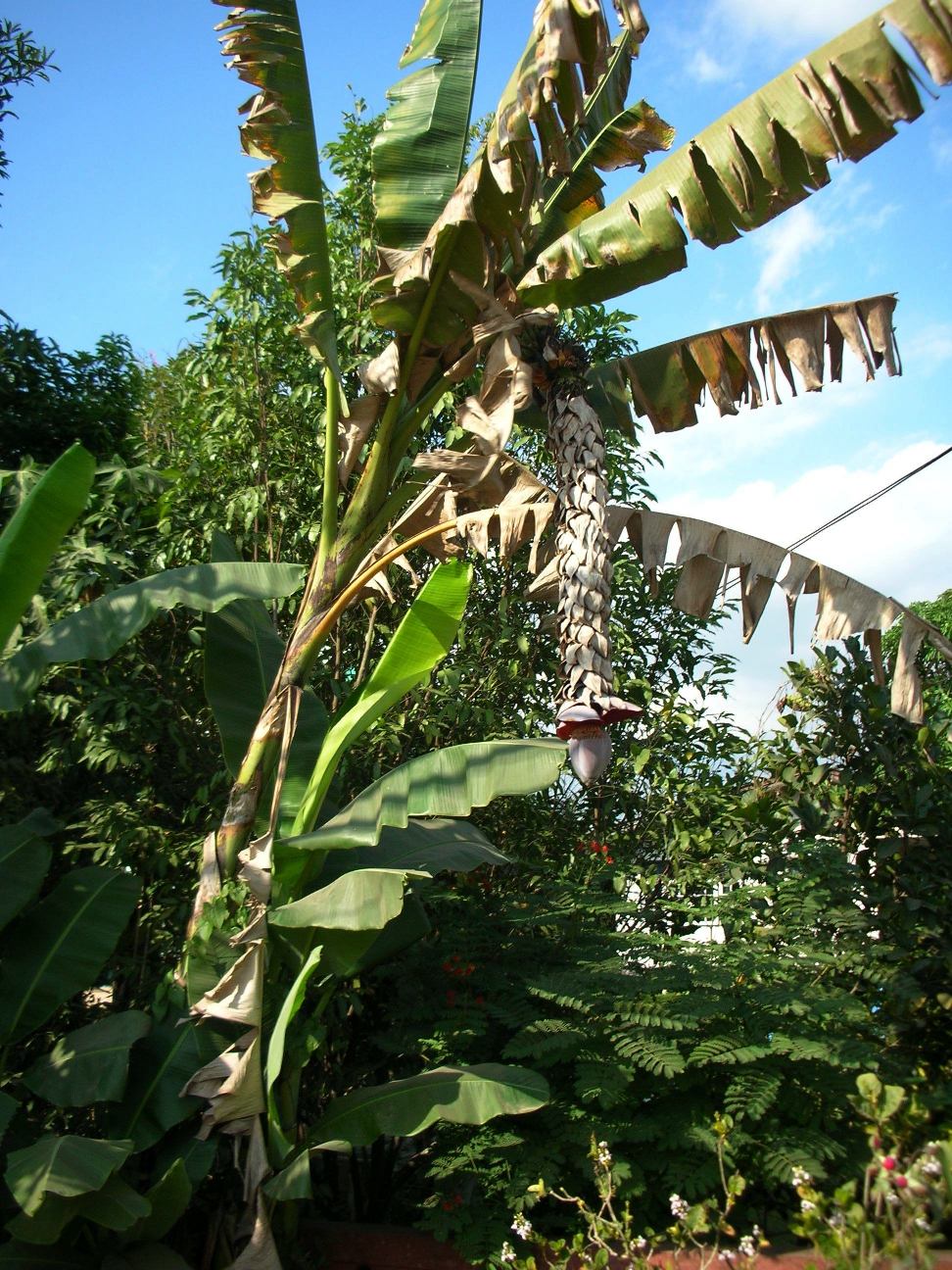 🇹🇭 Thailand and 1 moreNang Taniนางตานี
A female spirit said to inhabit wild banana trees in Southeast Asian folklore.Being · Protection · Luck and prosperity Living
 🇺🇸 United StatesAshtar
A channeled extraterrestrial figure central to mid-century American ufology and New Age spiritualityBeing · Speaking with spirits and the dead · Seeing and foretelling Living
🇮🇱 IsraelAgrat bat Mahlatאגרת בת מחלת
A demon in Jewish tradition who rules over destructive spirits and night hours.Being · Cursing and harm Historical
 🇫🇷 France and 3 moreLes LavandièresKannerez-Noz
Supernatural washerwomen who wash shrouds or bloodstained clothes for those about to die.Being · Seeing and foretelling Legendary
 🇧🇴 Bolivia and 1 moreAnchanchu
A shapeshifting vampire of the Andes that drains blood and demands offerings from miners.Being · Cursing and harm · Power and authority Legendary
 🇵🇾 ParaguayJasy Jatere
A Guaraní spirit of the moon who guards yerba mate and enforces the siestaBeing · Protection · Luck and prosperity Legendary
🇬🇧 United KingdomTrow
Nocturnal spirits of the Orkney and Shetland islands, known for mischief and musical abduction.Being · Cursing and harm · Wonder and entertainment Historical
🇸🇪 SwedenAskafroa
A Scandinavian tree spirit believed to guard the ash and demand appeasement.Being · Cursing and harm · Protection Legendary
🇫🇮 Finland and 2 moreHaltija
A supernatural guardian of a specific place or animal species in Finnish and Baltic Finnic mythologyBeing · Protection · Speaking with spirits and the dead Historical
🇵🇹 Portugal and 1 moreCabra cabriola
A fire-breathing goat bogeyman used to frighten children in Portuguese and Brazilian folkloreBeing · Cursing and harm Living
 🇮🇳 India and 5 moreKaruppannaswamyகருப்பண்ணசாமி, കറുപ്പണ്ണസാമി
A fierce guardian deity worshipped as a village protector and ancestral enforcer of justice.Being · Protection · Healing Living
 🇨🇦 CanadaMistapewmistâpêw (ᒥᐢᑖᐤ)
A spirit-being of the Cree peoples, known as the Great Man or Bigfoot.Being · Protection · Healing Living
🇨🇭 SwitzerlandJack o' the bowl
A Swiss house spirit who guides cattle along safe mountain trails in exchange for creamBeing · Protection · Luck and prosperity Historical
 🇻🇳 Vietnam and 1 moreÔng Trời
A sky god of Vietnamese folk religion, later linked to the Taoist Jade EmperorBeing · Protection · Power and authority Living
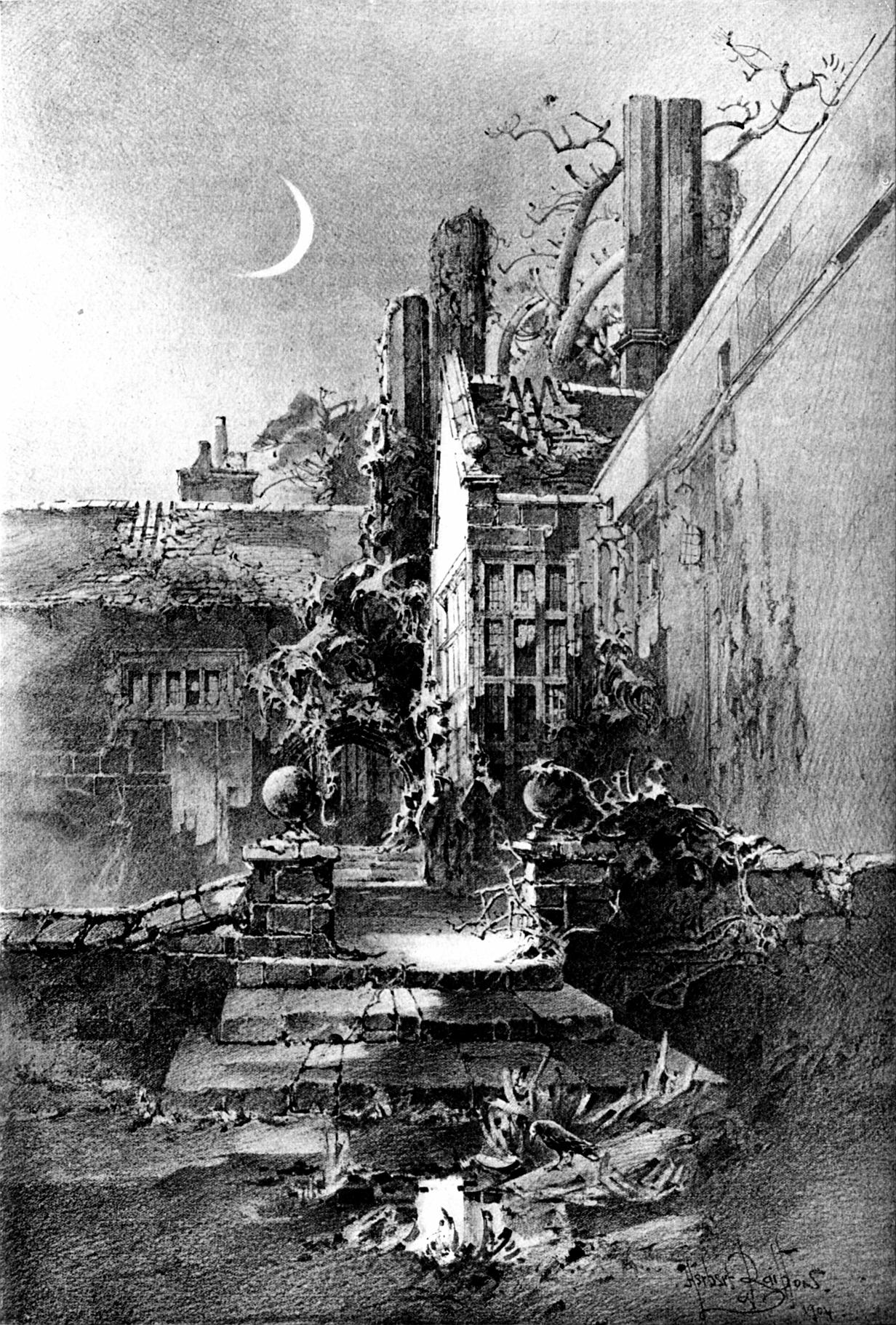 🇬🇧 United KingdomHobgoblin
A household spirit from English folklore known for chores and mischiefBeing · Cursing and harm · Luck and prosperity Historical
 🇮🇷 Iran and 1 moreSraosha𐬯𐬭𐬀𐬊𐬴𐬀
Zoroastrian yazata of obedience and prayer who guards the world from evil spiritsBeing · Protection · Speaking with spirits and the dead Living
 🇮🇸 Iceland and 1 moreLandvættir
Spirits tied to specific places in Norse tradition and modern HeathenryBeing · Protection · Luck and prosperity Living
🇧🇿 BelizeTata DuendeNukuch Tat
A thumbless forest spirit of Belizean folklore that protects animals and warns children.Being · Protection · Cursing and harm Living
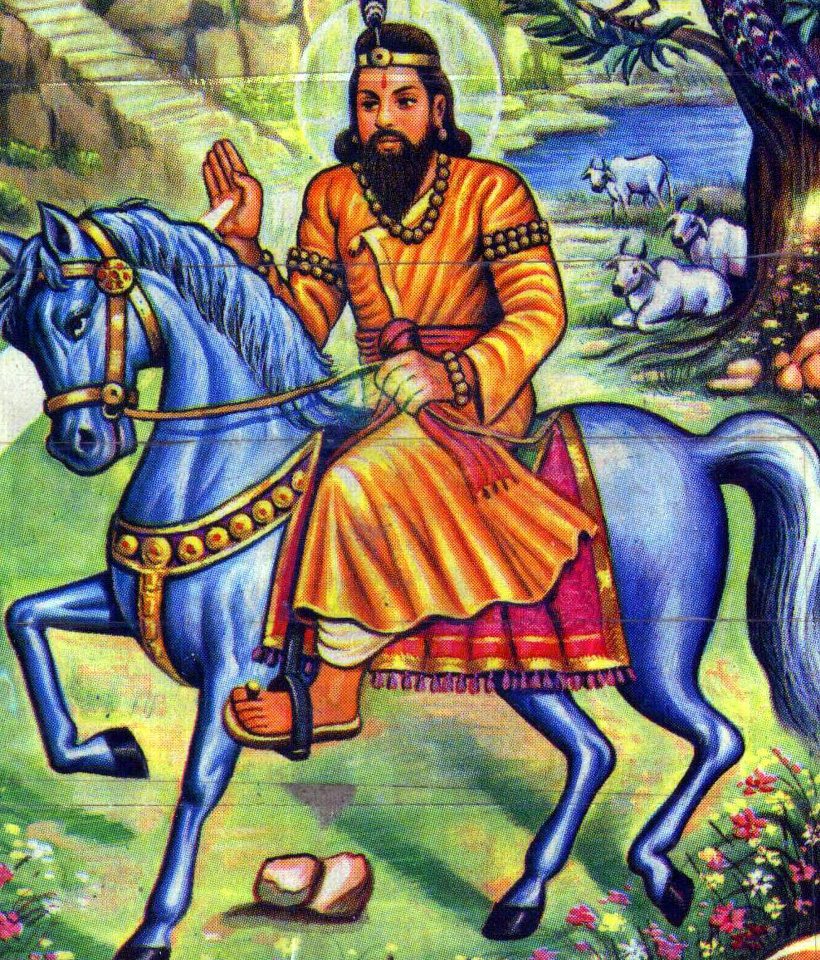 🇮🇳 IndiaBaba Mohan Ramबाबा मोहन राम
A folk form of Krishna worshipped at a cave shrine with a flame that never diesBeing · Healing · Luck and prosperity Living
🇪🇬 EgyptAbtuꜣbḏw
A sacred fish of Egyptian myth that helps tow the sun god's boat at dawnBeing Legendary
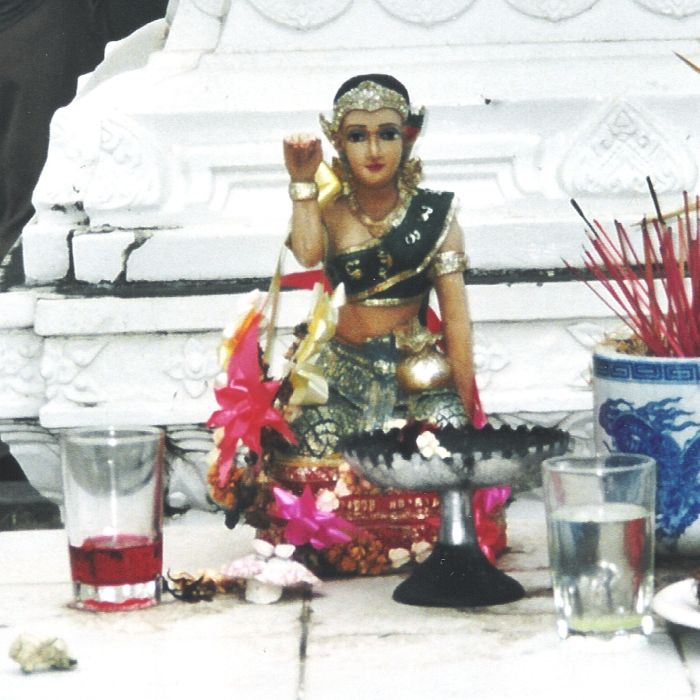 🇹🇭 ThailandNang Kwakนางกวัก
A Thai figure who beckons customers and money luck into shops and homesBeing · Luck and prosperity Living
 🇮🇱 IsraelSeraphשָׂרָף
Six-winged heavenly beings who chant 'holy, holy, holy' at God's throneBeing · Speaking with spirits and the dead · Cleansing and purification Living
 🇯🇵 Japan and 4 moreKṣitigarbhaक्षितिगर्भ
A bodhisattva vowed to empty the hells and guard children, shown with a staff and jewel.Being · Protection · Speaking with spirits and the dead Living
🇲🇱 Mali and 1 moreSandobele
A Senufo woman diviner who mediates between the village and bush spirits.Being · Speaking with spirits and the dead · Protection Living
 🇵🇹 PortugalAngel of PortugalAnjo de Portugal
A guardian spirit of Portugal, celebrated on June 10 and linked to the Fátima visions.Being · Protection · Speaking with spirits and the dead Living
🇧🇷 Brazil and 2 moreCaiporaCaapora
A Brazilian forest spirit that guards game and tests hunters with bribes or terrorBeing · Protection · Cursing and harm Living
🇮🇹 ItalyMazapégul
A mischievous elf of Romagna with a red cap that steals sleep and braids horse manesBeing · Cursing and harm · Luck and prosperity Historical
 🇮🇳 IndiaPoomala Bhagavathy
A Hindu goddess of North Malabar, revered as the family deity of the Thiyya community.Being · Love and attraction · Luck and prosperity Living
 🇪🇸 SpainGaueko
Basque legend's night spirit, said to forbid outdoor work after dark and punish boastersBeing · Cursing and harm Legendary
🇭🇺 HungaryLidérc
A shape-shifting spirit from Hungarian folklore that brings wealth or illness.Being · Cursing and harm · Luck and prosperity Legendary
 🇩🇪 Germany and 3 moreDrude
A Germanic nightmare spirit and the pentagram charm used to keep it outBeing · Cursing and harm · Protection Historical
 🇪🇬 EgyptMaatmꜣꜥt
An Egyptian idea of truth, law and balance, and the goddess who stands for itBelief · Power and authority Historical
 🇩🇪 Germany and 1 moreNis PukNiß Puk
A legendary household spirit from Northern Germany and Denmark that helps or torments its owner.Being · Luck and prosperity · Protection Legendary
 🇮🇹 ItalyFascinusfascinum
A Roman phallus image and charm, kept to turn away envyBeing · Protection · Luck and prosperity Historical
 🇨🇳 China and 5 moreShui Wei Sheng Niang水尾圣娘; เจ้าแม่ทับทิม
A Hainanese goddess of the sea, worshipped by fishermen and diaspora communities in Southeast Asia.Being · Protection · Luck and prosperity Living
 🇮🇳 India and 1 moreVarahiवाराही (Vārāhī)
A Hindu mother goddess with a sow face, worshipped in Tantric rites for protection and powerBeing · Protection · Power and authority Living
 🇩🇴 Dominican Republic and 5 moreZemi
A Taíno deity or ancestral spirit housed in a carved object used for worship and protectionBeing · Protection · Healing Historical
 🇮🇪 Ireland and 1 moreAos Sí
Irish supernatural beings linked to ancient gods and burial moundsBeing · Protection Living
 🇪🇸 Spain and 5 moreSack Man
A man carrying a sack who frightens misbehaving children into obedience.Being · Cursing and harm Living
🇰🇭 CambodiaMrenh kongvealម្រេញគង្វាល
Khmer jungle spirits said to guard animals and guide people through dreamsBeing · Protection · Speaking with spirits and the dead Living
🇻🇳 VietnamVietnamese ghostsHồn ma
Wandering spirits in Vietnam, and the rites held to feed or calm themBeing · Protection · Speaking with spirits and the dead Living
 🇮🇶 IraqKūbu
Ghosts of stillborn fetuses in ancient Mesopotamian religion, feared and worshipped.Being · Protection · Cursing and harm Historical
 🇩🇪 Germany and 2 moreSchrat
A German and Slavic spirit that appears as a wood sprite, household helper, or nightmare demon.Being · Cursing and harm · Protection Legendary
 🇮🇷 Iran and 4 moreJinnجِنّ
Concealed beings from Arabian and Islamic tradition, accountable for their actions like humans.Being · Protection · Cursing and harm Living
Photo credits on this page
The small pictures above come from Wikimedia Commons under free licences. Some are cropped to fit.
- Gaueko: Errazking, CC BY-SA 4.0, source
- Kṣitigarbha: སངས་རྒྱས་བཅོམ་ལྡན་འདས།, Public domain, source
- Ashtar: Evedawn99, Public domain, source
- Tuatha Dé Danann: John Duncan, Public domain, source
- Fravashi: Hooman Mallahzadeh, CC BY-SA 4.0, source
- Angel of Portugal: Daderot, Public domain, source
- Schrat: Photo: Andreas Praefcke, Public domain, source
- Jinn: VenusFeuerFalle, CC0, source
- Vahana: Unknown Nepali, Public domain, source
- Mistapew: Alarichall, CC0, source
- Hobgoblin: Herbert Railton, Public domain, source
- Sraosha: Tahmasp I, CC0, source
- Kūbu: Françoise Foliot, CC BY-SA 4.0, source
- Krasue: Xavier Romero-Frias, CC BY-SA 3.0, source
- Maat: anonymous, Public domain, source
- Nis Puk: R2D3LA, CC BY-SA 4.0, source
- Fascinus: Vassil, Public domain, source
- Household deity: Claus Ableiter, CC BY-SA 3.0, source
- Seraph: Pietro Perugino, CC BY 2.0, source
- Nang Tani: Xufanc, CC BY-SA 3.0, source
- Jasy Jatere: Patty P, Public domain, source
- Anchanchu: Arizz4k, CC BY-SA 4.0, source
- Sack Man: Unknown author, Public domain, source
- Nang Kwak: Günter Trageser, Public domain, source
- Poomala Bhagavathy: Ajeeshkumar4u, CC BY-SA 4.0, source
- Karuppannaswamy: GShas, CC0, source
- Les Lavandières: Jean-Édouard Dargent, Public domain, source
- Zemi: Unknown author, CC0, source
- Ông Trời: Bùi Thụy Đào Nguyên, CC BY-SA 3.0, source
- Landvættir: TommyBee, Public domain, source
- Shui Wei Sheng Niang: Maya-Anaïs Yataghène, CC BY 2.0, source
- Baba Mohan Ram: Yajush Rao, CC BY-SA 4.0, source
- Drude: Ramessos, Public domain, source