Mrenh kongveal
In its own language: ម្រេញគង្វាល
from Khmer mrenh (fisherman or cancer) and kongveal (herdsman)
Khmer jungle spirits said to guard animals and guide people through dreams
Mrenh kongveal are small, mischievous beings from Cambodian folk mythology. They are believed to guard wild herds and offer guidance to humans through whispers or dreams.
- Small beings resembling human children
- Guardians of wild animal herds
- Communicate through dreams and whispers
- Visible only to pure-hearted children
- Offerings left in baskets for luck
What it is
Mrenh kongveal are supernatural entities in Cambodian tradition. They resemble small elves and are known for playful mischief. Originally viewed as nomadic jungle dwellers, they now serve as personal guardians. These beings protect individuals, places, or institutions. They communicate through telepathic whispers or by influencing dreams. Adults cannot see them, but children between six and fourteen may witness their presence if pure of heart.
Where it comes from
The roots of these spirits appear uniquely Khmer. Their name combines mrenh, meaning fisher or cancer, with kongveal, meaning guardian. The exact etymology remains unclear. Historically, they guarded wild animals like elephants in the jungle. Over time, their role shifted from wild herdsmen to personal guides. This evolution reflects changing relationships between people and nature in Cambodia.
How it is done
People leave baskets as offerings to seek assistance. Hunters and farmers use these gifts to gain luck in capturing animals or protecting crops. Mahouts offer baskets to help trap young elephants. Today, people rely on spiritual connection rather than physical offerings. Guidance comes through dreams or inner whispers. No specific rituals are detailed beyond leaving gifts.
Tools and materials
Baskets serve as the primary offering vessel. These containers hold gifts left for the spirits. The baskets symbolize respect and a request for aid.
Mrenh kongveal, drawn and placed
- Living
- Revived
- Fading
- Historical
- Legendary
- Performed
- Lineage
- Cambodian folk mythology
- Timing
- when seeking help or luck in hunting
What it is for
They bring luck in hunting and animal capture. Farmers ask for protection of crops from wild beasts. Guardians offer guidance to benefactors. The spirits help mahouts manage elephants. Communication occurs through dreams or mental whispers. Protection extends to people, places, or institutions.
Who does it
Ordinary households maintain this belief. Hunters, farmers, and elephant trappers historically made offerings. Children are considered more likely to see the beings. Adults generally cannot perceive them. The practice relies on personal faith rather than trained specialists.
Peoples and places
The Khmer people of Cambodia hold these beliefs. The tradition is described as uniquely Khmer in origin. The focus remains on Cambodian folk practices and jungle spirituality.
At a glance: who, where and when
Who does it
Peoples
Belief worlds
Occasions
What people believe
The worldview sees these beings as part of the natural world. They transitioned from wild guardians to personal protectors. Purity of heart allows children to see them. Dreams and whispers are channels of communication. The spirits operate within a framework of mutual respect and exchange.
When it is done
Offerings are made when seeking help or luck. No specific festivals or calendar days are mentioned. The practice occurs during daily life activities like hunting or farming.
How scholars and sceptics see it
Western scholarship uses various transliterations of the Khmer name. Academic works document the cultural significance of these spirits. Researchers note the shift from jungle guardians to personal guides. The etymology remains a subject of linguistic study.
Cautions and what is closed
The tradition does not involve dangerous practices. Outsiders are not restricted from learning about the belief.
Compare and confuse
They resemble western folklore elves in appearance. Both groups are small and associated with mischief. However, mrenh kongveal are specifically linked to animal guardianship. Western elves lack this specific herding role.
Law and persecution
No legal status or persecution is mentioned. The belief is practiced freely in Cambodia. There are no recorded restrictions on these traditions.
Today
The belief persists in modern Cambodia. People still claim childhood encounters with the spirits. The role has evolved from wild animal guardians to personal guides. Telepathic communication and dream influence remain key features.
Questions people ask about Mrenh kongveal
What are mrenh kongveal?
They are small, mischievous spirits from Cambodian folklore. They originally guarded wild animals like elephants. Now they act as personal guardians who guide people through dreams.
Where do they come from?
These beings originate from Khmer folk mythology in Cambodia. The name combines words for fisher and herdsman. Their roots appear unique to Cambodian culture.
How do they communicate?
They speak through telepathic whispers heard in the mind. They also influence dreams to offer guidance. Adults cannot see them, but children might.
Why do people leave baskets?
Baskets hold offerings for hunters and farmers. Gifts bring luck in capturing animals. They also protect crops from wild beasts. Modern users seek general guidance instead.
Good reading and sources
The facts on this page come from the Wikipedia article "Mrenh kongveal", written by its contributors and used under the CC BY-SA 4.0 licence, and from its Wikidata record (CC0). EveryJaadu rewrote the text in its own words, with AI assistance, and compares every page with the article to make sure no passage is copied. It may be reused under the same CC BY-SA 4.0 licence with a link back.
It may contain mistakes. Names and customs differ from one community to the next, and some knowledge is closed to outsiders and left out here. This page describes belief and practice. It does not say that any of it works, it is not a how-to, and it is not medical advice. If something is wrong, tell us. Last refreshed 2026-10-23.
More from Cambodia
All the entries from Cambodia 🇲🇾 Malaysia and 5 morePenanggalan
A floating head with trailing organs from Malay folklore, said to hunt pregnant women and newborns.Being · Cursing and harm Legendary
 🇹🇭 Thailand and 5 moreKrasueกระสือ
A floating head with trailing organs from Southeast Asian folkloreBeing · Cursing and harm Living
 🇹🇭 Thailand and 1 moreNang Taniนางตานี
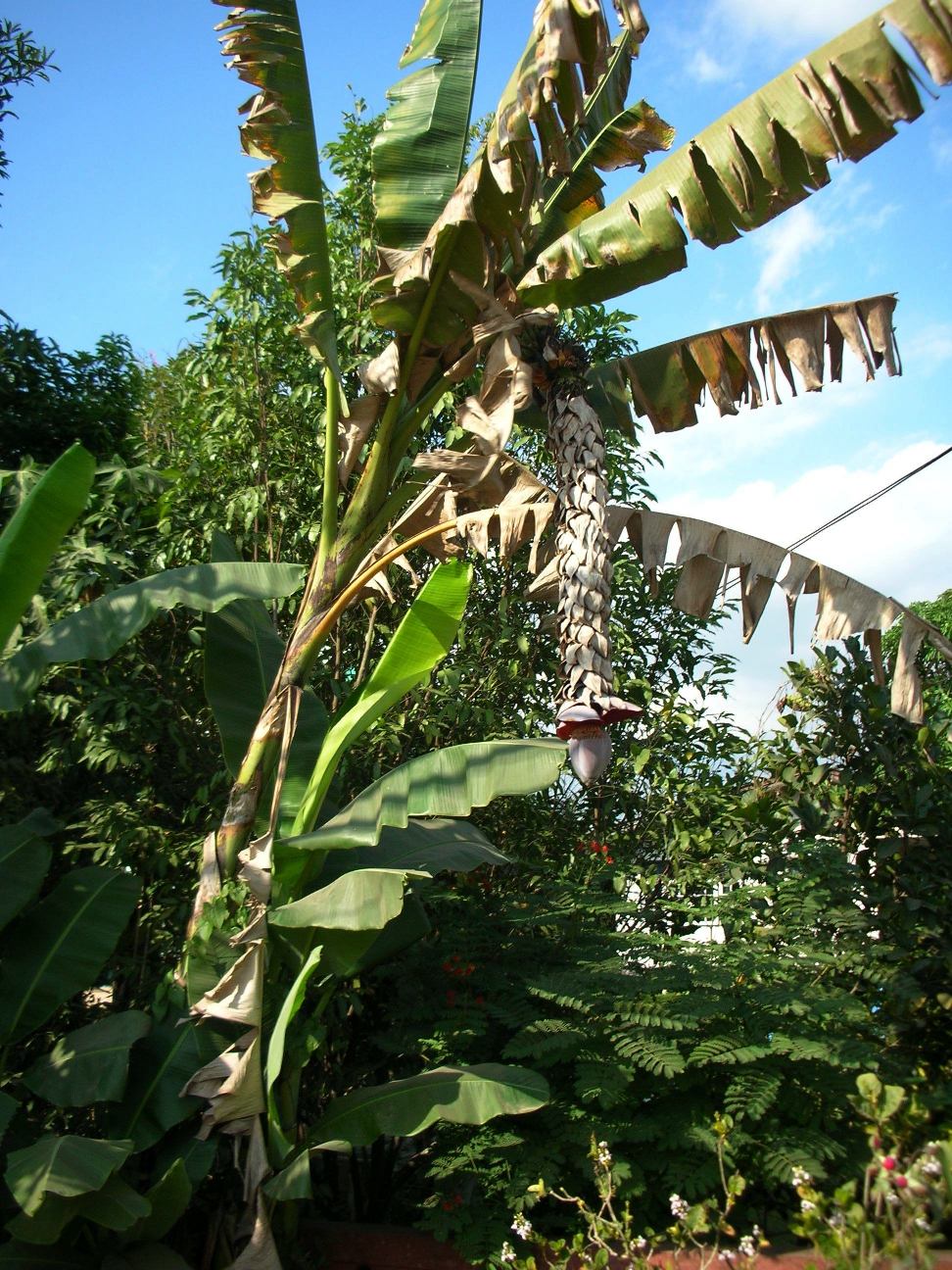
A female spirit said to inhabit wild banana trees in Southeast Asian folklore.Being · Protection · Luck and prosperity Living
 🇲🇲 Myanmar and 5 moreChintheခြင်္သေ့
A stylized lion statue that guards Buddhist temples in Myanmar and across Asia.Being · Protection Living
Related elsewhere
All being 🇮🇳 India and 2 moreYantraयन्त्र
A geometric diagram from Indian traditions used for worship and meditationCharm · Protection · Speaking with spirits and the dead Living
 🇳🇬 Nigeria and 2 moreEshuÈṣù
A Yoruba spirit of crossroads, messengers and the balance between joy and sorrowBeing · Speaking with spirits and the dead · Protection Living
 🇸🇪 Sweden and 5 moreMidsummerJāņi; Joninės; Jaanipäev; Enyovden; Litha; Juhannus
A summer solstice festival marked by bonfires, maypole dancing, and feasting across Europe.Tradition · Protection · Luck and prosperity Living
 🇬🇧 United Kingdom and 5 moreConcealed shoes
Shoes hidden in building structures as folk charms for protection and fertilityCharm · Protection · Speaking with spirits and the dead Historical