
Angel of Portugal
In its own language: Anjo de Portugal
A guardian spirit of Portugal, celebrated on June 10 and linked to the Fátima visions.
The Angel of Portugal is a national guardian figure in Portuguese Catholic tradition. It was formally established as a feast day in the 16th century and restored in the mid-20th century. The entity is also known for appearing to the children of Fátima before their Marian apparitions.
- Feast day is June 10.
- Restored in 1952 by Pope Pius XII.
- Appeared to Fátima visionaries in 1916.
- Altar existed at Batalha Monastery since 1386.
- Also called the Angel of Peace.
What it is
The Angel of Portugal serves as the spiritual protector of the nation. It is recognized as a national angel within the Catholic faith. This being acts as a custodian for the country and its people. The figure is distinct from other angels by its specific national patronage. It is often depicted carrying the Portuguese shield. The entity represents peace and guardianship. Devotees view it as a constant presence over the land.
Where it comes from
The cult began with an altar at the Batalha Monastery in 1386. King Manuel I requested Pope Julius II to create a feast for the Custodian Angel in 1504. The practice declined after the 17th century. It was officially restored in 1952 by Pope Pius XII. The feast was added to the liturgical calendar then. Some traditions identify this angel with Saint Michael.
How it is done
Devotion involves celebrating the feast on June 10. The angel visited three children in 1916 before later apparitions. It taught them prayers and practices of penance. The children received Holy Communion from this figure. The angel called itself the Angel of Peace during these visits. These events are recorded in the history of Fátima.
Angel of Portugal, drawn and placed
- Living
- Revived
- Fading
- Historical
- Legendary
- Performed
- Lineage
- Catholic Church
- Timing
- June 10
What it is for
The angel protects Portugal and its citizens. It serves as a guardian spirit for the kingdom. The figure teaches prayer and moral conduct. It facilitates communion between humans and the divine. Devotees seek its intercession for national peace. The entity is believed to watch over the faithful daily.
Who does it
The devotion is held by the Portuguese people. It is part of the broader Catholic community. No specific priestly order manages the cult exclusively. The feast is observed nationally. Children and adults alike may venerate the figure. The role is symbolic of national identity.
Peoples and places
The tradition is unique to Portugal. It is the only national angel recognized in this way. The Portuguese Catholic Church maintains the feast. The figure is central to local religious identity. Other regions do not share this specific national patron.
At a glance: who, where and when
Who does it
Peoples
Belief worlds
Occasions
What people believe
The angel is a celestial being of protection. It belongs to the hierarchy of Christian angels. The figure is linked to the Archangel Michael. It acts as a mediator for divine grace. The belief holds that it watches over the nation's fate. The entity is seen as a source of peace.
When it is done
The main celebration occurs on June 10. This date marks the Feast of the Angel of Portugal. The event is fixed in the liturgical year. Historical records note the 1504 papal decree. The 1952 restoration updated the calendar entry.
Today
The feast remains active in the Portuguese calendar. The Sanctuary of Fátima is a major site of devotion. The angel is still venerated as a national symbol. The connection to the Fátima visions keeps the figure relevant. Modern Catholics continue to observe the June 10 feast.
Questions people ask about Angel of Portugal
What is the Angel of Portugal?
It is the guardian angel of Portugal, recognized as a national symbol and patron saint within the Catholic Church. It is the only national angel of its kind.
When is the feast celebrated?
The Feast of the Angel of Portugal is celebrated annually on June 10. This date was established historically and restored in the modern era.
How is it connected to Fátima?
The angel visited the three children of Fátima in 1916. It taught them prayers and penance before they saw Our Lady of Fátima.
Is it the same as Saint Michael?
Sometimes the two are identified as the same figure. However, the Angel of Portugal has its own distinct feast and national patronage.
Good reading and sources
- Angel of Portugal on WikipediaEncyclopedia
- More photos on Wikimedia CommonsPhotos and video
- Wikidata recordOpen data
The facts on this page come from the Wikipedia article "Angel of Portugal", written by its contributors and used under the CC BY-SA 4.0 licence, and from its Wikidata record (CC0). EveryJaadu rewrote the text in its own words, with AI assistance, and compares every page with the article to make sure no passage is copied. It may be reused under the same CC BY-SA 4.0 licence with a link back.
It may contain mistakes. Names and customs differ from one community to the next, and some knowledge is closed to outsiders and left out here. This page describes belief and practice. It does not say that any of it works, it is not a how-to, and it is not medical advice. If something is wrong, tell us. Last refreshed 2026-10-11.
More from Portugal
All the entries from Portugal 🇪🇸 Spain and 5 moreDuende
A humanoid spirit of Iberian and Latin American folklore, ranging from household pranksters to forest guardians.Being · Protection · Cursing and harm Living
🇪🇸 Spain and 5 moreDuende
A humanoid spirit of Iberian and Latin American folklore, ranging from household pranksters to forest guardians.Being · Protection · Cursing and harm Living
 🇬🇧 United Kingdom and 4 moreWyvern
A two-legged winged dragon common in European heraldry and fantasy fictionBeing · Power and authority Legendary
🇬🇧 United Kingdom and 4 moreWyvern
A two-legged winged dragon common in European heraldry and fantasy fictionBeing · Power and authority Legendary
 🇯🇵 Japan and 4 moreHousehold deity
A spirit or minor god believed to guard a home and its family members.Being · Protection · Speaking with spirits and the dead Historical
🇯🇵 Japan and 4 moreHousehold deity
A spirit or minor god believed to guard a home and its family members.Being · Protection · Speaking with spirits and the dead Historical
 🇫🇷 France and 3 moreLes LavandièresKannerez-Noz
Supernatural washerwomen who wash shrouds or bloodstained clothes for those about to die.Being · Seeing and foretelling Legendary
🇫🇷 France and 3 moreLes LavandièresKannerez-Noz
Supernatural washerwomen who wash shrouds or bloodstained clothes for those about to die.Being · Seeing and foretelling Legendary
Related elsewhere
All being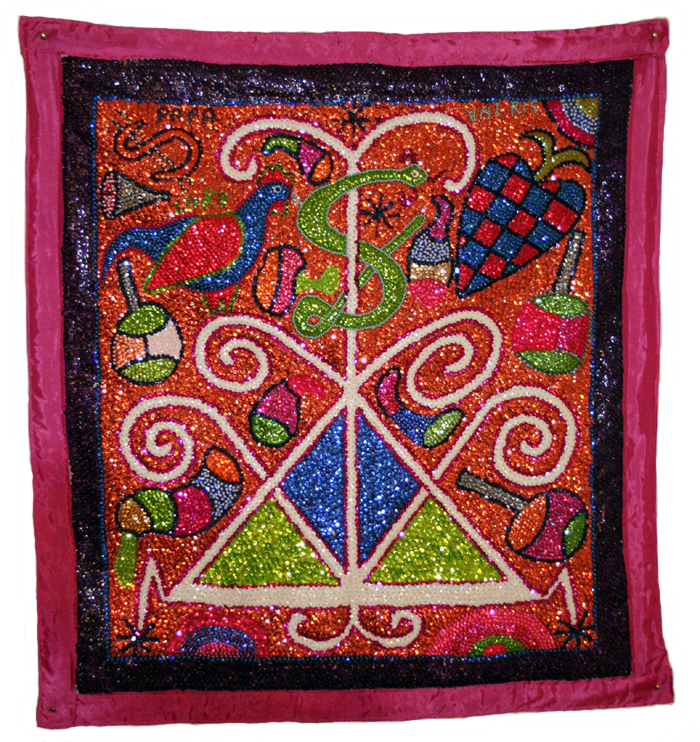 🇭🇹 Haiti and 2 moreHaitian VodouVodou
An Afro-Haitian religion blending West African traditions with Catholicism and FreemasonryTradition · Protection · Healing Living
🇮🇶 IraqKispu
An ancient Mesopotamian ritual to feed and honour the dead ancestorsRite · Speaking with spirits and the dead · Protection Historical
🇭🇹 Haiti and 2 moreHaitian VodouVodou
An Afro-Haitian religion blending West African traditions with Catholicism and FreemasonryTradition · Protection · Healing Living
🇮🇶 IraqKispu
An ancient Mesopotamian ritual to feed and honour the dead ancestorsRite · Speaking with spirits and the dead · Protection Historical
 🇸🇳 Senegal and 1 moreSerer religionA ƭat Roog
The traditional faith of the Serer people, centred on the supreme deity Roog and ancestral veneration.Tradition · Protection · Speaking with spirits and the dead Living
🇸🇳 Senegal and 1 moreSerer religionA ƭat Roog
The traditional faith of the Serer people, centred on the supreme deity Roog and ancestral veneration.Tradition · Protection · Speaking with spirits and the dead Living
 🇨🇺 Cuba and 2 moreAbakuá
A male-only Cuban religious fraternity with West African roots and strict secrecyTradition · Protection · Speaking with spirits and the dead Living
🇨🇺 Cuba and 2 moreAbakuá
A male-only Cuban religious fraternity with West African roots and strict secrecyTradition · Protection · Speaking with spirits and the dead Living