![Montaignais-Naskapi ideas of Mistapew's role in hunting (after Flannery and Chambers (1985) "Each Man Has His Own Friends [...]". Arctic Anthropology 22(1): 1–22, p. 19, fig. 2, itself based on Speck 1935).](https://upload.wikimedia.org/wikipedia/commons/5/57/Montaignais-Naskapi_conceptions_of_the_role_of_Mistapew_in_hunting_%28after_Flannery_and_Chambers_1985%2C_p._19%2C_fig._2%2C_itself_based_on_Speck_1935%29.png)
Mistapew
In its own language: mistâpêw (ᒥᐢᑖᐤ)
from Plains Cree misti- meaning "big" and nâpêw meaning "man"
A spirit-being of the Cree peoples, known as the Great Man or Bigfoot.
Mistapew is a spirit figure in the traditional beliefs of the Algonquinian Cree-Montagnais-Naskapi cultures. The name means "big man" and refers to a powerful entity that can act as a soul, a hunting ally, or a benevolent giant guardian of the earth.
- Mistapew means "big man" in Plains Cree.
- It acts as a host in the shaking tent ceremony.
- East Cree hunters seek its wisdom for success.
- Swampy Cree link it to the constellation Orion.
- Plains Cree view it as a teacher of honesty.
What it is
Mistapew is a spirit being found across the Algonquinian language continuum of the Cree, Montagnais, and Naskapi peoples. The term translates to "big man" and represents a complex spiritual force. In some contexts, it denotes the human soul in an active state. In others, it is a distinct entity that serves as a guide or master of ceremonies. Stories describe Mistapew as a benevolent giant who guards humanity and teaches essential skills for survival.
Where it comes from
The concept of Mistapew is deeply rooted in traditional Indigenous North American culture. Evidence suggests these beliefs existed before significant contact with Euro-Canadian colonial societies. However, reconstructing the original religious concepts is difficult due to linguistic barriers and conflicting historical records from Christian and traditional perspectives. Traditional stories have evolved over time, adapting to changes in lifestyle while maintaining core spiritual significance.
How it is done
Mistapew plays a central role in the shaking tent ceremony used by East Cree diviners. A ritual specialist enters a small tent to commune with spirits. Mistapew acts as the host, introducing other spirits and interpreting their messages. The tent shakes as spirits enter and leave. Another method involves dreaming; Mistapew may appear in dreams to teach lessons or reveal the location of game animals. Sweat lodges are also associated with releasing souls trapped by Mistapew in certain myths.
Tools and materials
The primary tool associated with Mistapew rituals is the shaking tent, a small structure where divinatory work occurs. In some stories, stones are used to imprison souls within constellations. Natural features like mountains and hills are sometimes viewed as the resting places or physical forms of Mistapew giants. These natural landmarks serve as reminders of the spirit's presence in the landscape.
Mistapew, drawn and placed
- Living
- Revived
- Fading
- Historical
- Legendary
- Performed
- Lineage
- Algonquinian Indigenous traditions
- Timing
- during hunting expeditions and rituals
What it is for
People seek Mistapew for guidance in hunting, healing, and living honestly. As a spirit ally, Mistapew helps hunters avoid sickness and succeed in feeding their families. In the shaking tent, Mistapew provides information about future hunts. The spirit is also seen as a teacher of moral laws, particularly honesty and integrity. Hunters believe their conduct must align with Mistapew's requirements to ensure prosperity and safety.
Who does it
Ritual specialists, often called conjurors, perform ceremonies involving Mistapew. These individuals undergo training to interpret spirits and lead community rituals. Elders and storytellers preserve the myths and laws associated with Mistapew. In modern times, scholars and anthropologists study these beliefs to understand Indigenous worldviews. The role of Mistapew has shifted from a direct hunting partner to a broader symbol of spiritual identity among Cree people.
Peoples and places
Mistapew is recognized by various Cree groups, including Plains Cree, Swampy Cree, East Cree, Innu, and Naskapi. Among the Innu and Naskapi, it relates to the soul and personal conduct. East Cree traditions emphasize its role in divination and hunting alliances. Plains Cree stories link Mistapew to moral laws and healing powers. Swampy Cree narratives connect the spirit to constellations like Orion. Each group adds unique details to the overarching figure.
At a glance: who, where and when
Who does it
Belief worlds
Occasions


What people believe
Mistapew is part of a worldview where spirits and humans coexist. It is believed that Mistapew originated from unions between spirits and humanity. These beings acted as overseers of the earth. When spirits withdrew to the spiritual plane, Mistapew remained, eventually sleeping in the land. The spirit enforces laws given by the Creator, such as honesty. Believers hold that following Mistapew's teachings ensures harmony with nature and protection from harm.
When it is done
Ceremonies involving Mistapew occur during specific life events and seasonal activities. The shaking tent ritual is performed when hunters need guidance. Dreams featuring Mistapew can happen at any time but are considered significant omens. Some stories associate Mistapew with celestial cycles, linking the spirit to constellations visible in the night sky. The spirit's presence is felt throughout daily life, especially in relation to hunting and moral conduct.
How scholars and sceptics see it
Anthropologists like Frank Speck and Regina Flannery documented Mistapew beliefs in the twentieth century. They noted differences between Innu and East Cree interpretations. Scholars highlight the challenges of interpreting these beliefs due to colonial interference and language barriers. Modern researchers view Mistapew as a key element of Indigenous identity and resilience. Studies show how traditional stories adapt to contemporary contexts while preserving cultural values.
Cautions and what is closed
Traditional stories warn against ignoring Mistapew's instructions. In myths, failing to follow the spirit's advice leads to starvation or bad luck. Misunderstanding the spirit's nature can result in social or spiritual disharmony. Colonial histories disrupted the transmission of these beliefs, creating gaps in knowledge. Outsiders are not always privy to restricted ceremonial details. Respect for the spirit's boundaries is essential in traditional practice.
Compare and confuse
Mistapew is sometimes compared to Bigfoot in popular English discourse, though this simplifies its spiritual depth. It shares traits with Witigo, another spirit that can eat humans, but Mistapew is generally benevolent. Unlike generic ghosts, Mistapew has specific roles in hunting and morality. The concept differs from Western supernatural beings by being integrated into daily survival and ethical living rather than existing solely in folklore.
Law and persecution
Indigenous communities maintain control over sacred knowledge regarding Mistapew. Some aspects of the belief system are closed to outsiders. Colonial policies historically suppressed traditional practices, affecting the transmission of these beliefs. Today, Indigenous authors incorporate Mistapew into fiction, keeping the stories alive. Legal protections for Indigenous cultural heritage vary by region, but communities actively preserve their spiritual traditions through oral and written means.
Today
Mistapew remains a living figure in Indigenous culture. Stories are shared by elders and featured in children's books by Indigenous authors. The spirit appears in hockey leagues and local media, reflecting community pride. Younger generations learn about Mistapew through both traditional storytelling and modern literature. The belief adapts to urban and rural settings, serving as a link to ancestral wisdom and identity.
Questions people ask about Mistapew
What does Mistapew mean?
The name comes from Plains Cree words meaning "big man." It refers to a powerful spirit being in Cree, Innu, and Naskapi traditions. The term describes a figure that can be a soul, a guide, or a giant guardian.
How is Mistapew involved in hunting?
Hunters believe Mistapew helps them succeed and avoid sickness. In the shaking tent ceremony, Mistapew introduces spirits that give advice on where to find game. Following Mistapew's instructions is said to ensure good luck and food.
Is Mistapew the same as Bigfoot?
Some modern stories call Mistapew Bigfoot, but the spirit is more than a cryptid. It is a sacred being that teaches moral laws and protects humanity. The comparison simplifies its deep spiritual role in Indigenous cosmology.
Where do Mistapew stories come from?
These stories originate from the Algonquinian cultures of North America, including the Cree, Montagnais, and Naskapi. They have been passed down through generations and adapted over time despite colonial pressures.
Good reading and sources
The facts on this page come from the Wikipedia article "Mistapew", written by its contributors and used under the CC BY-SA 4.0 licence, and from its Wikidata record (CC0). EveryJaadu rewrote the text in its own words, with AI assistance, and compares every page with the article to make sure no passage is copied. It may be reused under the same CC BY-SA 4.0 licence with a link back.
It may contain mistakes. Names and customs differ from one community to the next, and some knowledge is closed to outsiders and left out here. This page describes belief and practice. It does not say that any of it works, it is not a how-to, and it is not medical advice. If something is wrong, tell us. Last refreshed 2026-10-07.
More from Canada
All the entries from Canada 🇺🇸 United States and 5 moreNight hag
A supernatural being believed to sit on sleepers and cause paralysisBeing · Cursing and harm Legendary
🇺🇸 United States and 5 moreNight hag
A supernatural being believed to sit on sleepers and cause paralysisBeing · Cursing and harm Legendary
 🇨🇦 CanadaNanabozhoᓇᓇᐳᔓ
A shapeshifting spirit and trickster in Anishinaabe storytelling from North AmericaBeing · Cursing and harm · Power and authority Living
🇨🇦 CanadaNanabozhoᓇᓇᐳᔓ
A shapeshifting spirit and trickster in Anishinaabe storytelling from North AmericaBeing · Cursing and harm · Power and authority Living
 🇺🇸 United States and 2 moreRougarou
A lycanthrope legend from French-speaking communities in North AmericaBeing · Cursing and harm Legendary
🇨🇦 CanadaWechuge
A man-eating spirit from Athabaskan legend born of taboo and excessive powerBeing · Cursing and harm Legendary
🇺🇸 United States and 2 moreRougarou
A lycanthrope legend from French-speaking communities in North AmericaBeing · Cursing and harm Legendary
🇨🇦 CanadaWechuge
A man-eating spirit from Athabaskan legend born of taboo and excessive powerBeing · Cursing and harm Legendary
Related elsewhere
All being 🇮🇶 Iraq and 5 moreGrimoire
A textbook containing instructions for spells, rituals, and the creation of magical objects.Text · Protection · Healing Historical
🇮🇶 Iraq and 5 moreGrimoire
A textbook containing instructions for spells, rituals, and the creation of magical objects.Text · Protection · Healing Historical
 🇩🇿 Algeria and 1 moreAhmad al-Buniأحمد البوني المالكي
A medieval Sufi scholar known for works on letter mysticism and talismansText · Power and authority · Seeing and foretelling Historical
🇩🇿 Algeria and 1 moreAhmad al-Buniأحمد البوني المالكي
A medieval Sufi scholar known for works on letter mysticism and talismansText · Power and authority · Seeing and foretelling Historical
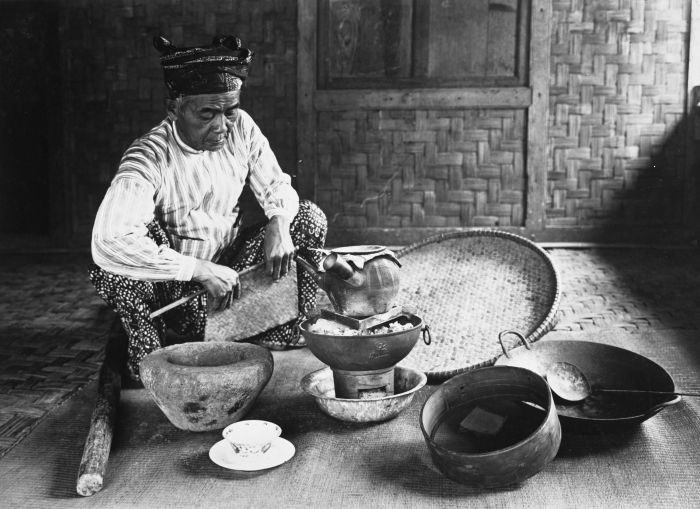 🇮🇩 Indonesia and 2 moreDukun
A traditional healer and spirit medium in Indonesian folk practiceTradition · Healing · Seeing and foretelling Living
🇮🇩 Indonesia and 2 moreDukun
A traditional healer and spirit medium in Indonesian folk practiceTradition · Healing · Seeing and foretelling Living
 🇮🇳 India and 5 moreSnake worship
Veneration of serpents as divine or ancestral beings across global culturesTradition · Protection · Healing Living
🇮🇳 India and 5 moreSnake worship
Veneration of serpents as divine or ancestral beings across global culturesTradition · Protection · Healing Living