
Karuppannaswamy
In its own language: கருப்பண்ணசாமி, കറുപ്പണ്ണസാമി
From Tamil and Malayalam words meaning "Black God" or "Black"
A fierce guardian deity worshipped as a village protector and ancestral enforcer of justice.
Karuppannaswamy is a guardian deity in the Dravidian folk religion, revered as a fierce protector and upholder of justice among rural communities in South India and the Caribbean. Believed to be a deified historical figure, he serves as both a village and ancestral god who offers counsel through trance oracles and demands offerings to maintain righteousness.
- Karuppannaswamy is a guardian deity in the Dravidian folk religion.
- Worshippers believe he was a historical figure who became deified.
- Oracles enter a trance state called Swami Adudhal to deliver counsel.
- Indo-Caribbean communities call him Sangani Baba.
- Offerings can include cigarettes, alcohol, and sacrifices of black animals.
What it is
Karuppannaswamy is a guardian deity within the Dravidian folk religion, functioning as a fierce protector and divine enforcer of righteousness. He is worshipped as a village deity and an ancestral god by agrarian communities in South India and the Indo-Caribbean diaspora. Devotees regard him as a powerful figure who maintains justice and offers protection to those who honor him.
Where it comes from
Adherents believe Karuppannaswamy was originally a historical person who fought to defend his people before becoming deified over time. His worship stems from ancient, clan-based systems rather than formal Vedic scriptures. The deity's many forms arise from oral traditions, village customs, and ritual practices passed down through generations.
How it is done
Worship follows non-Vedic patterns expressed through folk arts like song, dance, and storytelling. Priests from local lineages offer flowers and holy ash while acting as oracles. During festivals, chosen individuals enter a trance state called Swami Adudhal to channel the deity's advice. Devotees present offerings such as camphor, ghee, cigarettes, and alcohol, and in some regions, sacrifice black chickens or goats.
Tools and materials
Statues of the deity feature large eyes and hold weapons including the aruval, spear, mace, sword, and silver stick. He is associated with mounts like the horse and elephant. The color black represents his fierce and protective nature. Ritual tools include bows, arrows, and sickles depicted in temple iconography.
Karuppannaswamy, drawn and placed
- Living
- Revived
- Fading
- Historical
- Legendary
- Performed
- Lineage
- Dravidian folk religion
- Timing
- At annual festivals, spring assemblies, and weekly days like Tuesday and Friday
What it is for
The deity provides counsel, guidance, and protection against harm. Oracles use the trance state to resolve family disputes, financial troubles, and community issues. Devotees seek his blessings for prosperity and justice, fulfilling vows with offerings when wishes are granted.
Who does it
Local priests originate from lineages that initiated the tradition centuries ago and are typically non-Brahmanas. Oracles are nominated by clans and must maintain chastity and purity during their service. They undergo rituals to invite the deity's presence, serving as intermediaries between the god and the assembled devotees.
Peoples and places
Rural and agrarian populations in Tamil Nadu, Kerala, and Sri Lanka revere him as a guardian spirit. Indo-Caribbean communities in places like Guyana, Trinidad and Tobago, and Suriname know him as Sangani Baba. These groups blend Dravidian folk elements with local Hindu practices across the diaspora.
At a glance: who, where and when
Peoples
Belief worlds
Occasions


What people believe
The deity is viewed as a deified ancestor who enforces dharma and protects boundaries. Trance possession is considered a clear sign of his physical presence and blessing. His twenty-one forms represent different energies and duties, all stemming from the same divine guardian rather than separate gods.
When it is done
Annual festivals occur at times decided by village committees, often involving spring assemblies. Specific days for worship include Tuesdays, Wednesdays, Fridays, and Saturdays. Rituals involve hoisting flags and tying Kaappu marks, restricting movement during the festival period.
Compare and confuse
He is related to other regional deities such as Aiyanar, Ayyappan, Isakki, Kali, and Madurai Veeran. In the Caribbean, his identity as Sangani Baba parallels other Indo-Caribbean guardian figures.
Questions people ask about Karuppannaswamy
What is Karuppannaswamy?
He is a guardian deity in the Dravidian folk religion worshipped as a fierce protector and enforcer of justice.
Where is he worshipped?
He is revered in Tamil Nadu, Kerala, Sri Lanka, and among Indo-Caribbean communities in the Caribbean.
How do devotees communicate with him?
Through oracles who enter a trance state called Swami Adudhal to channel his messages and advice.
What does his name mean?
The name translates to "Black God" or "Black", reflecting his fierce and protective nature.
Good reading and sources
- Karuppannaswamy on WikipediaEncyclopedia
- More photos on Wikimedia CommonsPhotos and video
- Wikidata recordOpen data
The facts on this page come from the Wikipedia article "Karuppannaswamy", written by its contributors and used under the CC BY-SA 4.0 licence, and from its Wikidata record (CC0). EveryJaadu rewrote the text in its own words, with AI assistance, and compares every page with the article to make sure no passage is copied. It may be reused under the same CC BY-SA 4.0 licence with a link back.
It may contain mistakes. Names and customs differ from one community to the next, and some knowledge is closed to outsiders and left out here. This page describes belief and practice. It does not say that any of it works, it is not a how-to, and it is not medical advice. If something is wrong, tell us. Last refreshed 2026-10-14.
More from India
All the entries from India 🇮🇳 India and 5 morePretaप्रेत
A suffering spirit of insatiable hunger found in Asian religious traditionsBeing · Speaking with spirits and the dead Living
🇮🇳 India and 5 morePretaप्रेत
A suffering spirit of insatiable hunger found in Asian religious traditionsBeing · Speaking with spirits and the dead Living
 🇮🇳 IndiaParashuramaपरशुराम (Paraśurāma)
The warrior sage of Hinduism who wields a divine axe to restore cosmic balance.Being · Power and authority · Cursing and harm Legendary
🇮🇳 IndiaAlakshmiदेवी अलक्ष्मी
A Hindu goddess of misfortune and the shadow opposite to LakshmiBeing · Cursing and harm Living
🇮🇳 IndiaParashuramaपरशुराम (Paraśurāma)
The warrior sage of Hinduism who wields a divine axe to restore cosmic balance.Being · Power and authority · Cursing and harm Legendary
🇮🇳 IndiaAlakshmiदेवी अलक्ष्मी
A Hindu goddess of misfortune and the shadow opposite to LakshmiBeing · Cursing and harm Living
 🇮🇳 India and 1 moreLakshmiलक्ष्मी
A Hindu goddess of wealth, prosperity, and beauty, worshipped as the consort of Vishnu.Being · Luck and prosperity · Power and authority Living
🇮🇳 India and 1 moreLakshmiलक्ष्मी
A Hindu goddess of wealth, prosperity, and beauty, worshipped as the consort of Vishnu.Being · Luck and prosperity · Power and authority Living
Related elsewhere
All being 🇨🇦 CanadaMistapewmistâpêw (ᒥᐢᑖᐤ)
A spirit-being of the Cree peoples, known as the Great Man or Bigfoot.Being · Protection · Healing Living
🇨🇦 CanadaMistapewmistâpêw (ᒥᐢᑖᐤ)
A spirit-being of the Cree peoples, known as the Great Man or Bigfoot.Being · Protection · Healing Living
 🇮🇹 ItalyŚuri𐌑𐌖𐌛 (Etruscan)
An ancient Etruscan deity of volcanic fire, the underworld, and healingBeing · Protection · Healing Historical
🇮🇹 ItalyŚuri𐌑𐌖𐌛 (Etruscan)
An ancient Etruscan deity of volcanic fire, the underworld, and healingBeing · Protection · Healing Historical
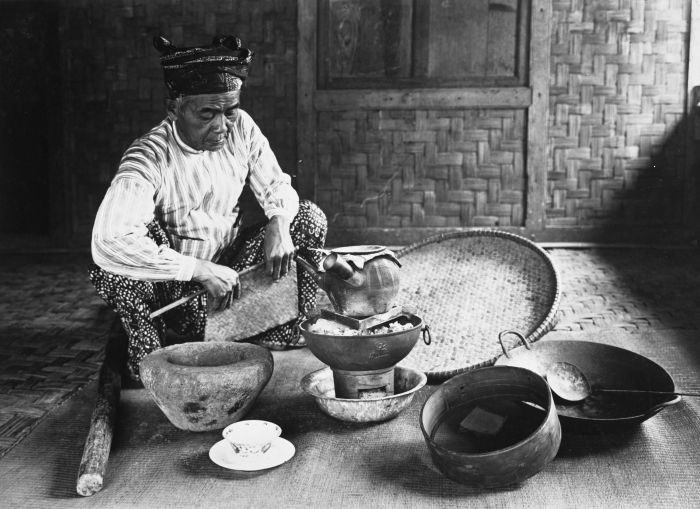 🇮🇩 Indonesia and 2 moreDukun
A traditional healer and spirit medium in Indonesian folk practiceTradition · Healing · Seeing and foretelling Living
🇮🇩 Indonesia and 2 moreDukun
A traditional healer and spirit medium in Indonesian folk practiceTradition · Healing · Seeing and foretelling Living
 🇮🇶 Iraq and 5 moreGrimoire
A textbook containing instructions for spells, rituals, and the creation of magical objects.Text · Protection · Healing Historical
🇮🇶 Iraq and 5 moreGrimoire
A textbook containing instructions for spells, rituals, and the creation of magical objects.Text · Protection · Healing Historical