
Surya
In its own language: सूर्य
from Sanskrit sūrya, meaning the sun
The sun as a Hindu deity and the source of light and knowledge
Surya is the solar deity in Hinduism, representing the physical sun and the divine force behind it. He serves as a central figure in Vedic hymns and later traditions, where he is worshipped for his role in dispelling darkness and granting spiritual insight.
- Surya is the Hindu solar deity and source of light
- He rides a chariot pulled by seven horses
- Sunday is named after him in the Hindu calendar
- He is part of the Navagraha planetary system
- His worship declined after the 13th century invasions
What it is
Surya stands as the personified sun within Hindu cosmology, bridging the gap between the celestial body and divine power. He is recognized as a Deva and a key member of the Adityas, a group of solar deities. In the Smarta tradition, he holds a place among the five primary gods worshipped in the Panchayatana puja ritual. This practice treats him as equivalent to other major deities, serving as a direct path to realizing Brahman, the ultimate reality. His presence extends beyond strict Hinduism, appearing in Buddhist and Jain art and literature as a respected solar figure.
Where it comes from
The earliest mentions of Surya appear in the Rigveda, where he is revered as the rising sun that dispels darkness and empowers life. The Vedas describe him variously as an inanimate object or a living deity born from sources like Aditi or the Adityas. Over time, different solar figures such as Savitr, Mitra, and Pushan merged into the single figure of Surya. By the era of the epics, these distinct names became synonymous with one another, creating a composite deity who embodied all aspects of sunlight and cosmic order.
How it is done
Worship of Surya involves visualizing the sun and reciting specific mantras to invoke its energy. Devotees often perform rituals during sunrise, facing east to greet the light. Iconography plays a vital role, with statues depicting Surya riding a chariot pulled by seven horses. These horses represent the days of the week and the colors of visible light. The charioteer Aruna guides the vehicle, while Surya holds symbols like a chakra or lotus. Meditation on the sun’s internal light is also practiced to achieve spiritual clarity and self-realization.
Tools and materials
Surya is associated with several symbolic tools and objects. He rides a chariot drawn by seven horses, each named after a meter of Sanskrit poetry. He carries a chakra, interpreted as the wheel of law, and sometimes a lotus flower. His iconography often includes two female figures flanking him, representing dawn goddesses or his consorts. Aniconic symbols like the swastika and ring-stones are also linked to his worship. Texts describe him wearing northern-style boots and crowns, reflecting ancient artistic influences from Central Asia and Greece.
Surya, drawn and placed
- Living
- Revived
- Fading
- Historical
- Legendary
- Performed
- Lineage
- Smarta tradition and Navagraha
- Timing
- during the day and at festivals
What it is for
Devotees seek Surya’s blessings for health, vitality, and protection from evil forces. He is viewed as the eye of the universe and the soul of all existence. In astrology, he rules over Sunday and the zodiac sign Leo, influencing personal horoscopes. Pilgrimages to sun temples and participation in festivals like Makar Sankranti are believed to bring prosperity and spiritual merit. The Gayatri Mantra, dedicated to Savitr, is chanted to illuminate the mind and guide the intellect toward truth and wisdom.
Who does it
Priests in Sun temples conduct daily pujas and special ceremonies during festivals. Scholars study the astronomical texts and mythological narratives associated with Surya. Historically, kings and warriors invoked his name for strength and victory. The worship of Surya was particularly strong in regions like Rajasthan, Gujarat, and Odisha. Although many temples declined after the 13th century due to invasions, priests and devotees continue to honor him in surviving sites and through personal meditation practices.
Peoples and places
Surya is primarily venerated by Hindus in India, especially in states like Maharashtra, Bihar, and Uttar Pradesh. His influence reaches into Southeast Asia, where temples in Indonesia and Cambodia depict him. Buddhists and Jains also incorporate his imagery into their artistic traditions, showing respect for his solar attributes. In Nepal, his image appears on monastery doors alongside the moon god. The deity’s widespread appeal reflects a shared cultural reverence for the sun across South and Southeast Asian communities.
At a glance: who, where and when
Belief worlds
Occasions


What people believe
He is seen as the embodiment of Brahman, the supreme being, in certain theological views. The sun’s daily journey across the sky symbolizes the cycle of birth, death, and rebirth. Meditating on Surya helps practitioners realize the Atman, or inner self, by turning inward away from external rituals. His light represents knowledge, truth, and the destruction of ignorance, making him a central figure in metaphysical discussions about the nature of reality.
When it is done
Sunday, known as Ravivara, is dedicated to Surya in the Hindu calendar. Major festivals celebrating him include Makar Sankranti, Pongal, Chhath Puja, and Ratha Saptami. These occasions often involve bathing in rivers, offering water to the sun, and preparing special foods. Pilgrimages to ancient sun temples are common during these times. The alignment of the sun with specific architectural features in temples marks significant astrological events, reinforcing the connection between celestial movements and religious observance.
How scholars and sceptics see it
Anthropologists and historians note that Surya’s worship declined significantly after the 13th century, likely due to the destruction of temples by invading forces. Scholars observe that his attributes were gradually absorbed into the worship of Vishnu and Shiva. Astronomical texts from the classical period used Surya’s position to calculate planetary motions and calendar systems. Researchers highlight the syncretic nature of his iconography, which blends Indian, Greek, and Persian artistic elements, reflecting the cultural exchanges along trade routes.
Cautions and what is closed
Many ancient Sun temples have been destroyed or repurposed, leaving only ruins in places like Bahraich and Konark. The decline of Surya worship meant that some traditional rituals and knowledge were lost or merged into other traditions. Modern devotees must rely on surviving texts and scattered temple practices to maintain the lineage. There is no widespread persecution today, but the historical suppression of Sun cults has left a fragmented legacy. Some sacred details of meditation and ritual remain closed to outsiders, preserved only within specific scholarly or priestly circles.
Compare and confuse
Surya is often confused with other solar deities like Helios in Greek mythology or Ra in Egyptian tradition, though they belong to distinct pantheons. Within Hinduism, he is sometimes conflated with Aditya or Vivasvat, which are earlier names for the same concept. His role as a judge of souls parallels aspects of Yama, but he remains distinct as the lord of light.
Law and persecution
There are no current laws restricting the worship of Surya in India. However, historical records indicate that temple properties were often seized or converted during periods of political upheaval. The government protects remaining heritage sites as archaeological monuments, ensuring their preservation for study and tourism. Legal disputes occasionally arise over land ownership near ancient temple complexes. No specific legislation governs the performance of Surya pujas, allowing devotees to practice freely within public and private spaces.
Today
Surya continues to be worshipped in parts of India, particularly in rural areas and specific temple towns. Diaspora communities maintain his veneration through home altars and online resources. Revival efforts focus on restoring damaged temples and publishing ancient astronomical texts. Commercialization of sun-related tourism has increased interest in sites like Konark and Modhera. While not as dominant as before, Surya remains a powerful symbol of light and knowledge in contemporary Hindu spirituality and academic study.
Days linked to Surya
Questions people ask about Surya
Who is Surya in Hinduism?
Surya is the personified sun and a major deity in Hinduism. He represents the physical sun and the divine power of light. Worshippers see him as a creator of the universe and a source of spiritual knowledge.
What does Surya ride?
Surya is depicted riding a golden chariot pulled by seven horses. The horses represent the seven colors of light and the seven days of the week. His charioteer is named Aruna, who guides the vehicle across the sky.
When is Surya worshipped?
Devotees often worship Surya at sunrise. Major festivals like Makar Sankranti and Pongal celebrate him. Sunday is also dedicated to his veneration in the Hindu calendar, with special prayers and offerings made to honor his light.
Why did Surya worship decline?
Historical records suggest that temple destruction during invasions in the 13th century led to a decline in Surya worship. Many temples were ruined or repurposed, causing the tradition to merge with the worship of Vishnu and Shiva.
Good reading and sources
- Surya on WikipediaEncyclopedia
- More photos on Wikimedia CommonsPhotos and video
- Wikidata recordOpen data
The facts on this page come from the Wikipedia article "Surya", written by its contributors and used under the CC BY-SA 4.0 licence, and from its Wikidata record (CC0). EveryJaadu rewrote the text in its own words, with AI assistance, and compares every page with the article to make sure no passage is copied. It may be reused under the same CC BY-SA 4.0 licence with a link back.
It may contain mistakes. Names and customs differ from one community to the next, and some knowledge is closed to outsiders and left out here. This page describes belief and practice. It does not say that any of it works, it is not a how-to, and it is not medical advice. If something is wrong, tell us. Last refreshed 2026-10-06.
More from India
All the entries from India 🇮🇳 India and 5 morePretaप्रेत
A suffering spirit of insatiable hunger found in Asian religious traditionsBeing · Speaking with spirits and the dead Living
🇮🇳 IndiaAlakshmiदेवी अलक्ष्मी
A Hindu goddess of misfortune and the shadow opposite to LakshmiBeing · Cursing and harm Living
🇮🇳 India and 5 morePretaप्रेत
A suffering spirit of insatiable hunger found in Asian religious traditionsBeing · Speaking with spirits and the dead Living
🇮🇳 IndiaAlakshmiदेवी अलक्ष्मी
A Hindu goddess of misfortune and the shadow opposite to LakshmiBeing · Cursing and harm Living
 🇮🇳 India and 1 moreLakshmiलक्ष्मी
A Hindu goddess of wealth, prosperity, and beauty, worshipped as the consort of Vishnu.Being · Luck and prosperity · Power and authority Living
🇮🇳 India and 1 moreLakshmiलक्ष्मी
A Hindu goddess of wealth, prosperity, and beauty, worshipped as the consort of Vishnu.Being · Luck and prosperity · Power and authority Living
 🇮🇳 IndiaKaliकाली
A fierce Hindu goddess of time and destruction, worshipped as a protective mother.Being · Protection · Cursing and harm Living
🇮🇳 IndiaKaliकाली
A fierce Hindu goddess of time and destruction, worshipped as a protective mother.Being · Protection · Cursing and harm Living
Related elsewhere
All being 🇮🇹 Italy and 3 moreRenaissance magic
A 15th and 16th century revival of magical arts blending philosophy, astrology, and hidden knowledge.Tradition · Power and authority · Seeing and foretelling Historical
🇮🇹 Italy and 3 moreRenaissance magic
A 15th and 16th century revival of magical arts blending philosophy, astrology, and hidden knowledge.Tradition · Power and authority · Seeing and foretelling Historical
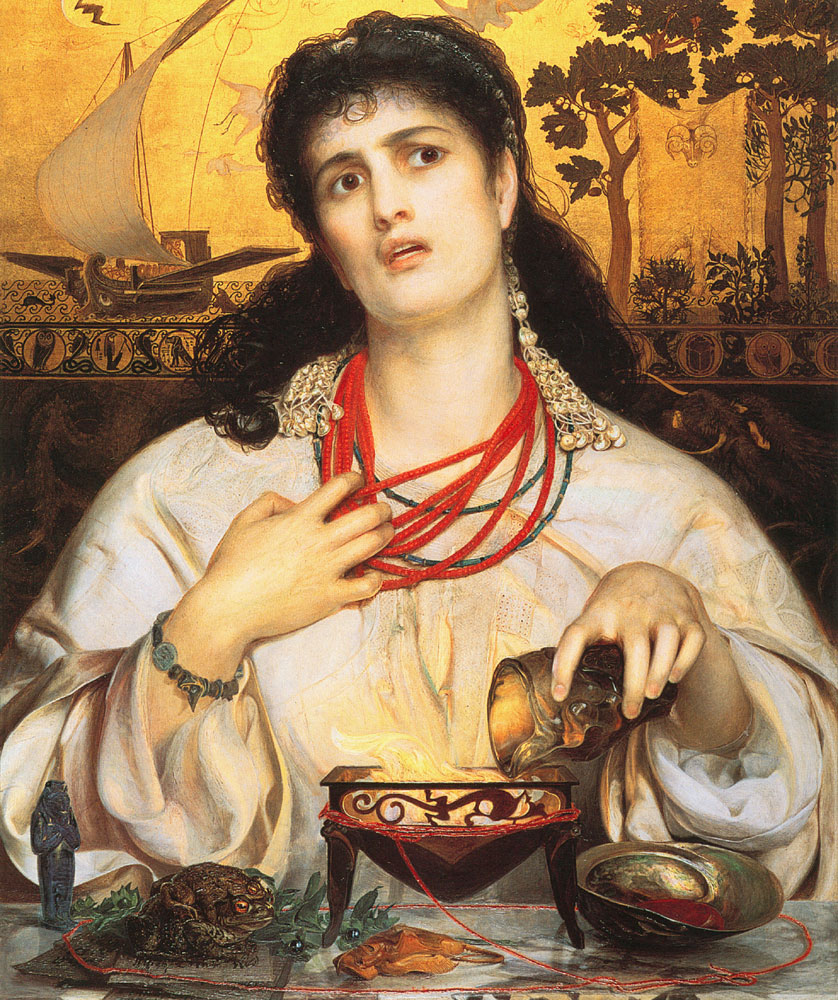 🇬🇷 GreeceMedeaΜήδεια
A sorceress and princess of Colchis who aids Jason and uses magic for revenge.Figure · Cursing and harm · Healing Legendary
🇬🇷 GreeceMedeaΜήδεια
A sorceress and princess of Colchis who aids Jason and uses magic for revenge.Figure · Cursing and harm · Healing Legendary
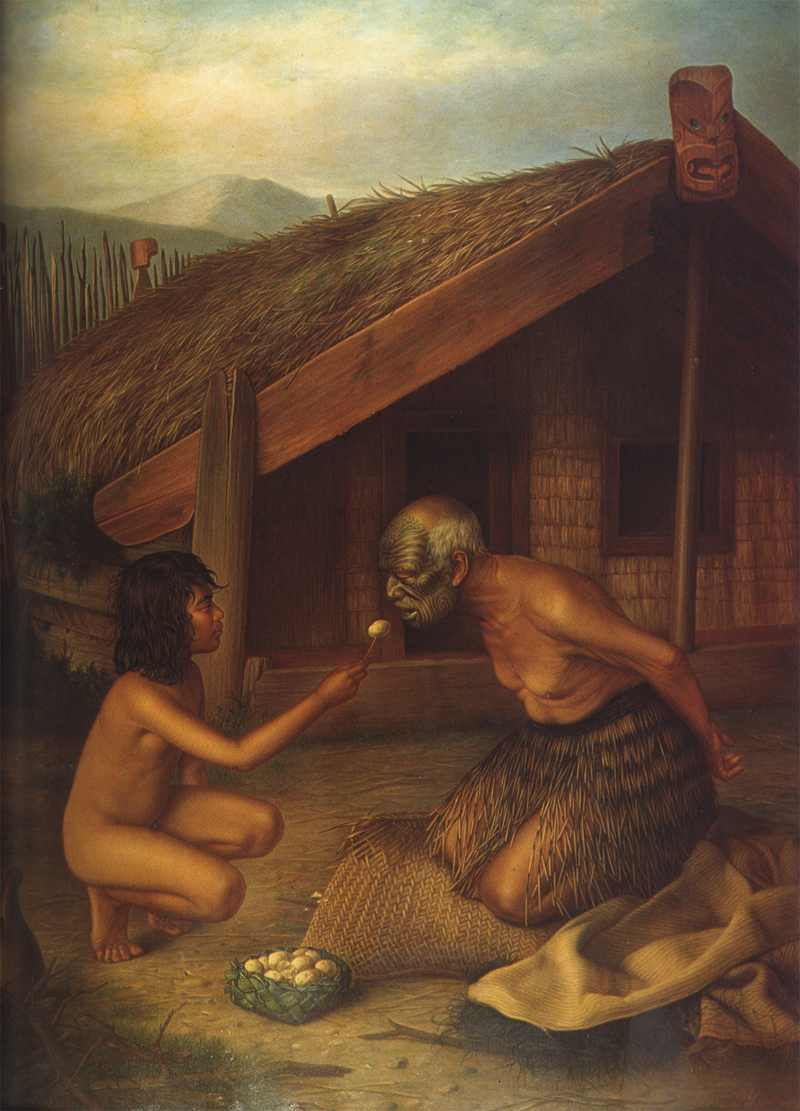 🇳🇿 New ZealandTohunga
A Māori expert practitioner of sacred or secular arts, from priests to carvers.Tradition · Healing · Seeing and foretelling Living
🇳🇿 New ZealandTohunga
A Māori expert practitioner of sacred or secular arts, from priests to carvers.Tradition · Healing · Seeing and foretelling Living
 🇮🇳 India and 5 moreAstrology
A divinatory practice that reads human fate through the positions of celestial bodies.Belief · Seeing and foretelling · Luck and prosperity Living
🇮🇳 India and 5 moreAstrology
A divinatory practice that reads human fate through the positions of celestial bodies.Belief · Seeing and foretelling · Luck and prosperity Living