Erzulie
In its own language: Èzili
A family of spirits in Haitian Vodou representing love, beauty, and protective fury.
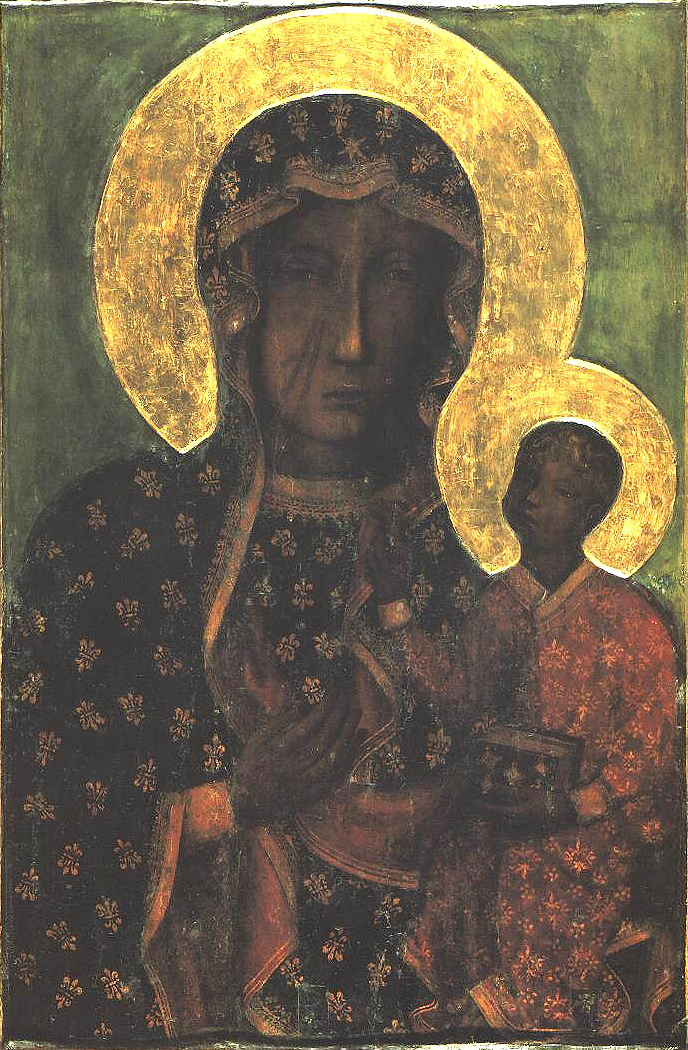
Erzulie is a group of loa in Haitian Vodou linked to femininity, water, and desire. The most prominent aspects are the gentle Erzulie Freda, who embodies romance and luxury, and the fierce Erzulie Dantor, who shields women and children from harm.
- Erzulie Freda wears three wedding rings symbolizing her husbands.
- Erzulie Dantor is depicted as a Black woman protecting children.
- Her colors include pink, blue, white, and gold.
- She is syncretized with Our Lady of Sorrows.
- Possession often involves crying tears of longing or anger.
What it is
Erzulie refers to a cluster of spirits within Haitian Vodou that personify feminine energy, fluidity, and romantic longing. Practitioners view these entities as central to understanding desire, maternal care, and emotional vulnerability. The family includes distinct personalities that respond to different human needs. Some aspects focus on glamour and affection, while others emphasize defense and justice. They are not singular deities but rather a spectrum of traits associated with womanhood and love. Followers interact with them through song, dance, and offerings during ceremonies.
Where it comes from
The Erzulie spirits originate from the religious traditions of Haiti, shaped by West African roots and local adaptations. The name appears in various spellings, including Èzili and Erzili. Their development reflects the blending of African spiritual concepts with Catholic imagery during the colonial period. Specific forms like Erzulie Freda and Erzulie Dantor emerged to address different social and emotional roles within the community. The lineage connects to broader Afro-Caribbean spiritual systems where female power is revered and feared.
How it is done
Devotees invite Erzulie into their bodies through rhythmic drumming and chanting. When possessed, the individual’s mannerisms shift to reflect the specific spirit present. Offerings such as jewelry, sweet cakes, or rum are placed on altars to honor them. Rituals often involve dancing and wearing colors associated with the loa. Participants may weep or laugh depending on the aspect being channeled. The ceremony serves as a bridge between the physical world and the spiritual realm.
Tools and materials
Altars display items that appeal to the spirits’ tastes. Pink ribbons, mirrors, and perfumes attract the gentle aspects. Red cloth, swords, and black pigs are offered to the fiercer sides. Heart-shaped medals symbolize romantic devotion. Flowers and liqueurs are common gifts. These objects help focus the energy of the ceremony and provide a tangible connection for the participants.
Erzulie, drawn and placed
- Living
- Revived
- Fading
- Historical
- Legendary
- Performed
- Lineage
- Haitian Vodou
- Timing
- during ritual possession and daily devotion
What it is for
People seek Erzulie for guidance in matters of the heart and protection for their families. The loving aspects are asked for help in finding partners or healing broken relationships. The protective sides are invoked to ward off enemies and ensure safety for children. Many believe she brings prosperity and joy to those who respect her. Others turn to her when facing betrayal or injustice, seeking balance and retribution.
Who does it
Both men and women can become vessels for Erzulie, though women are more commonly associated with her gentle forms. Effeminate men also frequently channel these spirits. Possession requires training in the rituals and songs of Vodou. Healers and priests guide the ceremonies, ensuring the spirit is welcomed safely. The experience is deeply personal, often revealing hidden emotions or truths about the participant’s life.
Peoples and places
Erzulie is primarily worshipped in Haiti, where she holds a central place in Vodou practice. Her influence extends to diaspora communities in Louisiana and other parts of the Caribbean. Different regions may emphasize specific aspects of the family based on local needs. In Haiti, she is integrated into daily life and major festivals. The syncretism with Catholic saints allows her worship to persist alongside Christian practices.
At a glance: who, where and when
Who does it
Peoples
Belief worlds
Occasions
What people believe
Vodou cosmology views Erzulie as a powerful force governing love and emotion. She is believed to have multiple husbands and complex relationships with other loa. Her tears represent the pain of unfulfilled desire or the sorrow of loss. The duality of her nature, gentle yet vengeful, reflects the complexity of human feelings. Spirits are seen as ancestors and guides who interact directly with the living.
When it is done
Ceremonies honoring Erzulie occur throughout the year, often aligned with Catholic feast days due to historical syncretism. Special attention is given during times of personal crisis or celebration. Festivals in Haiti feature processions and music dedicated to her. The timing of rituals depends on the needs of the community and the availability of key participants.
How scholars and sceptics see it
Anthropologists study Erzulie as a reflection of gender dynamics and colonial history. Researchers note how her dual nature challenges simple categorizations of good and evil. Psychologists interpret her possession states as expressions of subconscious desires. Critics sometimes misinterpret her worship as superstition, ignoring its cultural significance. Scholars emphasize her role in providing emotional support and social cohesion.
Cautions and what is closed
Possession can be intense and emotionally draining for participants. Improper handling of rituals may lead to psychological distress. Some aspects of Erzulie are associated with jealousy and revenge, which practitioners warn against provoking. Outsiders are generally not invited to participate in private ceremonies. Respect for the tradition and its boundaries is essential to avoid offense.
Compare and confuse
Erzulie is often compared to other goddesses of love and fertility worldwide. She shares traits with Yoruba deities like Oshun and Catholic figures like the Virgin Mary. Similar spirits exist in neighboring Caribbean traditions, reflecting shared African heritage. Unlike purely mythological figures, Erzulie is actively worshipped and engaged with in daily life.
Questions people ask about Erzulie
What is Erzulie?
Erzulie is a family of spirits in Haitian Vodou associated with love, beauty, and protection. They are believed to embody feminine energy and emotional depth.
Where does Erzulie come from?
She originates from Haitian Vodou, blending West African spiritual traditions with local adaptations and Catholic influences.
What are the main types of Erzulie?
The two primary aspects are Erzulie Freda, who represents romance and luxury, and Erzulie Dantor, who protects women and children.
How do people honor Erzulie?
Devotees offer jewelry, perfume, and flowers. They chant and dance during ceremonies to invite her presence.
Why is she important in Vodou?
She provides guidance on love, family, and justice. Her dual nature helps followers navigate complex emotional experiences.
Good reading and sources
The facts on this page come from the Wikipedia article "Erzulie", written by its contributors and used under the CC BY-SA 4.0 licence, and from its Wikidata record (CC0). EveryJaadu rewrote the text in its own words, with AI assistance, and compares every page with the article to make sure no passage is copied. It may be reused under the same CC BY-SA 4.0 licence with a link back.
It may contain mistakes. Names and customs differ from one community to the next, and some knowledge is closed to outsiders and left out here. This page describes belief and practice. It does not say that any of it works, it is not a how-to, and it is not medical advice. If something is wrong, tell us. Last refreshed 2026-10-05.
More from Haiti
All the entries from Haiti 🇭🇹 Haiti and 2 moreLwa
Spirits in Haitian Vodou that mediate between people and the creator god.Being · Protection · Healing Living
🇭🇹 Haiti and 2 moreLwa
Spirits in Haitian Vodou that mediate between people and the creator god.Being · Protection · Healing Living
 🇭🇹 Haiti and 1 moreEzili DantorÈzili Dantò
A fierce mother spirit in Haitian Vodou who protects the marginalized and demands loyalty.Being · Protection · Love and attraction Living
🇧🇯 Benin and 2 morePapa Legba
A loa who stands at the crossroads and opens the gate between people and spiritsBeing · Speaking with spirits and the dead · Power and authority Living
🇭🇹 Haiti and 1 moreEzili DantorÈzili Dantò
A fierce mother spirit in Haitian Vodou who protects the marginalized and demands loyalty.Being · Protection · Love and attraction Living
🇧🇯 Benin and 2 morePapa Legba
A loa who stands at the crossroads and opens the gate between people and spiritsBeing · Speaking with spirits and the dead · Power and authority Living
 🇭🇹 HaitiGedeGuédé
A family of spirits in Haitian Vodou who guard the dead and grant fertility.Being · Speaking with spirits and the dead · Protection Living
🇭🇹 HaitiGedeGuédé
A family of spirits in Haitian Vodou who guard the dead and grant fertility.Being · Speaking with spirits and the dead · Protection Living
Related elsewhere
All being 🇪🇬 Egypt and 5 moreTalisman
An object believed to channel specific forces for protection, healing, or influence.Charm · Protection · Healing Historical
🇪🇬 Egypt and 5 moreTalisman
An object believed to channel specific forces for protection, healing, or influence.Charm · Protection · Healing Historical
 🇺🇸 United States and 5 moreMojo bag
A cloth pouch holding charms for protection, luck, or love in the Hoodoo tradition.Charm · Protection · Healing Living
🇺🇸 United States and 5 moreMojo bag
A cloth pouch holding charms for protection, luck, or love in the Hoodoo tradition.Charm · Protection · Healing Living
 🇧🇪 Belgium and 2 moreHorseshoe
A metal shoe for a horse's hoof and a talisman of good fortuneCharm · Protection · Luck and prosperity Living
🇧🇪 Belgium and 2 moreHorseshoe
A metal shoe for a horse's hoof and a talisman of good fortuneCharm · Protection · Luck and prosperity Living
 🇪🇬 Egypt and 3 moreAmulet
A portable object worn or carried to ward off harm and invite fortuneCharm · Protection · Luck and prosperity Living
🇪🇬 Egypt and 3 moreAmulet
A portable object worn or carried to ward off harm and invite fortuneCharm · Protection · Luck and prosperity Living