All entries
2,844 entries so far, best known first. 1,901 more are on the list to be written. Narrow by region, kind, purpose, practitioner, belief world, occasion or how alive it is.
RegionSouth AsiaSoutheast AsiaEast AsiaCentral Asia and the CaucasusMiddle EastNorth AfricaSub-Saharan AfricaEuropeNorth AmericaLatin America and the CaribbeanOceania
PurposeProtectionHealingSeeing and foretellingLuck and prosperityLove and attractionCursing and harmCleansing and purificationSpeaking with spirits and the deadChange and initiationBinding and oathsPower and authorityWonder and entertainment
WhoShamansFolk healersPriests and ritual specialistsWitches, sorcerers and cunning folkDiviners and readersMediums and the possessedCeremonial magicians and alchemistsHouseholds and ordinary peopleStage magiciansScholars and sceptics
BeliefHindu and TantricBuddhistJainMuslim and SufiJewishChristianSikhZoroastrianShinto and TaoistIndigenous and shamanicAfrican and Afro-diasporicPagan and NeopaganEsoteric and occultFolk and village customSecular and stageOther traditions
 🇪🇬 Egypt and 5 moreAmulet
A portable object worn or carried to ward off harm and invite fortuneCharm · Protection · Luck and prosperity Living
 🇸🇾 Syria and 5 moreBaetyl
A sacred stone, often a meteorite, believed to house a deity in ancient Near Eastern and Mediterranean traditionsBelief · Speaking with spirits and the dead · Power and authority Historical
 🇳🇵 Nepal and 1 morePrayer flagLung ta
Cloth banners printed with mantras, hung in high places to spread blessings on the windCharm · Protection · Cleansing and purification Living
 🇮🇳 India and 5 moreCowrie
A sea snail shell used as currency, divination tool, and charm across many culturesSubstance · Seeing and foretelling · Luck and prosperity Living
 🇲🇳 Mongolia and 2 moreWind Horseརླུང་རྟ་
An East and Central Asian symbol of the soul, luck, and vital energyBeing · Luck and prosperity · Protection Living
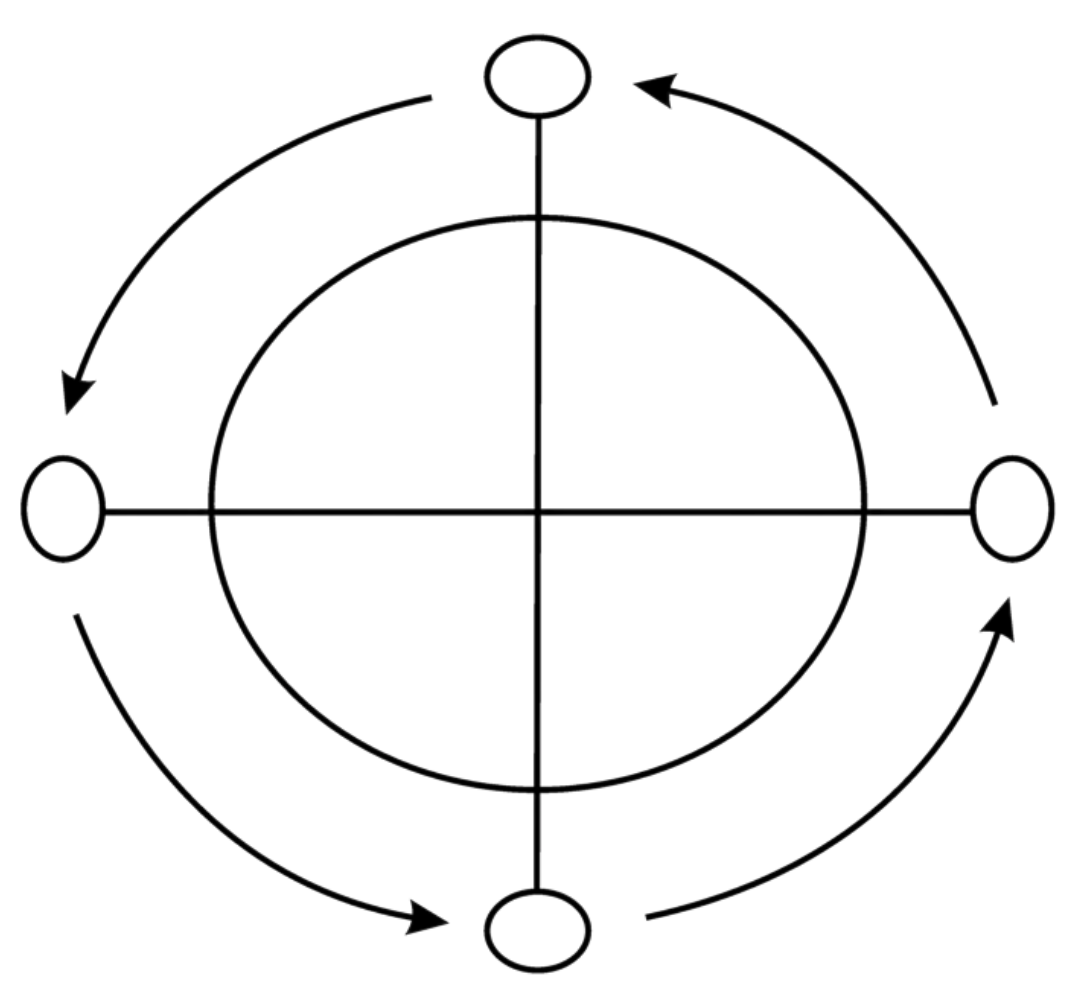 🇨🇬 Republic of the CongoNkisi
A Kongo spirit, and the object a spirit is held to live inBeing · Protection · Healing Living
 🇰🇭 Cambodia and 3 moreSak Yantសាក់យ័ន្ត
Sacred geometric tattoos from Southeast Asia believed to grant protection and powerTradition · Protection · Luck and prosperity Living
 🇪🇬 EgyptUshabtiwšbtj
Ancient Egyptian funerary figurines believed to work for the dead in the afterlifeCharm · Speaking with spirits and the dead Historical
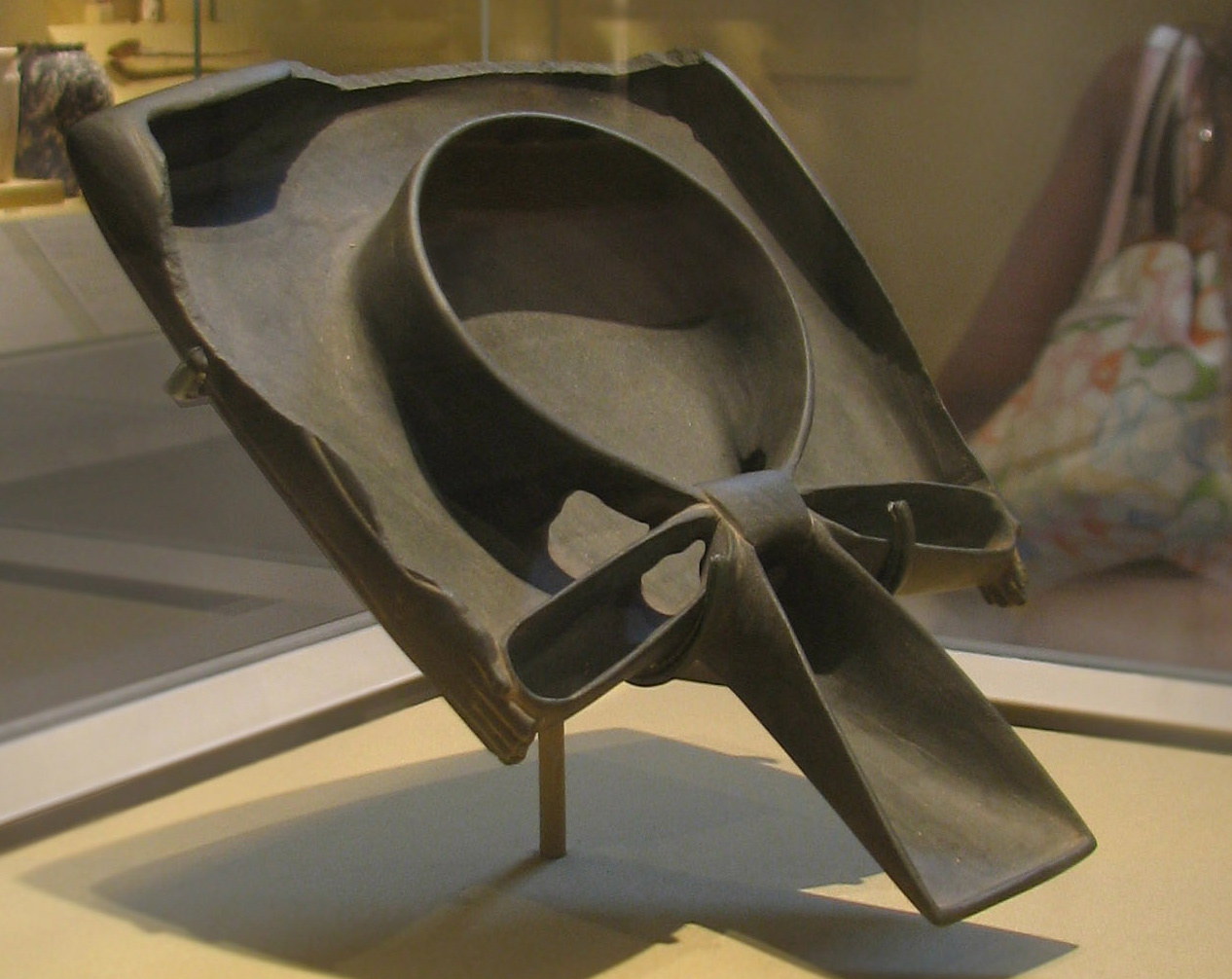 🇪🇬 Egypt and 2 moreAnkh
Ancient Egyptian hieroglyph for life and the amulet that carries its meaningCharm · Protection · Power and authority Historical
 🇳🇬 Nigeria and 2 moreOpon IfáỌpọ́n Ifá
A carved wooden tray used by Yoruba diviners to read signs and consult spirits.Charm · Seeing and foretelling · Speaking with spirits and the dead Living
 🇸🇳 Senegal and 5 morePentagramπεντάγραμμον
A five-pointed star figure used across history for protection, ritual, and cosmologyCharm · Protection · Binding and oaths Living
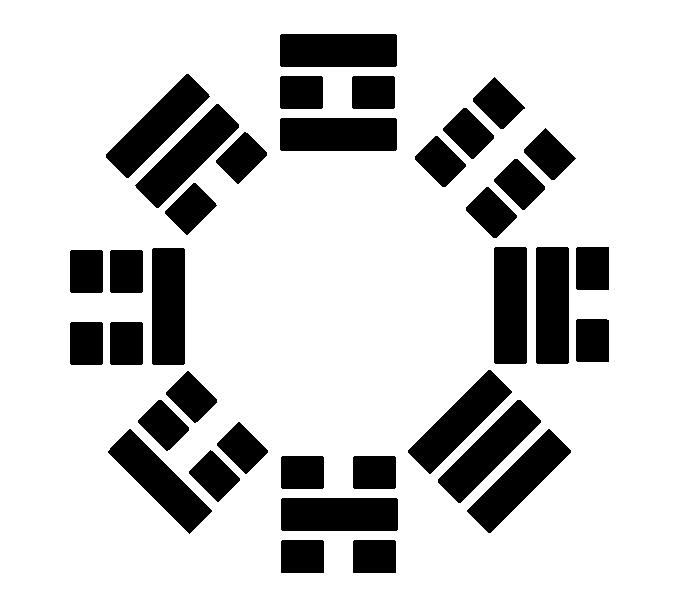 🇨🇳 China and 1 moreBagua八卦
A set of eight trigram symbols from China used in divination, philosophy, and feng shui.Tradition · Seeing and foretelling · Protection Living
 🇳🇿 New Zealand and 5 moreFace tattoo
Marks inked on the face for spiritual protection, identity, rank, and rite of passageTradition · Protection · Power and authority Living
 🇮🇳 India and 4 moreDzi beadགཟི། (gzi)
An agate amulet worn in the Himalayas for protection against the evil eye.Charm · Protection · Speaking with spirits and the dead Living
 🇲🇳 Mongolia and 1 moreOvooовоо
A stone or branch cairn used as a shrine and border marker in Mongolic folk religion.Tradition · Protection · Speaking with spirits and the dead Living
 🇪🇬 Egypt and 1 moreShen ring
An ancient Egyptian symbol of eternal protection, shaped like a rope looped around a stick.Charm · Protection Historical
 🇪🇬 Egypt and 1 moreEye of Horuswḏꜣt
A stylized eye symbol in ancient Egypt representing healing and cosmic orderCharm · Protection · Healing Historical
 🇨🇳 ChinaPig dragon玉豬龍
A coiled Neolithic jade amulet from Hongshan culture, possibly an early dragon imageCharm · Power and authority Historical
 🇳🇿 New ZealandHei matau
A stylized fish hook amulet symbolizing safe travel and prosperity in Māori cultureCharm · Luck and prosperity · Protection Living
🇪🇬 Egypt and 5 moreAmulet
A portable object worn or carried to ward off harm and invite protection.Charm · Protection · Healing Living
 🇪🇬 EgyptBirth tusk
Ivory rods inscribed with protective figures for childbirth and infant safety in ancient Egypt.Charm · Protection Historical
 🇨🇳 China and 1 moreTaoist coin charm道教品壓生錢
Chinese and Vietnamese numismatic charms used for protection and feng shuiCharm · Protection · Cursing and harm Historical
 🇪🇬 EgyptPlummet amulet
An Ancient Egyptian charm shaped like a plumb bob to ensure balance in the afterlifeCharm Historical
 🇫🇷 FranceCurse of Vibia
A damaged Oscan lead tablet invoking underworld forces against a named man and his kinCharm · Cursing and harm Historical
 🇮🇩 Indonesia and 1 moreSandung
A house-shaped ossuary for the bones of the deceased among Dayak peoples in Borneo.Charm · Speaking with spirits and the dead · Power and authority Living
🇰🇪 KenyaFingo
A protective talisman of the Mijikenda people in KenyaCharm · Protection Living
🇪🇬 EgyptWadj amulet
A papyrus-shaped charm for eternal youth in the afterlifeCharm · Healing · Luck and prosperity Historical
 🇪🇬 Egypt and 2 moreAnra scarab
Ancient Egyptian-style seals bearing an undeciphered glyph sequence found across the Levant and Egypt.Charm · Protection · Luck and prosperity Historical
🇮🇶 Iraq and 3 moreMandaic lead rolls
Lead sheets inscribed with Mandaic incantations, rolled and worn as protective talismans by Mandaeans.Charm · Protection Historical
 🇳🇿 New Zealand and 1 moreManaia
A composite guardian spirit in Māori art and beliefBeing · Protection · Speaking with spirits and the dead Living
 🇲🇳 Mongolia and 1 moreOngon
Ancestor spirits in Mongolian shamanism, represented by consecrated idols and talismansBeing · Protection · Speaking with spirits and the dead Living
 🇮🇱 IsraelAsherah pole
A wooden cult object linked to the goddess Asherah in ancient Canaan and IsraelCharm · Speaking with spirits and the dead Historical
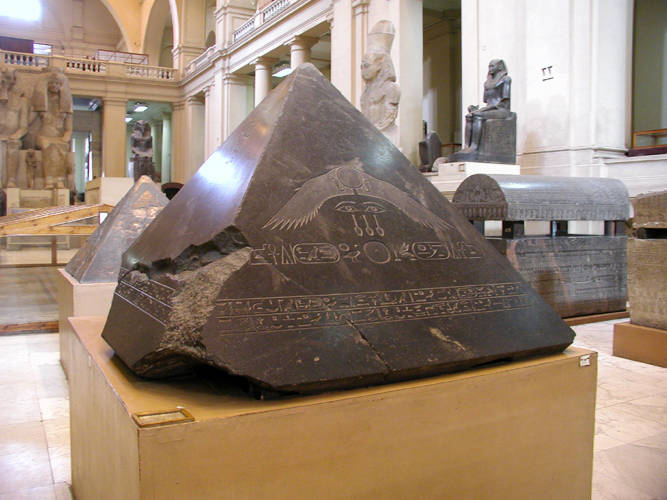 🇪🇬 EgyptBenben
The primeval mound of Egyptian creation myth and the stone cap of a pyramidBelief · Power and authority Historical
 🇹🇷 TurkeyHittite sun disk
An ancient Anatolian bronze symbol used in Hattian and Hittite religious ceremoniesCharm · Speaking with spirits and the dead · Power and authority Historical
 🇳🇿 New Zealand and 4 moreFeather cloak
A garment of feathers worn by royalty and gods across cultures to signal rank or enable flightCharm · Power and authority · Wonder and entertainment Historical
🇲🇱 MaliBoli
A charged fetish object of the Bambara people of MaliCharm · Cursing and harm · Seeing and foretelling Living
 🇪🇬 EgyptMenatmnj.t
A beaded necklace and rattle linked to Hathor for protection and luck in ancient EgyptCharm · Protection · Luck and prosperity Historical
 🇪🇬 EgyptUnlucky Mummy
A painted wooden coffin lid from ancient Egypt that became famous for myths of misfortune.Charm · Cursing and harm Historical
 🇬🇦 Gabon and 2 moreMbulu Ngulu
Wood and metal figures guarding ancestor relics in GabonCharm · Protection · Speaking with spirits and the dead Historical
 🇰🇷 South KoreaMengdu멩두
Brass ritual instruments central to Jeju Island shamanismCharm · Speaking with spirits and the dead · Power and authority Fading
 🇲🇽 Mexico and 4 moreMirrors in Mesoamerican culture
Reflective stones used for divination and elite status across ancient Mexico and Central AmericaCharm · Seeing and foretelling · Power and authority Historical
 🇦🇺 AustraliaTjurunga
Sacred objects of the Arrernte people, embodying ancestral power and clan identity.Charm · Power and authority · Speaking with spirits and the dead Historical
 🇮🇩 IndonesiaTaiganja
A bronze amulet of Central Sulawesi shaped like a keyhole, worn for status and protectionCharm · Protection · Luck and prosperity Living
 🇬🇱 Greenland and 1 moreTupilaqᑐᐱᓚᒃ
A carved monster from Inuit tradition, made to seek out and destroy an enemy.Being · Cursing and harm Living
 🇩🇴 Dominican Republic and 5 moreZemi
A Taíno deity or ancestral spirit housed in a carved object used for worship and protectionBeing · Protection · Healing Historical
🇺🇸 United StatesGoofer dust
A hoodoo powder used for hexes, protection and coercive love spells in the American South.Charm · Cursing and harm · Protection Historical
 🇮🇩 IndonesiaTunggal panaluan
A carved magic staff of the Batak shamans in North SumatraCharm · Protection · Cursing and harm Historical
 🇯🇵 JapanMagatama勾玉
A curved Japanese bead used as jewelry, status symbol, and sacred object in Shinto.Charm · Power and authority · Speaking with spirits and the dead Living
Photo credits on this page
The small pictures above come from Wikimedia Commons under free licences. Some are cropped to fit.
- Eye of Horus: Tangopaso, Public domain, source
- Anra scarab: Temerarius, CC BY-SA 4.0, source
- Hei matau: Skyring, CC BY-SA 4.0, source
- Simbi: MiddleOfAfrica, CC BY-SA 4.0, source
- Opon Ifá: Unknown author, CC BY 3.0, source
- Curse of Vibia: Franz Bücheler, Public domain, source
- Shen ring: Rama, CC BY-SA 3.0 fr, source
- Manaia: Sarang, Public domain, source
- Ongon: Vyacheslav Kirillin, CC BY-SA 4.0, source
- Pig dragon: Prof. Gary Lee Todd, CC BY-SA 4.0, source
- Plummet amulet: The Art Institute of Chicago, CC0, source
- Asherah pole: Oren Rozen, CC BY-SA 4.0, source
- Face tattoo: Gottfried Lindauer, Public domain, source
- Benben: Unknown author, Public domain, source
- Ovoo: Bouette ., CC BY-SA 3.0, source
- Hittite sun disk: Noumenon, CC BY-SA 3.0, source
- Feather cloak: Lusanaherandraton, CC BY-SA 4.0, source
- Prayer flag: Wotan, CC BY 2.5, source
- Cowrie: NOAA (Photo Collection of Dr. James P. McVey, NOAA Sea Grant Program), Public domain, source
- Amulet: Anonymous ( Egypt ) Unknown author, Public domain, source
- Wind Horse: Clemensmarabu, CC BY-SA 3.0, source
- Sak Yant: Mikhailovich, CC BY 3.0, source
- Ankh: Soutekh67, CC BY-SA 4.0, source
- Menat: Anagoria, CC BY 3.0, source
- Unlucky Mummy: amanderson2, CC BY 2.0, source
- Mbulu Ngulu: Sailko, CC BY 3.0, source
- Pentagram: Tomruen, Attribution, source
- Bagua: TarcísioTS at Portuguese Wikipedia, Public domain, source
- Mengdu: National Folk Museum of Korea, CC BY 4.0, source
- Mirrors in Mesoamerican culture: Vassil, CC0, source
- Taoist coin charm: Etnografiska Museet, CC BY 2.5, source
- Dzi bead: Benjwong, Public domain, source
- Tjurunga: No machine-readable author provided. Sepu~commonswiki assumed (based o, CC BY-SA 2.5, source
- Taiganja: sailko, CC BY-SA 3.0, source
- Tupilaq: Louis Chemnitz, CC BY-SA 4.0, source
- Zemi: Unknown author, CC0, source
- Tunggal panaluan: Tropenmuseum, CC BY-SA 3.0, source
- Magatama: Kakidai, CC BY-SA 3.0, source
- Birth tusk: Anonymous ( Egypt ) Unknown author, Public domain, source
- Sandung: Wibowo Djatmiko ( Wie146 ), CC BY-SA 3.0, source
- Ushabti: Unknown author, CC0, source
- Baetyl: Jusepe de Ribera, Public domain, source