Protection
Warding off the evil eye, spirits, illness and bad luck: amulets, wards and thresholds.
Protection is the most widespread aim of magic. People hang, wear, bury, burn and recite things to keep out the evil eye, harmful spirits, illness and bad luck. The blue nazar, the hamsa, the horseshoe, the red thread, the Japanese omamori and the Ethiopian protective scroll all serve it. This page covers what is guarded, who is thought to need guarding, and how different societies see the practice. It is a good place to start with the subject.
What is guarded
The most guarded are the vulnerable and the valued: newborns, brides, pregnant women, livestock, new houses and travellers. Doorways, windows and crossroads get special care, since they are where inside meets outside. Practices include hanging a lemon and chillies in India, a horseshoe in Britain and Ireland, an eye-bead in Turkey, a mezuzah on Jewish doorposts and a spirit house in Thailand. Beyond doors, people protect journeys, wells, boats and herds, and the guarded thing is usually whatever the family can least afford to lose.
Against what
The danger named varies. In the Middle East and Mediterranean it is the evil eye, a harm said to come from envy or praise. In sub-Saharan Africa it is often witchcraft or a rival's sorcery. In Europe it was witches, fairies and the devil, and in East Asia hungry ghosts and ill-fortune. Protective practice therefore tells a researcher what a community fears and who it suspects. Some marks are drawn in chalk, paint or henna and renewed each year, and others are made once and left to fade.
Faith and the objects
Religions deal with protective objects in different ways. Many Muslim scholars accept verses of the Quran recited for protection and disapprove of beads or knots believed to work by themselves. Catholic Christians use blessed medals, holy water and the sign of the cross. Sikhism rejects talismans, while Buddhist monks bless protective threads and tattoos in Thailand and Cambodia. Official teaching often differs from practice in the village, where one household may wear a charm quietly and say a prayer at the same time.
Scholars and the market
Psychologists suggest protective objects ease anxiety and give a sense of control. Sceptics note that no test has shown them to prevent harm. Commerce is large: charms are mass-produced, and some sellers charge heavily for items promised to ward off disaster. Anyone in real danger or illness should turn to practical help first. Believers usually say the protection is a matter of trust and care, and many say the object matters less than the intention and the community that stands behind it.
Protection on EveryJaadu
The entries written up so far, best known first.
 🇮🇳 India and 5 moreSnake worship
Veneration of serpents as divine or ancestral beings across global culturesTradition · Protection · Healing Living
🇮🇳 India and 5 moreSnake worship
Veneration of serpents as divine or ancestral beings across global culturesTradition · Protection · Healing Living
 🇫🇷 France and 5 moreYule log
A large wooden log burned in the hearth during winter festivals across Europe and North America.Tradition · Protection · Luck and prosperity Living
🇫🇷 France and 5 moreYule log
A large wooden log burned in the hearth during winter festivals across Europe and North America.Tradition · Protection · Luck and prosperity Living
 🇸🇳 Senegal and 1 moreSerer religionA ƭat Roog
The traditional faith of the Serer people, centred on the supreme deity Roog and ancestral veneration.Tradition · Protection · Speaking with spirits and the dead Living
🇸🇳 Senegal and 1 moreSerer religionA ƭat Roog
The traditional faith of the Serer people, centred on the supreme deity Roog and ancestral veneration.Tradition · Protection · Speaking with spirits and the dead Living
 🇮🇳 IndiaAkshaya Tritiyaअक्षय तृतीया
A Hindu and Jain spring festival marking a day of inexhaustible merit and new beginnings.Tradition · Luck and prosperity · Protection Living
🇮🇳 IndiaAkshaya Tritiyaअक्षय तृतीया
A Hindu and Jain spring festival marking a day of inexhaustible merit and new beginnings.Tradition · Luck and prosperity · Protection Living
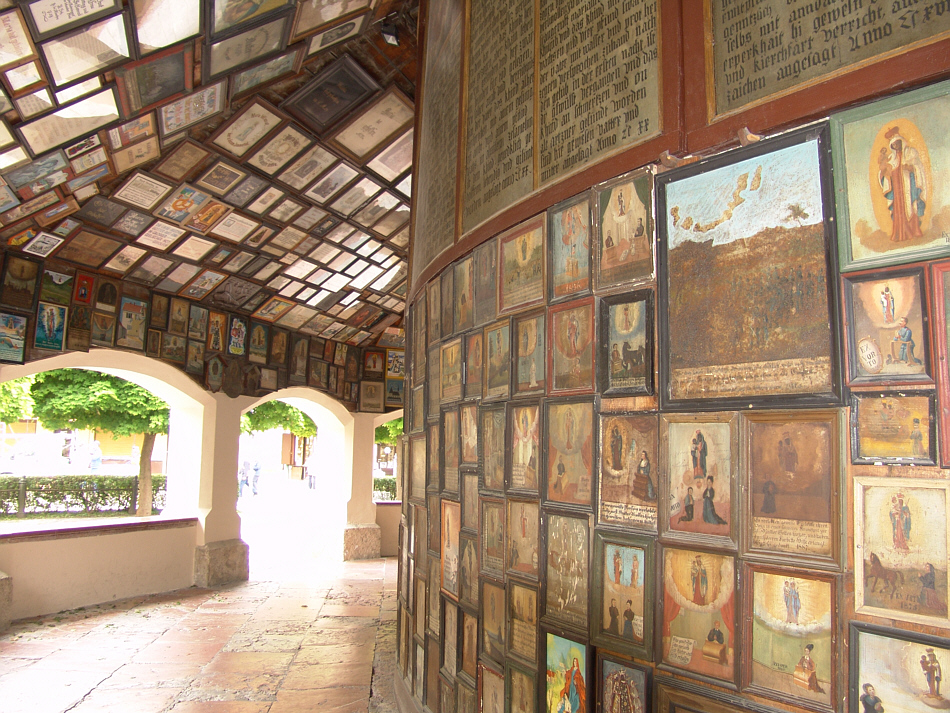 🇬🇷 Greece and 5 moreVotive offering
Objects left in sacred places to honor a deity or fulfill a vow, never to be recovered.Tradition · Protection · Healing Living
🇬🇷 Greece and 5 moreVotive offering
Objects left in sacred places to honor a deity or fulfill a vow, never to be recovered.Tradition · Protection · Healing Living
 🇳🇬 NigeriaOsun-Osogbo Sacred GroveOsun-Osogbo
A sacred forest in Nigeria dedicated to the river goddess Osun, celebrated with an annual festival.Tradition · Speaking with spirits and the dead · Protection Living
🇳🇬 NigeriaOsun-Osogbo Sacred GroveOsun-Osogbo
A sacred forest in Nigeria dedicated to the river goddess Osun, celebrated with an annual festival.Tradition · Speaking with spirits and the dead · Protection Living
 🇲🇽 MexicoAztec religion
The polytheistic and monistic belief system of the Aztec Empire in central MexicoTradition · Protection · Luck and prosperity Historical
🇲🇽 MexicoAztec religion
The polytheistic and monistic belief system of the Aztec Empire in central MexicoTradition · Protection · Luck and prosperity Historical
 🇨🇳 China and 5 moreQingming Festival清明节
A spring day for sweeping graves, feeding the dead and honouring ancestorsTradition · Speaking with spirits and the dead · Protection Living
🇨🇳 China and 5 moreQingming Festival清明节
A spring day for sweeping graves, feeding the dead and honouring ancestorsTradition · Speaking with spirits and the dead · Protection Living
 🇮🇪 Ireland and 4 moreMay Day
A European spring festival marking the start of summer with flowers, poles and fire.Tradition · Protection · Luck and prosperity Living
🇮🇪 Ireland and 4 moreMay Day
A European spring festival marking the start of summer with flowers, poles and fire.Tradition · Protection · Luck and prosperity Living
 🇷🇺 Russia and 4 moreFolk Orthodoxyнародное православие
A blend of Eastern Orthodox doctrine and pre-Christian pagan beliefs in Slavic communitiesTradition · Protection · Luck and prosperity Living
🇷🇺 Russia and 4 moreFolk Orthodoxyнародное православие
A blend of Eastern Orthodox doctrine and pre-Christian pagan beliefs in Slavic communitiesTradition · Protection · Luck and prosperity Living
 🇸🇪 Sweden and 2 moreDísdísir
Female spirits of fate and protection in Norse traditionBeing · Protection · Luck and prosperity Historical
🇸🇪 Sweden and 2 moreDísdísir
Female spirits of fate and protection in Norse traditionBeing · Protection · Luck and prosperity Historical
 🇧🇴 BoliviaThe Witches' MarketMercado de las Brujas
A La Paz market where Aymara women and yatiri sell ritual items for Pachamama offeringsTradition · Luck and prosperity · Protection Living
🇧🇴 BoliviaThe Witches' MarketMercado de las Brujas
A La Paz market where Aymara women and yatiri sell ritual items for Pachamama offeringsTradition · Luck and prosperity · Protection Living
 🇹🇹 Trinidad and Tobago and 5 moreSpiritual Baptist
An Afro-Caribbean Christian faith blending African traditions with Baptist worshipTradition · Speaking with spirits and the dead · Protection Living
🇹🇹 Trinidad and Tobago and 5 moreSpiritual Baptist
An Afro-Caribbean Christian faith blending African traditions with Baptist worshipTradition · Speaking with spirits and the dead · Protection Living
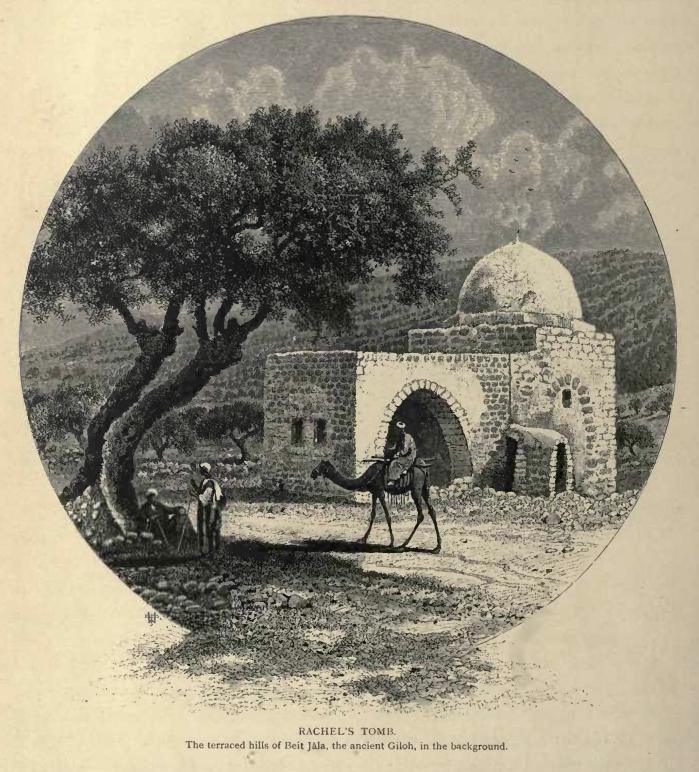 🇵🇸 Palestine and 1 moreRachel's TombQever Raḥel; Qabr Rāḥīl
A shared holy site near Bethlehem revered by Jews, Christians, and MuslimsTradition · Speaking with spirits and the dead · Protection Living
🇵🇸 Palestine and 1 moreRachel's TombQever Raḥel; Qabr Rāḥīl
A shared holy site near Bethlehem revered by Jews, Christians, and MuslimsTradition · Speaking with spirits and the dead · Protection Living
 🇮🇳 IndiaMahakaleshwar JyotirlingaMahākāleśvara
A sacred Shiva shrine in Ujjain, India, known for its south-facing idol and ancient origins.Tradition · Protection · Power and authority Living
🇮🇳 IndiaMahakaleshwar JyotirlingaMahākāleśvara
A sacred Shiva shrine in Ujjain, India, known for its south-facing idol and ancient origins.Tradition · Protection · Power and authority Living
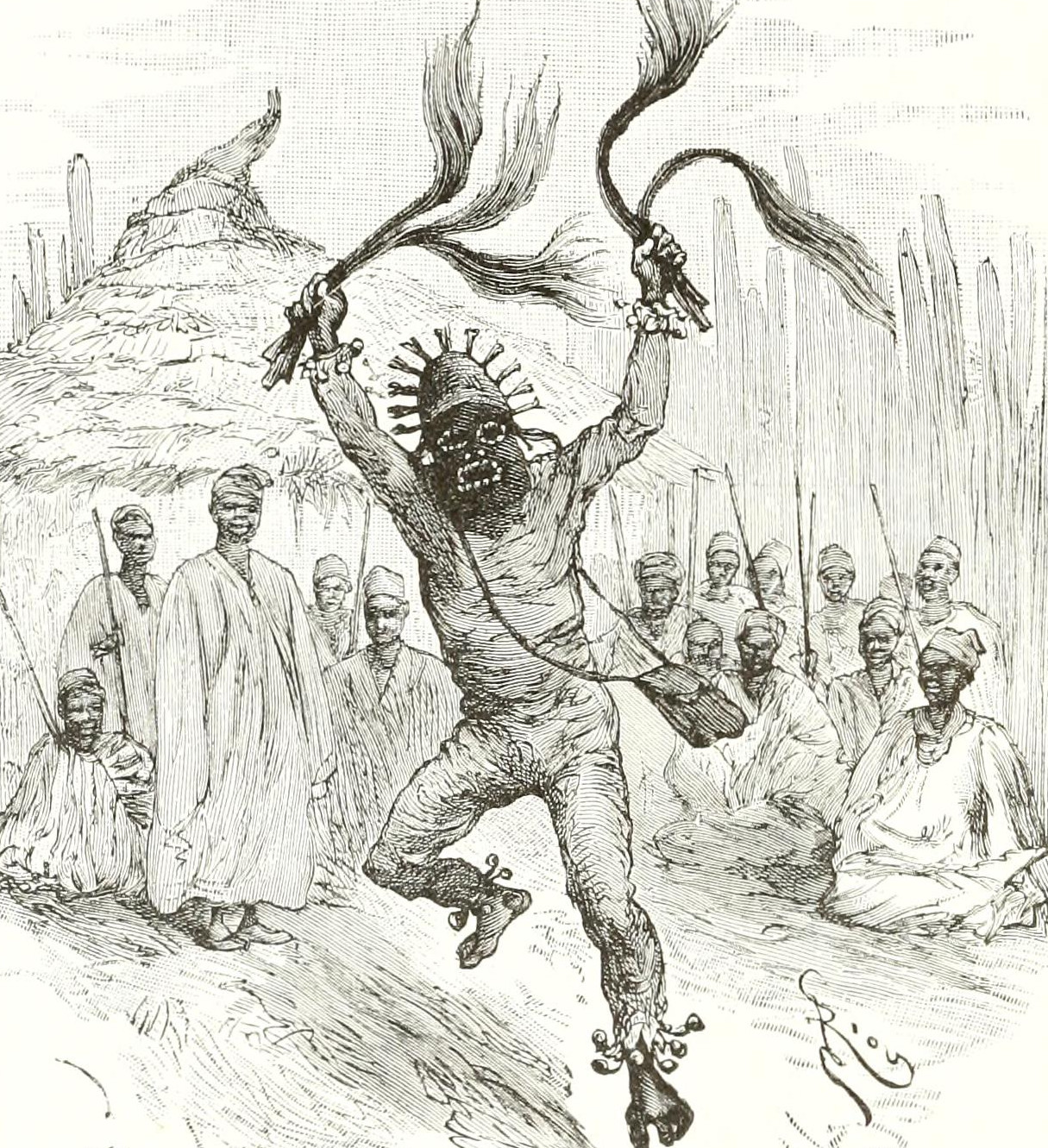 🇺🇸 United States and 2 moreLouisiana Voodoo
An African diasporic religion practiced in Louisiana from the 18th to early 20th centuriesTradition · Healing · Protection Historical
🇺🇸 United States and 2 moreLouisiana Voodoo
An African diasporic religion practiced in Louisiana from the 18th to early 20th centuriesTradition · Healing · Protection Historical
 🇮🇳 IndiaKavu
Sacred forest patches in South India that protect local deities and wildlifeTradition · Protection · Speaking with spirits and the dead Living
🇮🇳 IndiaKavu
Sacred forest patches in South India that protect local deities and wildlifeTradition · Protection · Speaking with spirits and the dead Living
 🇯🇵 JapanShinto shrine神社 (jinja)
A structure housing kami deities within the Shinto tradition of JapanTradition · Protection · Speaking with spirits and the dead Living
🇯🇵 JapanShinto shrine神社 (jinja)
A structure housing kami deities within the Shinto tradition of JapanTradition · Protection · Speaking with spirits and the dead Living
 🇲🇳 Mongolia and 1 moreOvooовоо
A stone or branch cairn used as a shrine and boundary marker in Mongolic folk practice.Tradition · Protection · Speaking with spirits and the dead Living
🇲🇳 Mongolia and 1 moreOvooовоо
A stone or branch cairn used as a shrine and boundary marker in Mongolic folk practice.Tradition · Protection · Speaking with spirits and the dead Living
 🇮🇳 IndiaSarnaism
A tribal faith centered on nature worship and sacred groves in eastern IndiaTradition · Protection · Speaking with spirits and the dead Living
🇮🇳 IndiaSarnaism
A tribal faith centered on nature worship and sacred groves in eastern IndiaTradition · Protection · Speaking with spirits and the dead Living
 🇮🇳 India and 5 moreAncestor worship
Rites of respect for the dead that maintain family bonds and seek spiritual guidanceTradition · Protection · Speaking with spirits and the dead Living
🇿🇦 South Africa and 1 moreRain Queen
A hereditary queen of the Balobedu people believed to control rainfall in South AfricaTradition · Protection · Power and authority Living
🇮🇳 India and 5 moreAncestor worship
Rites of respect for the dead that maintain family bonds and seek spiritual guidanceTradition · Protection · Speaking with spirits and the dead Living
🇿🇦 South Africa and 1 moreRain Queen
A hereditary queen of the Balobedu people believed to control rainfall in South AfricaTradition · Protection · Power and authority Living
 🇸🇪 Sweden and 5 moreMidsummerJāņi; Joninės; Jaanipäev; Enyovden; Litha; Juhannus
A summer solstice festival marked by bonfires, maypole dancing, and feasting across Europe.Tradition · Protection · Luck and prosperity Living
🇸🇪 Sweden and 5 moreMidsummerJāņi; Joninės; Jaanipäev; Enyovden; Litha; Juhannus
A summer solstice festival marked by bonfires, maypole dancing, and feasting across Europe.Tradition · Protection · Luck and prosperity Living
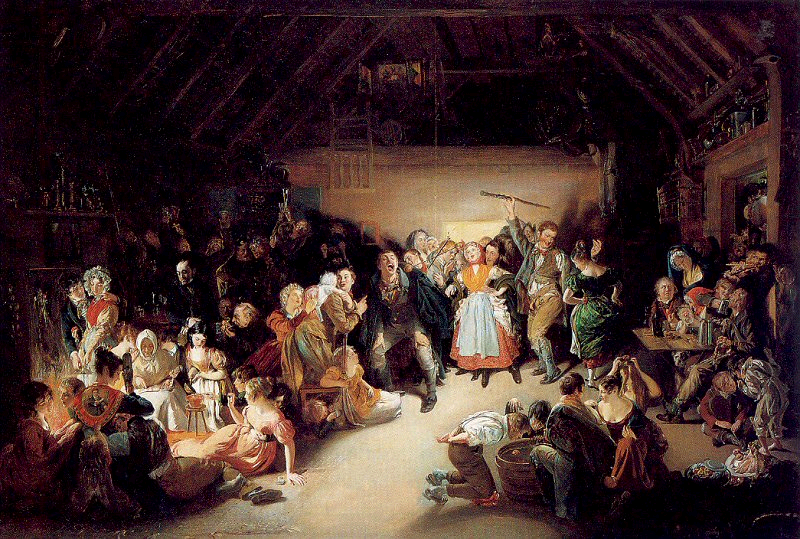 🇮🇪 Ireland and 1 moreSamhain
A Gaelic festival marking the end of harvest and the start of winter, observed on November 1st.Tradition · Protection · Speaking with spirits and the dead Living
🇮🇪 Ireland and 1 moreSamhain
A Gaelic festival marking the end of harvest and the start of winter, observed on November 1st.Tradition · Protection · Speaking with spirits and the dead Living
 🇮🇳 India and 1 moreDiyaदीया
A small oil lamp used in prayers and festivals across the Indian subcontinentTradition · Protection · Luck and prosperity Living
🇮🇳 India and 1 moreDiyaदीया
A small oil lamp used in prayers and festivals across the Indian subcontinentTradition · Protection · Luck and prosperity Living
 🇮🇳 India and 2 moreDurga Pujaদুর্গাপূজা
A ten-day autumn festival honouring the goddess Durga and her victory over evil.Tradition · Protection · Luck and prosperity Living
🇮🇳 India and 2 moreDurga Pujaদুর্গাপূজা
A ten-day autumn festival honouring the goddess Durga and her victory over evil.Tradition · Protection · Luck and prosperity Living
 🇮🇷 Iran and 3 moreIranian folkloreفولکلور ایرانی
The oral legends, heroes, and spirits of Greater IranTradition · Protection · Seeing and foretelling Living
🇮🇷 Iran and 3 moreIranian folkloreفولکلور ایرانی
The oral legends, heroes, and spirits of Greater IranTradition · Protection · Seeing and foretelling Living
 🇬🇹 GuatemalaMaximónRi Laj Mam
A Maya folk saint and trickster deity venerated in the Guatemalan HighlandsBeing · Protection · Healing Living
🇬🇹 GuatemalaMaximónRi Laj Mam
A Maya folk saint and trickster deity venerated in the Guatemalan HighlandsBeing · Protection · Healing Living
 🇺🇸 United StatesHopi mythology
The creation stories and spirit traditions of the Hopi people of the American SouthwestTradition · Speaking with spirits and the dead · Protection Living
🇺🇸 United StatesHopi mythology
The creation stories and spirit traditions of the Hopi people of the American SouthwestTradition · Speaking with spirits and the dead · Protection Living
 🇨🇿 Czech RepublicCzech folklore
The folk traditions of the Czech people, from seasonal rites to music and craft.Tradition · Protection · Luck and prosperity Living
🇨🇿 Czech RepublicCzech folklore
The folk traditions of the Czech people, from seasonal rites to music and craft.Tradition · Protection · Luck and prosperity Living
 🇮🇪 Ireland and 4 moreWinter solstice
The shortest day and longest night of the year, marked by rites of solar returnTradition · Seeing and foretelling · Protection Living
🇮🇪 Ireland and 4 moreWinter solstice
The shortest day and longest night of the year, marked by rites of solar returnTradition · Seeing and foretelling · Protection Living
 🇬🇧 United KingdomWassail
A hot spiced drink and the twelfth-night customs of singing to trees or visiting homes for giftsTradition · Luck and prosperity · Protection Living
🇬🇧 United KingdomWassail
A hot spiced drink and the twelfth-night customs of singing to trees or visiting homes for giftsTradition · Luck and prosperity · Protection Living
 🇯🇵 JapanKagura神楽
A Shinto ritual dance where performers embody deities to purify and welcome spiritsTradition · Protection · Speaking with spirits and the dead Living
🇯🇵 JapanKagura神楽
A Shinto ritual dance where performers embody deities to purify and welcome spiritsTradition · Protection · Speaking with spirits and the dead Living
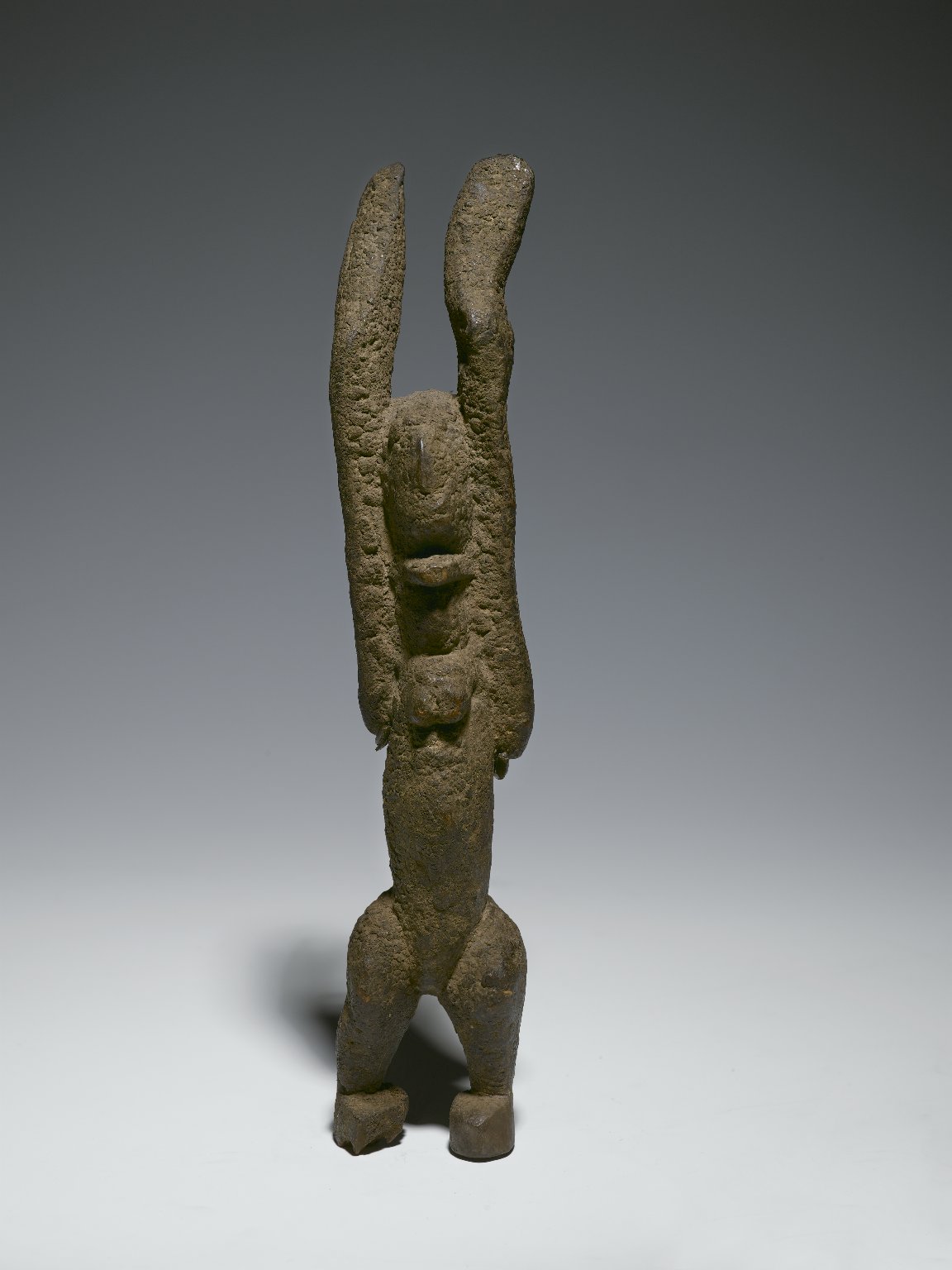 🇲🇱 MaliDogon religion
The traditional spiritual beliefs of the Dogon people of MaliTradition · Protection · Speaking with spirits and the dead Living
🇲🇱 MaliDogon religion
The traditional spiritual beliefs of the Dogon people of MaliTradition · Protection · Speaking with spirits and the dead Living
 🇻🇺 Vanuatu and 5 moreKava culture
A shared ritual across Oceania where a root brew marks ceremony, respect, and social gathering.Tradition · Speaking with spirits and the dead · Luck and prosperity Living
🇻🇺 Vanuatu and 5 moreKava culture
A shared ritual across Oceania where a root brew marks ceremony, respect, and social gathering.Tradition · Speaking with spirits and the dead · Luck and prosperity Living
 🇨🇳 China and 1 moreAncestor veneration in China中國傳統宗法性宗教
Rites for dead kin who are thought to watch over the familyTradition · Protection · Speaking with spirits and the dead Living
🇨🇳 China and 1 moreAncestor veneration in China中國傳統宗法性宗教
Rites for dead kin who are thought to watch over the familyTradition · Protection · Speaking with spirits and the dead Living
 🇮🇳 India and 3 moreMaha Shivaratriमहाशिवरात्रि
A Hindu night of fasting and vigil dedicated to the deity ShivaTradition · Protection · Speaking with spirits and the dead Living
🇮🇳 India and 3 moreMaha Shivaratriमहाशिवरात्रि
A Hindu night of fasting and vigil dedicated to the deity ShivaTradition · Protection · Speaking with spirits and the dead Living
 🇵🇪 Peru and 1 moreQuyllurit'iQoyllur Rit'i
A syncretic Andean pilgrimage celebrating the Pleiades and the Lord of Star SnowTradition · Protection · Healing Living
🇵🇪 Peru and 1 moreQuyllurit'iQoyllur Rit'i
A syncretic Andean pilgrimage celebrating the Pleiades and the Lord of Star SnowTradition · Protection · Healing Living
 🇲🇲 MyanmarNatနတ်
Spirits venerated in Myanmar alongside Buddhism, including deified humans and nature guardians.Tradition · Protection · Speaking with spirits and the dead Living
🇲🇲 MyanmarNatနတ်
Spirits venerated in Myanmar alongside Buddhism, including deified humans and nature guardians.Tradition · Protection · Speaking with spirits and the dead Living
 🇲🇽 Mexico and 5 moreFolk Catholicism
Local religious customs that blend official Church teaching with indigenous or regional traditions.Tradition · Protection · Healing Living
🇲🇽 Mexico and 5 moreFolk Catholicism
Local religious customs that blend official Church teaching with indigenous or regional traditions.Tradition · Protection · Healing Living
 🇦🇷 Argentina and 2 moreSan La Muerte
A skeletal folk saint venerated in South America for protection and favorsTradition · Protection · Healing Living
🇳🇿 New ZealandKarakia
Māori recitations used for spiritual guidance, protection, and formal greetingsTradition · Protection · Speaking with spirits and the dead Living
🇦🇷 Argentina and 2 moreSan La Muerte
A skeletal folk saint venerated in South America for protection and favorsTradition · Protection · Healing Living
🇳🇿 New ZealandKarakia
Māori recitations used for spiritual guidance, protection, and formal greetingsTradition · Protection · Speaking with spirits and the dead Living
 🇮🇳 India and 1 moreRangoliरंगोली
Floor art made with coloured powders and flowers to welcome guests and deitiesTradition · Protection · Luck and prosperity Living
🇮🇳 India and 1 moreRangoliरंगोली
Floor art made with coloured powders and flowers to welcome guests and deitiesTradition · Protection · Luck and prosperity Living
 🇨🇳 China and 1 moreDongyue Dadi東嶽大帝
The Chinese mountain god of Mount Tai who rules lifespans and underworld recordsBeing · Speaking with spirits and the dead · Power and authority Living
🇨🇳 China and 1 moreDongyue Dadi東嶽大帝
The Chinese mountain god of Mount Tai who rules lifespans and underworld recordsBeing · Speaking with spirits and the dead · Power and authority Living
 🇬🇧 United Kingdom and 1 moreWell dressing
A rural English custom of decorating water sources with natural designsTradition · Protection · Speaking with spirits and the dead Living
🇬🇧 United Kingdom and 1 moreWell dressing
A rural English custom of decorating water sources with natural designsTradition · Protection · Speaking with spirits and the dead Living
 🇸🇳 Senegal and 5 moreAncestor veneration
Rituals of respect and offerings for the dead across many culturesTradition · Protection · Speaking with spirits and the dead Living
🇸🇳 Senegal and 5 moreAncestor veneration
Rituals of respect and offerings for the dead across many culturesTradition · Protection · Speaking with spirits and the dead Living
 🇨🇳 China and 5 moreGhost FestivalZhongyuan Festival; Yulanpen Festival
A festival to feed wandering spirits and guide them home during the seventh lunar month.Tradition · Speaking with spirits and the dead · Protection Living
🇨🇳 China and 5 moreGhost FestivalZhongyuan Festival; Yulanpen Festival
A festival to feed wandering spirits and guide them home during the seventh lunar month.Tradition · Speaking with spirits and the dead · Protection Living
 🇮🇳 India and 5 moreKolamகோலம்
A daily geometric floor drawing made with rice flour at the home entrance in South IndiaTradition · Protection · Luck and prosperity Living
🇮🇳 India and 5 moreKolamகோலம்
A daily geometric floor drawing made with rice flour at the home entrance in South IndiaTradition · Protection · Luck and prosperity Living
Photo credits on this page
The small pictures above come from Wikimedia Commons under free licences. Some are cropped to fit.
- Kolam: mckaysavage, CC BY 2.0, source
- Yule log: Pehr Arvid Säve (1811—1887), Public domain, source
- Serer religion: Unknown author, Public domain, source
- Mahakaleshwar Jyotirlinga: Ashverse, CC BY-SA 4.0, source
- Louisiana Voodoo: I cropped, original authors are Ridpath, John Clark, CC BY-SA 4.0, source
- Kavu: Ashwin.appus, CC BY-SA 4.0, source
- Shinto shrine: No machine-readable author provided. Fg2 assumed (based on copyright c, Public domain, source
- Ovoo: Bouette ., CC BY-SA 3.0, source
- Sarnaism: বুদ্ধি, CC BY-SA 4.0, source
- Ancestor worship: Lyn Gateley, CC BY 2.0, source
- Midsummer: Kora27, CC BY-SA 4.0, source
- Samhain: Daniel Maclise, Public domain, source
- Diya: Suyash Dwivedi, CC BY-SA 4.0, source
- Durga Puja: Subhrajyoti07, CC BY-SA 4.0, source
- Iranian folklore: Hossein Mirkamali, CC BY 4.0, source
- Maximón: Sapfan (Jan Pesula), Public domain, source
- Folk saint: Sergio Serrano, CC BY-SA 2.0, source
- Hopi mythology: Sailko, CC BY 3.0, source
- Czech folklore: Biser Todorov, CC BY-SA 4.0, source
- Winter solstice: Image by Przemyslaw " Blueshade " Idzkiewicz, CC BY-SA 2.0, source
- Wassail: Joss Smithson, CC BY-SA 2.0, source
- Kagura: Elstner Hilton, Public domain, source
- Dogon religion: Unknown author, CC BY 3.0, source
- Kava culture: Jaejay77, CC BY-SA 4.0, source
- Ancestor veneration in China: Three huntings, CC BY-SA 4.0, source
- Maha Shivaratri: Navneesh Ramessur, CC BY-SA 4.0, source
- Quyllurit'i: AgainErick, CC BY-SA 3.0, source
- Nat: Emily Khine, CC BY-SA 4.0, source
- Folk Catholicism: Calvin Hennick, for WBUR Boston, CC BY 3.0, source
- Rangoli: SreeramKalyan, CC0, source
- Dongyue Dadi: H2v5o68z, CC0, source
- Well dressing: User:WhaleyTim, CC BY-SA 3.0, source
- Ancestor veneration: Thang Nguyen, CC BY-SA 2.0, source
- Ghost Festival: Chong Fat, CC BY-SA 3.0, source
- Snake worship: Alexandermcnabb, CC BY-SA 4.0, source
- Akshaya Tritiya: Fgndgndgnr, CC BY-SA 4.0, source
- Votive offering: Walter J. Pilsak, Waldsassen ( W.J.Pilsak at de.wikipedia ), CC BY-SA 3.0, source
- Osun-Osogbo Sacred Grove: Cheeka 2.0, CC BY-SA 4.0, source
- Aztec religion: Unknown author, Public domain, source
- Qingming Festival: Jacklee ., CC BY-SA 3.0, source
- May Day: Bryan Ledgard, CC BY 2.0, source
- Folk Orthodoxy: Лобачев Владимир, CC BY-SA 4.0, source
- Dís: Emil Doepler, Public domain, source
- The Witches' Market: Dan Lundberg, CC BY-SA 2.0, source
- Spiritual Baptist: N Chadwick, CC BY-SA 2.0, source
- Rachel's Tomb: Lane-Poole, Stanley, Public domain, source