Rain Queen
Modjadji means ruler of the day
A hereditary queen of the Balobedu people believed to control rainfall in South Africa
The Rain Queen is the hereditary monarch of the Balobedu people in Limpopo Province, South Africa. She is believed to possess the power to summon rain and bring drought to enemies. The current holder of the title is Masalanabo Modjadji VII.
- Rain Queen controls clouds and rainfall according to belief
- Annual rainmaking ceremony held every November
- Masalanabo Modjadji VII ascended in 2023
- Inspiration for H. Rider Haggard's novel She
- Largest cycad trees grow in royal gardens
What it is
The Rain Queen serves as the hereditary monarch for the Balobedu people of Limpopo Province in South Africa. This position holds a non-sovereign status today but once ruled an independent state. She is believed to control clouds and rainfall. Allies receive rain while enemies face drought. The current queen is Masalanabo Modjadji VII. She took the throne in 2023 after a long dispute over succession.
Where it comes from
Stories about the first Rain Queen vary. One tale places the origin in 16th century Monomotapa in Zimbabwe. An old chief was told by ancestors that impregnating his daughter Dzugundini would grant rain skills. Another story involves a scandal where the chief's son impregnated her. Dzugundini fled to Molototsi Valley. There she established a village. A male leader named Mokoto later restored matrilineal tradition through his own daughter. That daughter became the first Rain Queen named Modjadji. The name translates to ruler of the day.
How it is done
The queen presides over an annual rainmaking ceremony every November. The event takes place at her royal compound in Khetlhakone Village. She does not appear in public functions directly. Communication with her people happens through appointed councillors. Women sing a specific rain song called Nalee nalee valoi. This song warns witchdoctors against interference. It also praises the queen's power. The procession wears leopard skin print clothing. This pattern symbolizes royalty within the community.
Tools and materials
The lush garden surrounding the royal compound reflects the queen's powers. It contains the world's largest cycad trees. These plants thrive under a specific rain belt. One species is named the Modjadji cycad. The garden stands out against parched land nearby. The government provides funds to preserve these trees. The garden serves as a visible sign of the queen's influence on nature.
Rain Queen, drawn and placed
- Living
- Revived
- Fading
- Historical
- Legendary
- Performed
- Lineage
- Balobedu monarchy
- Timing
- November
What it is for
The primary purpose of the Rain Queen is to ensure rainfall for the community. She brings prosperity to allies and hardship to foes. Her presence commands respect across South Africa. Historical leaders avoided conflict to honor her position. Presidents visited during apartheid times. The institution now attracts tourists. This interest contributes significantly to the local economy. The queen receives a civil list from the government.
Who does it
The Balobedu people recognize the Rain Queen as their sovereign. She lives in seclusion from public life. Councillors handle all external communication. The queen maintains many wives who act as court servants. These women come from subject chiefs' households. This practice ensures loyalty through diplomacy. The queen is not expected to marry men. She chooses official mates from the royal council. These partners help produce dynastic heirs.
Peoples and places
The Balobedu people inhabit Limpopo Province in South Africa. They maintain the matrilineal tradition of the Rain Queens. Some stories trace roots to Zimbabwe. The kingdom has faced internal disputes recently. A succession battle occurred between a sister and brother. The government recognized the female line. Male claimants petitioned for restoration of older traditions. This caused division within the royal clan. Tourism interests support the current lineage.
At a glance: who, where and when
Who does it
Peoples
Belief worlds
Occasions
What people believe
The Balobedu believe rain-making powers pass through matriarchal mitochondrial DNA. The queenship inherits through daughters only. The eldest daughter always succeeds her mother. Tradition states the dying queen ingests poison. This allows her daughter to assume the crown faster. Christian missionaries have influenced changes to these customs. Many older traditions have been abandoned recently. The belief system centers on divine right and bloodline purity.
When it is done
The main ceremony occurs every November. It marks the annual rainmaking ritual. The event happens at the royal compound. Women perform the Nalee nalee valoi song. This music accompanies processions to the queen. People travel to give gifts or praise. The song uses call and response patterns. A soloist sings the first lines. A choir follows with the refrain. The performance warns against interference.
How scholars and sceptics see it
Social anthropologists Eileen Krige and Jack Krige studied the society in the 1930s. They published their findings in 1943. The book is titled The Realm of a Rain-Queen. It remains a standard work on Lovedu society. Scholars view the queen as a key political figure. Her role combines spiritual authority with governance. The matrilineal structure offers unique insights into leadership. Modern research focuses on tourism impacts.
Cautions and what is closed
Succession disputes create deep family conflicts. Prince Lekukela opposed his sister's recognition. He claimed a secret resolution named him heir. Courts challenged the royal council's decision. Legal battles continue over traditional leadership laws. The government must navigate these claims carefully. Misunderstandings can lead to social unrest. The balance between tradition and modern law remains fragile.
Compare and confuse
The Rain Queen shares traits with other female rulers. H. Rider Haggard wrote the novel She. The second Rain Queen inspired this character. The title She who must be obeyed comes from her office. Marvel Comics created Storm based on similar themes. Wakanda features a goddess named Mujaji. These fictional accounts draw from real historical figures.
Law and persecution
South African law recognizes traditional leadership. The government issued a memorandum in 2016. Princess Masalanabo was named future queen. Minors cannot hold traditional leader positions. She turned eighteen in 2023. President Cyril Ramaphosa legally recognized her. The coronation was scheduled for August 2025. It was canceled before taking place. Legal frameworks govern succession disputes.
Rites that involve Rain Queen
Questions people ask about Rain Queen
Who is the Rain Queen?
The Rain Queen is the hereditary monarch of the Balobedu people in South Africa. She is believed to control rainfall and bring drought to enemies. The current queen is Masalanabo Modjadji VII.
Where does the tradition come from?
The tradition originates in southern Africa. Stories mention Zimbabwe and the Molototsi Valley in South Africa. The first queen emerged from a matrilineal dynasty established centuries ago.
How is the Rain Queen chosen?
Succession follows matrilineal primogeniture. The eldest daughter of the previous queen becomes the next Rain Queen. The title passes from mother to daughter exclusively.
What is the rainmaking ceremony?
The ceremony happens every November at the royal compound. Women sing the Nalee nalee valoi song. It warns witchdoctors against interfering with the queen's powers.
Is the Rain Queen still active?
Yes, the position remains active today. Masalanabo Modjadji VII took the throne in 2023. The institution continues to hold cultural and political significance.
Good reading and sources
The facts on this page come from the Wikipedia article "Rain Queen", written by its contributors and used under the CC BY-SA 4.0 licence, and from its Wikidata record (CC0). EveryJaadu rewrote the text in its own words, with AI assistance, and compares every page with the article to make sure no passage is copied. It may be reused under the same CC BY-SA 4.0 licence with a link back.
It may contain mistakes. Names and customs differ from one community to the next, and some knowledge is closed to outsiders and left out here. This page describes belief and practice. It does not say that any of it works, it is not a how-to, and it is not medical advice. If something is wrong, tell us. Last refreshed 2026-10-05.
More from South Africa
All the entries from South Africa 🇿🇦 South Africa and 4 moreWitch doctor
A traditional healer who identifies supernatural causes of illness and performs rituals to restore balance.Tradition · Healing · Protection Living
🇿🇦 South Africa and 4 moreWitch doctor
A traditional healer who identifies supernatural causes of illness and performs rituals to restore balance.Tradition · Healing · Protection Living
 🇿🇦 South Africa and 5 moreTraditional healers of Southern Africa
Practitioners who blend herbal medicine with ancestral divination in Southern AfricaTradition · Healing · Protection Living
🇿🇦 South Africa and 5 moreTraditional healers of Southern Africa
Practitioners who blend herbal medicine with ancestral divination in Southern AfricaTradition · Healing · Protection Living
 🇿🇦 South AfricaSympathetic magic
A magical principle based on imitation and contact to influence the worldTradition · Protection · Healing Historical
🇿🇦 South AfricaSympathetic magic
A magical principle based on imitation and contact to influence the worldTradition · Protection · Healing Historical
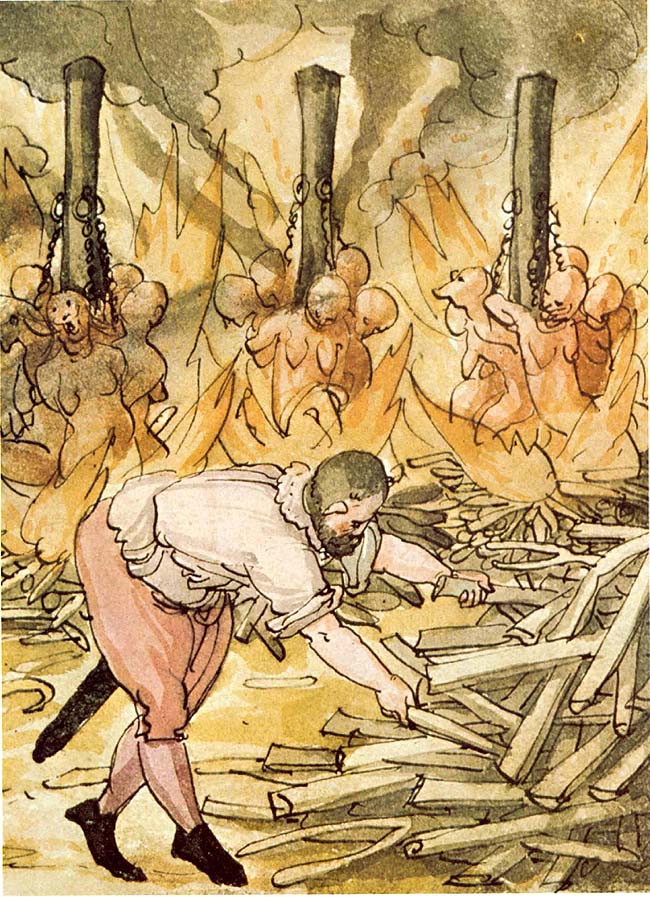 🇸🇦 Saudi Arabia and 5 moreWitch hunt
A campaign to find and punish people accused of using magic for harmBelief · Cursing and harm Historical
🇸🇦 Saudi Arabia and 5 moreWitch hunt
A campaign to find and punish people accused of using magic for harmBelief · Cursing and harm Historical
Related elsewhere
All tradition 🇨🇳 China and 3 moreChinese dragon龍
A legendary water deity and imperial symbol in East Asian cultureBeing · Protection · Luck and prosperity Historical
🇨🇳 China and 3 moreChinese dragon龍
A legendary water deity and imperial symbol in East Asian cultureBeing · Protection · Luck and prosperity Historical
 🇮🇳 India and 2 moreHomaहोम
A fire ritual found across Asian religions where offerings are burned as a votive exchange with the divine.Rite · Protection · Speaking with spirits and the dead Living
🇮🇳 India and 2 moreHomaहोम
A fire ritual found across Asian religions where offerings are burned as a votive exchange with the divine.Rite · Protection · Speaking with spirits and the dead Living
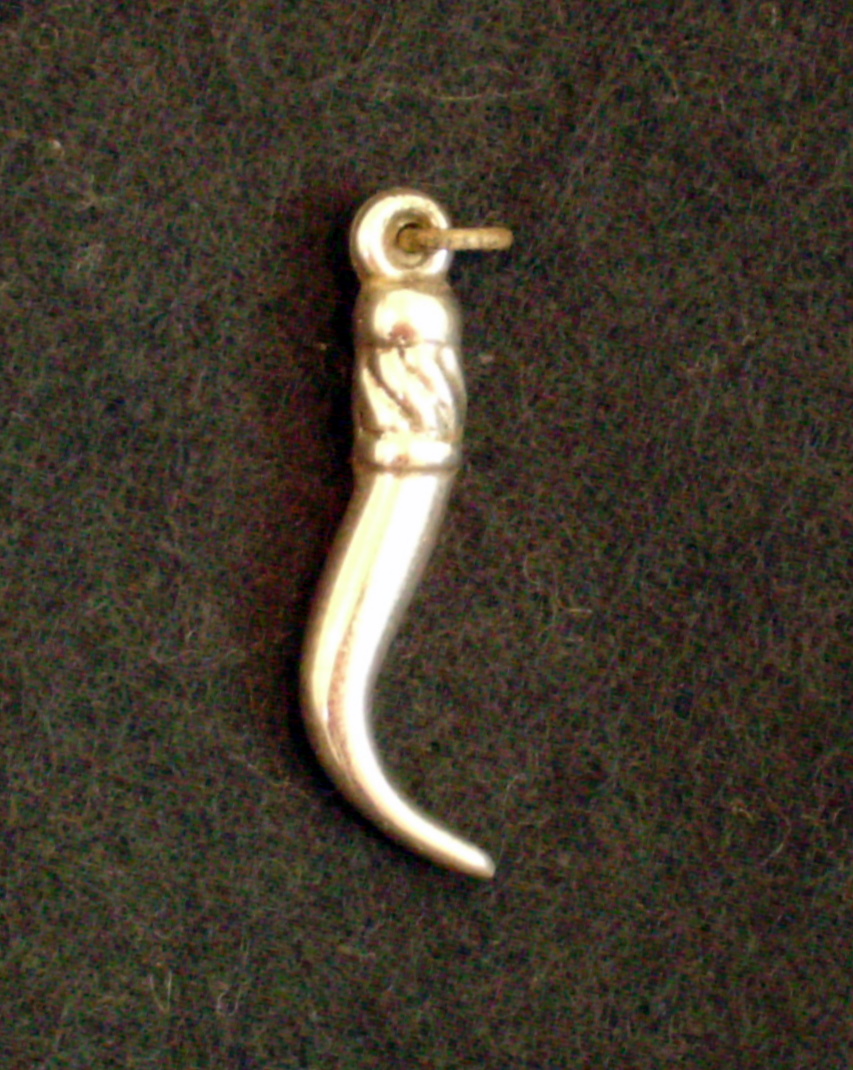 🇮🇹 ItalyCornicello
A twisted horn charm worn in Italy to ward off the evil eye and invite luck.Charm · Protection · Luck and prosperity Living
🇮🇹 ItalyCornicello
A twisted horn charm worn in Italy to ward off the evil eye and invite luck.Charm · Protection · Luck and prosperity Living
 🇪🇬 Egypt and 2 moreIsisꜣst (Egyptian)
Egyptian goddess of magic, mourning and kingship, mother of HorusBeing · Protection · Healing Historical
🇪🇬 Egypt and 2 moreIsisꜣst (Egyptian)
Egyptian goddess of magic, mourning and kingship, mother of HorusBeing · Protection · Healing Historical