Cursing and harm
Curses, hexes and sorcery as people describe and fear them, with the counter-magic against them.
Cursing and harm are the part of magic that societies fear most. This page describes curses and sorcery as beliefs, and the social role of fear and accusation, and does not give instructions. The evil eye, the curse tablets of the Greek and Roman world, Hebrew and Arabic writings on harmful magic, sorcery in Melanesia and Africa, and the European witch are all part of this subject. Most of the harm recorded is that done to people accused.
What is believed
Many cultures hold that envy, anger or hostile ritual can bring illness, loss or death to a victim. The beliefs differ: in the Mediterranean, the evil eye needs no intent. In Azande society, studied by Evans-Pritchard, witchcraft was an inherited substance that explained why misfortune struck one person and not another. Greek and Roman lead curse tablets, often addressed to gods of the underworld, show the belief was written down in antiquity.
Accusation as social force
Where harm is feared, accusation follows. Anthropologists have shown that charges of witchcraft often follow tension inside a family or village, such as inheritance, jealousy or a sudden death. Accusers are usually in conflict with the accused, who is more likely to be old, poor, widowed or marginal. The belief can enforce norms and also destroy people. People also fear being accused, since an accusation can arrive without warning and can follow a family for generations.
Persecution and its present
European and colonial American witch trials, from the fifteenth to the eighteenth century, put tens of thousands to death, including the Salem trials of 1692. The practice has not ended. Mobs and families still attack accused people in parts of Africa, India, Papua New Guinea and elsewhere, and Saudi Arabia has executed people for sorcery. Albino people have been killed for body parts in East Africa. Several states are drafting or enforcing laws against accusation itself.
Counter-magic and scholarship
Where harm is feared, so is protection: amulets, cleansing, and a specialist who can say who sent it. Scholars see curses as a language of grievance, and psychologists have documented the nocebo effect, in which belief in harm can bring on real distress. A person who is afraid should seek medical and social help, and talk to someone they trust. People who believe they have been cursed should be helped to find practical support, including from health services, and not left alone with fear.
Cursing and harm on EveryJaadu
The entries written up so far, best known first.
 🇷🇸 Serbia and 5 moreVampire
An undead creature from folklore that feeds on the blood or life force of the livingBeing · Cursing and harm · Luck and prosperity Legendary
🇷🇸 Serbia and 5 moreVampire
An undead creature from folklore that feeds on the blood or life force of the livingBeing · Cursing and harm · Luck and prosperity Legendary
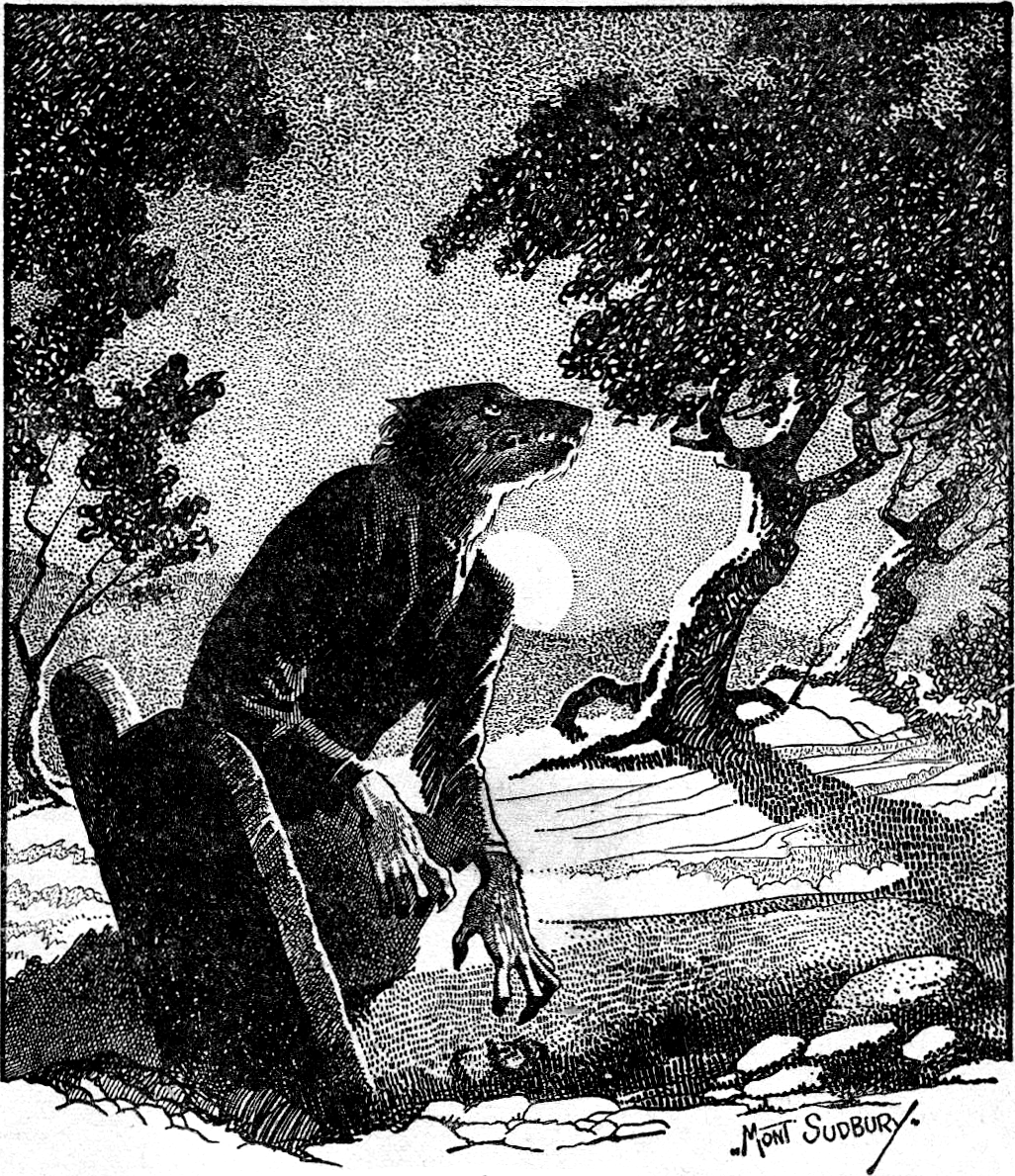 🇫🇷 France and 5 moreWerewolf
A mythical shapeshifter that turns into a wolf, central to European witch-hunts and Gothic horror.Being · Cursing and harm · Wonder and entertainment Legendary
🇫🇷 France and 5 moreWerewolf
A mythical shapeshifter that turns into a wolf, central to European witch-hunts and Gothic horror.Being · Cursing and harm · Wonder and entertainment Legendary
 🇪🇬 Egypt and 1 moreLilithלִילִית
A feminine figure from Mesopotamian and Jewish mythology, often depicted as a night demon or spirit.Being · Cursing and harm Legendary
🇬🇷 GreeceEpimenides of CreteἘπιμενίδης
A semi-mythical Greek prophet and purifier from KnossosFigure · Cursing and harm Legendary
🇪🇬 Egypt and 1 moreLilithלִילִית
A feminine figure from Mesopotamian and Jewish mythology, often depicted as a night demon or spirit.Being · Cursing and harm Legendary
🇬🇷 GreeceEpimenides of CreteἘπιμενίδης
A semi-mythical Greek prophet and purifier from KnossosFigure · Cursing and harm Legendary
 🇫🇷 France and 4 moreMorgan le FayFée Morgane
An Arthurian enchantress known for her shifting role as healer and adversaryFigure · Healing · Cursing and harm Legendary
🇬🇧 United Kingdom and 1 moreBugbear
A medieval English creature used to frighten children into obedienceFigure · Cursing and harm Legendary
🇫🇷 France and 4 moreMorgan le FayFée Morgane
An Arthurian enchantress known for her shifting role as healer and adversaryFigure · Healing · Cursing and harm Legendary
🇬🇧 United Kingdom and 1 moreBugbear
A medieval English creature used to frighten children into obedienceFigure · Cursing and harm Legendary
 🇫🇷 FranceLady of the LakeDame du Lac
A water spirit who raises knights and captures wizards in Arthurian talesFigure · Protection · Cursing and harm Legendary
🇫🇷 FranceLady of the LakeDame du Lac
A water spirit who raises knights and captures wizards in Arthurian talesFigure · Protection · Cursing and harm Legendary
 🇩🇪 GermanyPied Piper of Hamelinder Rattenfänger von Hameln
A medieval legend about a piper who leads children away from the town of HamelinFigure · Cursing and harm · Luck and prosperity Legendary
🇩🇪 GermanyPied Piper of Hamelinder Rattenfänger von Hameln
A medieval legend about a piper who leads children away from the town of HamelinFigure · Cursing and harm · Luck and prosperity Legendary
 🇨🇳 ChinaTaotie饕餮
A zoomorphic mask on ancient Chinese bronzes and a mythological creature of gluttonyFigure · Protection · Cursing and harm Legendary
🇨🇳 ChinaTaotie饕餮
A zoomorphic mask on ancient Chinese bronzes and a mythological creature of gluttonyFigure · Protection · Cursing and harm Legendary
 🇮🇩 IndonesiaRangdaᬭᬗ᭄ᬤ
A Balinese demon queen who leads witches in an eternal battle against good.Figure · Cursing and harm · Wonder and entertainment Legendary
🇮🇩 IndonesiaRangdaᬭᬗ᭄ᬤ
A Balinese demon queen who leads witches in an eternal battle against good.Figure · Cursing and harm · Wonder and entertainment Legendary
 🇩🇪 Germany and 1 moreFaust
A German legend of a scholar who trades his soul for knowledge and pleasureFigure · Power and authority · Cursing and harm Legendary
🇩🇪 Germany and 1 moreFaust
A German legend of a scholar who trades his soul for knowledge and pleasureFigure · Power and authority · Cursing and harm Legendary
 🇷🇺 Russia and 4 moreBaba Yaga
A complex Slavic witch figure who lives in a moving hut and flies in a mortar.Figure · Cursing and harm · Protection Legendary
🇷🇺 Russia and 4 moreBaba Yaga
A complex Slavic witch figure who lives in a moving hut and flies in a mortar.Figure · Cursing and harm · Protection Legendary
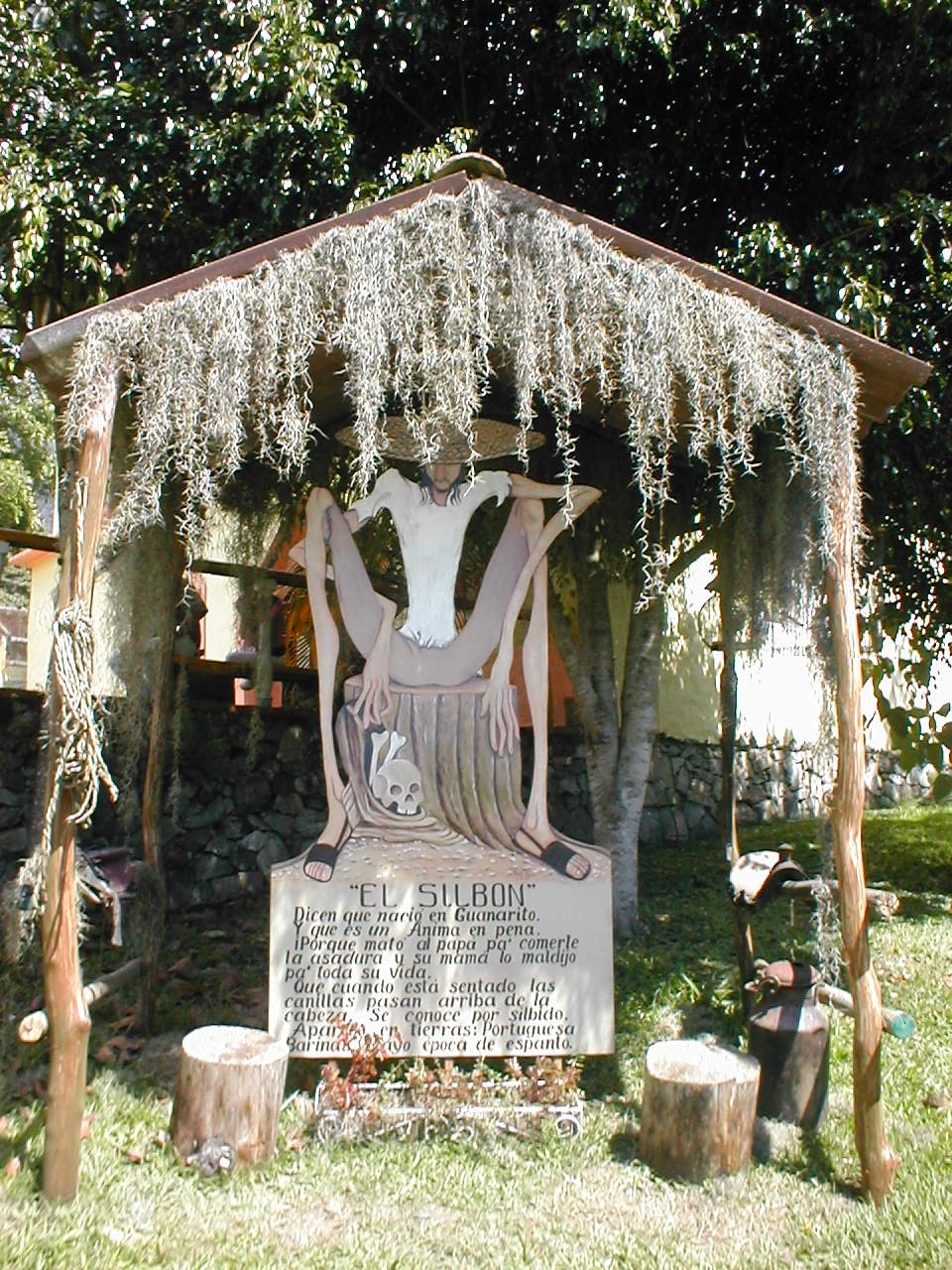 🇻🇪 Venezuela and 1 moreEl Silbón
A Venezuelan and Colombian legend of a cursed spirit who carries his father's bones.Figure · Cursing and harm · Seeing and foretelling Legendary
🇻🇪 Venezuela and 1 moreEl Silbón
A Venezuelan and Colombian legend of a cursed spirit who carries his father's bones.Figure · Cursing and harm · Seeing and foretelling Legendary
 🇯🇵 Japan and 2 moreTamamo-no-Mae玉藻前
A nine-tailed fox spirit from Japanese legend who possessed emperors and concubines across Asia.Figure · Cursing and harm · Power and authority Legendary
🇨🇳 ChinaNian年兽 (Nián shòu)
A mythical creature linked to Chinese New Year customs and the lion danceFigure · Cursing and harm · Wonder and entertainment Legendary
🇯🇵 Japan and 2 moreTamamo-no-Mae玉藻前
A nine-tailed fox spirit from Japanese legend who possessed emperors and concubines across Asia.Figure · Cursing and harm · Power and authority Legendary
🇨🇳 ChinaNian年兽 (Nián shòu)
A mythical creature linked to Chinese New Year customs and the lion danceFigure · Cursing and harm · Wonder and entertainment Legendary
 🇯🇵 JapanAshiya Dōman蘆屋道満
A legendary Heian onmyōji known for his rivalry with Abe no Seimei and his use of cursesFigure · Cursing and harm · Power and authority Legendary
🇯🇵 JapanAshiya Dōman蘆屋道満
A legendary Heian onmyōji known for his rivalry with Abe no Seimei and his use of cursesFigure · Cursing and harm · Power and authority Legendary
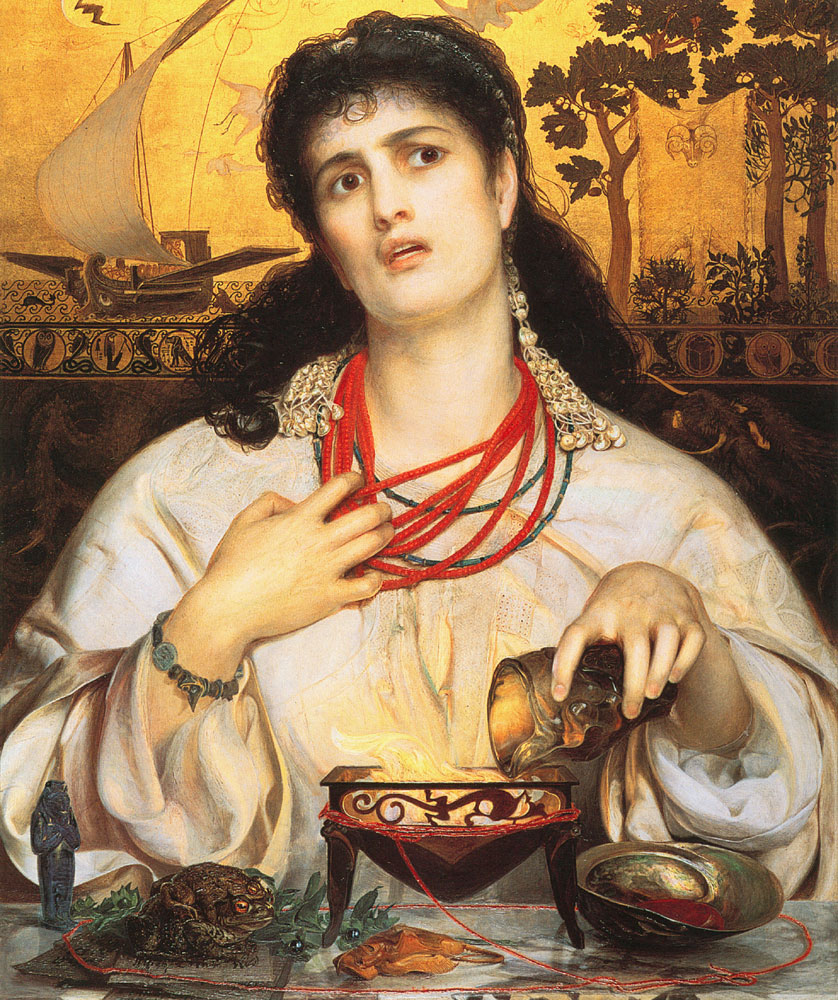 🇬🇷 GreeceMedeaΜήδεια
A sorceress and princess of Colchis who aids Jason and uses magic for revenge.Figure · Cursing and harm · Healing Legendary
🇨🇴 Colombia and 1 moreTunda
A shapeshifting entity from the Pacific coast of Colombia and Ecuador that lures people into the forest.Figure · Cursing and harm Legendary
🇬🇷 GreeceMedeaΜήδεια
A sorceress and princess of Colchis who aids Jason and uses magic for revenge.Figure · Cursing and harm · Healing Legendary
🇨🇴 Colombia and 1 moreTunda
A shapeshifting entity from the Pacific coast of Colombia and Ecuador that lures people into the forest.Figure · Cursing and harm Legendary
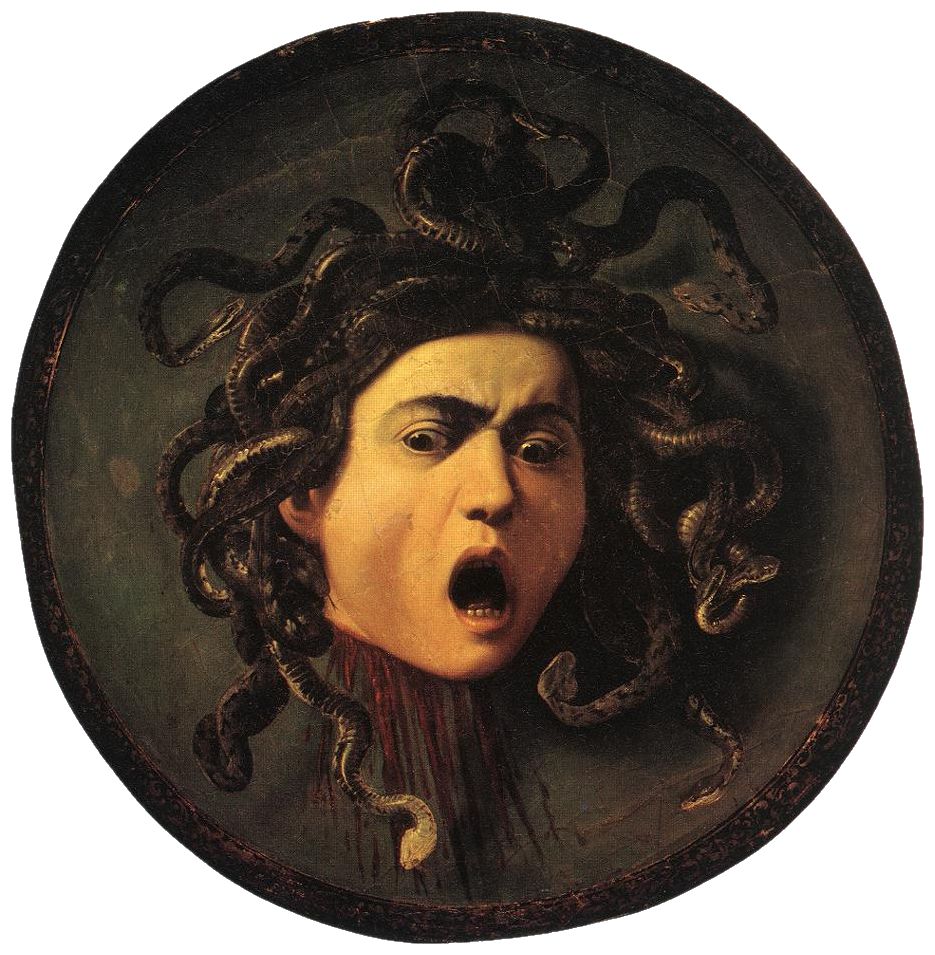 🇬🇷 Greece and 1 moreMedusaΜέδουσα
A mortal Greek monster whose gaze turns onlookers to stoneFigure · Cursing and harm Legendary
🇷🇴 Romania and 1 moreMoroi
A Romanian phantom that drains the living, linked to strigoi and unbaptised infants.Figure · Cursing and harm Legendary
🇮🇪 IrelandThe MorríganMórrígan
An Irish goddess of war, fate, and sovereignty who appears as a crow or shape-shifter.Figure · Seeing and foretelling · Cursing and harm Legendary
🇬🇷 Greece and 1 moreMedusaΜέδουσα
A mortal Greek monster whose gaze turns onlookers to stoneFigure · Cursing and harm Legendary
🇷🇴 Romania and 1 moreMoroi
A Romanian phantom that drains the living, linked to strigoi and unbaptised infants.Figure · Cursing and harm Legendary
🇮🇪 IrelandThe MorríganMórrígan
An Irish goddess of war, fate, and sovereignty who appears as a crow or shape-shifter.Figure · Seeing and foretelling · Cursing and harm Legendary
 🇧🇷 Brazil and 5 moreWhite Lady
A female ghost in white clothing linked to tragedy and omens across many culturesFigure · Cursing and harm · Seeing and foretelling Legendary
🇻🇪 VenezuelaSayona
A vengeful Venezuelan ghost who hunts men for breaking marital vowsFigure · Cursing and harm Legendary
🇧🇷 Brazil and 5 moreWhite Lady
A female ghost in white clothing linked to tragedy and omens across many culturesFigure · Cursing and harm · Seeing and foretelling Legendary
🇻🇪 VenezuelaSayona
A vengeful Venezuelan ghost who hunts men for breaking marital vowsFigure · Cursing and harm Legendary
 🇮🇳 India and 1 moreRavanaरावण (Rāvaṇa)
A ten-headed demon king of Lanka and a devoted follower of Shiva in Hindu tradition.Figure · Cursing and harm · Power and authority Legendary
🇮🇳 India and 1 moreRavanaरावण (Rāvaṇa)
A ten-headed demon king of Lanka and a devoted follower of Shiva in Hindu tradition.Figure · Cursing and harm · Power and authority Legendary
 🇷🇺 RussiaGolden apple
A mythical fruit that sparks quests, wars, and linguistic confusion across culturesFigure · Cursing and harm · Luck and prosperity Legendary
🇳🇬 Nigeria and 1 moreMadam Koi Koi
A Nigerian school ghost known for the sound of her heelsFigure · Cursing and harm Legendary
🇷🇺 RussiaGolden apple
A mythical fruit that sparks quests, wars, and linguistic confusion across culturesFigure · Cursing and harm · Luck and prosperity Legendary
🇳🇬 Nigeria and 1 moreMadam Koi Koi
A Nigerian school ghost known for the sound of her heelsFigure · Cursing and harm Legendary
 🇷🇺 Russia and 1 moreBabayБабай
A night spirit in Slavic folklore used to frighten children into sleepingFigure · Cursing and harm Legendary
🇷🇺 Russia and 1 moreBabayБабай
A night spirit in Slavic folklore used to frighten children into sleepingFigure · Cursing and harm Legendary
 🇬🇧 United Kingdom and 2 moreJenny Greenteeth
A river-hag from English folklore used to warn children away from dangerous watersFigure · Cursing and harm Legendary
🇬🇧 United Kingdom and 2 moreJenny Greenteeth
A river-hag from English folklore used to warn children away from dangerous watersFigure · Cursing and harm Legendary
 🇬🇷 Greece and 1 moreCacodemonκακοδαίμων (kakodaimōn)
An ancient Greek evil spirit, depicted as a horned youth and used in literature and games.Being · Cursing and harm Legendary
🇬🇷 Greece and 1 moreCacodemonκακοδαίμων (kakodaimōn)
An ancient Greek evil spirit, depicted as a horned youth and used in literature and games.Being · Cursing and harm Legendary
 🇪🇪 EstoniaVanapaganVanatühi
A giant farmer and underworld figure from Estonian folklore who is often outwitted.Figure · Cursing and harm Legendary
🇪🇪 EstoniaVanapaganVanatühi
A giant farmer and underworld figure from Estonian folklore who is often outwitted.Figure · Cursing and harm Legendary
 🇯🇵 JapanShikome黄泉醜女 (Yomotsu-shikome)
A hag from the Japanese underworld who pursued Izanagi after he shamed Izanami.Figure · Cursing and harm Legendary
🇦🇲 Armenia and 2 moreAzhdahakԱժդահակ
A dragon-like demon of Armenian and Iranian myth, imprisoned in a mountain until the end of time.Figure · Cursing and harm Legendary
🇯🇵 JapanShikome黄泉醜女 (Yomotsu-shikome)
A hag from the Japanese underworld who pursued Izanagi after he shamed Izanami.Figure · Cursing and harm Legendary
🇦🇲 Armenia and 2 moreAzhdahakԱժդահակ
A dragon-like demon of Armenian and Iranian myth, imprisoned in a mountain until the end of time.Figure · Cursing and harm Legendary
 🇪🇪 EstoniaThe Dragon of the NorthPõhja konn
A legendary frog-like monster from Estonian folklore, later reimagined as a cultural guardian.Figure · Cursing and harm · Protection Legendary
🇪🇪 EstoniaThe Dragon of the NorthPõhja konn
A legendary frog-like monster from Estonian folklore, later reimagined as a cultural guardian.Figure · Cursing and harm · Protection Legendary
 🇮🇳 IndiaKeibu Keioiba
A tiger-headed man from Manipur folklore who was once a priestFigure · Cursing and harm Legendary
🇮🇹 ItalyMonacielloMunaciello
A Neapolitan sprite linked to the city's underground waterways and hidden wealth.Figure · Luck and prosperity · Cursing and harm Legendary
🇮🇳 IndiaPinglak
A lion from the Panchatantra whose friendship with a bull is destroyed by cunning advisorsFigure · Cursing and harm Legendary
🇮🇳 IndiaKeibu Keioiba
A tiger-headed man from Manipur folklore who was once a priestFigure · Cursing and harm Legendary
🇮🇹 ItalyMonacielloMunaciello
A Neapolitan sprite linked to the city's underground waterways and hidden wealth.Figure · Luck and prosperity · Cursing and harm Legendary
🇮🇳 IndiaPinglak
A lion from the Panchatantra whose friendship with a bull is destroyed by cunning advisorsFigure · Cursing and harm Legendary
 🇯🇵 JapanBanchō Sarayashiki番町皿屋敷
A Japanese ghost story about a servant who dies unjustly and haunts her murderer by counting plates.Figure · Cursing and harm · Wonder and entertainment Legendary
🇯🇵 JapanBanchō Sarayashiki番町皿屋敷
A Japanese ghost story about a servant who dies unjustly and haunts her murderer by counting plates.Figure · Cursing and harm · Wonder and entertainment Legendary
 🇨🇱 Chile and 1 moreImbuncheifünche
A deformed child-monster of Chilote folklore that guards a warlock's cave and serves as an instrument of curse.Figure · Cursing and harm · Power and authority Legendary
🇨🇱 Chile and 1 moreImbuncheifünche
A deformed child-monster of Chilote folklore that guards a warlock's cave and serves as an instrument of curse.Figure · Cursing and harm · Power and authority Legendary
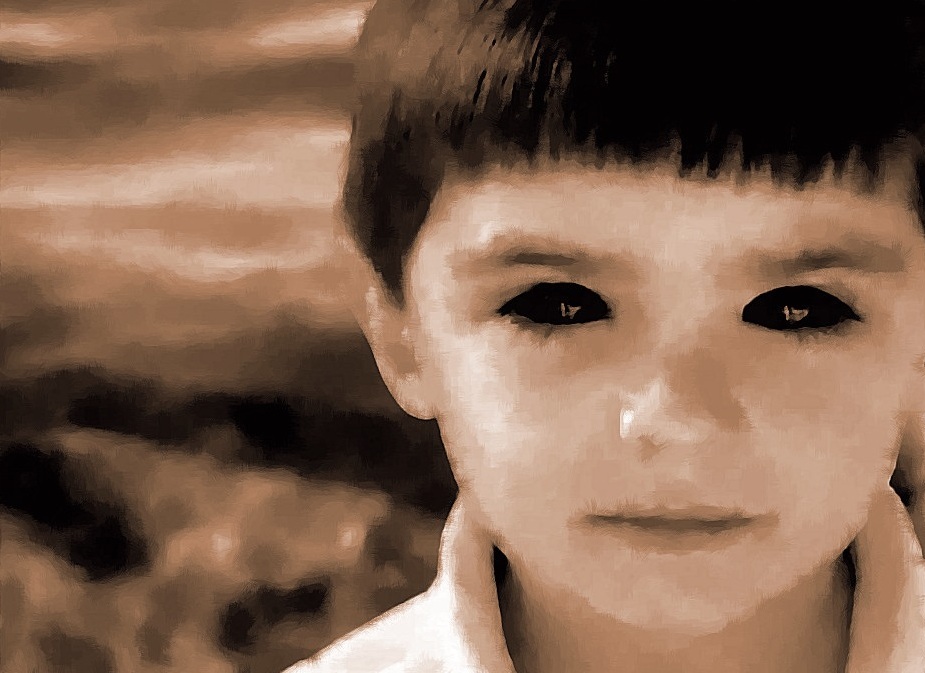 🇺🇸 United StatesBlack-eyed children
A modern American urban legend about pale children with dark eyes who seek entry into homes.Figure · Cursing and harm Legendary
🇺🇸 United StatesBlack-eyed children
A modern American urban legend about pale children with dark eyes who seek entry into homes.Figure · Cursing and harm Legendary
 🇺🇸 United StatesMoll Dyer
A Maryland folktale about a woman accused of witchcraft and her cursed stoneFigure · Cursing and harm · Protection Legendary
🇰🇷 South KoreaGangcheori강철이
A fire-breathing dragon from Korean folklore that scorches the land in its wakeFigure · Cursing and harm Legendary
🇺🇸 United StatesTsul 'KaluᏧᏓᎦᎳ
A Cherokee hunting deity and legendary giant of the Appalachian mountainsFigure · Cursing and harm · Protection Legendary
🇺🇸 United StatesMoll Dyer
A Maryland folktale about a woman accused of witchcraft and her cursed stoneFigure · Cursing and harm · Protection Legendary
🇰🇷 South KoreaGangcheori강철이
A fire-breathing dragon from Korean folklore that scorches the land in its wakeFigure · Cursing and harm Legendary
🇺🇸 United StatesTsul 'KaluᏧᏓᎦᎳ
A Cherokee hunting deity and legendary giant of the Appalachian mountainsFigure · Cursing and harm · Protection Legendary
 🇸🇪 Sweden and 4 moreStarkadStarkaðr
A Norse warrior cursed to commit crimes across three lifetimesFigure · Cursing and harm Legendary
🇬🇧 United KingdomNanny Rutt
A cautionary figure from Lincolnshire folklore who lures girls into the woodsFigure · Cursing and harm Legendary
🇸🇪 Sweden and 4 moreStarkadStarkaðr
A Norse warrior cursed to commit crimes across three lifetimesFigure · Cursing and harm Legendary
🇬🇧 United KingdomNanny Rutt
A cautionary figure from Lincolnshire folklore who lures girls into the woodsFigure · Cursing and harm Legendary
 🇫🇷 France and 1 moreSebile
A medieval enchantress who evolved from a classical prophetess into an Arthurian fairy queenFigure · Love and attraction · Cursing and harm Legendary
🇨🇴 Colombia and 1 moreLa Bolefuego
A fiery apparition from the Llanos that hunts travelers and avoids prayer.Figure · Cursing and harm Legendary
🇫🇷 France and 1 moreSebile
A medieval enchantress who evolved from a classical prophetess into an Arthurian fairy queenFigure · Love and attraction · Cursing and harm Legendary
🇨🇴 Colombia and 1 moreLa Bolefuego
A fiery apparition from the Llanos that hunts travelers and avoids prayer.Figure · Cursing and harm Legendary
 🇬🇷 GreeceHorkosὍρκος
A Greek divine personification of the curse that follows a broken oathFigure · Cursing and harm Legendary
🇬🇷 GreeceHorkosὍρκος
A Greek divine personification of the curse that follows a broken oathFigure · Cursing and harm Legendary
 🇮🇱 Israel and 1 moreBalakבָּלָק
A biblical king who sought a sorcerer's curse against the IsraelitesFigure · Cursing and harm Legendary
🇮🇱 Israel and 1 moreBalakבָּלָק
A biblical king who sought a sorcerer's curse against the IsraelitesFigure · Cursing and harm Legendary
Photo credits on this page
The small pictures above come from Wikimedia Commons under free licences. Some are cropped to fit.
- Lady of the Lake: Internet Archive Book Images, No restrictions, source
- Keibu Keioiba: Haoreima, CC BY-SA 4.0, source
- Artes prohibitae: engraved by Ames of Bristol (according to Fincham, Artists and engrave, Public domain, source
- Baba Yaga: Ivan Bilibin, Public domain, source
- Vampire: Edvard Munch, Public domain, source
- Ashiya Dōman: Unknown author, CC BY-SA 3.0, source
- Medea: Frederick Sandys, Public domain, source
- Medusa: Caravaggio, Public domain, source
- Sebile: tony_57, CC BY 3.0, source
- Pied Piper of Hamelin: Edmund Evans, Public domain, source
- Rangda: Boy Lawson, CC BY-SA 3.0, source
- Faust: Earthsphere, CC BY-SA 4.0, source
- Morgan le Fay: Frederick Sandys, Public domain, source
- Ravana: Gita Press Gorakhpur, CC0, source
- Babay: Kyoukaa, CC BY-SA 4.0, source
- Cacodemon: Louis Le Breton, Public domain, source
- Jenny Greenteeth: Jayan.thanal, CC BY-SA 4.0, source
- Shikome: Raita Futo, CC BY 2.0, source
- Vanapagan: Kristjan Raud, Public domain, source
- The Dragon of the North: Ivo Kruusamägi, CC BY-SA 4.0, source
- Banchō Sarayashiki: Tsukioka Yoshitoshi, Okiku ,, Public domain, source
- Imbunche: Lufke, CC BY-SA 3.0, source
- Black-eyed children: Megamoto85, CC BY-SA 4.0, source
- Moll Dyer: Dougtone, CC BY-SA 2.0, source
- Starkad: User:Skadinaujo, Public domain, source
- Taotie: anonymous, CC0, source
- Horkos: Furienmeister, Public domain, source
- Balak: Philip De Vere, CC BY-SA 3.0, source
- Tamamo-no-Mae: ウィキ太郎 Wiki Taro, Public domain, source
- El Silbón: María Auxiliadora Ramírez Prato, CC BY-SA 3.0, source
- Lilith: Photographs by Ardon Bar Hama, author of original document is unknown., Public domain, source
- Golden apple: Guido Reni, Public domain, source
- Werewolf: Mont Sudbury, Public domain, source