
The Dragon of the North
In its own language: Põhja konn
from Estonian Põhja konn, meaning Northern Frog
A legendary frog-like monster from Estonian folklore, later reimagined as a cultural guardian.
The Dragon of the North is a massive, dragon-like creature from Estonian lore that wreaks havoc until defeated. The tale was popularized by Friedrich Reinhold Kreutzwald in 1866 and later included in Andrew Lang's fairy books. Modern interpretations often view the creature as a protector of Estonian language and culture.
- Known as Põhja konn in Estonian, meaning Northern Frog.
- Popularized by Friedrich Reinhold Kreutzwald in 1866.
- Included in Andrew Lang's The Yellow Fairy Book in 1894.
- Scholars classify it as a dragon-slayer variant (ATU 300).
- Modern art depicts it as a protector of the Võro language.
What it is
The Dragon of the North, known in Estonian as Põhja konn, is a legendary creature described as a massive, frog-like monster. It appears in Estonian folklore as a beast that causes destruction across the land. The story features a young hero who uses a signet ring to defeat this monstrous entity. Scholars classify the tale as a variant of the dragon-slayer archetype, where the traditional dragon is replaced by a localized frog figure. This substitution creates a unique oicotype, or regional version, of a widespread narrative pattern found in global folklore traditions.
Where it comes from
The tale was first attested in 1866 when Friedrich Reinhold Kreutzwald published it in his collection Old Tales of the Estonian People. Kreutzwald adapted a standard dragon-slayer story to fit an Estonian context, specifically making the antagonist frog-like. The story gained international reach after being included in The Yellow Fairy Book by Andrew and Leonora Blanche Lang in 1894. The English translation relied on a German version of Kreutzwald's original work, spreading the legend beyond its Baltic origins.
How it is done
In the original narrative, the conflict involves a young man who acquires a specific tool to overcome the beast. He uses a signet ring to defeat the monstrous frog. The story follows a classic structure where a hero confronts a destructive force. Modern retellings shift the focus from combat to guardianship. In these versions, the creature does not need to be defeated but is instead awakened to protect the people and their heritage from external threats.
Tools and materials
The primary tool mentioned in the original tale is a signet ring. This object is essential for the hero's victory over the massive frog-like monster. In modern artistic interpretations, the creature itself carries symbolic items. A statue created by artist Navitrolla depicts the frog with spikes on its back for defense. It also holds a soap bubble in its mouth, representing the fragility and transience of the Võro language.
The Dragon of the North, drawn and placed
- Living
- Revived
- Fading
- Historical
- Legendary
- Performed
- Lineage
- Finnic mythologies
What it is for
Originally, the creature served as an antagonist in a folk tale, representing chaos that must be subdued by a hero. Its purpose was to create a challenge for the protagonist. In contemporary culture, the Dragon of the North has been reimagined as a protective spirit. It is now viewed as a guardian of Estonian language and national identity. Some stories describe it awakening only when enough people speak a nearly extinct language, linking its existence directly to cultural preservation.
Who does it
The figure is primarily studied by scholars rather than practiced by ritual specialists. Folklorists like Risto Järv analyze the tale using classification systems such as the Aarne-Thompson-Uther Index. Writers and artists also engage with the legend. Authors like Andrus Kivirähk and artists like Navitrolla have reinterpreted the creature in novels and public sculptures, transforming it from a monster into a symbol of cultural resilience.
Peoples and places
The Dragon of the North is central to Estonian mythology and folklore. It is deeply tied to the cultural identity of Estonia. The tale was collected and shaped by Estonian literary figures in the nineteenth century. It has since become a recognizable symbol within the country. Other Baltic nations are occasionally referenced in discussions of the region's history, but the legend remains distinctly Estonian in origin and application.
At a glance: who, where and when
Peoples

What people believe
The creature belongs to the realm of Finnic mythology and Estonian folk tales. It is not part of a living religious practice but exists within literary and cultural memory. The original story reflects traditional narrative structures where order is restored through heroic action. Modern beliefs surrounding the figure emphasize its role as a silent watcher or dormant protector. It is seen as embodying the strength and vulnerability of the Estonian language and people.
When it is done
There are no specific festivals or calendar days associated with the Dragon of the North. The tale is not tied to seasonal cycles or religious holidays. Its relevance emerges through literary publications and artistic installations rather than periodic rituals. The creature's presence in culture is continuous rather than cyclical, appearing in books and statues whenever its symbolic value is invoked.
How scholars and sceptics see it
Academics classify the tale as a variant of the dragon-slayer motif, specifically ATU 300. Scholars note that Kreutzwald deliberately modified the standard archetype to create a local flavor. The substitution of a frog for a dragon is seen as a creative adaptation to Estonian context. Researchers also examine how the figure has evolved from a simple monster into a complex cultural symbol representing national identity and linguistic survival.
Cautions and what is closed
The creature is a fictional entity from literature and folklore. There are no health risks or legal issues associated with the legend itself. However, the modern reinterpretation highlights the real-world importance of preserving endangered languages. The soap bubble in the statue serves as a reminder of the fragility of cultural heritage. The tale does not involve harmful rituals or dangerous practices, only narrative conflict and symbolic representation.
Compare and confuse
The Dragon of the North is related to other dragon-slayer tales found globally. It shares similarities with legends featuring heroes who defeat large monsters. Specific comparisons include entities like the Azhi Dahaka and Tugarin Zmeyevich. Unlike many dragons that breathe fire, this creature is amphibious and frog-like. Its unique form distinguishes it from typical European dragon myths while maintaining the core structure of a hero versus beast narrative.
Law and persecution
There are no specific laws regarding the Dragon of the North. It is a cultural figure protected as part of Estonia's literary heritage. Public art inspired by the legend, such as the Tamula konn statue, is permitted and celebrated. The creature does not face persecution or suppression. Instead, it is actively promoted as a positive symbol of national pride and cultural continuity in modern Estonia.
Today
The legend lives on through literature, art, and public monuments. A statue in Võru explicitly draws on the Northern Frog legend, positioning it as a protector. Novelists continue to use the figure in stories about national identity. The creature serves as a metaphor for the resilience of Estonian culture. It remains a relevant symbol in discussions about language preservation and national history, bridging nineteenth-century folklore with twenty-first-century artistic expression.
Questions people ask about The Dragon of the North
What is the Dragon of the North?
It is a legendary frog-like monster from Estonian folklore. Described as massive and destructive, it is defeated by a hero using a signet ring. The tale is a key part of Estonian literary tradition.
Where does the name come from?
The name comes from the Estonian phrase Põhja konn, which translates directly to Northern Frog. This native name reflects the creature's amphibious nature and its northern habitat in the myths.
Who made the story famous?
Friedrich Reinhold Kreutzwald popularized the tale in his 1866 collection Old Tales of the Estonian People. It later gained international attention through its inclusion in Andrew Lang's The Yellow Fairy Book.
How is the creature viewed today?
Modern interpretations often see the Dragon of the North as a protector of Estonian language and culture. Artists and writers reimagine it as a guardian rather than a monster to be slain.
Good reading and sources
The facts on this page come from the Wikipedia article "The Dragon of the North", written by its contributors and used under the CC BY-SA 4.0 licence, and from its Wikidata record (CC0). EveryJaadu rewrote the text in its own words, with AI assistance, and compares every page with the article to make sure no passage is copied. It may be reused under the same CC BY-SA 4.0 licence with a link back.
It may contain mistakes. Names and customs differ from one community to the next, and some knowledge is closed to outsiders and left out here. This page describes belief and practice. It does not say that any of it works, it is not a how-to, and it is not medical advice. If something is wrong, tell us. Last refreshed 2026-10-06.
More from Estonia
All the entries from Estonia 🇧🇷 Brazil and 5 moreWhite Lady
A female ghost in white clothing linked to tragedy and omens across many culturesFigure · Cursing and harm · Seeing and foretelling Legendary
🇧🇷 Brazil and 5 moreWhite Lady
A female ghost in white clothing linked to tragedy and omens across many culturesFigure · Cursing and harm · Seeing and foretelling Legendary
 🇫🇮 Finland and 1 moreSampo
A magical mill or world pillar in Finnish and Estonian mythology that produces wealth.Figure · Luck and prosperity · Power and authority Historical
🇪🇪 Estonia and 1 moreKalevaKalev
A primordial giant and ancestral figure in the mythologies of Estonia and FinlandBeing · Power and authority Historical
🇫🇮 Finland and 1 moreSampo
A magical mill or world pillar in Finnish and Estonian mythology that produces wealth.Figure · Luck and prosperity · Power and authority Historical
🇪🇪 Estonia and 1 moreKalevaKalev
A primordial giant and ancestral figure in the mythologies of Estonia and FinlandBeing · Power and authority Historical
 🇪🇪 EstoniaVanapaganVanatühi
A giant farmer and underworld figure from Estonian folklore who is often outwitted.Figure · Cursing and harm Legendary
🇪🇪 EstoniaVanapaganVanatühi
A giant farmer and underworld figure from Estonian folklore who is often outwitted.Figure · Cursing and harm Legendary
Related elsewhere
All figure 🇹🇷 Turkey and 5 moreEvil eye
A curse caused by an envious look and the charms used to block itBelief · Protection · Cursing and harm Living
🇹🇷 Turkey and 5 moreEvil eye
A curse caused by an envious look and the charms used to block itBelief · Protection · Cursing and harm Living
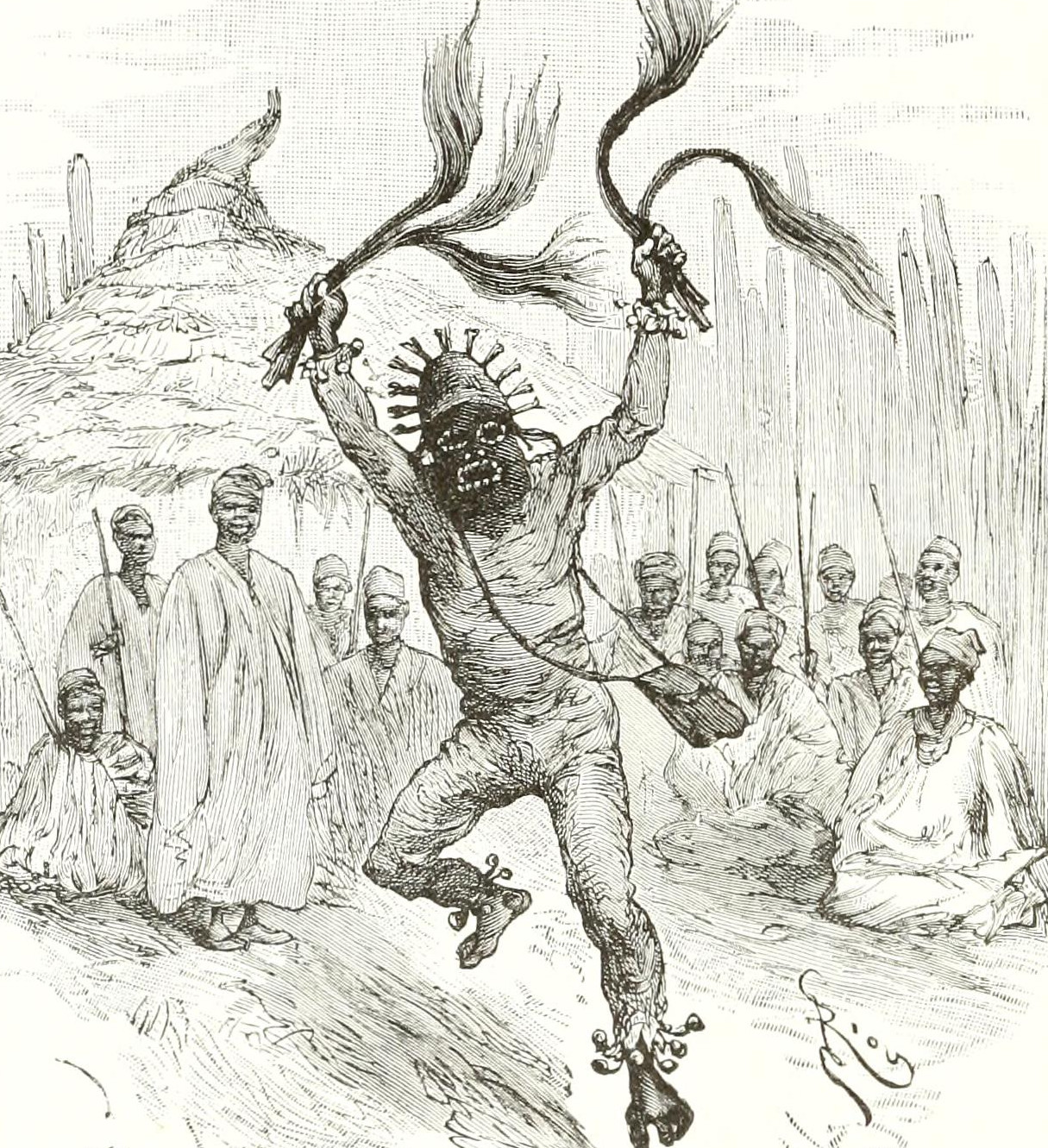 🇺🇸 United States and 2 moreLouisiana Voodoo
An African diasporic religion practiced in Louisiana from the 18th to early 20th centuriesTradition · Healing · Protection Historical
🇺🇸 United States and 2 moreLouisiana Voodoo
An African diasporic religion practiced in Louisiana from the 18th to early 20th centuriesTradition · Healing · Protection Historical
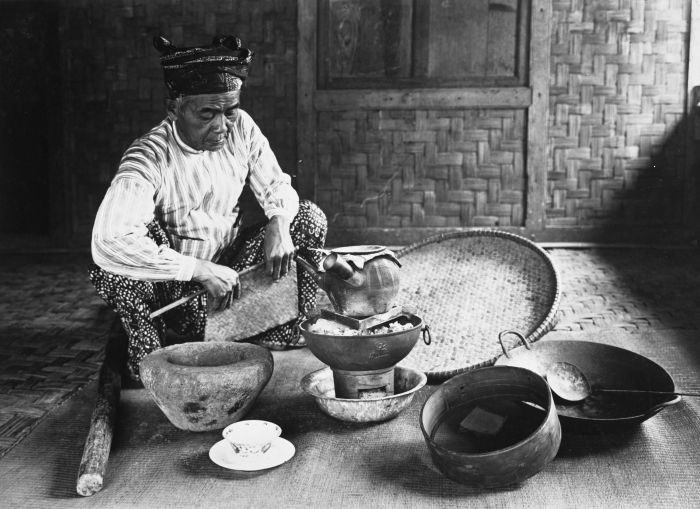 🇮🇩 Indonesia and 2 moreDukun
A traditional healer and spirit medium in Indonesian folk practiceTradition · Healing · Seeing and foretelling Living
🇮🇩 Indonesia and 2 moreDukun
A traditional healer and spirit medium in Indonesian folk practiceTradition · Healing · Seeing and foretelling Living
 🇮🇷 Iran and 4 moreJinnجِنّ
Supernatural beings in Islamic and pre-Islamic Arabian belief, capable of shapeshifting and living in society.Being · Protection · Cursing and harm Living
🇮🇷 Iran and 4 moreJinnجِنّ
Supernatural beings in Islamic and pre-Islamic Arabian belief, capable of shapeshifting and living in society.Being · Protection · Cursing and harm Living