The Morrígan
In its own language: Mórrígan
From Proto-Celtic *Moro-rīganī-s, meaning "Phantom Queen" or "Great Queen"
An Irish goddess of war, fate, and sovereignty who appears as a crow or shape-shifter.
The Morrígan is a figure from Irish mythology linked to war, fate, and the land. She is often described as a trio of sisters who foretell doom in battle and protect the territory through shape-shifting forms like crows and hags.
- Name translates to "Phantom Queen" or "Great Queen"
- Often appears as a trio: Badb, Macha, and Morrígan
- Shape-shifts into crows, wolves, and heifers
- Associated with the Tuatha Dé Danann
- Meets the Dagda on Samhain before battle
What it is
The Morrígan is a prominent figure in Irish mythology, primarily associated with war, fate, and sovereignty. She is frequently depicted as a triple goddess, known collectively as the three Morrígna. These sisters are typically identified as Badb, Macha, and the Morrígan herself, though Nemain is sometimes included in the triad. She serves as a guardian of the land and its people, acting as a manifestation of the earth-goddess. Her presence is felt in battles where she foretells victory or doom, often appearing as a crow or a shape-shifting woman. She influences the outcome of conflicts by inspiring fear in enemies or courage in warriors, linking her closely to the concept of fate and the inevitability of death in combat.
Where it comes from
The earliest references to the Morrígan appear in 8th and 9th-century Latin manuscripts and glossaries. The O'Mulconry's Glossary identifies Macha as one of the three morrígna, while Cormac's Glossary links the plural form to spectres. Narrative appearances emerge in the Ulster Cycle, where she interacts with heroes like Cú Chulainn. In the Mythological Cycle, texts like Lebor Gabála Érenn list her as a daughter of Ernmas and a member of the Tuatha Dé Danann. Scholars note that the interpretation of her as a "war goddess" was significantly shaped by W. M. Hennessy's 1870 work, though earlier sources emphasize her role in land and sovereignty.
How it is done
The Morrígan operates through direct intervention and omens rather than ritual spells. She appears to warriors in various forms: a black bird on a branch, an eel tripping an opponent, a wolf stampeding cattle, or a white heifer leading a charge. She also manifests as a hag washing bloodstained clothes or armor in a ford, signaling impending death. In some accounts, she engages in sexual trysts with gods like the Dagda to gain magical power for battle. Her methods involve psychological warfare, striking fear into enemies, and physically hindering foes during combat through shape-shifting.
Tools and materials
She utilizes animal forms such as the crow, badb, eel, wolf, and heifer to interact with the physical world. A key symbol is the act of washing bloody garments or armor in a river, which serves as an omen of death. Milk is also significant; in one tale, she heals her wounds by drinking milk given by Cú Chulainn. The landscape itself, particularly rivers like the Unius, is tied to her presence, with some sources claiming she created these waterways. Her tools are thus natural elements and transformative shapes.
The Morrígan, drawn and placed
- Living
- Revived
- Fading
- Historical
- Legendary
- Performed
- Lineage
- Tuatha Dé Danann
What it is for
Her primary purpose is to influence the fate of warriors and the security of the land. She foretells death and victory, ensuring that the outcomes of battles align with cosmic order. As a sovereignty goddess, she protects the territory and its people from external aggression. Her actions serve to maintain the balance of power, rewarding bravery and punishing hubris. She also embodies the fierce protection of livestock and the prosperity of the land, linking military success directly to agricultural and social well-being.
Who does it
The Morrígan is a mythological figure, not a subject of contemporary practice. Modern understanding comes from scholars studying ancient texts and folklore. Patricia Lysaght and Máire Herbert have analyzed her role, noting connections to the banshee and emphasizing her tutelary nature over pure warfare. Researchers view her as a complex deity representing both destruction and protection, rather than a simple war god. Her legacy persists in Irish folklore and literary studies, where she is examined as a symbol of national identity and fate.
Peoples and places
The Morrígan is central to Irish mythology, specifically within the traditions of the Tuatha Dé Danann. She is deeply embedded in the Ulster Cycle stories, interacting with heroes like Cú Chulainn and Queen Medb. In the Mythological Cycle, she is part of the divine lineage connected to the kingship of Ireland. The concept of the triple goddess resonates with Celtic numerology, where threeness holds sacred significance. Her associations with the banshee link her to later Irish folk beliefs, showing a continuity between ancient myth and popular superstition regarding omens of death.
At a glance: who, where and when
Peoples
What people believe
She is believed to be a powerful entity capable of shape-shifting and influencing human affairs. Her connection to the Dagda highlights themes of fertility and political power, as their union brings magical aid to the Tuatha Dé. The belief in her triple nature reflects the Celtic emphasis on duality and unity in threes. She is seen as a protector of sovereignty, where the welfare of the people depends on her favor. Her role as a harbinger of death suggests a worldview where fate is immutable and visible through omens like crows or washing hags.
When it is done
A significant event involving the Morrígan occurs on Samhain, when she meets the Dagda before the Battle of Magh Tuireadh. This timing underscores her connection to seasonal transitions and the supernatural. While no specific festivals are dedicated to her, her presence is felt during times of conflict and crisis. The omen of washing armor is associated with the moments preceding battle, linking her to the immediate dangers of war rather than annual cycles.
How scholars and sceptics see it
Scholars debate whether the Morrígan is a single deity or a group of distinct figures. W. M. Hennessy established her as a war goddess, but later researchers like Máire Herbert argue for a broader role encompassing land and sovereignty. Patricia Lysaght connects her to the banshee, highlighting her function as an omen of death. Critics note that the "war goddess" label may be a modern projection, as ancient texts emphasize her protective and territorial aspects. The ambiguity of her triple nature is seen as a feature of Celtic mythology, reflecting fluid identities.
Cautions and what is closed
As a legendary figure, the Morrígan poses no physical risk. However, her association with death and battle carries symbolic weight. In folklore, encountering her or her omens is considered a dire sign, often predicting violent end. The text notes her envious nature and fierce mood, suggesting that offending her can bring misfortune. Modern interpretations caution against simplifying her role to mere violence, recognizing her complex ties to fertility and sovereignty.
Compare and confuse
The Morrígan is often compared to other Celtic triple deities and war figures. Some writers have attempted to link her to Morgan le Fay, but linguistic and cultural differences make this unlikely. Her role as a shape-shifting warrior overlaps with figures like the Greek Furies, yet her sovereignty aspect is unique. The banshee connection distinguishes her from purely martial goddesses, placing her within a broader framework of Irish supernatural beings. Unlike many war gods, she is intimately tied to the land and its prosperity.
Days linked to The Morrígan
Questions people ask about The Morrígan
Who is the Morrígan?
The Morrígan is an Irish mythological figure linked to war, fate, and sovereignty. She is often depicted as a triple goddess who influences battles and foretells doom.
What does her name mean?
The name derives from Proto-Celtic roots, commonly translated as "Phantom Queen" or "Great Queen." It relates to concepts of terror and royalty.
How does she appear in myths?
She shape-shifts into animals like crows, eels, and wolves. She also appears as a hag washing bloody armor, signaling imminent death to warriors.
Is she a war goddess?
While often called a war goddess, scholars note her role extends to protecting the land and sovereignty. She ensures the security and prosperity of her people.
Who are her sisters?
She is part of a triad known as the three Morrígna. Her sisters are typically Badb and Macha, though Nemain is sometimes included in the group.
Good reading and sources
- The Morrígan on WikipediaEncyclopedia
- More photos on Wikimedia CommonsPhotos and video
- Wikidata recordOpen data
The facts on this page come from the Wikipedia article "The Morrígan", written by its contributors and used under the CC BY-SA 4.0 licence, and from its Wikidata record (CC0). EveryJaadu rewrote the text in its own words, with AI assistance, and compares every page with the article to make sure no passage is copied. It may be reused under the same CC BY-SA 4.0 licence with a link back.
It may contain mistakes. Names and customs differ from one community to the next, and some knowledge is closed to outsiders and left out here. This page describes belief and practice. It does not say that any of it works, it is not a how-to, and it is not medical advice. If something is wrong, tell us. Last refreshed 2026-10-05.
More from Ireland
All the entries from Ireland 🇬🇧 United Kingdom and 2 moreKing ArthurBrenin Arthur
A legendary British king and folk hero of medieval literature and Welsh mythologyFigure · Power and authority · Wonder and entertainment Legendary
🇬🇧 United Kingdom and 2 moreKing ArthurBrenin Arthur
A legendary British king and folk hero of medieval literature and Welsh mythologyFigure · Power and authority · Wonder and entertainment Legendary
 🇧🇷 Brazil and 5 moreWhite Lady
A female ghost in white clothing linked to tragedy and omens across many culturesFigure · Cursing and harm · Seeing and foretelling Legendary
🇧🇷 Brazil and 5 moreWhite Lady
A female ghost in white clothing linked to tragedy and omens across many culturesFigure · Cursing and harm · Seeing and foretelling Legendary
 🇬🇧 United Kingdom and 2 moreExcalibur
The mythical sword of King Arthur, symbolizing rightful sovereignty and magical power.Figure · Power and authority Legendary
🇬🇧 United Kingdom and 2 moreExcalibur
The mythical sword of King Arthur, symbolizing rightful sovereignty and magical power.Figure · Power and authority Legendary
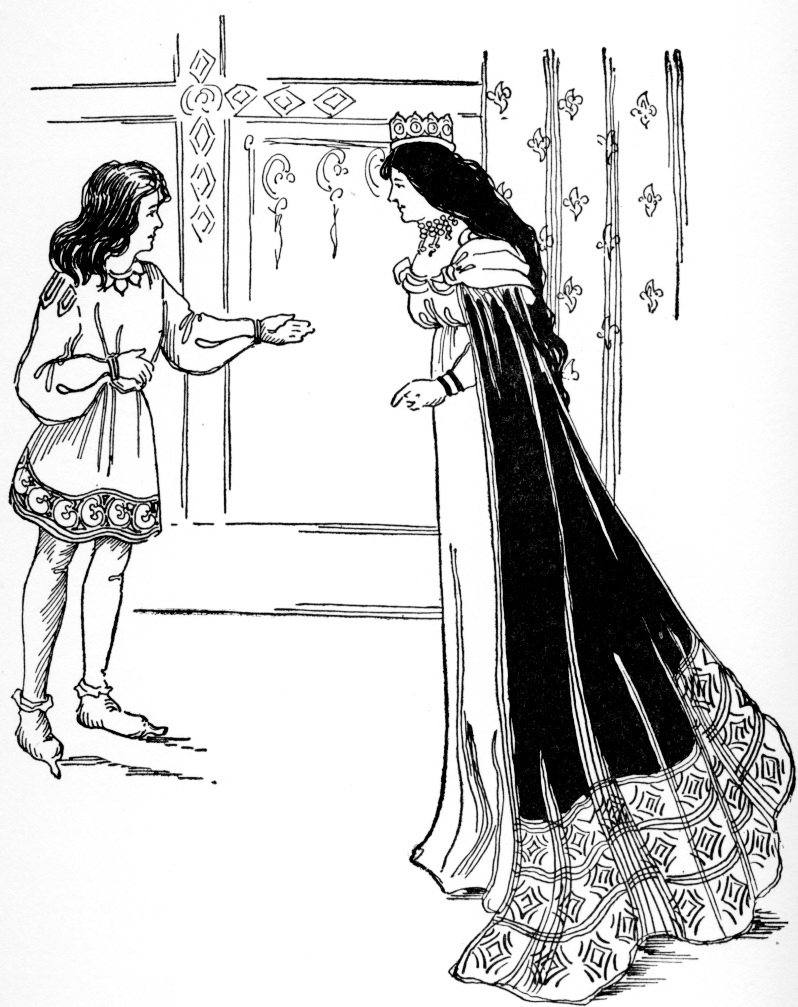 🇬🇧 United Kingdom and 3 moreMorgause
A legendary queen of Orkney and sister to King Arthur in British mythFigure · Power and authority Legendary
🇬🇧 United Kingdom and 3 moreMorgause
A legendary queen of Orkney and sister to King Arthur in British mythFigure · Power and authority Legendary
Related elsewhere
All figure 🇩🇿 Algeria and 1 moreAhmad al-Buniأحمد البوني المالكي
A medieval Sufi scholar known for works on letter mysticism and talismansText · Power and authority · Seeing and foretelling Historical
🇩🇿 Algeria and 1 moreAhmad al-Buniأحمد البوني المالكي
A medieval Sufi scholar known for works on letter mysticism and talismansText · Power and authority · Seeing and foretelling Historical
 🇸🇸 South Sudan and 1 moreAzande witchcraft
A Zande belief that certain people harm others by an inherited power, judged by oraclesBelief · Cursing and harm · Seeing and foretelling Living
🇸🇸 South Sudan and 1 moreAzande witchcraft
A Zande belief that certain people harm others by an inherited power, judged by oraclesBelief · Cursing and harm · Seeing and foretelling Living
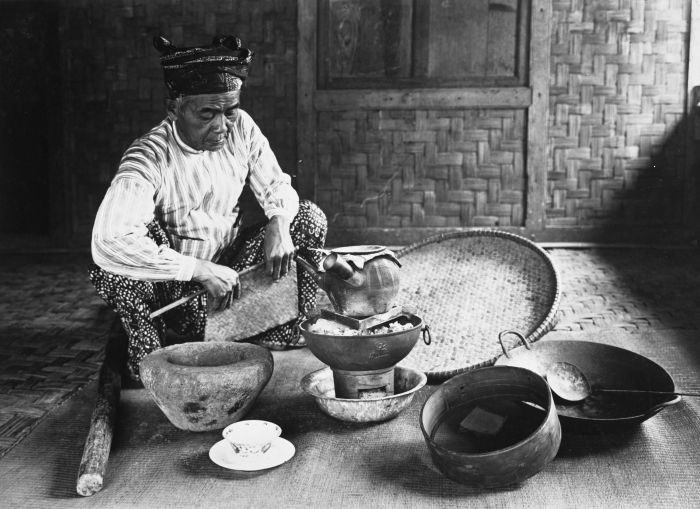 🇮🇩 Indonesia and 2 moreDukun
A traditional healer and spirit medium in Indonesian folk practiceTradition · Healing · Seeing and foretelling Living
🇮🇩 Indonesia and 2 moreDukun
A traditional healer and spirit medium in Indonesian folk practiceTradition · Healing · Seeing and foretelling Living
 🇿🇦 South AfricaSympathetic magic
A magical principle based on imitation and contact to influence the worldTradition · Protection · Healing Historical
🇿🇦 South AfricaSympathetic magic
A magical principle based on imitation and contact to influence the worldTradition · Protection · Healing Historical