
Sebile
Derived from the Cumaean Sibyl, a virgin priestess and prophetess in Ancient Greek mythology
A medieval enchantress who evolved from a classical prophetess into an Arthurian fairy queen
Sebile is a mythical figure from medieval French and Italian literature, often portrayed as a powerful fairy or sorceress. She appears in the Matter of France epics and various Arthurian romances, sometimes serving as a loyal companion to heroes and other times as a seductive antagonist.
- Sebile evolves from the Greek Cumaean Sibyl into a medieval fairy queen
- She appears in the Chanson des Saisnes as the wife of a Saxon king
- In Arthurian tales, she is a powerful sorceress alongside Morgan le Fay
- Antoine de la Sale recorded a legend of her paradise on Monte Sibilla
- Her name is an anagram for Iblis, Lancelot's fairy lover in Lanzelet
What it is
Sebile is a legendary character found in medieval European literature, particularly within French epic poetry and Arthurian romance. She is depicted as a queen, princess, or fairy with significant magical abilities. Her role shifts across different texts, ranging from a noble and faithful lady to a wicked enchantress who uses her powers for seduction or combat. In many stories, she serves as a rival or companion to Morgan le Fay, sharing similar traits as a powerful female mage.
Where it comes from
The character originates from the Classical figure of the Cumaean Sibyl, a prophetess in Ancient Greece. During the Early Middle Ages, this figure was adapted into Christian mythology. By the Late Middle Ages, the character transformed further, losing her prophetic and virginal status to become a lustful magician and fairy queen. This evolution allowed her to be conflated with other figures like Morgan le Fay in later romantic traditions.
Sebile, drawn and placed
- Living
- Revived
- Fading
- Historical
- Legendary
- Performed
- Lineage
- Arthurian legend and Italian folklore
Peoples and places
In the Matter of France, Sebile appears in epics such as the Chanson des Saisnes. Here, she interacts with historical and legendary figures like Charlemagne and Roland. Later versions place her as a daughter of Lombard or Constantinopolitan kings. In Arthurian cycles, she is integrated into the British legend, appearing in German, French, and Venician texts. These stories vary her lineage and alliances, reflecting the fluid nature of medieval oral and written tradition.
At a glance: who, where and when
Belief worlds


How scholars and sceptics see it
Scholars note the textual evolution of Sebile from a religious prophetess to a secular fairy. Alfred Foulet summarized this shift, describing the transition from a god-possessed human to a mediaeval fay who entices heroes. Researchers analyze how these changes reflect broader cultural shifts in the perception of women, magic, and desire in medieval literature.
Compare and confuse
Sebile is frequently compared to Morgan le Fay due to their overlapping roles as enchantresses. The name Sebille is also an anagram for Iblis, the fairy mistress of Lancelot in Ulrich von Zatzikhoven's Lanzelet. This linguistic connection suggests a shared origin or deliberate literary play between the characters in early Arthurian romance.
Questions people ask about Sebile
Who is Sebile?
Sebile is a mythical medieval figure, often portrayed as a fairy queen or enchantress. She appears in French epics and Arthurian legends, evolving from the ancient Greek prophetess known as the Cumaean Sibyl.
What is Sebile's relationship to Morgan le Fay?
Sebile is often conflated with Morgan le Fay. In many tales, they are rivals, companions, or share similar traits as powerful female mages. Some stories depict them as inseparable, while others show them competing for the affection of knights.
Where does the name Sebile come from?
The name derives from the Classical Cumaean Sibyl. Over centuries, the character was Christianized and then transformed into a mediaeval fairy. The name also appears as an anagram for Iblis in some early Arthurian texts.
Is there a real place associated with Sebile?
Yes, Monte Sibilla in central Italy is linked to a folk legend recorded by Antoine de la Sale. He described it as the site of Queen Sebile's enchanted paradise, where guests could be trapped in eternal bliss.
Good reading and sources
The facts on this page come from the Wikipedia article "Sebile", written by its contributors and used under the CC BY-SA 4.0 licence, and from its Wikidata record (CC0). EveryJaadu rewrote the text in its own words, with AI assistance, and compares every page with the article to make sure no passage is copied. It may be reused under the same CC BY-SA 4.0 licence with a link back.
It may contain mistakes. Names and customs differ from one community to the next, and some knowledge is closed to outsiders and left out here. This page describes belief and practice. It does not say that any of it works, it is not a how-to, and it is not medical advice. If something is wrong, tell us. Last refreshed 2026-10-06.
More from France
All the entries from France 🇬🇧 United Kingdom and 2 moreKing ArthurBrenin Arthur
A legendary British king and folk hero of medieval literature and Welsh mythologyFigure · Power and authority · Wonder and entertainment Legendary
🇬🇧 United Kingdom and 2 moreKing ArthurBrenin Arthur
A legendary British king and folk hero of medieval literature and Welsh mythologyFigure · Power and authority · Wonder and entertainment Legendary
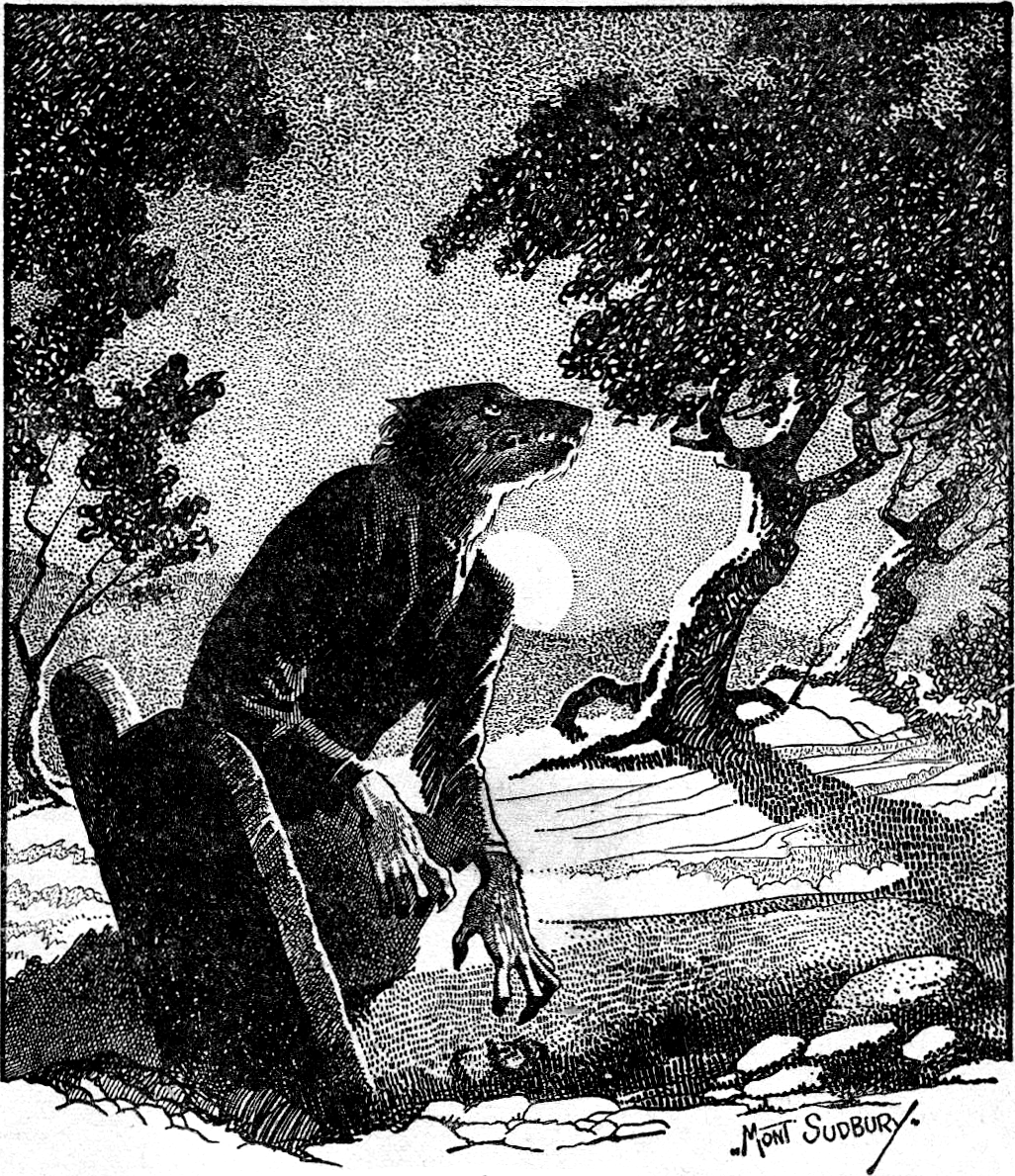 🇫🇷 France and 5 moreWerewolf
A mythical shapeshifter that turns into a wolf, central to European witch-hunts and Gothic horror.Being · Cursing and harm · Wonder and entertainment Legendary
🇫🇷 France and 5 moreWerewolf
A mythical shapeshifter that turns into a wolf, central to European witch-hunts and Gothic horror.Being · Cursing and harm · Wonder and entertainment Legendary
 🇫🇷 FranceHoly GrailSaint Graal
A cup or stone from Arthurian tales that grants healing and eternal lifeFigure · Healing · Luck and prosperity Legendary
🇬🇧 United Kingdom and 1 moreSamuel Liddell MacGregor Mathers
British occultist and co-founder of the Hermetic Order of the Golden DawnFigure Historical
🇫🇷 FranceHoly GrailSaint Graal
A cup or stone from Arthurian tales that grants healing and eternal lifeFigure · Healing · Luck and prosperity Legendary
🇬🇧 United Kingdom and 1 moreSamuel Liddell MacGregor Mathers
British occultist and co-founder of the Hermetic Order of the Golden DawnFigure Historical
Related elsewhere
All figure 🇨🇱 ChileTrauco
A small forest spirit from Chiloé mythology known for seducing women and causing pregnancyBeing · Love and attraction · Cursing and harm Legendary
🇧🇷 Brazil and 1 moreQuimbanda
An Afro-Brazilian religion focused on male and female street spirits for worldly mattersTradition · Protection · Luck and prosperity Living
🇨🇱 ChileTrauco
A small forest spirit from Chiloé mythology known for seducing women and causing pregnancyBeing · Love and attraction · Cursing and harm Legendary
🇧🇷 Brazil and 1 moreQuimbanda
An Afro-Brazilian religion focused on male and female street spirits for worldly mattersTradition · Protection · Luck and prosperity Living
 🇮🇳 India and 5 moreHoliहोली
A Hindu spring festival marked by coloured powders and bonfires to celebrate love and virtue.Tradition · Love and attraction · Cursing and harm Living
🇮🇳 India and 5 moreHoliहोली
A Hindu spring festival marked by coloured powders and bonfires to celebrate love and virtue.Tradition · Love and attraction · Cursing and harm Living
 🇨🇳 China and 2 moreFox spirit狐狸精
A shapeshifting creature from Chinese folklore that can take human form and live for centuries.Being · Cursing and harm · Love and attraction Legendary
🇨🇳 China and 2 moreFox spirit狐狸精
A shapeshifting creature from Chinese folklore that can take human form and live for centuries.Being · Cursing and harm · Love and attraction Legendary