Gangcheori
In its own language: 강철이
from Korean words for iron or metal, reflecting its destructive nature
A fire-breathing dragon from Korean folklore that scorches the land in its wake
Gangcheori is a dragon-shaped monster in Korean mythology. It first appeared in written records during the seventeenth century and became a well-known figure across Korea.
- First recorded in Jibong Yuseol in 1614
- Described as a dragon-shaped monster
- Known for burning everything in its path
- Also called Gangcheol or Kkangcheol
- Popular throughout Korea since the 17th century
What it is
Gangcheori is a creature from Korean mythology described as a dragon-shaped monster. It is known for its ability to cause widespread destruction through fire. The entity is not a benevolent spirit but a force of devastation that leaves ruin in its path. Stories portray it as an ancient danger that communities feared and avoided.
Where it comes from
The monster was introduced into recorded history during the seventeenth century. One of the earliest mentions appears in the text Jibong Yuseol, published in 1614. This work includes an old saying about Gangcheori's movement, comparing its passage to the arrival of spring even in autumn, implying a sudden and intense change. An account by Lee Soo-kwang records an elder describing the beast as something that burns down everything within several miles.
Gangcheori, drawn and placed
- Living
- Revived
- Fading
- Historical
- Legendary
- Performed
- Lineage
- Korean mythology
Peoples and places
The creature is part of Korean cultural heritage and has been popular throughout the country since its introduction. Different names such as Gangcheol, Kkangcheol, and Ggoangcheol appear in various accounts, showing how the legend evolved in local speech. The stories reflect traditional fears of uncontrollable natural disasters like wildfires.
At a glance: who, where and when
Peoples
What people believe
In Korean folklore, Gangcheori represents a terrifying supernatural force. It is believed to possess immense power capable of leveling entire areas. The legends serve as cautionary tales about the dangers of fire and the unpredictability of nature, personified as a monstrous dragon.
How scholars and sceptics see it
Historians and folklorists study Gangcheori to understand seventeenth-century Korean beliefs about monsters and natural phenomena. The Jibong Yuseol provides key evidence of how these myths were documented and transmitted among the population during that period.
Compare and confuse
Gangcheori is similar to other fire dragons in East Asian mythology that bring destruction rather than rain. Its name variations suggest regional differences in how the monster was perceived and named across different parts of Korea.
Today
The legend of Gangcheori remains a part of Korean mythological studies and folklore collections. It is remembered through historical texts and oral traditions that keep the image of the fire-breathing dragon alive in modern cultural memory.
Questions people ask about Gangcheori
What is Gangcheori?
Gangcheori is a dragon-shaped monster from Korean mythology. It is a legendary figure known for its destructive power and ability to burn down large areas of land.
Where does the legend come from?
The legend originates in Korea and was first documented in the seventeenth century. The earliest record is found in the book Jibong Yuseol, published in 1614.
What are the other names for this monster?
It is also known as Gangcheol, Kkangcheol, and Ggoangcheol. These variations reflect different ways the name was spoken in various regions of Korea.
Good reading and sources
The facts on this page come from the Wikipedia article "Gangcheori", written by its contributors and used under the CC BY-SA 4.0 licence, and from its Wikidata record (CC0). EveryJaadu rewrote the text in its own words, with AI assistance, and compares every page with the article to make sure no passage is copied. It may be reused under the same CC BY-SA 4.0 licence with a link back.
It may contain mistakes. Names and customs differ from one community to the next, and some knowledge is closed to outsiders and left out here. This page describes belief and practice. It does not say that any of it works, it is not a how-to, and it is not medical advice. If something is wrong, tell us. Last refreshed 2026-10-07.
More from South Korea
All the entries from South Korea 🇨🇳 China and 2 moreThree-legged crow三足烏
A mythological bird representing the sun in East Asian traditionsFigure · Power and authority · Luck and prosperity Legendary
🇰🇷 South KoreaMago Halmi마고할미
A giant creator goddess in Korean mythology associated with hemp weaving and the separation of heaven and earth.Figure · Wonder and entertainment Legendary
🇨🇳 China and 2 moreThree-legged crow三足烏
A mythological bird representing the sun in East Asian traditionsFigure · Power and authority · Luck and prosperity Legendary
🇰🇷 South KoreaMago Halmi마고할미
A giant creator goddess in Korean mythology associated with hemp weaving and the separation of heaven and earth.Figure · Wonder and entertainment Legendary
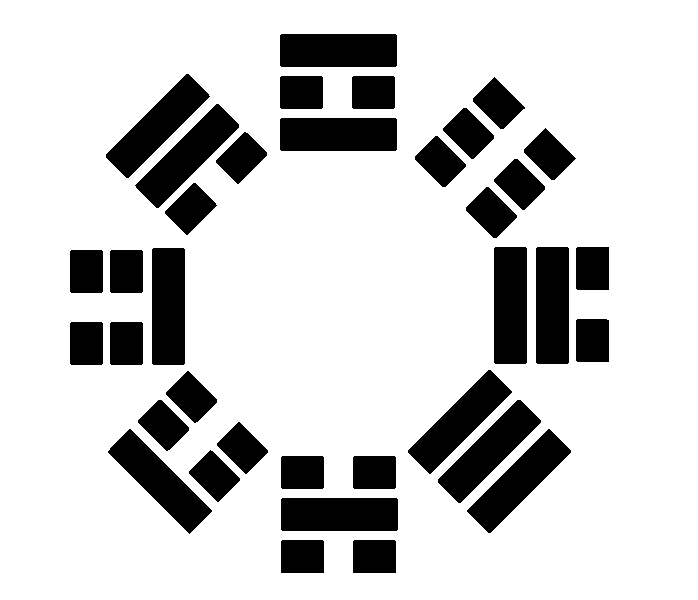 🇨🇳 China and 1 moreBagua八卦
A set of eight trigram symbols from China used in divination, cosmology, and feng shui.Tradition · Seeing and foretelling · Protection Living
🇨🇳 China and 1 moreBagua八卦
A set of eight trigram symbols from China used in divination, cosmology, and feng shui.Tradition · Seeing and foretelling · Protection Living
Related elsewhere
All figure 🇷🇸 Serbia and 5 moreVampire
An undead creature from folklore that feeds on the blood or life force of the livingBeing · Cursing and harm · Luck and prosperity Legendary
🇷🇸 Serbia and 5 moreVampire
An undead creature from folklore that feeds on the blood or life force of the livingBeing · Cursing and harm · Luck and prosperity Legendary
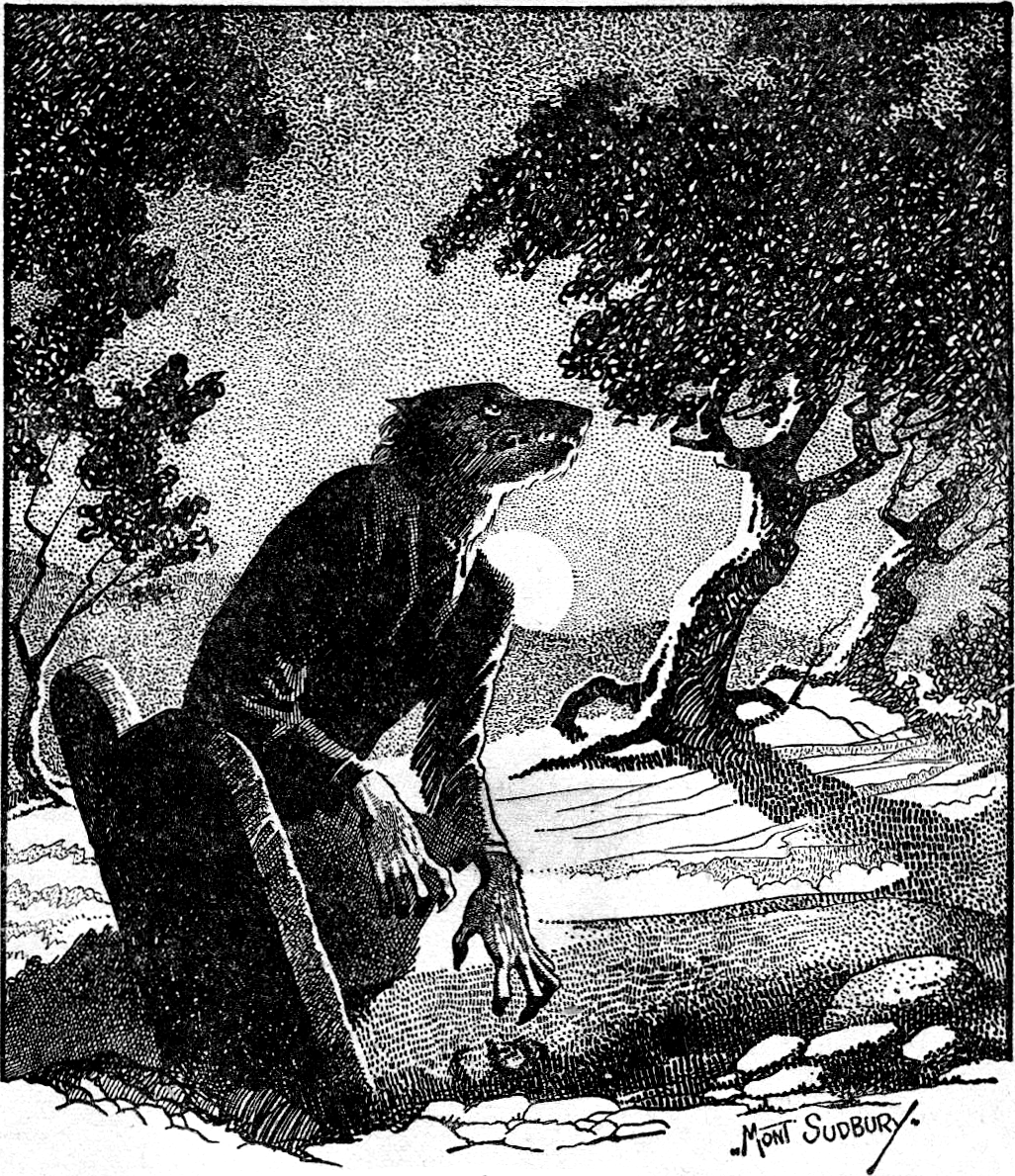 🇫🇷 France and 5 moreWerewolf
A mythical shapeshifter that turns into a wolf, central to European witch-hunts and Gothic horror.Being · Cursing and harm · Wonder and entertainment Legendary
🇫🇷 France and 5 moreWerewolf
A mythical shapeshifter that turns into a wolf, central to European witch-hunts and Gothic horror.Being · Cursing and harm · Wonder and entertainment Legendary
 🇪🇬 Egypt and 1 moreLilithלִילִית
A feminine figure from Mesopotamian and Jewish mythology, often depicted as a night demon or spirit.Being · Cursing and harm Legendary
🇪🇬 Egypt and 1 moreLilithלִילִית
A feminine figure from Mesopotamian and Jewish mythology, often depicted as a night demon or spirit.Being · Cursing and harm Legendary
 🇪🇬 EgyptCurse
A spoken wish for misfortune to befall a person or placeBelief · Cursing and harm · Luck and prosperity Historical
🇪🇬 EgyptCurse
A spoken wish for misfortune to befall a person or placeBelief · Cursing and harm · Luck and prosperity Historical