
Moll Dyer
Moll is a historical nickname for Mary or other names starting with M
A Maryland folktale about a woman accused of witchcraft and her cursed stone
Moll Dyer is a legendary figure from St. Mary's County, Maryland, said to be a 17th-century resident accused of witchcraft. The oral history describes her exile during a harsh winter and her subsequent death while cursing the town that rejected her.
- Moll Dyer Rock was moved to Tudor Hall in 2021
- February 26 is celebrated as Moll Dyer Day
- Legend claims her handprint remains on the stone
- Offerings are left to prevent curse effects
- Inspired characters in horror fiction and ballet
What it is
Moll Dyer is a legendary figure rooted in the oral traditions of St. Mary's County, Maryland. She is described as a 17th-century colonist who became the target of local superstition during a period of famine and disease. The story centers on her accusation of witchcraft, her expulsion from Leonardtown, and her final act of placing a curse upon the community before dying. This narrative serves as a foundational piece of regional lore, blending historical anxieties about survival with supernatural elements.
Where it comes from
The legend likely emerged in the late 1690s, coinciding with actual witchcraft trials in Maryland that ended in acquittals and one execution. While no primary documents confirm Moll Dyer's existence, researchers link the name to women like Mary Dyer transported to Maryland in 1677. The tale was preserved through generations of storytelling, with variations appearing in local newspapers and historical journals throughout the 19th and 20th centuries.
How it is done
According to the folktale, a mob formed after attributing crop failures and illness to witchcraft. They surrounded Moll's home and set it ablaze. She escaped into the freezing woods, eventually collapsing near a large stone. With her right hand on the rock and her left raised to the moon, she uttered a curse against Leonardtown before succumbing to exposure. Her body was later found frozen to the stone.
Tools and materials
The central artifact is a large limestone boulder known as Moll Dyer Rock. Legend holds that her handprint remains on its surface. Visitors often leave small offerings such as flowers, sweets, trinkets, or mittens at the site. These items are believed to help neutralize the curse associated with touching the stone or disturbing the site.
Moll Dyer, drawn and placed
- Living
- Revived
- Fading
- Historical
- Legendary
- Performed
- Lineage
- American colonial folklore
- Timing
- winter night in February
What it is for
The curse is said to bring blighted crops, infertility, child mortality, and familial misfortune to those who wronged her. Conversely, the offerings left at the rock serve a protective purpose, aiming to ward off the bad luck and illness attributed to the spirit. The legend also functions as a cautionary tale about community hysteria and the treatment of outsiders.
Who does it
The story is maintained by local residents and historians in St. Mary's County. It is not practiced by formal religious groups but is kept alive through oral history and community events. Local officials have acknowledged the legend, including the declaration of Moll Dyer Day, integrating the figure into the town's cultural identity rather than a spiritual practice.
Peoples and places
The tale is specific to Maryland, particularly St. Mary's County and Leonardtown. Variations suggest Moll may have originated from England, Ireland, Virginia, or New England, reflecting the diverse colonial population. Some versions identify her as a Native American maid abandoned by a lover, highlighting different social tensions within the colonial setting.
At a glance: who, where and when
Peoples
Belief worlds

What people believe
Believers hold that Moll's spirit haunts the land around Leonardtown, seeking revenge on the men who exiled her. Supernatural reports include shadow people, will-o'-the-wisps, and unnatural fog near Moll Dyer Road. The stone itself is considered dangerous; touching it is said to cause nausea and dizziness, reinforcing the belief in an active, lingering magical force.
When it is done
The events are tied to a harsh winter in February, specifically around 1697. The legend is commemorated annually on February 26, designated as Moll Dyer Day by the Leonardtown mayor. The story is also frequently retold during Halloween celebrations and featured in local historical tours.
How scholars and sceptics see it
Historians note the lack of primary evidence, attributing the story to oral tradition and later newspaper accounts. Scholars view the legend as a reflection of colonial fears during epidemics and witch trials. The connection to real historical figures like Mary Dyer is considered plausible but unverified, illustrating how folklore often grafts onto fragmented historical records.
Cautions and what is closed
The legend warns of the dangers of mob mentality and false accusations. In modern times, the site attracts visitors who may face legal restrictions or safety risks near the historical society grounds. The narrative also touches on the harm caused by superstition, where vulnerable individuals were scapegoated for natural disasters.
Compare and confuse
Moll Dyer is often compared to other American witch legends, such as those influencing The Blair Witch Project. Unlike European witch trials that resulted in mass executions, Maryland's trials were more restrained, which may explain the focus on exile and haunting rather than execution in this specific tale. It shares themes with global folklore about cursed stones and vengeful spirits.
Questions people ask about Moll Dyer
Who was Moll Dyer?
Moll Dyer is a legendary figure from 17th-century Maryland, said to be a woman accused of witchcraft and expelled from Leonardtown. Her story is a local folktale involving a curse and a haunted stone.
Did Moll Dyer really exist?
There is no definitive proof she existed. Historians link the name to women like Mary Dyer recorded in colonial documents, but the specific legend of her curse and death is considered oral history rather than verified fact.
What is Moll Dyer Rock?
It is a large limestone boulder located at Tudor Hall in Leonardtown. Legend says Moll Dyer froze to it while cursing the town, leaving a handprint that is said to cause illness if touched.
Why do people leave offerings at the rock?
Visitors leave flowers, sweets, or trinkets to appease the spirit and avoid the curse. The offerings are believed to neutralize the bad luck, illness, or misfortune associated with the site.
Where does this legend come from?
The legend originates in St. Mary's County, Maryland, emerging from colonial fears during epidemics and witch trials in the late 1600s. It has been passed down through generations as part of regional folklore.
Good reading and sources
- Moll Dyer on WikipediaEncyclopedia
- More photos on Wikimedia CommonsPhotos and video
- Wikidata recordOpen data
The facts on this page come from the Wikipedia article "Moll Dyer", written by its contributors and used under the CC BY-SA 4.0 licence, and from its Wikidata record (CC0). EveryJaadu rewrote the text in its own words, with AI assistance, and compares every page with the article to make sure no passage is copied. It may be reused under the same CC BY-SA 4.0 licence with a link back.
It may contain mistakes. Names and customs differ from one community to the next, and some knowledge is closed to outsiders and left out here. This page describes belief and practice. It does not say that any of it works, it is not a how-to, and it is not medical advice. If something is wrong, tell us. Last refreshed 2026-10-07.
More from the United States
All the entries from the United States 🇺🇸 United StatesSalem Witch Trials
A colonial legal crisis where over two hundred people faced accusations of sorcery in Massachusetts.Belief · Cursing and harm Historical
🇺🇸 United StatesSalem Witch Trials
A colonial legal crisis where over two hundred people faced accusations of sorcery in Massachusetts.Belief · Cursing and harm Historical
 🇺🇸 United States and 1 moreGroundhog DayGrund'sau dåk
A North American custom using a burrowing rodent to forecast the end of winterTradition · Seeing and foretelling · Luck and prosperity Living
🇺🇸 United States and 1 moreGroundhog DayGrund'sau dåk
A North American custom using a burrowing rodent to forecast the end of winterTradition · Seeing and foretelling · Luck and prosperity Living
 🇺🇸 United States and 1 moreMedicine wheel
Circular stone formations built by Indigenous peoples of North America for ceremony and astronomy.Tradition · Speaking with spirits and the dead · Power and authority Living
🇺🇸 United States and 1 moreMedicine wheel
Circular stone formations built by Indigenous peoples of North America for ceremony and astronomy.Tradition · Speaking with spirits and the dead · Power and authority Living
 🇺🇸 United StatesCotton Mather
A Puritan minister and writer known for his role in the Salem witch trials and promotion of smallpox inoculationFigure Historical
🇺🇸 United StatesCotton Mather
A Puritan minister and writer known for his role in the Salem witch trials and promotion of smallpox inoculationFigure Historical
Related elsewhere
All figure 🇫🇷 FranceLady of the LakeDame du Lac
A water spirit who raises knights and captures wizards in Arthurian talesFigure · Protection · Cursing and harm Legendary
🇫🇷 FranceLady of the LakeDame du Lac
A water spirit who raises knights and captures wizards in Arthurian talesFigure · Protection · Cursing and harm Legendary
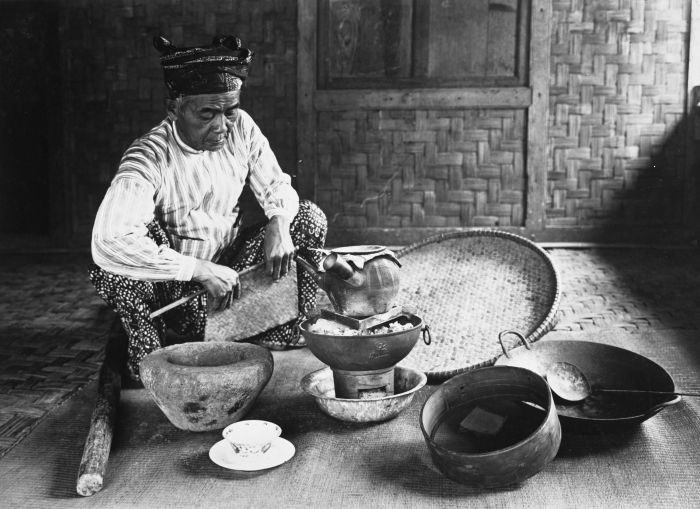 🇮🇩 Indonesia and 2 moreDukun
A traditional healer and spirit medium in Indonesian folk practiceTradition · Healing · Seeing and foretelling Living
🇬🇧 United KingdomGlaistig
A Scottish shape-shifting spirit linked to cattle, deer, and haunted castles.Being · Protection · Cursing and harm Legendary
🇮🇩 Indonesia and 2 moreDukun
A traditional healer and spirit medium in Indonesian folk practiceTradition · Healing · Seeing and foretelling Living
🇬🇧 United KingdomGlaistig
A Scottish shape-shifting spirit linked to cattle, deer, and haunted castles.Being · Protection · Cursing and harm Legendary
 🇮🇷 Iran and 1 moreJinnجِنّ
Supernatural beings in Islamic and pre-Islamic Arabian belief, created from smokeless fire.Being · Protection · Cursing and harm Living
🇮🇷 Iran and 1 moreJinnجِنّ
Supernatural beings in Islamic and pre-Islamic Arabian belief, created from smokeless fire.Being · Protection · Cursing and harm Living