Cursing and harm
Curses, hexes and sorcery as people describe and fear them, with the counter-magic against them.
Cursing and harm are the part of magic that societies fear most. This page describes curses and sorcery as beliefs, and the social role of fear and accusation, and does not give instructions. The evil eye, the curse tablets of the Greek and Roman world, Hebrew and Arabic writings on harmful magic, sorcery in Melanesia and Africa, and the European witch are all part of this subject. Most of the harm recorded is that done to people accused.
What is believed
Many cultures hold that envy, anger or hostile ritual can bring illness, loss or death to a victim. The beliefs differ: in the Mediterranean, the evil eye needs no intent. In Azande society, studied by Evans-Pritchard, witchcraft was an inherited substance that explained why misfortune struck one person and not another. Greek and Roman lead curse tablets, often addressed to gods of the underworld, show the belief was written down in antiquity.
Accusation as social force
Where harm is feared, accusation follows. Anthropologists have shown that charges of witchcraft often follow tension inside a family or village, such as inheritance, jealousy or a sudden death. Accusers are usually in conflict with the accused, who is more likely to be old, poor, widowed or marginal. The belief can enforce norms and also destroy people. People also fear being accused, since an accusation can arrive without warning and can follow a family for generations.
Persecution and its present
European and colonial American witch trials, from the fifteenth to the eighteenth century, put tens of thousands to death, including the Salem trials of 1692. The practice has not ended. Mobs and families still attack accused people in parts of Africa, India, Papua New Guinea and elsewhere, and Saudi Arabia has executed people for sorcery. Albino people have been killed for body parts in East Africa. Several states are drafting or enforcing laws against accusation itself.
Counter-magic and scholarship
Where harm is feared, so is protection: amulets, cleansing, and a specialist who can say who sent it. Scholars see curses as a language of grievance, and psychologists have documented the nocebo effect, in which belief in harm can bring on real distress. A person who is afraid should seek medical and social help, and talk to someone they trust. People who believe they have been cursed should be helped to find practical support, including from health services, and not left alone with fear.
Cursing and harm on EveryJaadu
The entries written up so far, best known first.
 🇷🇺 Russia and 2 moreSupernatural beings in Slavic religion
Mythic entities of nature, death, and fate in Slavic folklore and belief.Being · Protection · Cursing and harm Legendary
🇹🇼 TaiwanMo-sin-a魔神仔
A short, furry forest demon from Taiwanese folklore said to lure travelers into the mountains.Being · Cursing and harm Legendary
🇧🇷 BrazilBestial beastBesta-fera
A centaur-like creature in Brazilian folklore thought to be the Devil.Being · Cursing and harm Legendary
🇷🇺 Russia and 2 moreSupernatural beings in Slavic religion
Mythic entities of nature, death, and fate in Slavic folklore and belief.Being · Protection · Cursing and harm Legendary
🇹🇼 TaiwanMo-sin-a魔神仔
A short, furry forest demon from Taiwanese folklore said to lure travelers into the mountains.Being · Cursing and harm Legendary
🇧🇷 BrazilBestial beastBesta-fera
A centaur-like creature in Brazilian folklore thought to be the Devil.Being · Cursing and harm Legendary
 🇨🇱 ChileCamahueto
A one-horned river bull from Chilote folklore that drags people to the seaBeing · Cursing and harm Legendary
🇭🇺 HungaryLidérc
A shape-shifting spirit from Hungarian folklore that brings wealth or illness.Being · Cursing and harm · Luck and prosperity Legendary
🇨🇱 ChileCamahueto
A one-horned river bull from Chilote folklore that drags people to the seaBeing · Cursing and harm Legendary
🇭🇺 HungaryLidérc
A shape-shifting spirit from Hungarian folklore that brings wealth or illness.Being · Cursing and harm · Luck and prosperity Legendary
 🇧🇷 BrazilCapelobo
A Brazilian monster with a long snout that feeds on blood and brainsBeing · Cursing and harm Legendary
🇮🇹 ItalyMazapégul
A mischievous elf of Romagna with a red cap that steals sleep and braids horse manesBeing · Cursing and harm · Luck and prosperity Historical
🇧🇷 BrazilCapelobo
A Brazilian monster with a long snout that feeds on blood and brainsBeing · Cursing and harm Legendary
🇮🇹 ItalyMazapégul
A mischievous elf of Romagna with a red cap that steals sleep and braids horse manesBeing · Cursing and harm · Luck and prosperity Historical
 🇩🇪 GermanyFeldgeist
German folk creatures tied to crops, weather and harvest ritualsBeing · Cursing and harm · Luck and prosperity Historical
🇨🇱 Chile and 3 moreGualichu
An evil spirit feared in Mapuche and Tehuelche traditions, and a word for bad luckBeing · Cursing and harm Historical
🇩🇪 GermanyFeldgeist
German folk creatures tied to crops, weather and harvest ritualsBeing · Cursing and harm · Luck and prosperity Historical
🇨🇱 Chile and 3 moreGualichu
An evil spirit feared in Mapuche and Tehuelche traditions, and a word for bad luckBeing · Cursing and harm Historical
 🇺🇸 United States and 2 moreHoop snake
A legendary rolling serpent found in North American and Australian folkloreBeing · Cursing and harm Legendary
🇦🇷 ArgentinaLegendary creatures of the Argentine Northwest region
Myths and spirits from the Andean highlands of ArgentinaBeing · Protection · Cursing and harm Historical
🇳🇮 Nicaragua and 3 moreHeadless priestel cura sin cabeza / paring pugot
A headless Catholic spirit that haunts Central America and the Philippines as a warning against sacrilege.Being · Cursing and harm · Cleansing and purification Living
🇪🇸 SpainTrenti
A forest goblin from Cantabrian mythology known for pranks and mischiefBeing · Cursing and harm Legendary
🇫🇮 FinlandRahko
A Finnish mythic figure linked to the darkening of the Moon and nightmaresBeing · Cursing and harm Legendary
🇦🇱 AlbaniaLugat
A shadow-dwelling vampire of Albanian folklore that attacks sleepers and hides in ruins.Being · Cursing and harm Legendary
🇬🇧 United Kingdom and 1 moreBogle
A Northumbrian and Scots household spirit or ghost known for perplexing people.Being · Cursing and harm · Wonder and entertainment Historical
🇺🇸 United States and 2 moreHoop snake
A legendary rolling serpent found in North American and Australian folkloreBeing · Cursing and harm Legendary
🇦🇷 ArgentinaLegendary creatures of the Argentine Northwest region
Myths and spirits from the Andean highlands of ArgentinaBeing · Protection · Cursing and harm Historical
🇳🇮 Nicaragua and 3 moreHeadless priestel cura sin cabeza / paring pugot
A headless Catholic spirit that haunts Central America and the Philippines as a warning against sacrilege.Being · Cursing and harm · Cleansing and purification Living
🇪🇸 SpainTrenti
A forest goblin from Cantabrian mythology known for pranks and mischiefBeing · Cursing and harm Legendary
🇫🇮 FinlandRahko
A Finnish mythic figure linked to the darkening of the Moon and nightmaresBeing · Cursing and harm Legendary
🇦🇱 AlbaniaLugat
A shadow-dwelling vampire of Albanian folklore that attacks sleepers and hides in ruins.Being · Cursing and harm Legendary
🇬🇧 United Kingdom and 1 moreBogle
A Northumbrian and Scots household spirit or ghost known for perplexing people.Being · Cursing and harm · Wonder and entertainment Historical
 🇩🇲 DominicaBelie Belcan
A loa of justice and protection in Dominican Vudú, linked to Saint Michael.Being · Protection · Cursing and harm Living
🇹🇹 Trinidad and Tobago and 1 moreDouen
A faceless creature with backwards feet from Trinidad and Tobago folkloreBeing · Cursing and harm Legendary
🇩🇲 DominicaBelie Belcan
A loa of justice and protection in Dominican Vudú, linked to Saint Michael.Being · Protection · Cursing and harm Living
🇹🇹 Trinidad and Tobago and 1 moreDouen
A faceless creature with backwards feet from Trinidad and Tobago folkloreBeing · Cursing and harm Legendary
 🇮🇷 IranAkvan Divاکوان دیو
A shape-shifting demon from Persian mythology that disguises itself as a wild horse.Being · Cursing and harm Legendary
🇬🇧 United KingdomMaggy Moulach
A Scottish brownie known for her hair and fierce protection of her kinBeing · Power and authority · Cursing and harm Legendary
🇺🇸 United StatesWoman in Black
A spectral figure from Appalachian folklore said to punish men for moral failingsBeing · Cursing and harm · Protection Legendary
🇲🇳 MongoliaAlmaz
A feral forest spirit from the North Caucasus with magical hair and a split nature.Being · Cursing and harm Legendary
🇷🇴 RomaniaSântoaderi
Supernatural beings in Romanian folklore known for causing illness through music and danceBeing · Cursing and harm · Luck and prosperity Legendary
🇮🇷 IranAkvan Divاکوان دیو
A shape-shifting demon from Persian mythology that disguises itself as a wild horse.Being · Cursing and harm Legendary
🇬🇧 United KingdomMaggy Moulach
A Scottish brownie known for her hair and fierce protection of her kinBeing · Power and authority · Cursing and harm Legendary
🇺🇸 United StatesWoman in Black
A spectral figure from Appalachian folklore said to punish men for moral failingsBeing · Cursing and harm · Protection Legendary
🇲🇳 MongoliaAlmaz
A feral forest spirit from the North Caucasus with magical hair and a split nature.Being · Cursing and harm Legendary
🇷🇴 RomaniaSântoaderi
Supernatural beings in Romanian folklore known for causing illness through music and danceBeing · Cursing and harm · Luck and prosperity Legendary
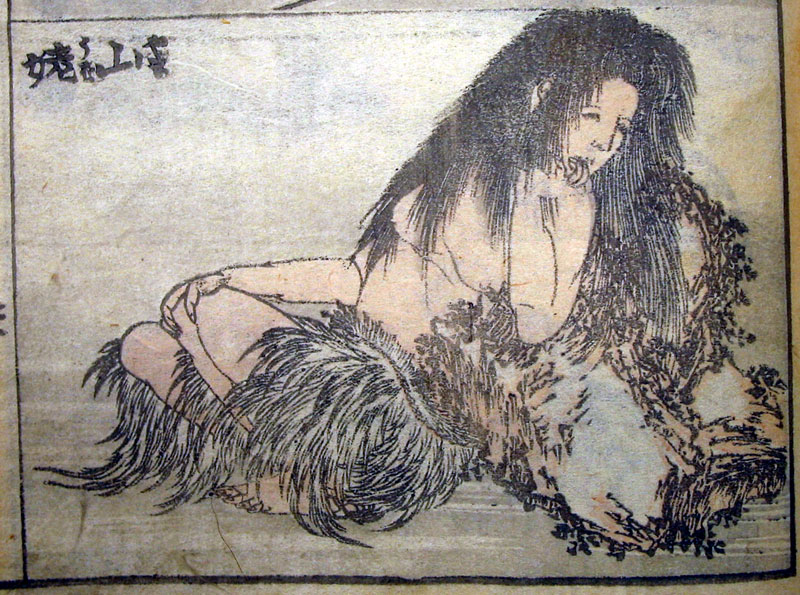 🇯🇵 JapanYama-uba山姥
A Japanese mountain spirit depicted as either a cannibalistic monster or a benevolent guardian.Being · Cursing and harm · Luck and prosperity Legendary
🇯🇵 JapanYama-uba山姥
A Japanese mountain spirit depicted as either a cannibalistic monster or a benevolent guardian.Being · Cursing and harm · Luck and prosperity Legendary
 🇯🇵 JapanShidaidaka次第高
A tall spirit in Japan that grows when you look up and shrinks when you look down.Being · Cursing and harm Legendary
🇯🇵 JapanShidaidaka次第高
A tall spirit in Japan that grows when you look up and shrinks when you look down.Being · Cursing and harm Legendary
 🇸🇾 SyriaEchidnaΈχιδνα
A half-woman, half-snake monster in Greek myth who mothered many famous beastsBeing · Cursing and harm Legendary
🇺🇸 United StatesChepi
A spirit of the dead in Narragansett belief, called upon for vengeance.Being · Cursing and harm · Speaking with spirits and the dead Historical
🇸🇾 SyriaEchidnaΈχιδνα
A half-woman, half-snake monster in Greek myth who mothered many famous beastsBeing · Cursing and harm Legendary
🇺🇸 United StatesChepi
A spirit of the dead in Narragansett belief, called upon for vengeance.Being · Cursing and harm · Speaking with spirits and the dead Historical
 🇮🇸 IcelandGrýla
A monstrous Icelandic troll associated with Christmas and the Yule LadsBeing · Cursing and harm Living
🇮🇸 IcelandGrýla
A monstrous Icelandic troll associated with Christmas and the Yule LadsBeing · Cursing and harm Living
 🇬🇷 GreeceHarpyἅρπυια (hárpyia)
Half-human, half-bird creatures from Greek and Roman myth, often seen as storm winds or snatchers of food.Being · Cursing and harm · Wonder and entertainment Legendary
🇮🇳 IndiaBramrachokh
A demon in Kashmiri myth that mimics a light to lead travellers astrayBeing · Cursing and harm Legendary
🇬🇷 GreeceHarpyἅρπυια (hárpyia)
Half-human, half-bird creatures from Greek and Roman myth, often seen as storm winds or snatchers of food.Being · Cursing and harm · Wonder and entertainment Legendary
🇮🇳 IndiaBramrachokh
A demon in Kashmiri myth that mimics a light to lead travellers astrayBeing · Cursing and harm Legendary
 🇨🇴 ColombiaMohan
A forest spirit and ancestor soul in Colombian Indigenous folkloreBeing · Cursing and harm · Speaking with spirits and the dead Legendary
🇨🇱 ChileWarlock of Chiloébrujo chilote
A legendary network of sorcerers from the Chilean archipelago and their mythical powers.Belief · Cursing and harm · Power and authority Legendary
🇨🇴 ColombiaMohan
A forest spirit and ancestor soul in Colombian Indigenous folkloreBeing · Cursing and harm · Speaking with spirits and the dead Legendary
🇨🇱 ChileWarlock of Chiloébrujo chilote
A legendary network of sorcerers from the Chilean archipelago and their mythical powers.Belief · Cursing and harm · Power and authority Legendary
 🇩🇪 Germany and 3 moreDrude
A Germanic nightmare spirit and the pentagram charm used to keep it outBeing · Cursing and harm · Protection Historical
🇩🇪 Germany and 3 moreDrude
A Germanic nightmare spirit and the pentagram charm used to keep it outBeing · Cursing and harm · Protection Historical
 🇮🇩 IndonesiaBabi ngepet
A Javanese myth about a person who turns into a boar to steal wealthBeing · Luck and prosperity · Cursing and harm Legendary
🇮🇩 IndonesiaBabi ngepet
A Javanese myth about a person who turns into a boar to steal wealthBeing · Luck and prosperity · Cursing and harm Legendary
 🇪🇸 SpainGuajona
A blood-sucking hag from Cantabrian and Asturian legendBeing · Cursing and harm Legendary
🇪🇸 SpainGuajona
A blood-sucking hag from Cantabrian and Asturian legendBeing · Cursing and harm Legendary
 🇮🇱 Israel and 2 moreTanninתַּנִּין
A sea monster of chaos in Canaanite and Hebrew myth, later a symbol for Egypt and Babylon.Being · Cursing and harm Legendary
🇷🇸 SerbiaBaukБаук
A bear-like creature from Serbian folklore that lurks in the dark.Being · Cursing and harm Legendary
🇯🇵 JapanAyakashi妖
Water spirits and ghost lights in Japanese folkloreBeing · Cursing and harm · Luck and prosperity Historical
🇧🇷 BrazilLobisomem
A South American shape-shifter born from family fate or sin, often linked to the full moon.Being · Cursing and harm Legendary
🇮🇱 Israel and 2 moreTanninתַּנִּין
A sea monster of chaos in Canaanite and Hebrew myth, later a symbol for Egypt and Babylon.Being · Cursing and harm Legendary
🇷🇸 SerbiaBaukБаук
A bear-like creature from Serbian folklore that lurks in the dark.Being · Cursing and harm Legendary
🇯🇵 JapanAyakashi妖
Water spirits and ghost lights in Japanese folkloreBeing · Cursing and harm · Luck and prosperity Historical
🇧🇷 BrazilLobisomem
A South American shape-shifter born from family fate or sin, often linked to the full moon.Being · Cursing and harm Legendary
 🇩🇪 Germany and 1 moreAufhocker
A German folklore spirit that leaps on travelers and weighs them down.Being · Cursing and harm Legendary
🇫🇷 France and 1 moreDames Blanches
Spectral women in French folklore who demand dances or warn of dangerBeing · Cursing and harm · Protection Legendary
🇯🇵 JapanYamajijii山爺
A one-eyed mountain spirit from Shikoku folklore known for its thunderous voice and unpredictable nature.Being · Cursing and harm · Luck and prosperity Historical
🇩🇪 Germany and 1 moreAufhocker
A German folklore spirit that leaps on travelers and weighs them down.Being · Cursing and harm Legendary
🇫🇷 France and 1 moreDames Blanches
Spectral women in French folklore who demand dances or warn of dangerBeing · Cursing and harm · Protection Legendary
🇯🇵 JapanYamajijii山爺
A one-eyed mountain spirit from Shikoku folklore known for its thunderous voice and unpredictable nature.Being · Cursing and harm · Luck and prosperity Historical
 🇷🇺 Russia and 5 moreFiredrakeognennyi zmei
A European dragon myth born from sightings of shooting stars and will-o'-the-wispsBeing · Cursing and harm · Luck and prosperity Historical
🇮🇳 IndiaBaakবাক
A shapeshifting water spirit from Assamese folklore that mimics humans and fears torn nets.Being · Cursing and harm · Wonder and entertainment Living
🇷🇺 Russia and 5 moreFiredrakeognennyi zmei
A European dragon myth born from sightings of shooting stars and will-o'-the-wispsBeing · Cursing and harm · Luck and prosperity Historical
🇮🇳 IndiaBaakবাক
A shapeshifting water spirit from Assamese folklore that mimics humans and fears torn nets.Being · Cursing and harm · Wonder and entertainment Living
 🇯🇵 JapanShinigami死神
A Japanese spirit or deity associated with inviting humans toward deathBeing · Cursing and harm Historical
🇯🇵 JapanShinigami死神
A Japanese spirit or deity associated with inviting humans toward deathBeing · Cursing and harm Historical
 🇸🇪 Sweden and 1 moreStalloStállu
A large, clumsy creature from Sámi folklore that eats people and is often outwitted by humans.Being · Cursing and harm · Wonder and entertainment Historical
🇸🇪 Sweden and 1 moreStalloStállu
A large, clumsy creature from Sámi folklore that eats people and is often outwitted by humans.Being · Cursing and harm · Wonder and entertainment Historical
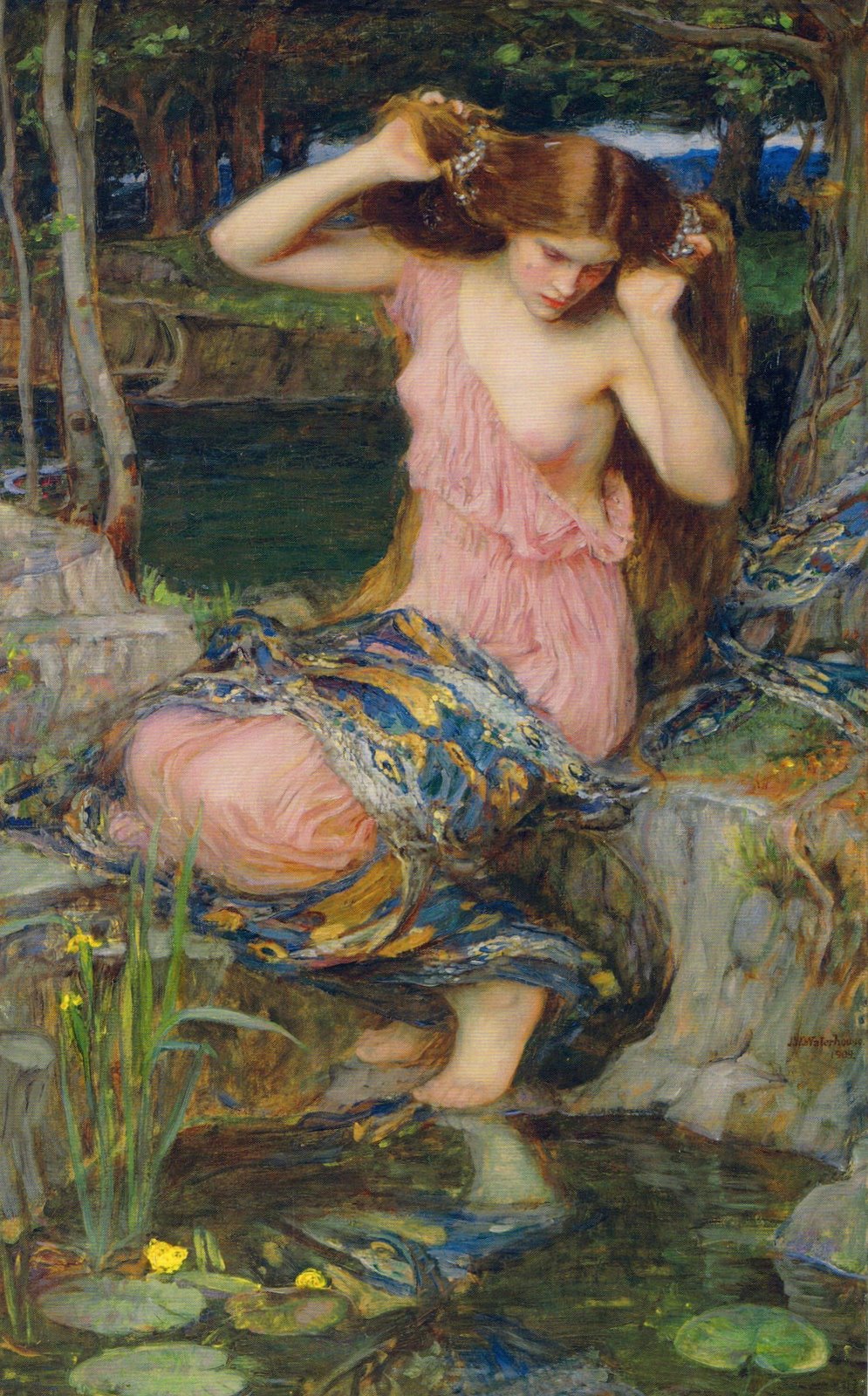 🇪🇸 SpainXana
A water spirit of Asturian myth who offers treasures or madness to those who hear her song.Being · Luck and prosperity · Cursing and harm Legendary
🇪🇸 SpainXana
A water spirit of Asturian myth who offers treasures or madness to those who hear her song.Being · Luck and prosperity · Cursing and harm Legendary
Photo credits on this page
The small pictures above come from Wikimedia Commons under free licences. Some are cropped to fit.
- Mohan: Sanjuan, Public domain, source
- Supernatural beings in Slavic religion: Bartolomeo Giuliano, CC BY-SA 3.0, source
- Shidaidaka: by Reggaeman, CC BY-SA 3.0, source
- Grýla: Andrii Gladii, CC BY-SA 4.0, source
- Shinigami: 日: Jnn, CC BY 2.1 jp, source
- Stallo: John Bauer, Public domain, source
- Xana: John William Waterhouse, Public domain, source
- Div: Unknown Calligrapher, Public domain, source
- Camahueto: Rjcastillo, CC BY 4.0, source
- Capelobo: Di (they-them), CC BY-SA 4.0, source
- Feldgeist: Zwoelefant, CC BY-SA 3.0, source
- Hoop snake: Fearsome Critters, Written by Henry H. Tryon • Illustrated by Margaret, CC0, source
- Belie Belcan: Domfranciscorodrigues, CC BY-SA 3.0, source
- Yama-uba: Unknown author, Public domain, source
- Echidna: Daderot, Public domain, source
- Harpy: Unknown, near the Tyrrhenian Group?, CC BY-SA 2.0, source
- Drude: Ramessos, Public domain, source
- Babi ngepet: Tropenmuseum, CC BY-SA 3.0, source
- Guajona: Francisco Goya / Francisco Goya, Public domain, source
- Tannin: Zakariya al-Qazwini, Public domain, source
- Aufhocker: Longbow4u, Public domain, source
- Firedrake: Ramesh Kumar R, CC BY-SA 4.0, source