Idlirvirissong
A sky spirit who tests the dead with a dance and punishes laughter by disembowelling them.
Idlirvirissong is an evil spirit in Inuit mythology from Greenland and Baffin Island. She waits in the sky to receive newly deceased souls, offering a test where laughing at her grotesque dance results in death by disembowelment.
- Idlirvirissong lives in the sky with dogs.
- She tests the dead by dancing and chanting.
- Laughing causes her to cut open the victim's belly.
- Intestines are placed on a qengmerping plate.
- The Moon Spirit warns people against her tricks.
What it is
Idlirvirissong is a demonic figure in the spiritual beliefs of Inuit communities across Greenland and Baffin Island. Most accounts describe her as female, though some traditions identify her as male. She resides in a dwelling high in the heavens, accompanied by a pack of dogs. Her role involves greeting souls that have recently passed away. She performs a dance while chanting about seeking food for her animals. This act serves as a trial for the arriving spirits. Those who find humor in her movements face a violent fate. The spirit cuts open their bodies and feeds their intestines to her dogs on a special plate. Spirits that remain serious are allowed to pass safely.
Where it comes from
The spirit is linked to celestial figures within Inuit cosmology. Some versions state she opposes the Sun spirit. Other accounts name her as the cousin of Aningan, the Moon spirit. In Smith Sound traditions, Aningan actively warns people against laughing in her presence. Regional variations exist under different names. In parts of Greenland, she is called Erdlaveersissok, meaning entrail-seizer. On Baffin Island, a similar entity named Ululiernang appears. Explorer Knud Rasmussen recorded a detailed account from Orulo, an Inuk woman. This version describes Ululiarnåq as a woman with a hollow back and missing entrails. She wears a short tunic with a pointed hood and has oddly tattooed facial patterns designed to provoke laughter.
How it is done
The spirit interacts with the deceased in the afterlife. She dances and hops in a ludicrous manner, often dropping a white dish stained with fat onto the floor. She leaps after it, twisting her body in sensual and funny gestures. Pale, shrunken men surround her; these are previous victims eager to see others suffer. If a soul smiles or laughs, she instantly uses an ulo knife to slit their belly. The process is so rapid that entrails fall into her dish before the smile fully forms. The Moon Man attempts to keep her out of his house but sometimes fails. He warns people against her tricks, unlike other great spirits who allow their satellites to cause harm freely.
Tools and materials
Idlirvirissong utilizes several items associated with her role. She owns many dogs that consume the entrails of those who fail her test. A plate known as a qengmerping holds the remains. In the Ululiarnåq variant, she carries an ulo, a traditional women's knife. She also uses a white dish that becomes stained with fat from her victims. Her clothing includes a tunic that is too short and ends in a pointed hood. Her face bears odd tattoos intended to make observers laugh.
Idlirvirissong, drawn and placed
- Living
- Revived
- Fading
- Historical
- Legendary
- Performed
- Lineage
- Inuit mythology
- Timing
- after death
What it is for
The spirit serves as a judge of the dead. Her actions determine whether a soul faces destruction or safe passage. The test relies on emotional control. Laughing indicates a lack of seriousness or respect. The outcome is immediate physical violence for those who fail. The spirit feeds the remains to her dogs. This practice reinforces the importance of solemnity during death rituals. It also highlights the power dynamics between celestial beings. The Moon Spirit protects humans from her, while other spirits do not intervene.
Who does it
Scholars and anthropologists study this figure through recorded myths. Knud Rasmussen documented stories from local Inuit informants like Orulo. No living practitioners perform rites dedicated to Idlirvirissong today. The figure exists solely within oral traditions and mythological narratives. Researchers analyze how these stories reflect cultural values regarding death and behavior.
Peoples and places
The spirit is central to Inuit mythology in Greenland and Baffin Island. Different regions use distinct names for similar entities. Greenlandic Inuit know her as Erdlaveersissok. Baffin Island Inuit refer to Ululiernang or Ululiarnåq. These variations show regional differences in storytelling. Despite name changes, the core elements remain consistent. The spirit always tests the dead with laughter. The punishment always involves disembowelment. The connection to the Moon Spirit is a common thread. The Moon Spirit acts as a protective figure against her malice.
At a glance: who, where and when
Occasions
What people believe
Idlirvirissong represents a dark force in the celestial realm. She opposes the Sun and challenges the Moon. Her existence explains the dangers of the afterlife. The belief system emphasizes the need for composure when facing death. Laughter is seen as a fatal flaw in this context. The spirit's cruelty reflects broader themes of cosmic balance. The Moon Spirit's kindness contrasts with her malice. Other spirits, like the Sea and Air spirits, allow their satellites to harm humans without interference. This distinction elevates the Moon Spirit's status as a benevolent guardian.
When it is done
The spirit operates in the afterlife, not on a specific calendar date. Her activity begins when a person dies. Newly deceased souls arrive in her domain immediately. There are no seasonal festivals or monthly events tied to her. The interaction occurs privately between the spirit and the soul. The timing is strictly linked to individual mortality rather than communal cycles.
How scholars and sceptics see it
Anthropologists and historians document Idlirvirissong through ethnographic records. Knud Rasmussen's Fifth Thule Expedition provided key insights. His work captures local perspectives on celestial beings. Scholars note the psychological function of such myths. The stories teach emotional regulation and respect for the dead. They also illustrate complex relationships between gods and spirits. The variation in names across regions shows cultural adaptation. Researchers compare these figures to other trickster or death spirits globally.
Cautions and what is closed
The spirit inflicts severe physical harm on those who laugh. Victims suffer disembowelment and death. Their entrails are fed to dogs. This violence is described as immediate and brutal. The pale, shrunken men surrounding her serve as warnings. They represent past victims who now encourage others to suffer. The narrative emphasizes the lethal consequences of failing the test. There are no modern health risks or legal issues associated with the spirit. The caution is purely mythological, advising solemnity in death contexts.
Compare and confuse
Idlirvirissong shares traits with other death spirits worldwide. Like many figures, she tests the dead. The requirement for silence or seriousness is common in afterlife myths. The punishment of disembowelment is distinctive. Similar entities exist in other Inuit regions under different names. The Moon Spirit's protective role parallels other celestial guardians. The contrast with the Sea and Air spirits highlights unique theological structures. These comparisons help scholars understand Inuit cosmology relative to other indigenous belief systems.
Questions people ask about Idlirvirissong
What is Idlirvirissong?
Idlirvirissong is an evil spirit in Inuit mythology from Greenland and Baffin Island. She waits in the sky to receive newly deceased souls and tests them with a dance.
What happens if you laugh at Idlirvirissong?
If a soul laughs at her dance, she cuts open their body and feeds their intestines to her dogs on a special plate. Those who remain serious are spared.
Is Idlirvirissong related to other spirits?
Yes, she is said to be the cousin of the Sun spirit or the Moon spirit Aningan. Aningan warns people not to laugh in her presence.
Does Idlirvirissong have other names?
Yes, she is known as Irdlirvirisissong, Erdlaveersissok in Greenland, and Ululiernang or Ululiarnåq on Baffin Island.
Good reading and sources
The facts on this page come from the Wikipedia article "Idlirvirissong", written by its contributors and used under the CC BY-SA 4.0 licence, and from its Wikidata record (CC0). EveryJaadu rewrote the text in its own words, with AI assistance, and compares every page with the article to make sure no passage is copied. It may be reused under the same CC BY-SA 4.0 licence with a link back.
It may contain mistakes. Names and customs differ from one community to the next, and some knowledge is closed to outsiders and left out here. This page describes belief and practice. It does not say that any of it works, it is not a how-to, and it is not medical advice. If something is wrong, tell us. Last refreshed 2026-10-07.
More from Greenland
All the entries from Greenland 🇮🇸 Iceland and 3 moreDraugr
A malevolent undead revenant from Nordic folklore, often guarding buried treasure.Being · Cursing and harm · Luck and prosperity Legendary
🇮🇸 Iceland and 3 moreDraugr
A malevolent undead revenant from Nordic folklore, often guarding buried treasure.Being · Cursing and harm · Luck and prosperity Legendary
Related elsewhere
All being 🇷🇸 Serbia and 5 moreVampire
An undead creature from folklore that feeds on the blood or life force of the livingBeing · Cursing and harm · Luck and prosperity Legendary
🇷🇸 Serbia and 5 moreVampire
An undead creature from folklore that feeds on the blood or life force of the livingBeing · Cursing and harm · Luck and prosperity Legendary
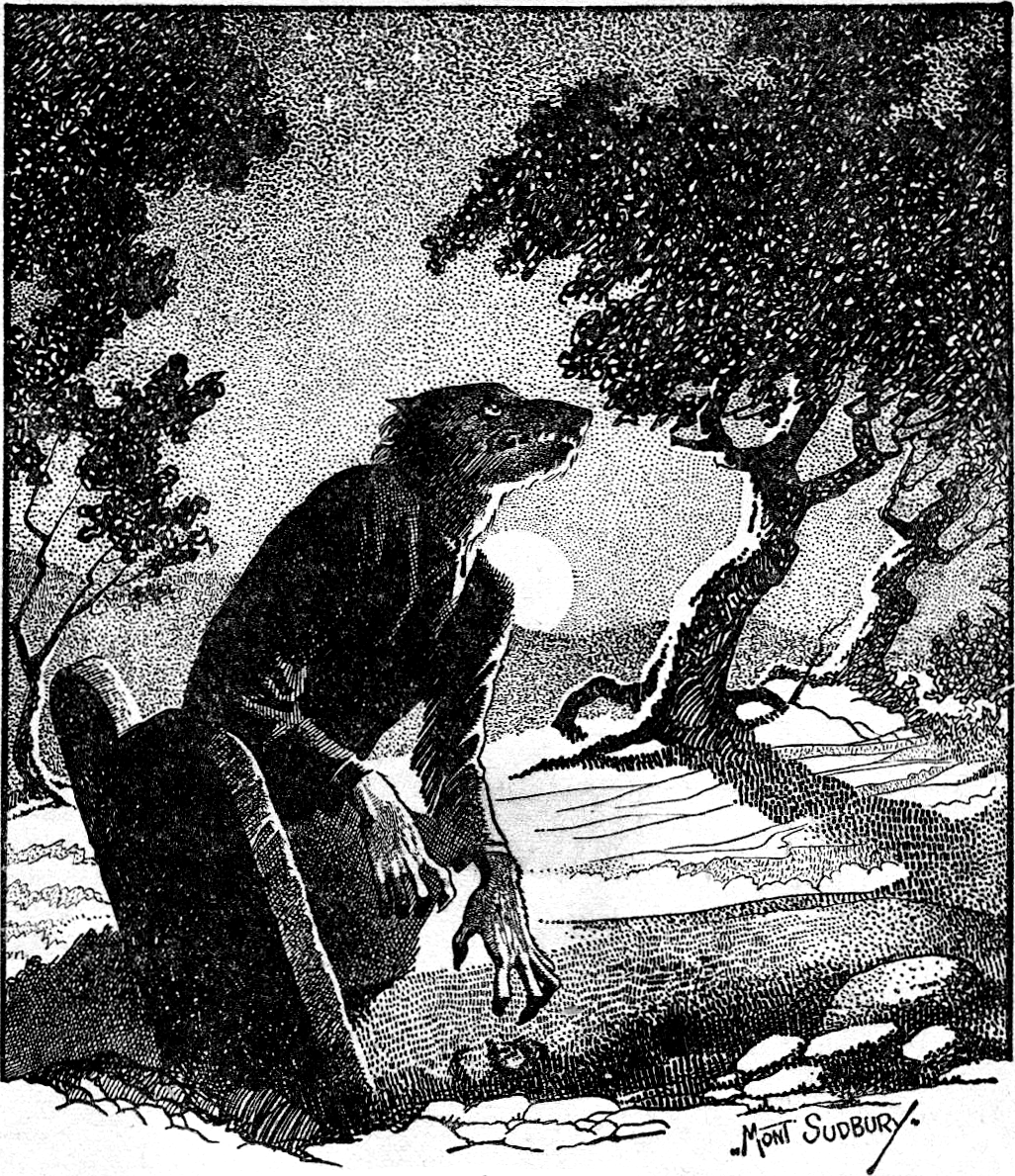 🇫🇷 France and 5 moreWerewolf
A mythical shapeshifter that turns into a wolf, central to European witch-hunts and Gothic horror.Being · Cursing and harm · Wonder and entertainment Legendary
🇫🇷 France and 5 moreWerewolf
A mythical shapeshifter that turns into a wolf, central to European witch-hunts and Gothic horror.Being · Cursing and harm · Wonder and entertainment Legendary
 🇪🇬 Egypt and 1 moreLilithלִילִית
A feminine figure from Mesopotamian and Jewish mythology, often depicted as a night demon or spirit.Being · Cursing and harm Legendary
🇪🇬 Egypt and 1 moreLilithלִילִית
A feminine figure from Mesopotamian and Jewish mythology, often depicted as a night demon or spirit.Being · Cursing and harm Legendary
 🇪🇬 EgyptCurse
A spoken wish for misfortune to befall a person or placeBelief · Cursing and harm · Luck and prosperity Historical
🇪🇬 EgyptCurse
A spoken wish for misfortune to befall a person or placeBelief · Cursing and harm · Luck and prosperity Historical