Kalku
from Puquina language
A Mapuche sorcerer who works with negative powers and malevolent spirits
The kalku is a figure in Mapuche mythology described as a sorcerer or witch. This person uses black magic and serves wicked creatures known as wekufe. The role is often inherited within families.
- Kalku is a Mapuche sorcerer using black magic
- Word derives from the Puquina language
- Serves wekufe spirits like the Nguruvilu
- Role is usually inherited
- Antagonist in the film Nahuel and the Magic Book
What it is
The kalku is a semi-mythical character in Mapuche mythology. This figure is defined as a sorcerer or witch who operates through black magic. Unlike the benevolent shamans called machi, the kalku is viewed as malevolent. This distinction helps avoid confusion between the two roles. The kalku is believed to possess negative powers that harm others or disrupt community balance.
Where it comes from
The concept originates in Mapuche tradition. The word itself comes from the Puquina language. Its adoption by the Mapuche people reflects parallels between Mapuche and Central Andean cosmology. These connections date back to the Tiwanaku Empire era. During that time, Puquina was an important language in the region.
Tools and materials
The kalku works with wekufe, which are spirits or wicked creatures. One example of such a spirit is the Nguruvilu. Other beings serve the kalku, including the Anchimayen. More powerful kalku may manifest as the Chonchon. These entities act as servants or extensions of the sorcerer's will.
Kalku, drawn and placed
- Living
- Revived
- Fading
- Historical
- Legendary
- Performed
- Lineage
- Mapuche tradition
What it is for
The kalku is associated with harmful intentions. This role is typically inherited rather than chosen. Occasionally, a machi might adopt this path for profit. A frustrated or less powerful machi might also become a kalku by ignoring the admapu. The admapu refers to the traditional rules and laws of the Mapuche people.
Who does it
Practitioners are usually born into the role. It is an inherited position within the community. In some cases, a machi may turn to this path due to personal failure or greed. Such individuals reject the established laws of their society. The role is distinct from the respected shamanic tradition of the machi.
Peoples and places
The kalku is central to Mapuche mythology. The culture identifies this figure as a source of negative power. The term appears in Chilean and Brazilian contexts, particularly in modern media. The Mapuche people maintain the traditional view of the kalku as a dangerous sorcerer.
At a glance: who, where and when
Peoples
What people believe
Mapuche belief distinguishes sharply between good and evil spiritual practitioners. The kalku serves wicked creatures and uses forbidden knowledge. This stands in contrast to the healing and protective work of the machi. The kalku represents a violation of social and spiritual order.
Compare and confuse
The kalku is often confused with the machi. The machi is a benevolent shaman who heals and guides. The kalku is a malevolent sorcerer. Another related figure is the Warlock of Chiloé. Both represent different regional interpretations of dark magic in South America.
Today
The kalku appears in popular culture. It is the main antagonist in the animated film Nahuel and the Magic Book. This 2020 Chilean-Brazilian production features the character prominently. The film was nominated at the Annecy festival.
Questions people ask about Kalku
What is a kalku?
A kalku is a sorcerer or witch in Mapuche mythology. This figure uses black magic and negative powers. They are considered malevolent, unlike the benevolent machi shamans.
Where does the name come from?
The word comes from the Puquina language. It entered Mapuche usage during the Tiwanaku Empire period. This reflects shared cosmological ideas between the Mapuche and Central Andean cultures.
How does one become a kalku?
The role is typically inherited. Sometimes a frustrated machi becomes a kalku. This happens when they ignore the admapu, the traditional laws of the Mapuche people, often for profit.
Who do kalku serve?
They work with wekufe, which are wicked spirits. Examples include the Nguruvilu. Powerful kalku may also manifest as the Chonchon. These beings assist in their magical practices.
Good reading and sources
The facts on this page come from the Wikipedia article "Kalku", written by its contributors and used under the CC BY-SA 4.0 licence, and from its Wikidata record (CC0). EveryJaadu rewrote the text in its own words, with AI assistance, and compares every page with the article to make sure no passage is copied. It may be reused under the same CC BY-SA 4.0 licence with a link back.
It may contain mistakes. Names and customs differ from one community to the next, and some knowledge is closed to outsiders and left out here. This page describes belief and practice. It does not say that any of it works, it is not a how-to, and it is not medical advice. If something is wrong, tell us. Last refreshed 2026-10-07.
More from Chile
All the entries from Chile 🇨🇱 ChileTrauco
A small forest spirit from Chiloé mythology known for seducing women and causing pregnancyBeing · Love and attraction · Cursing and harm Legendary
🇨🇱 ChileTrauco
A small forest spirit from Chiloé mythology known for seducing women and causing pregnancyBeing · Love and attraction · Cursing and harm Legendary
 🇵🇪 Peru and 5 morePachamama
The Andean mother goddess of space-time and the earthBeing · Protection · Healing Living
🇵🇪 Peru and 5 morePachamama
The Andean mother goddess of space-time and the earthBeing · Protection · Healing Living
 🇵🇷 Puerto Rico and 5 moreChupacabrachupacabras
A legendary creature said to drain livestock of blood, emerging from Puerto Rico in the mid-1990sBeing · Cursing and harm Legendary
🇵🇷 Puerto Rico and 5 moreChupacabrachupacabras
A legendary creature said to drain livestock of blood, emerging from Puerto Rico in the mid-1990sBeing · Cursing and harm Legendary
 🇦🇷 Argentina and 5 moreGauchito Gil
A folk saint from Argentina who protects the poor and outcastsBeing · Protection · Healing Living
🇦🇷 Argentina and 5 moreGauchito Gil
A folk saint from Argentina who protects the poor and outcastsBeing · Protection · Healing Living
Related elsewhere
All being 🇷🇸 Serbia and 5 moreVampire
An undead creature from folklore that feeds on the blood or life force of the livingBeing · Cursing and harm · Luck and prosperity Legendary
🇷🇸 Serbia and 5 moreVampire
An undead creature from folklore that feeds on the blood or life force of the livingBeing · Cursing and harm · Luck and prosperity Legendary
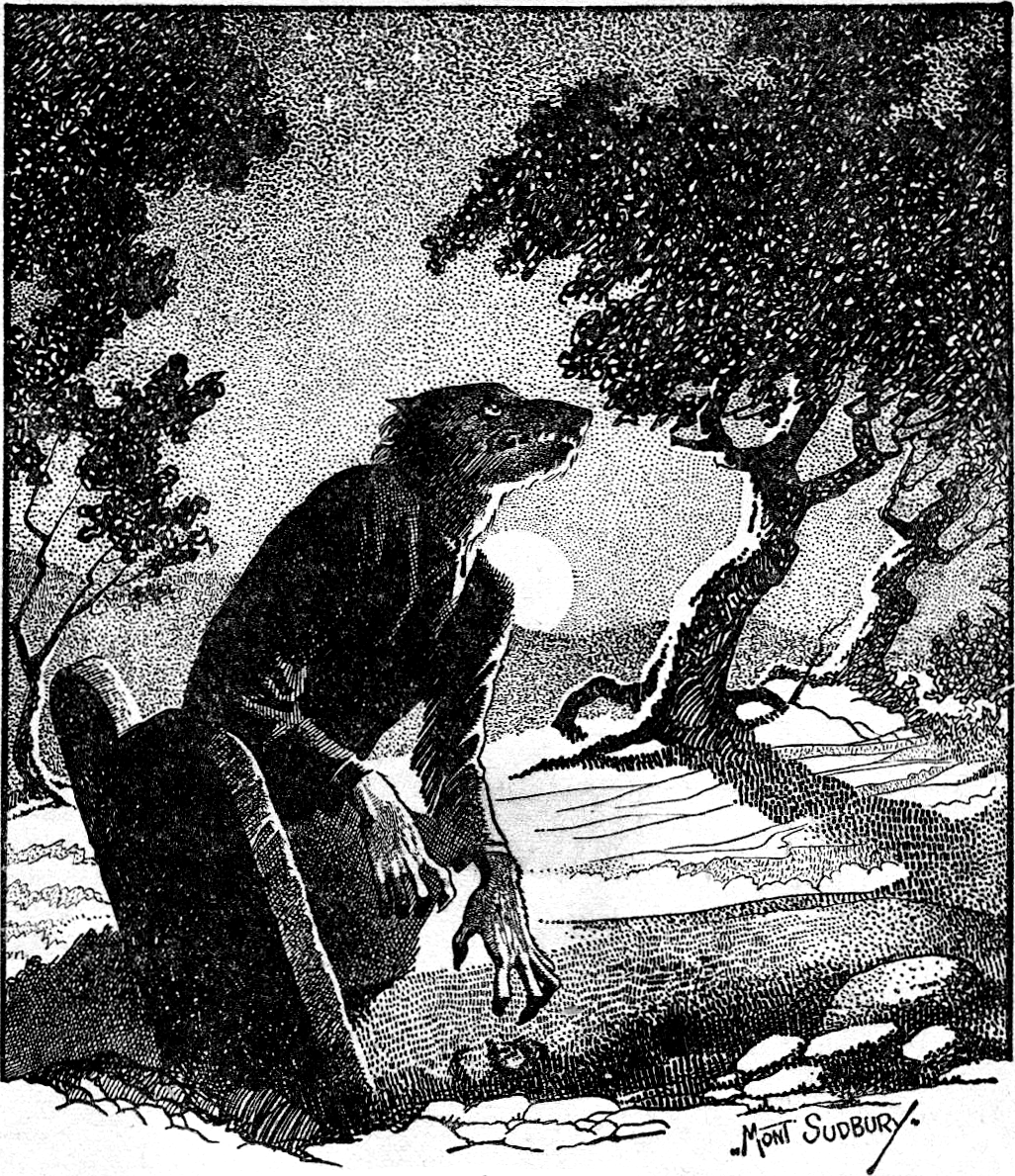 🇫🇷 France and 5 moreWerewolf
A mythical shapeshifter that turns into a wolf, central to European witch-hunts and Gothic horror.Being · Cursing and harm · Wonder and entertainment Legendary
🇫🇷 France and 5 moreWerewolf
A mythical shapeshifter that turns into a wolf, central to European witch-hunts and Gothic horror.Being · Cursing and harm · Wonder and entertainment Legendary
 🇪🇬 Egypt and 1 moreLilithלִילִית
A feminine figure from Mesopotamian and Jewish mythology, often depicted as a night demon or spirit.Being · Cursing and harm Legendary
🇪🇬 Egypt and 1 moreLilithלִילִית
A feminine figure from Mesopotamian and Jewish mythology, often depicted as a night demon or spirit.Being · Cursing and harm Legendary
 🇪🇬 EgyptCurse
A spoken wish for misfortune to befall a person or placeBelief · Cursing and harm · Luck and prosperity Historical
🇪🇬 EgyptCurse
A spoken wish for misfortune to befall a person or placeBelief · Cursing and harm · Luck and prosperity Historical