Cursing and harm
Curses, hexes and sorcery as people describe and fear them, with the counter-magic against them.
Cursing and harm are the part of magic that societies fear most. This page describes curses and sorcery as beliefs, and the social role of fear and accusation, and does not give instructions. The evil eye, the curse tablets of the Greek and Roman world, Hebrew and Arabic writings on harmful magic, sorcery in Melanesia and Africa, and the European witch are all part of this subject. Most of the harm recorded is that done to people accused.
What is believed
Many cultures hold that envy, anger or hostile ritual can bring illness, loss or death to a victim. The beliefs differ: in the Mediterranean, the evil eye needs no intent. In Azande society, studied by Evans-Pritchard, witchcraft was an inherited substance that explained why misfortune struck one person and not another. Greek and Roman lead curse tablets, often addressed to gods of the underworld, show the belief was written down in antiquity.
Accusation as social force
Where harm is feared, accusation follows. Anthropologists have shown that charges of witchcraft often follow tension inside a family or village, such as inheritance, jealousy or a sudden death. Accusers are usually in conflict with the accused, who is more likely to be old, poor, widowed or marginal. The belief can enforce norms and also destroy people. People also fear being accused, since an accusation can arrive without warning and can follow a family for generations.
Persecution and its present
European and colonial American witch trials, from the fifteenth to the eighteenth century, put tens of thousands to death, including the Salem trials of 1692. The practice has not ended. Mobs and families still attack accused people in parts of Africa, India, Papua New Guinea and elsewhere, and Saudi Arabia has executed people for sorcery. Albino people have been killed for body parts in East Africa. Several states are drafting or enforcing laws against accusation itself.
Counter-magic and scholarship
Where harm is feared, so is protection: amulets, cleansing, and a specialist who can say who sent it. Scholars see curses as a language of grievance, and psychologists have documented the nocebo effect, in which belief in harm can bring on real distress. A person who is afraid should seek medical and social help, and talk to someone they trust. People who believe they have been cursed should be helped to find practical support, including from health services, and not left alone with fear.
Cursing and harm on EveryJaadu
The entries written up so far, best known first.
 🇯🇵 JapanTesso鉄鼠
A Japanese yōkai born from a monk’s curse and the destructive power of ratsBeing · Cursing and harm · Power and authority Legendary
 🇸🇪 Sweden and 1 moreSkogsrå
A forest spirit in Swedish folklore who appears as a beautiful woman but hides a hollow back and animal feet.Being · Luck and prosperity · Cursing and harm Legendary
🇩🇴 Dominican Republic and 1 moreCiguapa
A back-footed forest spirit of the Dominican Republic known for seduction and jealousyBeing · Cursing and harm · Love and attraction Legendary
 🇮🇹 Italy and 5 moreSaint Michael
A Christian archangel who defends the faithful and weighs soulsBeing · Protection · Cursing and harm Living
🇮🇳 IndiaBramrachokh
A demon in Kashmiri myth that mimics a light to lead travellers astrayBeing · Cursing and harm Legendary
🇵🇭 PhilippinesSiyokoy
A hostile aquatic humanoid from Philippine mythology that drags victims underwaterBeing · Cursing and harm Legendary
🇯🇵 Japan and 2 moreChimimōryō魑魅魍魎
A Chinese term for mountain and river spirits that spread to Japan and VietnamBeing · Cursing and harm Legendary
🇵🇱 PolandTopielec
A Slavic water spirit of the drowned dead that pulls victims into lakes.Being · Cursing and harm Historical
🇦🇺 AustraliaYara-ma-yha-who
A red frog-like vampire from Australian Aboriginal folklore that lives in fig treesBeing · Cursing and harm Legendary
🇰🇷 South KoreaEgg ghost달걀귀신
A headless Korean spirit shaped like an egg, said to bring death upon sightingBeing · Cursing and harm Legendary
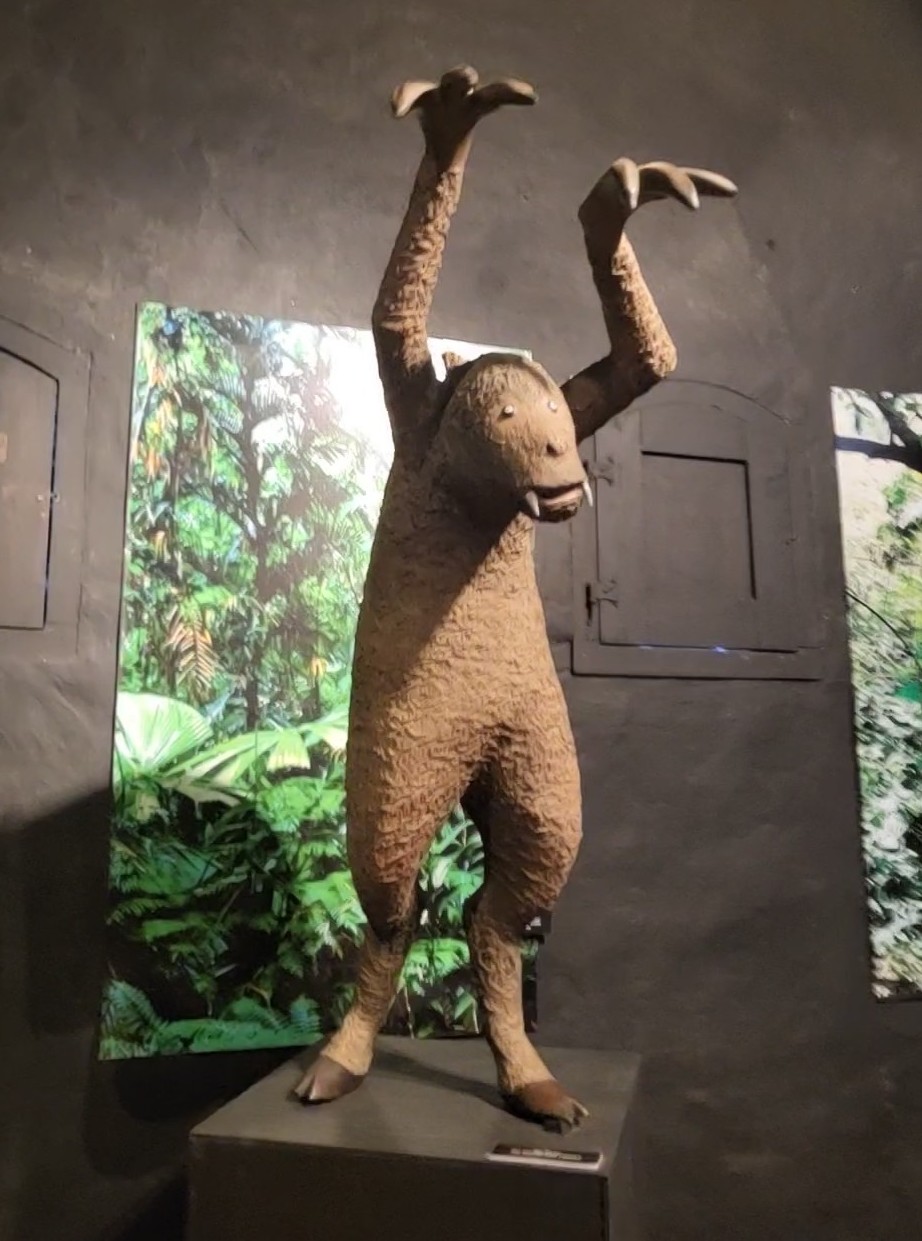 🇵🇾 ParaguayAo Ao
A Guarani mythic beast that hunts humans and frightens children in ParaguayBeing · Cursing and harm Legendary
🇷🇴 RomaniaCăpcăun
A Romanian ogre with a dog head known for kidnapping children and eating peopleBeing · Cursing and harm Legendary
 🇺🇸 United StatesSnallygaster
A bird-reptile chimera from Maryland folklore, once used to frighten children and later the subject of newspaper hoaxes.Being · Cursing and harm Legendary
🇷🇺 RussiaHabernitsa
A noon demon of Slavic fields who punishes workers and causes pain.Being · Cursing and harm Historical
🇪🇸 SpainTibicena
A demon of the Guanches, imagined as a black-furred dog with red eyes.Being · Cursing and harm Legendary
 🇩🇪 Germany and 3 moreWiedergänger
A German term for a revenant or ghost that returns to the world of the living.Being · Cursing and harm Historical
🇭🇷 CroatiaBukavac
A six-legged water monster of Slavic myth, said to strangle in the darkBeing · Cursing and harm Legendary
🇷🇺 Russia and 1 moreLikhoradkaЛихорадка
A fever spirit in Slavic myth who brings illness and sicknessBeing · Cursing and harm Legendary
 🇧🇴 Bolivia and 1 moreAnchanchu
A shapeshifting vampire of the Andes that drains blood and demands offerings from miners.Being · Cursing and harm · Power and authority Legendary
 🇫🇷 France and 1 moreDusios
A Gaulish spirit type later classified as an incubus demon by early Christian writersBeing · Cursing and harm · Power and authority Historical
🇸🇪 SwedenAskafroa
A Scandinavian tree spirit believed to guard the ash and demand appeasement.Being · Cursing and harm · Protection Legendary
 🇦🇲 ArmeniaVishapվիշապ
A water dragon of Armenian myth linked to storms and the sunBeing · Cursing and harm · Luck and prosperity Legendary
🇲🇽 MexicoTlahuelpuchi
A shape-shifting vampire witch from Tlaxcalan Nahua folklore that drains infants.Being · Cursing and harm Legendary
🇺🇸 United StatesKushtakaKóoshdaa káa
A shape-shifting creature from Tlingit mythology that can appear as an otter or human.Being · Cursing and harm · Luck and prosperity Legendary
🇷🇺 RussiaPitsen
A shapeshifting forest spirit of the Siberian Tatars that brings luck or leads travelers astrayBeing · Luck and prosperity · Cursing and harm Legendary
 🇰🇷 South KoreaKorean virgin ghost처녀귀신 (cheonyeo-gwisin)
A spirit of an unmarried woman who died with resentment in Korean folklore.Being · Cursing and harm · Binding and oaths Historical
🇬🇧 United KingdomTrow
Nocturnal spirits of the Orkney and Shetland islands, known for mischief and musical abduction.Being · Cursing and harm · Wonder and entertainment Historical
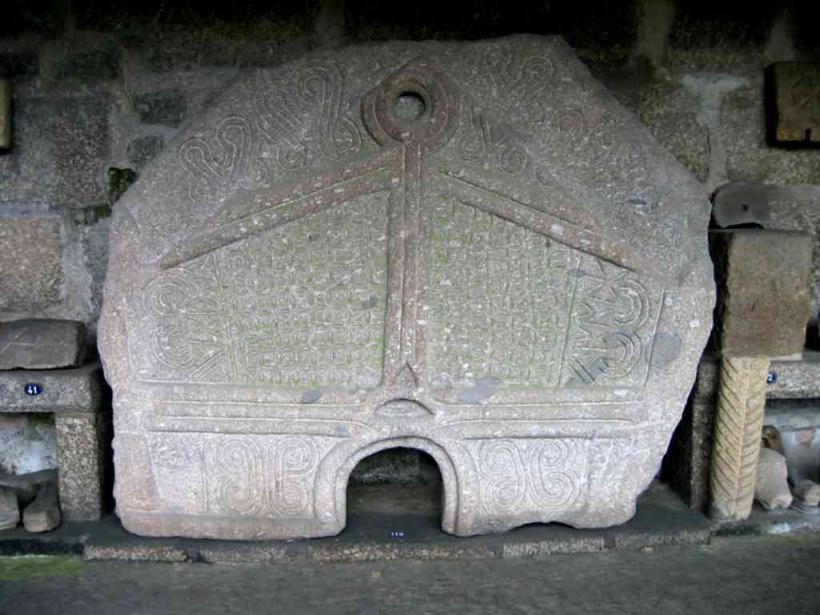 🇵🇹 PortugalEnchanted Mouramoura encantada
A supernatural maiden from Portuguese and Galician folklore who guards treasures and ancient stones.Being · Cursing and harm · Luck and prosperity Legendary
🇮🇪 IrelandGancanaghgean cánach
A male Irish fairy known for seducing women and tricking humans.Being · Cursing and harm · Love and attraction Legendary
 🇫🇷 FranceYan-gant-y-tan
A Breton demon who carries five candles and is said to bring bad luck.Being · Cursing and harm · Wonder and entertainment Historical
🇮🇹 ItalySquasc
A small, tawny creature from Eastern Lombardy folklore that frightens children and plays jokes on young girlsBeing · Cursing and harm · Wonder and entertainment Legendary
🇬🇧 United KingdomLlamhigyn y Dŵr
A winged frog-like creature blamed for harm to fishermen and livestock in Welsh folkloreBeing · Cursing and harm Legendary
 🇨🇳 ChinaNine-headed bird九頭鳥
A mythical creature from ancient China that became a symbol of deceit.Being · Cursing and harm Legendary
 🇮🇳 IndiaHingchabiꯍꯤꯡꯆꯥꯕꯤ
A giantess figure from Meitei folklore who feeds on raw fleshBeing · Cursing and harm Legendary
 🇩🇪 Germany and 4 moreNight ravennattravn
A nocturnal creature of European folklore, feared as a child-stealer or seen as a ghost in bird form.Being · Cursing and harm Historical
🇹🇷 Turkey and 1 moreHortdan
A restless spirit of the dead in Turkic folklore, often linked to vampire myths.Being · Cursing and harm Legendary
 🇮🇪 IrelandDevil Whale
A giant sea creature mistaken for an island that drags sailors to the deepBeing · Cursing and harm Legendary
🇳🇴 NorwayDeildegast
A Norwegian ghost bound to boundary stones it moved in lifeBeing · Cursing and harm Historical
 🇷🇺 Russia and 2 moreSupernatural beings in Slavic religion
Mythic entities of nature, death, and fate in Slavic folklore and belief.Being · Protection · Cursing and harm Legendary
🇯🇵 JapanShichinin misaki七人ミサキ
A group of seven vengeful ghosts from Japan that appear near water and kill those who see them.Being · Cursing and harm Legendary
🇵🇹 Portugal and 1 moreCabra cabriola
A fire-breathing goat bogeyman used to frighten children in Portuguese and Brazilian folkloreBeing · Cursing and harm Living
 🇺🇸 United StatesBall-tailed cat
A North American fearsome critter with a heavy ball on its tail for striking preyBeing · Cursing and harm Legendary
🇨🇱 Chile and 1 moreCuerotrülke wekufü
An aquatic creature from Mapuche and Chilote myth that drags victims into the depths.Being · Cursing and harm Legendary
🇵🇭 Philippines and 1 moreTaotao Monataotaomo'na
Ancestral spirits of the Mariana Islands who guard wild places and influence daily lifeBeing · Protection · Cursing and harm Living
🇨🇳 China and 1 moreKakuen玃猿 (Jué yuán)
A legendary ape-like creature from Chinese and Japanese folklore known for abducting humans.Being · Cursing and harm Legendary
Photo credits on this page
The small pictures above come from Wikimedia Commons under free licences. Some are cropped to fit.
- Night raven: Kim Diaz Holm (den unge herr Holm), CC BY 4.0, source
- Enchanted Moura: Henrique José Teixeira Matos, Public domain, source
- Nine-headed bird: Unknown author, Public domain, source
- Saint Michael: Francesco Botticini, Public domain, source
- Hingchabi: Bemni, N, CC0, source
- Skogsrå: Gunnar Creutz (Achird), CC BY-SA 3.0, source
- Dusios: Eric Hunt, CC BY-SA 2.5, source
- Tesso: Katsushika Hokusai, Public domain, source
- Ball-tailed cat: Fearsome Critters, Written by Henry H. Tryon • Illustrated by Margaret, CC0, source
- Ao Ao: Cowboymax, CC0, source
- Anchanchu: Arizz4k, CC BY-SA 4.0, source
- Yan-gant-y-tan: Louis Le Breton, Public domain, source
- Wiedergänger: Unknown author, Public domain, source
- Snallygaster: Tripodero, CC BY-SA 3.0, source
- Supernatural beings in Slavic religion: Bartolomeo Giuliano, CC BY-SA 3.0, source
- Korean virgin ghost: 국립국어원, CC BY-SA 2.0 kr, source
- Vishap: Kulttuurinavigaattori, CC BY-SA 4.0, source
- Devil Whale: Edmund Dulac, Public domain, source