
Capelobo
from Guarani capê (crooked) and Portuguese lobo (wolf)
A Brazilian monster with a long snout that feeds on blood and brains
The Capelobo is a therianthropic creature from the folklore of Brazil, particularly in the states of Pará and Maranhão. It appears as either an animal or a humanoid figure and is feared for its habit of drinking blood and eating the brains of victims.
- A therianthropic creature from Brazilian folklore
- Has a long snout like a pig, dog, or anteater
- Feeds on blood and eats brains
- Weakness is located at the navel
- Name comes from Guarani and Portuguese words
What it is
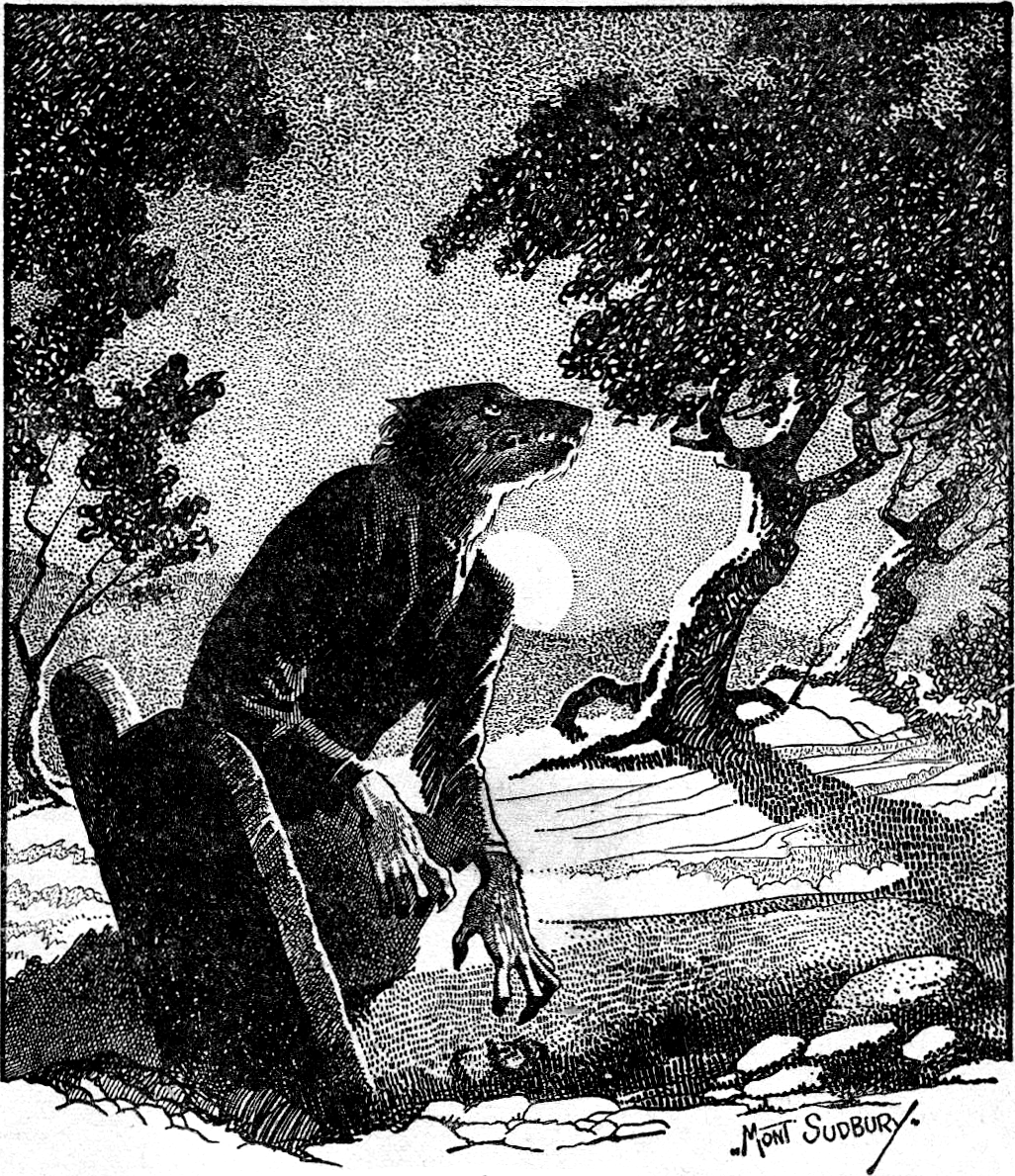
The Capelobo is a legendary beast found in Brazilian stories, mainly from the northern regions. It is a shape-shifter that can appear as a dark-furred animal with a long pig-like or anteater snout, or as a hairy human figure. The creature is known for its loud screams and its role as a predator that hunts humans at night.
Where it comes from
The name combines the Guarani word capê, meaning crooked or lame, with the Portuguese word lobo, meaning wolf. This etymology reflects the creature's distorted appearance and its association with wolf-like behavior in local speech.
How it is done
The monster attacks by embracing its victims tightly, breaking their necks, or biting through the carotid artery to drink blood. It also uses its long snout to pierce the skull and consume the brain. Its only weak point is the navel, which is hidden under thick fur.
Capelobo, drawn and placed
- Living
- Revived
- Fading
- Historical
- Legendary
- Performed
- Lineage
- Brazilian mythology
What it is for
The creature serves as a cautionary figure in local tales, representing the dangers of the forest at night. It is described as a man-eater that targets both people and animals, such as puppies and kittens, leaving communities fearful of the dark.
Peoples and places
Stories about the Capelobo are told in the states of Pará and Maranhão. In Pará, it resembles a tapir or dog, while in Maranhão, the Cupelobo has an anteater snout. The Guajajáras people also know this legend, though it is less common among mixed-race populations.
At a glance: who, where and when
Peoples
What people believe
It is believed that elderly indigenous men transform into these monsters after death. The creature is linked to other figures like the Mapinguari and the Lobisomem, sharing traits such as nocturnal hunting and a thirst for blood.
Compare and confuse
The Capelobo is similar to the Pé de Garrafa, another round-footed creature, and the Lobisomem, a werewolf-like being. It shares features with the Mapinguari but lacks the giant mouth associated with that monster.
Questions people ask about Capelobo
What does the Capelobo look like?
It appears as a black-furred animal with a long snout, or as a hairy humanoid figure. The snout may resemble a pig, dog, or giant anteater depending on the region.
Where does the legend come from?
The story originates in Brazil, specifically in the states of Pará and Maranhão. It is part of the broader tapestry of indigenous and local folk beliefs.
How does the Capelobo attack?
It embraces victims to crush them, bites arteries to drink blood, or inserts its snout into the head to eat the brain. It is said to scream loudly before attacking.
Good reading and sources
The facts on this page come from the Wikipedia article "Capelobo", written by its contributors and used under the CC BY-SA 4.0 licence, and from its Wikidata record (CC0). EveryJaadu rewrote the text in its own words, with AI assistance, and compares every page with the article to make sure no passage is copied. It may be reused under the same CC BY-SA 4.0 licence with a link back.
It may contain mistakes. Names and customs differ from one community to the next, and some knowledge is closed to outsiders and left out here. This page describes belief and practice. It does not say that any of it works, it is not a how-to, and it is not medical advice. If something is wrong, tell us. Last refreshed 2026-10-06.
More from Brazil
All the entries from Brazil 🇵🇷 Puerto Rico and 5 moreChupacabrachupacabras
A legendary creature said to drain livestock of blood, emerging from Puerto Rico in the mid-1990sBeing · Cursing and harm Legendary
🇵🇷 Puerto Rico and 5 moreChupacabrachupacabras
A legendary creature said to drain livestock of blood, emerging from Puerto Rico in the mid-1990sBeing · Cursing and harm Legendary
 🇧🇷 Brazil and 2 moreCurupira
A backwards-footed forest guardian from Brazilian indigenous myth who punishes loggers and misleads travelers.Being · Protection · Cursing and harm Legendary
🇧🇷 Brazil and 2 moreCurupira
A backwards-footed forest guardian from Brazilian indigenous myth who punishes loggers and misleads travelers.Being · Protection · Cursing and harm Legendary
 🇵🇪 Peru and 1 moreChullachaqui
A one-footed forest spirit of the Amazon that lures or challenges humansBeing · Cursing and harm · Power and authority Legendary
🇵🇪 Peru and 1 moreChullachaqui
A one-footed forest spirit of the Amazon that lures or challenges humansBeing · Cursing and harm · Power and authority Legendary
 🇧🇷 BrazilBoitatá
A fiery serpent of Brazilian folklore that guards forests or frightens childrenBeing · Protection · Cursing and harm Living
🇧🇷 BrazilBoitatá
A fiery serpent of Brazilian folklore that guards forests or frightens childrenBeing · Protection · Cursing and harm Living
Related elsewhere
All being 🇷🇸 Serbia and 5 moreVampire
An undead creature from folklore that feeds on the blood or life force of the livingBeing · Cursing and harm · Luck and prosperity Legendary
🇷🇸 Serbia and 5 moreVampire
An undead creature from folklore that feeds on the blood or life force of the livingBeing · Cursing and harm · Luck and prosperity Legendary
 🇫🇷 France and 5 moreWerewolf
A mythical shapeshifter that turns into a wolf, central to European witch-hunts and Gothic horror.Being · Cursing and harm · Wonder and entertainment Legendary
🇫🇷 France and 5 moreWerewolf
A mythical shapeshifter that turns into a wolf, central to European witch-hunts and Gothic horror.Being · Cursing and harm · Wonder and entertainment Legendary
 🇪🇬 Egypt and 1 moreLilithלִילִית
A feminine figure from Mesopotamian and Jewish mythology, often depicted as a night demon or spirit.Being · Cursing and harm Legendary
🇪🇬 Egypt and 1 moreLilithלִילִית
A feminine figure from Mesopotamian and Jewish mythology, often depicted as a night demon or spirit.Being · Cursing and harm Legendary
 🇪🇬 EgyptCurse
A spoken wish for misfortune to befall a person or placeBelief · Cursing and harm · Luck and prosperity Historical
🇪🇬 EgyptCurse
A spoken wish for misfortune to befall a person or placeBelief · Cursing and harm · Luck and prosperity Historical