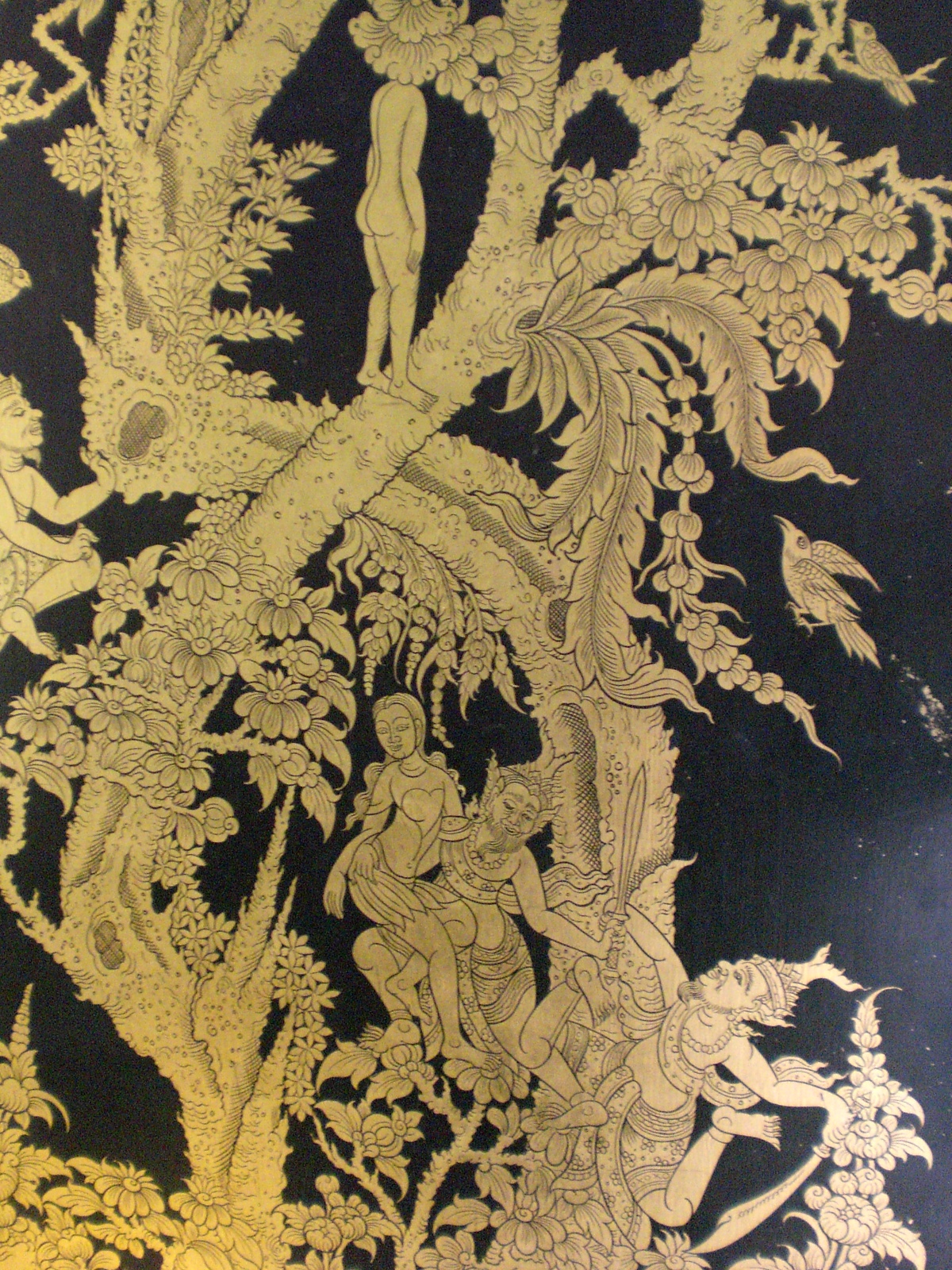
Nariphon
In its own language: นารีผล
from Pali nārīphala, meaning woman fruit
A mythical tree in Buddhist lore that bears fruit shaped like young women
The Nariphon is a legendary tree from Buddhist and Thai folklore that grows female fruits. These maidens are said to distract hermits with their beauty, causing them to lose spiritual power.
- Tree bears fruit shaped like young women
- Originates in Buddhist Vessantara Jātaka
- Distracts hermits and drains their power
- Known as Thuyaung in Myanmar
- Inspired 2006 Thai film Nariphon
What it is
The Nariphon is a mythical tree described in Buddhist texts and Thai folklore. It is unique because it produces fruit in the form of young female creatures. These beings grow attached by their heads to the branches. They are considered magical entities with spirits capable of song and dance. The tree serves as a supernatural element within the Himaphan forest, a legendary woodland in these traditions.
Where it comes from
The concept originates in Buddhist mythology, specifically appearing in the Vessantara Jātaka. In this text, the god Indra placed these trees around the meditation grove of the Bodhisattva Vessantara. Another account states Indra created twelve such trees to protect Vessantara's wife while she gathered food in the forest. The name derives from the Pali word nārīphala, translating directly to woman fruit.
How it is done
The tree functions as a passive trap for male ascetics. When hermits or yogis seek fruit, they encounter the female forms. These maidens distract the men through their beauty and presence. The men engage with the fruits, which leads to a loss of their meditative powers. After four months of sleep, the men wake up weakened. The fruits last seven days before withering if not harvested.
Tools and materials
The primary tool is the tree itself, located in the mythical Himaphan forest. The Gandharvas are said to cut the fruits from the branches and take them away. In Thai folklore, representations of the tree appear in temples alongside scenes of ghosts and hell. Some stories claim physical pods exist in temples near Bangkok, though these are often hoaxes.
Nariphon, drawn and placed
- Living
- Revived
- Fading
- Historical
- Legendary
- Performed
- Lineage
- Buddhist mythology
What it is for
The tree acts as a protective mechanism for holy figures. In the Vessantara story, it distracts lustful hermits who might otherwise attack the Bodhisattva's family. The fruits serve as a lure that neutralizes the threat posed by powerful but uncontrolled ascetics. The tree ensures safety through seduction and subsequent incapacitation of potential attackers.
Who does it
No living practitioners perform rituals involving the Nariphon. It is a figure of myth and literature. The Gandharvas, celestial musicians, are described as interacting with the tree by harvesting its fruits. Modern interest appears in Thai cinema and temple art, but these are artistic interpretations rather than religious practices.
Peoples and places
The myth is central to Thai folklore and Buddhist mythology. It appears in the Lao epic Sang Sinxay. In Myanmar, similar trees are known as Thuyaung. In Sri Lanka, they are called Nari-Lata-Vela. The story varies slightly across these cultures, but the core image of a fruit-bearing woman tree remains consistent throughout Southeast Asian Buddhist traditions.
At a glance: who, where and when
Peoples
Belief worlds
What people believe
Believers hold that the tree exists in the Himaphan forest. The fruits are said to have human internal organs but no bones. They possess magical powers and spirits. The tree is linked to the lifespan of the Buddha's teachings. Folklore claims the forest will disappear when these teachings are lost, five thousand years after the Buddha's death.
When it is done
In some accounts, the tree bears fruit daily after the death of Vessantara and his family. The fruits remain viable for seven days. If not picked within this period, they wither and die. The tree's existence is tied to the duration of the Buddha's teachings in the world.
How scholars and sceptics see it
Scholars view the Nariphon as a literary device in Buddhist jātaka tales. It illustrates the dangers of lust for ascetics. The tree represents a test of spiritual discipline. Researchers note the motif appears across Southeast Asia, indicating shared cultural narratives about nature and temptation.
Cautions and what is closed
Folk stories warn that the tree is dangerous for those lacking spiritual control. The fruits cause men to lose their powers and fall into deep sleep. Hoaxes involving fake dried maidens circulate in popular culture. These deceptions exploit belief in the myth for entertainment or fraud.
Compare and confuse
The Nariphon is similar to other mythical trees that bear human-like fruit. It shares themes with the Wāḳwāḳ bird in Middle Eastern lore, which also has human features. The concept differs from standard plant myths by focusing on sexual distraction rather than poison or nourishment.
Questions people ask about Nariphon
What is a Nariphon?
It is a mythical tree from Buddhist and Thai folklore that grows fruit in the shape of young women. The maidens hang from branches and are said to possess magical spirits.
Where does the Nariphon come from?
The name comes from the Pali word nārīphala. The tree appears in Buddhist texts like the Vessantara Jātaka and is part of the Himaphan forest legend.
What does the Nariphon do?
It distracts male ascetics. Hermits who interact with the fruit lose their spiritual powers and sleep for four months, protecting the holy figures nearby.
Good reading and sources
- Nariphon on WikipediaEncyclopedia
- More photos on Wikimedia CommonsPhotos and video
- Wikidata recordOpen data
The facts on this page come from the Wikipedia article "Nariphon", written by its contributors and used under the CC BY-SA 4.0 licence, and from its Wikidata record (CC0). EveryJaadu rewrote the text in its own words, with AI assistance, and compares every page with the article to make sure no passage is copied. It may be reused under the same CC BY-SA 4.0 licence with a link back.
It may contain mistakes. Names and customs differ from one community to the next, and some knowledge is closed to outsiders and left out here. This page describes belief and practice. It does not say that any of it works, it is not a how-to, and it is not medical advice. If something is wrong, tell us. Last refreshed 2026-10-11.
More from Thailand
All the entries from Thailand 🇲🇾 Malaysia and 5 morePenanggalan
A floating head with trailing organs from Malay folklore, said to hunt pregnant women and newborns.Being · Cursing and harm Legendary
🇮🇩 Indonesia and 3 moreToyoltuyul
An undead infant spirit in Southeast Asian folklore, invoked for theft and fortune.Being · Luck and prosperity · Cursing and harm Living
🇲🇾 Malaysia and 5 morePenanggalan
A floating head with trailing organs from Malay folklore, said to hunt pregnant women and newborns.Being · Cursing and harm Legendary
🇮🇩 Indonesia and 3 moreToyoltuyul
An undead infant spirit in Southeast Asian folklore, invoked for theft and fortune.Being · Luck and prosperity · Cursing and harm Living
 🇹🇭 Thailand and 5 moreKrasueกระสือ
A floating head with trailing organs from Southeast Asian folkloreBeing · Cursing and harm Living
🇹🇭 Thailand and 5 moreKrasueกระสือ
A floating head with trailing organs from Southeast Asian folkloreBeing · Cursing and harm Living
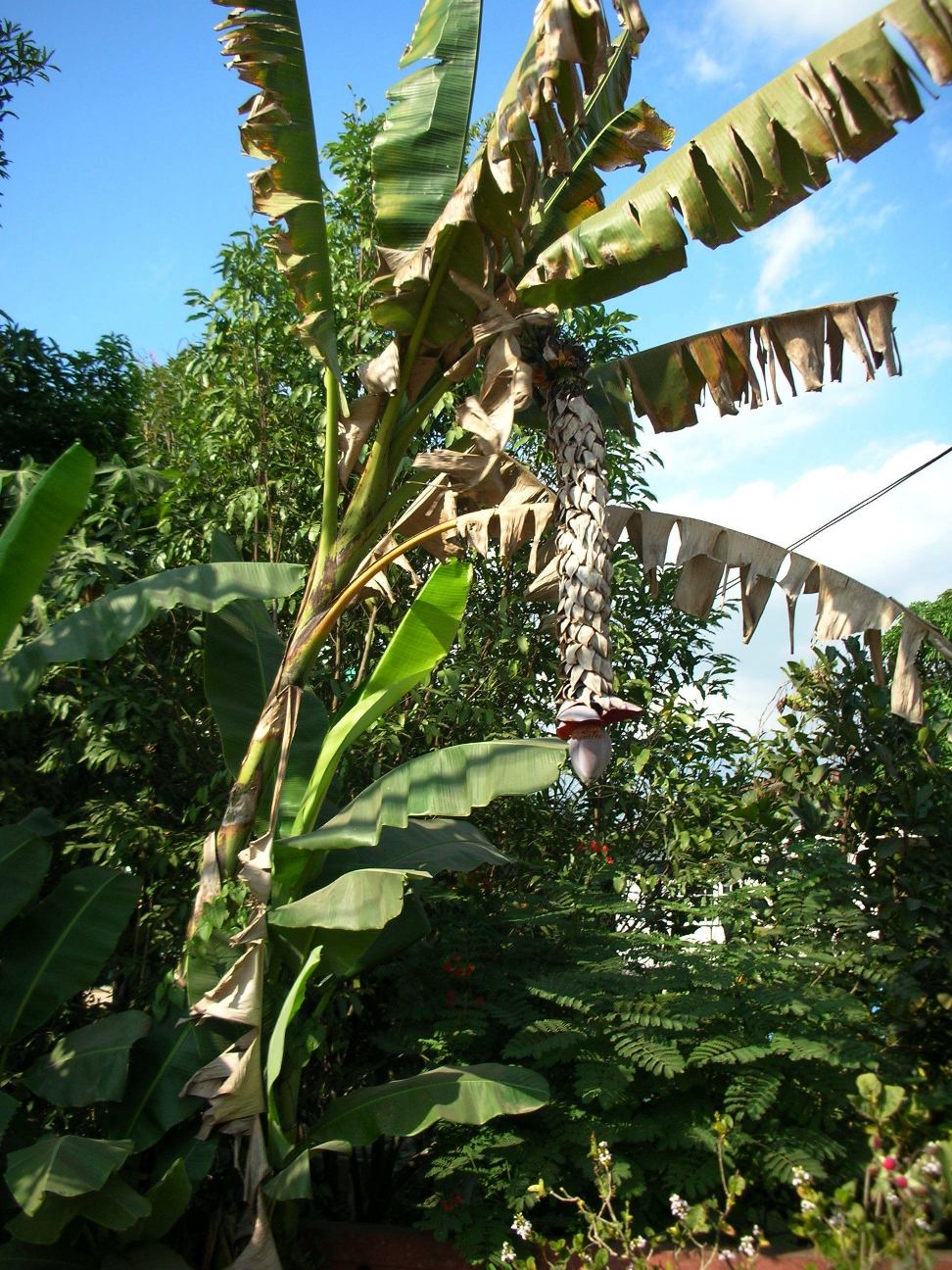 🇹🇭 Thailand and 1 moreNang Taniนางตานี
A female spirit said to inhabit wild banana trees in Southeast Asian folklore.Being · Protection · Luck and prosperity Living
🇹🇭 Thailand and 1 moreNang Taniนางตานี
A female spirit said to inhabit wild banana trees in Southeast Asian folklore.Being · Protection · Luck and prosperity Living
Related elsewhere
All being 🇷🇸 Serbia and 5 moreVampire
An undead creature from folklore that feeds on the blood or life force of the livingBeing · Cursing and harm · Luck and prosperity Legendary
🇷🇸 Serbia and 5 moreVampire
An undead creature from folklore that feeds on the blood or life force of the livingBeing · Cursing and harm · Luck and prosperity Legendary
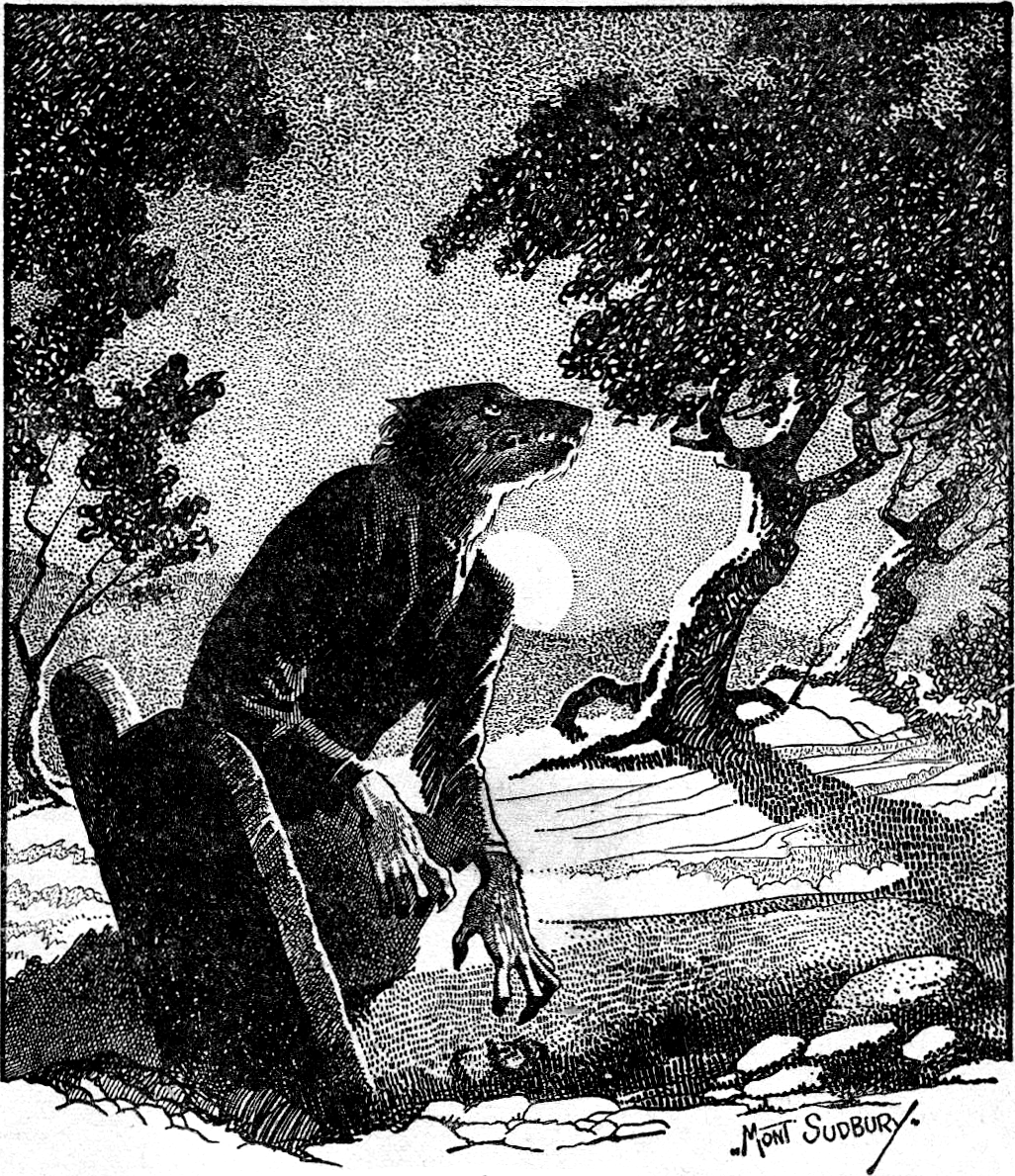 🇫🇷 France and 5 moreWerewolf
A mythical shapeshifter that turns into a wolf, central to European witch-hunts and Gothic horror.Being · Cursing and harm · Wonder and entertainment Legendary
🇫🇷 France and 5 moreWerewolf
A mythical shapeshifter that turns into a wolf, central to European witch-hunts and Gothic horror.Being · Cursing and harm · Wonder and entertainment Legendary
 🇪🇬 Egypt and 1 moreLilithלִילִית
A feminine figure from Mesopotamian and Jewish mythology, often depicted as a night demon or spirit.Being · Cursing and harm Legendary
🇪🇬 Egypt and 1 moreLilithלִילִית
A feminine figure from Mesopotamian and Jewish mythology, often depicted as a night demon or spirit.Being · Cursing and harm Legendary
 🇪🇬 EgyptCurse
A spoken wish for misfortune to befall a person or placeBelief · Cursing and harm · Luck and prosperity Historical
🇪🇬 EgyptCurse
A spoken wish for misfortune to befall a person or placeBelief · Cursing and harm · Luck and prosperity Historical