Cursing and harm
Curses, hexes and sorcery as people describe and fear them, with the counter-magic against them.
Cursing and harm are the part of magic that societies fear most. This page describes curses and sorcery as beliefs, and the social role of fear and accusation, and does not give instructions. The evil eye, the curse tablets of the Greek and Roman world, Hebrew and Arabic writings on harmful magic, sorcery in Melanesia and Africa, and the European witch are all part of this subject. Most of the harm recorded is that done to people accused.
What is believed
Many cultures hold that envy, anger or hostile ritual can bring illness, loss or death to a victim. The beliefs differ: in the Mediterranean, the evil eye needs no intent. In Azande society, studied by Evans-Pritchard, witchcraft was an inherited substance that explained why misfortune struck one person and not another. Greek and Roman lead curse tablets, often addressed to gods of the underworld, show the belief was written down in antiquity.
Accusation as social force
Where harm is feared, accusation follows. Anthropologists have shown that charges of witchcraft often follow tension inside a family or village, such as inheritance, jealousy or a sudden death. Accusers are usually in conflict with the accused, who is more likely to be old, poor, widowed or marginal. The belief can enforce norms and also destroy people. People also fear being accused, since an accusation can arrive without warning and can follow a family for generations.
Persecution and its present
European and colonial American witch trials, from the fifteenth to the eighteenth century, put tens of thousands to death, including the Salem trials of 1692. The practice has not ended. Mobs and families still attack accused people in parts of Africa, India, Papua New Guinea and elsewhere, and Saudi Arabia has executed people for sorcery. Albino people have been killed for body parts in East Africa. Several states are drafting or enforcing laws against accusation itself.
Counter-magic and scholarship
Where harm is feared, so is protection: amulets, cleansing, and a specialist who can say who sent it. Scholars see curses as a language of grievance, and psychologists have documented the nocebo effect, in which belief in harm can bring on real distress. A person who is afraid should seek medical and social help, and talk to someone they trust. People who believe they have been cursed should be helped to find practical support, including from health services, and not left alone with fear.
Cursing and harm on EveryJaadu
The entries written up so far, best known first.
 🇬🇷 GreeceHarpyἅρπυια (hárpyia)
Half-human, half-bird creatures from Greek and Roman myth, often seen as storm winds or snatchers of food.Being · Cursing and harm · Wonder and entertainment Legendary
🇵🇭 PhilippinesBal-Bal
A corpse-stealing undead of Philippine folklore that hides its theft with a banana trunkBeing · Cursing and harm Legendary
🇯🇵 JapanDodomeki百々目鬼
A Japanese yōkai woman with arms covered in bird eyes, cursed for theft.Being · Cursing and harm Legendary
🇯🇵 JapanOkuri-inu送り犬
A Japanese yōkai that follows travelers on mountain paths at nightBeing · Cursing and harm · Protection Legendary
 🇬🇷 Greece and 1 moreScyllaΣκύλλα
A sea monster from Greek tales who guards a perilous passage and devours sailors.Being · Cursing and harm Legendary
 🇯🇵 JapanShinigami死神
A Japanese spirit or deity associated with inviting humans toward deathBeing · Cursing and harm Historical
🇭🇺 HungaryLidérc
A shape-shifting spirit from Hungarian folklore that brings wealth or illness.Being · Cursing and harm · Luck and prosperity Legendary
🇷🇴 RomaniaNosferatu
A word for 'vampire' made famous by Dracula, whose true origin is still unsettledBeing · Cursing and harm · Protection Legendary
🇯🇵 JapanSankai産怪
A yōkai born from a woman during childbirth if proper care is neglectedBeing · Cursing and harm Legendary
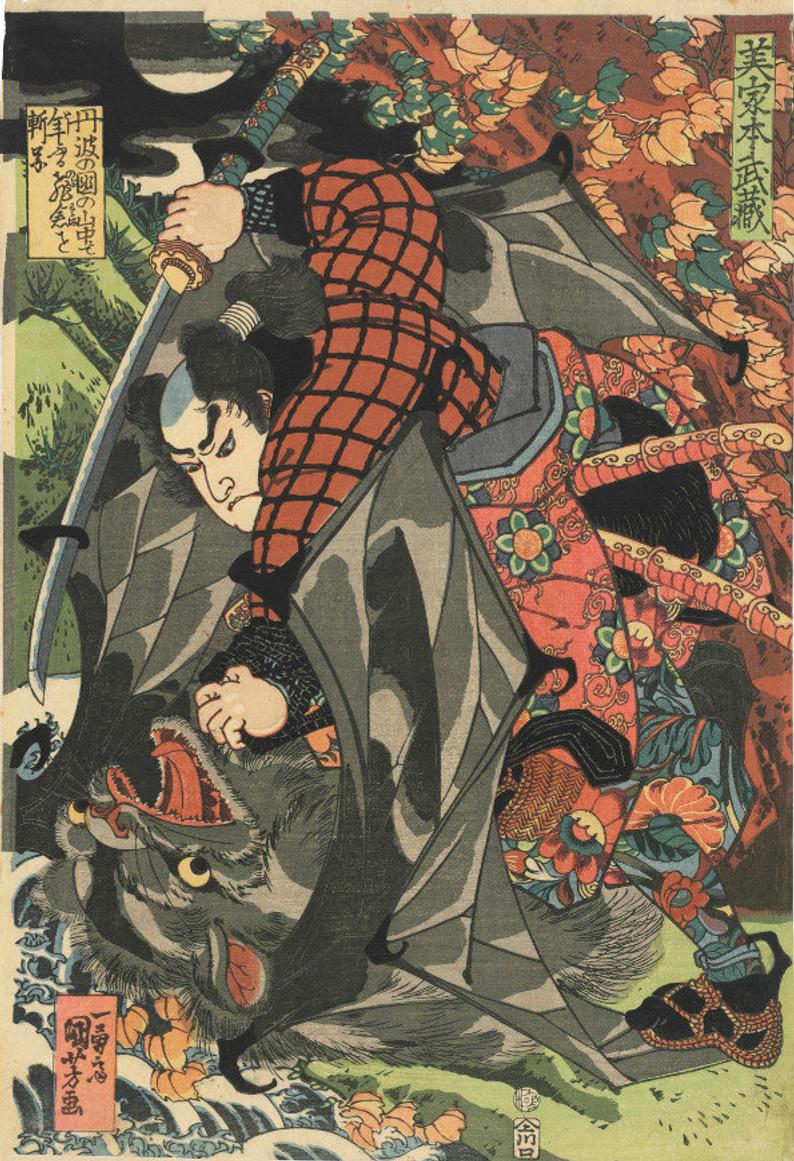 🇯🇵 JapanNobusuma野衾
A Japanese yōkai said to be a flying squirrel or bat that attacks travelers at night.Being · Cursing and harm · Luck and prosperity Legendary
🇯🇵 JapanAyakashi妖
Water spirits and ghost lights in Japanese folkloreBeing · Cursing and harm · Luck and prosperity Historical
 🇪🇸 SpainGuayota
Tenerife's dark god of Mount Teide, said to have stolen the sunBeing · Cursing and harm Legendary
🇯🇵 JapanReikon霊魂
The Shinto soul: it joins the ancestors after funeral rites, or haunts as a yūreiBeing · Speaking with spirits and the dead · Cursing and harm Living
🇬🇧 United KingdomBauchan
A Scottish domestic spirit known for its contradictory helpfulness and mischief.Being · Cursing and harm · Power and authority Historical
🇮🇳 IndiaIndus worm
A giant carnivorous river creature from ancient Greek accounts of the IndusBeing · Cursing and harm Legendary
🇯🇵 JapanJubokko樹木子
A blood-drinking yōkai tree from Japanese folklore that mimics ordinary wood.Being · Cursing and harm · Healing Legendary
🇪🇸 SpainCuegle
A small, strong monster of Cantabrian tales, kept from cradles by oak and holly leavesBeing · Cursing and harm · Protection Legendary
🇦🇱 AlbaniaLjubi
A multi-headed water demon from Albanian folklore linked to storms and sacrificeBeing · Cursing and harm Legendary
 🇩🇪 GermanyFeldgeist
German folk creatures tied to crops, weather and harvest ritualsBeing · Cursing and harm · Luck and prosperity Historical
 🇯🇵 JapanIbaraki-dōji茨木童子
A Japanese oni of Heian tales, servant of Shuten-dōji who loses an armBeing · Cursing and harm Legendary
 🇯🇵 Japan and 5 moreSmallpox demon疱瘡神 (Hōsōgami)
A spirit blamed for smallpox in medieval Japan and the rituals used to appease itBeing · Protection · Cursing and harm Historical
 🇺🇸 United States and 2 moreHoop snake
A legendary rolling serpent found in North American and Australian folkloreBeing · Cursing and harm Legendary
🇯🇵 JapanSazae-oni栄螺鬼
A yōkai born from an old turban snail, said to take human shape and bargain for goldBeing · Cursing and harm Legendary
🇲🇽 MexicoAlicante
A mythical Mexican snake that steals milk and hypnotizes its victimsBeing · Cursing and harm · Luck and prosperity Legendary
🇨🇱 Chile and 1 moreChonchon
A human head that flies at night in Mapuche belief, its cry warning of a death to comeBeing · Cursing and harm · Seeing and foretelling Legendary
 🇩🇪 Germany and 1 moreAufhocker
A German folklore spirit that leaps on travelers and weighs them down.Being · Cursing and harm Legendary
 🇮🇸 Iceland and 3 moreElf
A supernatural person of Germanic lore, linked to illness, beauty and magicBeing · Cursing and harm Legendary
🇮🇹 ItalyMazapégul
A mischievous elf of Romagna with a red cap that steals sleep and braids horse manesBeing · Cursing and harm · Luck and prosperity Historical
 🇺🇸 United StatesBell Witch
A Tennessee legend of a shapeshifting spirit that tormented the Bell family in the early nineteenth century.Being · Cursing and harm Legendary
🇷🇺 RussiaMeduzaМедуза
A Russian mythic figure with a woman's head and a serpent body, linked to trickery.Being · Cursing and harm Legendary
🇧🇪 Belgium and 1 moreKabouter
A tiny Dutch folklore spirit that helps with chores and punishes those who spy on them.Being · Protection · Cursing and harm Legendary
 🇯🇵 JapanKasha火車
A Japanese yōkai that steals corpses from funerals and gravesBeing · Cursing and harm Historical
 🇩🇪 Germany and 5 moreSchrat
A German and Slavic spirit of the woods, the house and the nightBeing · Cursing and harm · Protection Legendary
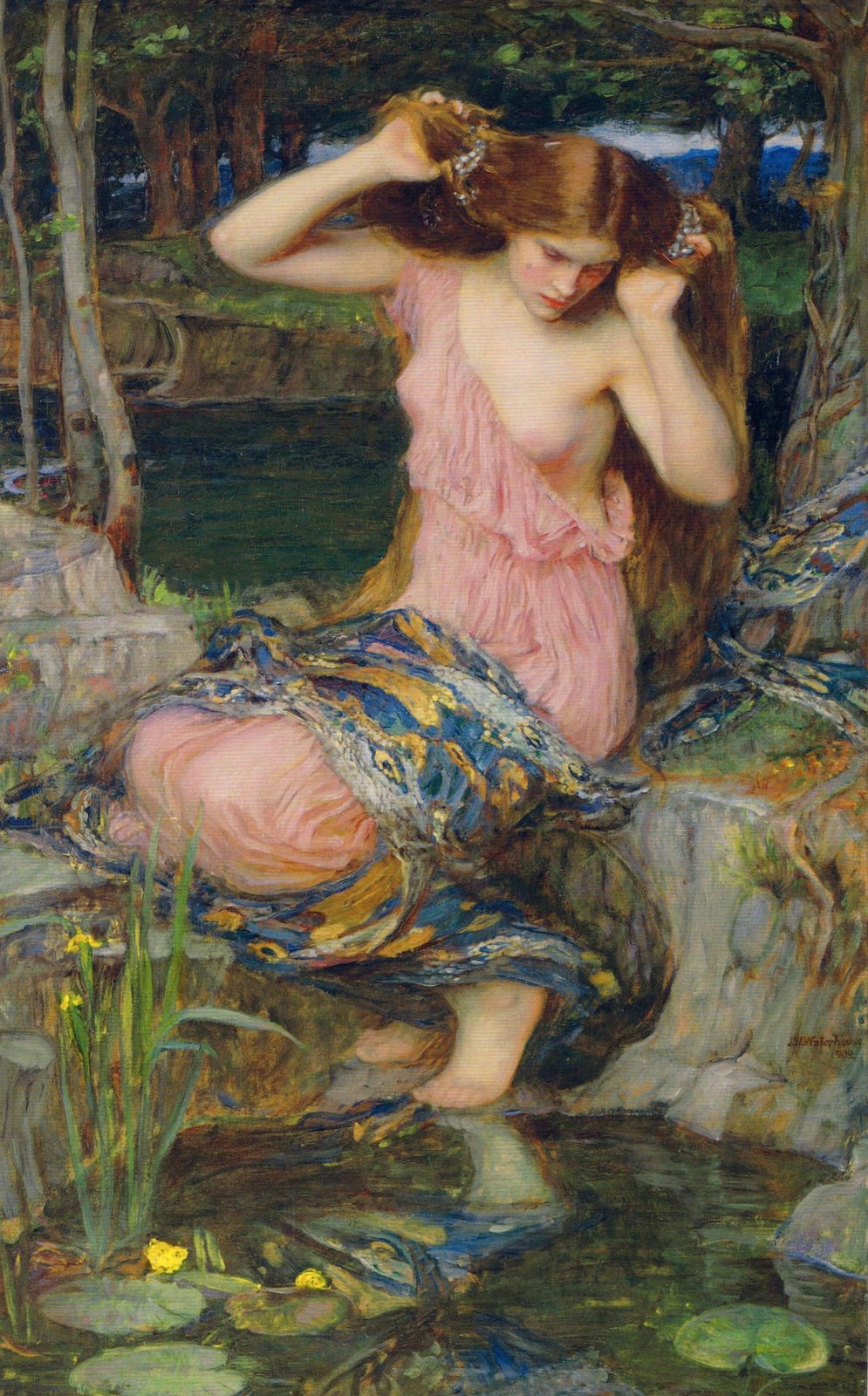 🇪🇸 SpainXana
A water spirit of Asturian myth who offers treasures or madness to those who hear her song.Being · Luck and prosperity · Cursing and harm Legendary
🇬🇾 Guyana and 1 moreBaccoo
A half-wood spirit from Guyanese and Surinamese folklore that serves as a mercenary or a haunting presence.Being · Cursing and harm · Speaking with spirits and the dead Legendary
 🇸🇾 SyriaEchidnaΈχιδνα
A half-woman, half-snake monster in Greek myth who mothered many famous beastsBeing · Cursing and harm Legendary
 🇯🇵 JapanShidaidaka次第高
A tall spirit in Japan that grows when you look up and shrinks when you look down.Being · Cursing and harm Legendary
🇧🇷 BrazilBestial beastBesta-fera
A centaur-like creature in Brazilian folklore thought to be the Devil.Being · Cursing and harm Legendary
🇮🇳 India and 5 moreWerecat
A feline shapeshifter found in global folklore and occult beliefBeing · Cursing and harm · Power and authority Legendary
🇮🇳 IndiaBaakবাক
A shapeshifting water spirit from Assamese folklore that mimics humans and fears torn nets.Being · Cursing and harm · Wonder and entertainment Living
🇮🇳 IndiaAl-Abyad
A jinn called the White King, tied to Monday, the Moon and silverBeing · Cursing and harm Legendary
🇹🇹 Trinidad and TobagoLagahoo
A shape-changing Caribbean monster said to walk at night with a coffinBeing · Cursing and harm Legendary
🇩🇪 GermanyBergmönch
A giant mining spirit of German legend, helper of good miners and terror of the lazyBeing · Protection · Luck and prosperity Legendary
 🇸🇪 Sweden and 1 moreStalloStállu
A large, clumsy creature from Sámi folklore that eats people and is often outwitted by humans.Being · Cursing and harm · Wonder and entertainment Historical
🇪🇬 Egypt and 1 moreMahalathמָחֲלַת
A queen of demons in Jewish mysticism and the mother of AgratBeing · Cursing and harm Historical
🇯🇵 JapanYosuzume夜雀
A Japanese mountain spirit that appears as a bird or butterfly and signals the presence of wolves.Being · Cursing and harm · Protection Historical
 🇵🇪 PeruYachay
Peruvian Amazon phlegm said to hold a shaman's power as darts that harm or healSubstance · Cursing and harm · Healing Living
Photo credits on this page
The small pictures above come from Wikimedia Commons under free licences. Some are cropped to fit.
- Anjana: John William Waterhouse, Public domain, source
- Schrat: Photo: Andreas Praefcke, Public domain, source
- Scylla: Unknown artist, Public domain, source
- Harpy: Unknown, near the Tyrrhenian Group?, CC BY-SA 2.0, source
- Yachay: Veton PICQ, CC BY-SA 3.0, source
- Stallo: John Bauer, Public domain, source
- Echidna: Daderot, Public domain, source
- Bell Witch: Unknown author, Public domain, source
- Hoop snake: Fearsome Critters, Written by Henry H. Tryon • Illustrated by Margaret, CC0, source
- Feldgeist: Zwoelefant, CC BY-SA 3.0, source
- Nobusuma: Utagawa Kuniyoshi ( 歌川国芳 , Japanese, *1798, †1861), Public domain, source
- Guayota: MPF, CC BY-SA 3.0, source
- Ibaraki-dōji: Utagawa Kunisada, CC BY-SA 4.0, source
- Smallpox demon: 佐賀県立図書館, CC0, source
- Aufhocker: Longbow4u, Public domain, source
- Elf: Martin Brandenburg, Public domain, source
- Kasha: Brigham Young University, CC BY-SA 4.0, source
- Shinigami: 日: Jnn, CC BY 2.1 jp, source
- Shidaidaka: by Reggaeman, CC BY-SA 3.0, source