The Mandurugo is a creature from the folklore of the Philippines. It appears as an attractive woman by day but transforms at night to drink blood from men.
- Transforms from woman to winged creature at night
- Uses a long sharp tongue to pierce necks or mouths
- Marries men to prey upon them closely
- Popular in Tagalog and Bicol folklore
- Featured in post-WWII Philippine vampire films
What it is
This entity belongs to the Aswang group of shapeshifters in Philippine mythology. By daylight, it takes the form of a young and beautiful woman. When darkness falls, it grows wings and extends a long, sharp tongue. This appendage is used to pierce the neck or the inside of a man's mouth during a kiss. The creature then drinks the blood obtained through these wounds.
Where it comes from
Stories about this being are common among Tagalog and Bicol speakers. There are many variations of the legend. In some accounts, the creature marries unsuspecting men to live close to their victims. Other versions suggest it selects a single husband to serve as a cover while it travels to other villages to feed.
How it is done
The transformation happens after sunset. The creature flies to find targets. It often uses intimacy as a method of attack. A victim may be kissed while the tongue pierces his mouth or neck. One tale describes a husband who kept a knife ready. He felt a prick on his neck and stabbed the creature hovering above him. The attack caused a loud screech and wing flapping noises.
Tools and materials
The primary tools are its physical features. Wings allow for flight between villages. A long, sharp tongue serves as the weapon for piercing skin. These body parts change from a human appearance to monstrous forms when night begins.
Mandurugo, drawn and placed
- Living
- Revived
- Fading
- Historical
- Legendary
- Performed
- Lineage
- Aswang tradition
- Timing
- at night
What it is for
The main goal is obtaining human blood. The creature seeks out men to satisfy this need. Some stories say it kills its husbands quickly. One account mentions a husband withering away to bones within a year. Others describe multiple marriages with the same fatal result for each partner.
Who does it
No specific human practitioners are described. The being acts alone as a predator. It relies on deception and physical transformation. Victims are typically unsuspecting men who become partners or targets.
Peoples and places
The legends are tied to the Philippines. They are particularly popular among Tagalog and Bicol communities. Different regions have varying details about the creature's behavior and appearance.
At a glance: who, where and when
Belief worlds
What people believe
The belief system places this being within the Aswang category. These are shapeshifters known for harmful activities. The stories reflect fears of hidden dangers in intimate relationships and nighttime vulnerability.
When it is done
The activity occurs at night. The timing is linked to darkness rather than seasonal events.
How scholars and sceptics see it
Scholars note the influence of the Roman Catholic Church on post-World War II Philippine cinema. Films like The Vampire People (1966) drew from vampire folklore. These movies blended local myths with mainstream cultural themes.
Cautions and what is closed
Victims face death or severe weakening. The tales warn of partners who hide dangerous natures. Physical harm comes from blood loss and stabbing. The creature itself can be killed if discovered and struck.
Compare and confuse
It is similar to vampires in Western lore. It shares traits with the Manananggal and Wakwak. All belong to the broader Aswang classification of Filipino mythical beings.
Questions people ask about Mandurugo
What is the Mandurugo?
It is a mythical being from Philippine folklore. It is a type of Aswang shapeshifter that resembles a vampire.
Where does the legend come from?
The stories originate in the Philippines. They are widely told among Tagalog and Bicol speaking communities.
How does it feed?
It grows a long sharp tongue at night. It uses this to pierce a man's neck or mouth while kissing him to drink blood.
What happens to its victims?
Victims often die or waste away. One story describes a husband dying within a year of marriage due to blood loss.
Good reading and sources
The facts on this page come from the Wikipedia article "Mandurugo", written by its contributors and used under the CC BY-SA 4.0 licence, and from its Wikidata record (CC0). EveryJaadu rewrote the text in its own words, with AI assistance, and compares every page with the article to make sure no passage is copied. It may be reused under the same CC BY-SA 4.0 licence with a link back.
It may contain mistakes. Names and customs differ from one community to the next, and some knowledge is closed to outsiders and left out here. This page describes belief and practice. It does not say that any of it works, it is not a how-to, and it is not medical advice. If something is wrong, tell us. Last refreshed 2026-10-07.
More from the Philippines
All the entries from the Philippines 🇵🇭 PhilippinesAswang
A shape-shifting monster from Philippine folklore that preys on humans.Being · Cursing and harm Legendary
🇵🇭 PhilippinesAswang
A shape-shifting monster from Philippine folklore that preys on humans.Being · Cursing and harm Legendary
 🇲🇾 Malaysia and 5 morePenanggalan
A floating head with trailing organs from Malay folklore, said to hunt pregnant women and newborns.Being · Cursing and harm Legendary
🇵🇭 PhilippinesKapre
A tree giant of Philippine folklore that smokes cigars and plays pranks on travelersBeing · Wonder and entertainment Legendary
🇲🇾 Malaysia and 5 morePenanggalan
A floating head with trailing organs from Malay folklore, said to hunt pregnant women and newborns.Being · Cursing and harm Legendary
🇵🇭 PhilippinesKapre
A tree giant of Philippine folklore that smokes cigars and plays pranks on travelersBeing · Wonder and entertainment Legendary
Related elsewhere
All being 🇷🇸 Serbia and 5 moreVampire
An undead creature from folklore that feeds on the blood or life force of the livingBeing · Cursing and harm · Luck and prosperity Legendary
🇷🇸 Serbia and 5 moreVampire
An undead creature from folklore that feeds on the blood or life force of the livingBeing · Cursing and harm · Luck and prosperity Legendary
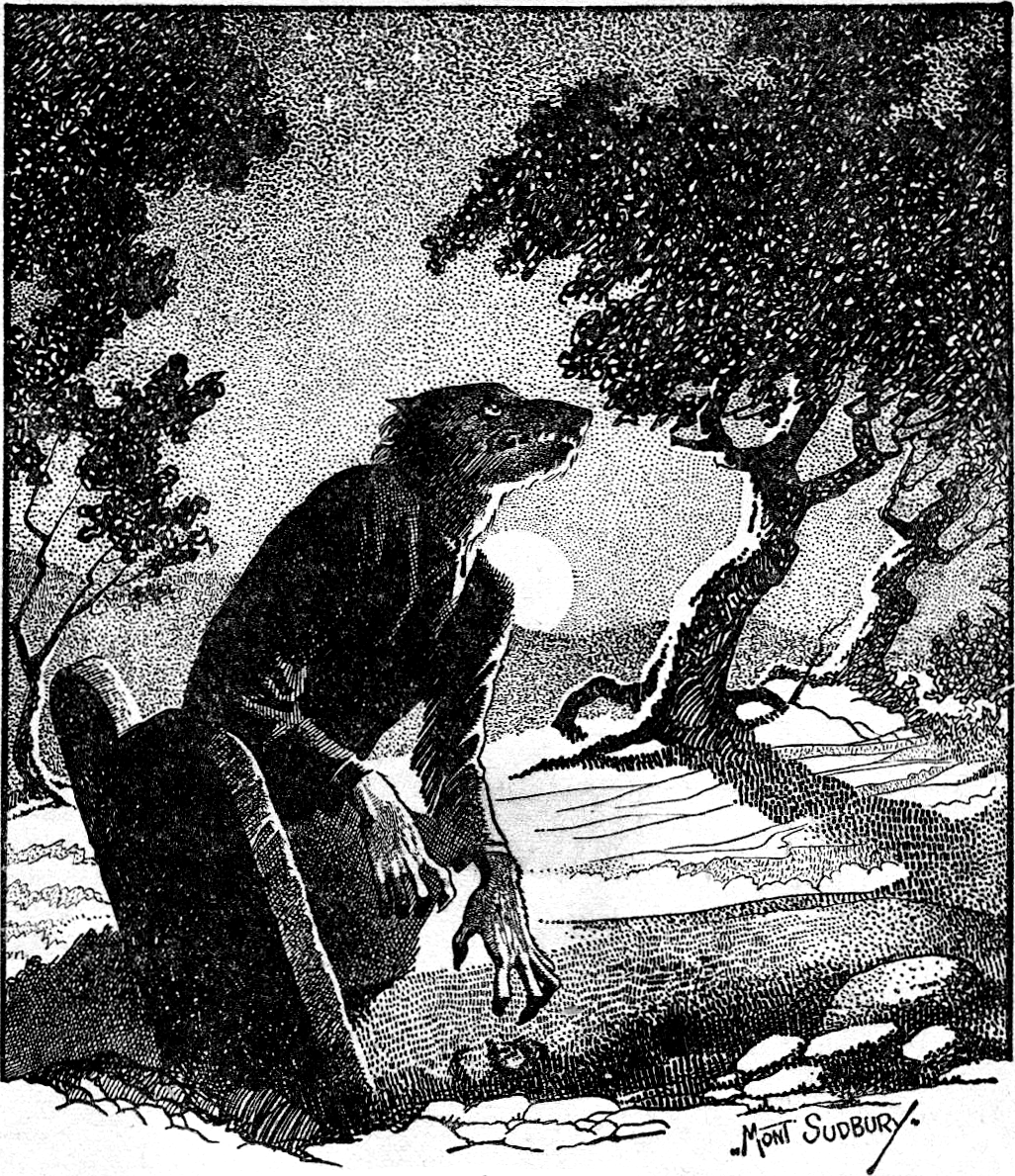 🇫🇷 France and 5 moreWerewolf
A mythical shapeshifter that turns into a wolf, central to European witch-hunts and Gothic horror.Being · Cursing and harm · Wonder and entertainment Legendary
🇫🇷 France and 5 moreWerewolf
A mythical shapeshifter that turns into a wolf, central to European witch-hunts and Gothic horror.Being · Cursing and harm · Wonder and entertainment Legendary
 🇪🇬 Egypt and 1 moreLilithלִילִית
A feminine figure from Mesopotamian and Jewish mythology, often depicted as a night demon or spirit.Being · Cursing and harm Legendary
🇪🇬 Egypt and 1 moreLilithלִילִית
A feminine figure from Mesopotamian and Jewish mythology, often depicted as a night demon or spirit.Being · Cursing and harm Legendary
 🇪🇬 EgyptCurse
A spoken wish for misfortune to befall a person or placeBelief · Cursing and harm · Luck and prosperity Historical
🇪🇬 EgyptCurse
A spoken wish for misfortune to befall a person or placeBelief · Cursing and harm · Luck and prosperity Historical