
Khamot
In its own language: โขมด
from Khmer khmaoch meaning ghost in general
A floating night light in Thai and Khmer folklore that misleads travelers
Khamot is a spirit from Thai and Khmer folk mythology. It appears as a flickering glow in marshy areas to confuse people. The name comes from the Khmer word for ghost.
- Name comes from Khmer khmaoch meaning ghost
- Appears as flickering light in marshes
- Misleads travelers by vanishing and reappearing
- Linked to Krasue and Phong spirits
- Loy Khamot festival uses matching lanterns
What it is
Khamot is a spirit found in Thai and Khmer folk mythology. People describe it as an atmospheric ghost light. It has no fixed shape. Some see it as a floating ball of light. Others call it a large flickering glow. These lights appear at night. They are often seen in damp or marshy places. The spirit is linked to other ghosts like Krasue and Phong. It is known for confusing travelers.
Where it comes from
The word comes from the Khmer language. The original term is khmaoch. This means ghost in general. The concept exists in both Thai and Khmer traditions. In Thailand, it is part of local ghost stories. The Royal Institute Dictionary lists it with similar spirits. Scientific views attribute the lights to methane gas. This gas ignites from decomposing organic matter. This creates flickering lights in the dark.
How it is done
The spirit acts by deception. It lures people in forests. Travelers think they see a torch ahead. They follow the light. The glow suddenly vanishes. It then reappears around them. This causes confusion and lost directions. In Lamphun province, people hold Loy Khamot. This happens on the full moon of the twelfth lunar month. It coincides with Loy Krathong. Floating lanterns sparkle like the ghost's orbs.
Tools and materials
The main feature is a glowing light. It looks like a fire or torch. It appears in rural areas. Marshes and damp ground are common spots. Lanterns are used in festivals. These mimic the spirit's appearance. No physical tools are used by the spirit itself.
Khamot, drawn and placed
- Living
- Revived
- Fading
- Historical
- Legendary
- Performed
- Lineage
- Thai and Khmer folk mythology
- Timing
- at night
What it is for
The spirit is said to deceive travelers. It haunts those who wander at night. It makes people lose their way. Some view it as malevolent. It confuses and frightens visitors. In festivals, the lights honor the tradition. The Loy Khamot event celebrates the lore. It does not offer healing or protection.
Who does it
No specific group performs rituals for this spirit. It is a figure in folklore. Stories are shared among locals. Scholars study the linguistic roots. The Royal Institute provides definitions. Ordinary people tell these tales. There are no trained priests involved.
Peoples and places
The spirit belongs to Thai culture. It also appears in Khmer myths. The name derives from Khmer words. In Thailand, it is a known ghost type. Regional variations exist across the country. Lamphun province has unique customs. The Loy Khamot festival is local there. Other areas may have different names.
At a glance: who, where and when
Belief worlds
What people believe
Folklore holds these lights are spirits. They are undead or nocturnal beings. They mislead humans intentionally. Science explains them as gas ignition. Methane burns in the air. This creates natural illusions. Both views coexist in understanding. The spirit represents danger in nature.
When it is done
The spirit is active at night. It appears during darkness. In Lamphun, Loy Khamot occurs on the full moon. This is the twelfth lunar month. It aligns with Loy Krathong. Lanterns float on water then. The timing matches traditional festivals.
How scholars and sceptics see it
The Royal Institute Dictionary defines the term. It links Khamot to Krasue and Phong. Scientific accounts cite methane gas. Decomposition produces flammable vapors. These ignite spontaneously. This explains the visual phenomenon. Folklore attributes agency to the light. Scholars distinguish myth from chemistry.
Cautions and what is closed
Travelers may become lost in forests. The spirit causes disorientation. People might wander into danger. Marshes can be hazardous terrain. No physical harm is reported directly. The risk is getting separated. Fear of the unknown drives caution.
Compare and confuse
It resembles Krasue and Phong ghosts. These are similar Thai spirits. Onibi is a Japanese counterpart. Will-o'-the-wisp is a Western equivalent. All involve misleading lights. The Khmer origin distinguishes its name. The grouping is atmospheric ghost lights.
Law and persecution
No legal issues are mentioned. The spirit is a cultural figure. Festivals are permitted traditions. No persecution is recorded. The lore is protected as heritage.
Days linked to Khamot
Questions people ask about Khamot
What is a Khamot?
It is a ghost from Thai and Khmer folklore. It appears as a floating light. It is believed to confuse travelers in rural areas.
Where does the name come from?
The word borrows from Khmer. The term khmaoch means ghost in general. It entered Thai usage through cultural exchange.
How does it trick people?
It mimics a torch or fire. Travelers follow the glow. The light disappears and surrounds them. This causes them to lose their path.
Good reading and sources
The facts on this page come from the Wikipedia article "Khamot", written by its contributors and used under the CC BY-SA 4.0 licence, and from its Wikidata record (CC0). EveryJaadu rewrote the text in its own words, with AI assistance, and compares every page with the article to make sure no passage is copied. It may be reused under the same CC BY-SA 4.0 licence with a link back.
It may contain mistakes. Names and customs differ from one community to the next, and some knowledge is closed to outsiders and left out here. This page describes belief and practice. It does not say that any of it works, it is not a how-to, and it is not medical advice. If something is wrong, tell us. Last refreshed 2026-11-16.
More from Thailand
All the entries from Thailand 🇲🇾 Malaysia and 5 morePenanggalan
A floating head and trailing organs from Malay ghost mythsBeing · Cursing and harm Living
🇮🇩 Indonesia and 3 moreToyoltuyul
An undead infant spirit in Southeast Asian folklore, invoked for theft and fortune.Being · Luck and prosperity · Cursing and harm Living
 🇹🇭 Thailand and 5 moreKrasueกระสือ
A floating head with trailing organs from Southeast Asian folkloreBeing · Cursing and harm Living
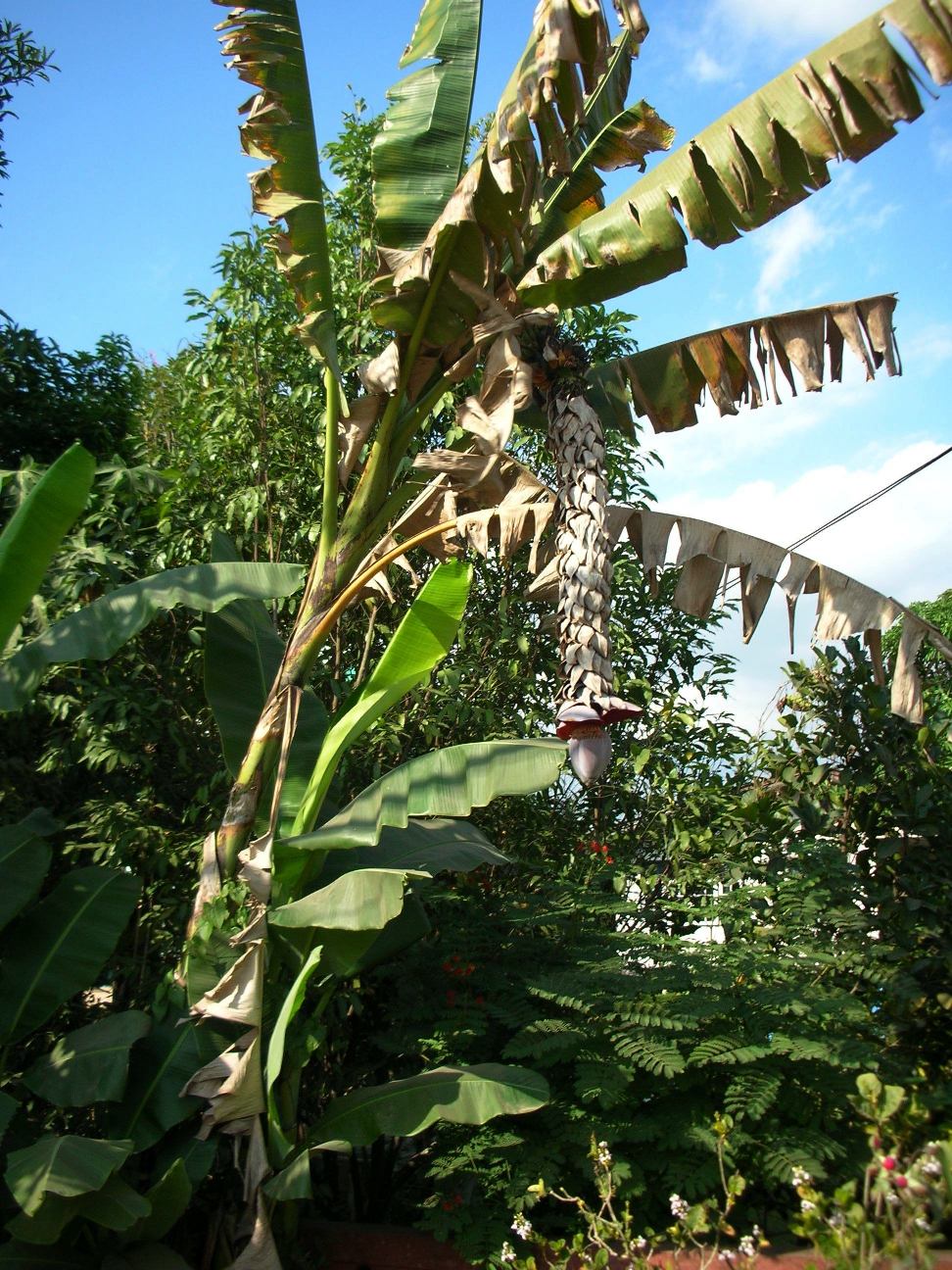 🇹🇭 Thailand and 1 moreNang Taniนางตานี
A female spirit said to inhabit wild banana trees in Southeast Asian folklore.Being · Protection · Luck and prosperity Living
Related elsewhere
All being 🇷🇸 Serbia and 5 moreVampire
An undead being from European folklore that feeds on the life force of the living.Being · Cursing and harm Legendary
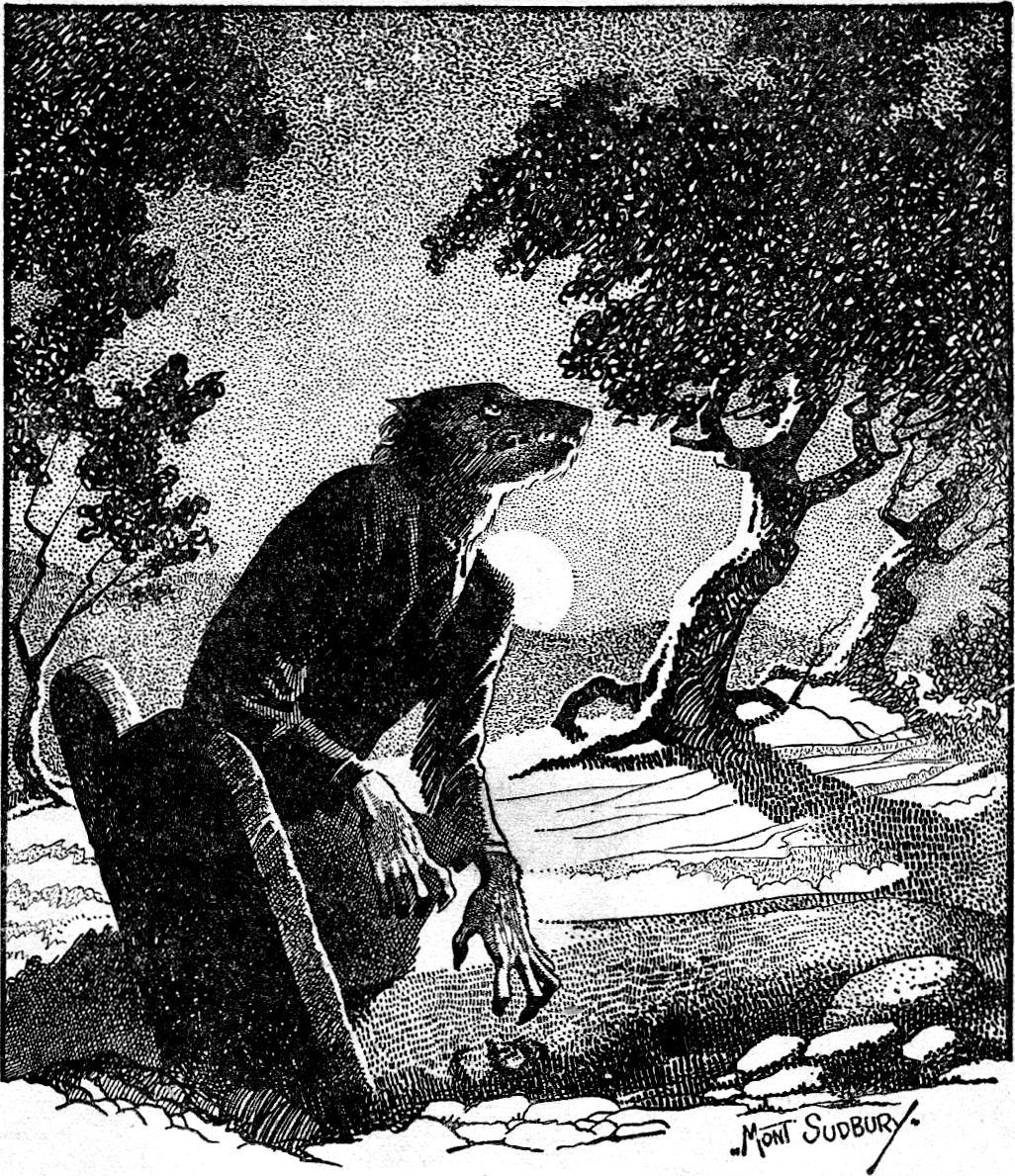 🇨🇭 Switzerland and 5 moreWerewolf
A figure in folklore who transforms into a wolf or hybrid beastFigure · Cursing and harm Legendary
 🇺🇸 United States and 5 moreSatanism
A modern set of beliefs using the figure of Satan as a symbol or deity.Tradition · Power and authority · Cursing and harm Living
 🇪🇬 Egypt and 1 moreLilithלִילִית
A feminine figure from Mesopotamian and Jewish mythology, often depicted as a night demon or spirit.Being · Cursing and harm Legendary