Woman in Black
A spectral figure from Appalachian folklore said to punish men for moral failings
The Woman in Black is a supernatural entity appearing in legends across the Southern and Western United States during the early twentieth century. She is believed to target men who have committed transgressions such as cheating on their wives or neglecting family duties.
- Appears in Southern and Western US folklore
- Targets men who cheat or neglect families
- Uses phantom garments to strike victims
- Reported in Roanoke, Virginia in 1902
- Threatens death if transgressions continue
What it is
The Woman in Black is a legendary supernatural figure rooted in the folklore of the Southern and Western United States. Accounts of her sightings cluster in the early to mid-twentieth century, particularly within Appalachian regions. She manifests as a spectral woman dressed entirely in black. The entity is not a random ghost but a targeted force. She appears specifically to men who have violated social or marital norms. Her presence serves as a warning or a punishment. Stories describe her as sudden and unexpected. She does not speak often. Instead, she acts through physical force or intimidation. The legend functions as a cautionary tale about domestic duty and honesty.
Where it comes from
Legends place her appearances in various towns across Virginia and Minnesota. Roanoke, Virginia, holds a prominent place in these tales. One account dates an appearance there to 1902. Men at a social club were reportedly visited by her spirit. She insisted they return home immediately. Other towns like Bristol, Tazewell, Lynchburg, and Richmond are also cited in local lore. The stories suggest a widespread cultural anxiety about male behavior during that era. The figure likely evolved from broader American ghost traditions. However, her specific focus on marital fidelity sets her apart. Some accounts mention her impact on community behavior. Her alleged visits reportedly kept married men near their families rather than out late at night.
How it is done
The Woman in Black typically appears suddenly to her targets. She does not follow a ritual pattern. A man simply encounters her unexpectedly. In some versions, she uses her phantom garments to strike him. Witnesses say she slaps him to the ground with a swish of cloth. This physical contact is described as painful. It serves as immediate retribution for his sins. If the man continues his bad behavior, the legend says he will be killed at the location where he sinned. In other accounts, she simply terrifies men into fleeing. Four men from a church in Tazewell reportedly ran home in fear after seeing her. The method is always direct confrontation.
Tools and materials
The primary tool associated with this figure is her clothing. She is always described as wearing black garments. These clothes are often referred to as phantom garments. They appear solid enough to create wind or sound when she moves. The fabric is used as a weapon. It can whip or slap a victim with surprising force. No other objects or charms are mentioned in the legends. The black color itself may symbolize mourning or death. It marks her as an otherworldly presence distinct from living women.
Woman in Black, drawn and placed
- Living
- Revived
- Fading
- Historical
- Legendary
- Performed
- Lineage
- Appalachian folklore
What it is for
The purpose of the Woman in Black is moral correction. She targets men who have misbehaved. Common offenses include cheating on wives or committing other moral transgressions. She acts as a supernatural enforcer of marital loyalty. Her interventions are meant to shame or hurt the offender. The goal is to force them back to their families. In some cases, the threat is lethal. Continued sin leads to death at the site of the crime. The legend reinforces traditional gender roles and family structures. It warns men that their actions have spiritual consequences.
Who does it
There are no practitioners of the Woman in Black. She is a spontaneous apparition. She cannot be summoned or controlled by humans. She appears on her own accord. The only people involved are the victims. These are usually men accused of infidelity or neglect. Sometimes prominent figures are named in the stories. Politicians and businessmen have been rumored to encounter her. For example, a Nebraska congressman was allegedly spooked by her in 1902. These high-profile claims add weight to the local legends. But the entity remains independent of human agency.
Peoples and places
The legend is strongest in the United States. It is particularly tied to Appalachian culture. Regions in the South and West share these stories. Virginia features heavily in the accounts. Towns like Roanoke and Bristol are central locations. Minnesota is also mentioned in some versions. The stories reflect regional concerns about community morality. Different towns have their own specific incidents. However, the core narrative remains consistent. The figure is always a woman in black punishing wayward men. The geographic spread suggests a shared cultural value system regarding marriage and conduct.
At a glance: who, where and when
Peoples
Belief worlds
What people believe
The belief system behind this figure relies on folk morality. It assumes that the universe enforces ethical rules. Transgressions against family do not go unpunished. Spirits can intervene in human affairs. The Woman in Black represents a form of cosmic justice. She is not a demon or a deity. She is a localized ghost with a specific job. The belief requires faith in unseen forces. It validates the idea that cheating has severe consequences. The stories serve as social control mechanisms. They encourage adherence to traditional values through fear of supernatural retribution.
When it is done
The Woman in Black does not appear on a fixed calendar. She shows up whenever a man misbehaves. There are no seasonal festivals or holy days linked to her. Her appearances are triggered by human action. A man stays out too long or cheats, and she arrives. This makes her unpredictable. The lack of a set schedule adds to her terror. Victims never know when she might visit. The only timing is the moment of transgression.
How scholars and sceptics see it
Scholars view the Woman in Black as a product of regional folklore. Anthropologists see it as a reflection of social norms. The legend enforces marital fidelity through fear. It highlights anxieties about male behavior in the early twentieth century. Historians note the specific towns and dates mentioned. These details ground the myth in real places. Psychologists might interpret the figure as a manifestation of guilt. The ghost represents the conscience of the community. Sceptics dismiss the stories as tall tales. They see no evidence of actual supernatural activity. The legends persist because they tell compelling moral stories.
Cautions and what is closed
The legends describe physical harm to victims. Men are hit, pummeled, or knocked down. The threat of death is explicit. If a man ignores the warning, he dies. This violence is part of the folklore. It is not a description of real-world events. However, the stories emphasize the danger of ignoring moral boundaries. There are no known frauds or health risks associated with the legend. It is purely a narrative tradition. The caution is implicit: behave well or face supernatural wrath.
Compare and confuse
The Woman in Black is similar to other moralizing ghosts. La Llorona is a famous Latin American figure who punishes bad parents. Both use fear to enforce behavior. The Woman in Black differs by targeting men specifically. She focuses on marital infidelity rather than child neglect. The Thai legend Women in Black of Wat Samian Nari shares the visual motif. However, its story is different. Susan Hill's novel The Woman in Black explores similar themes of haunting. But it is a work of fiction. The folklore predates the book.
Questions people ask about Woman in Black
What is the Woman in Black?
She is a supernatural figure from Appalachian folklore. She appears in the Southern and Western United States. She is a ghost who punishes men for moral failings.
Where does this legend come from?
The legend originates in the United States. It is strong in Appalachian regions. Specific towns like Roanoke and Bristol in Virginia are key locations in the stories.
Why does she appear?
She appears to men who have misbehaved. This includes cheating on wives or neglecting family. She acts as a supernatural enforcer of marital loyalty and moral conduct.
How does she punish men?
She strikes men with her phantom garments. She can slap them to the ground. If they continue their sins, the legend says she will kill them at the site of the crime.
Good reading and sources
The facts on this page come from the Wikipedia article "Woman in Black (supernatural)", written by its contributors and used under the CC BY-SA 4.0 licence, and from its Wikidata record (CC0). EveryJaadu rewrote the text in its own words, with AI assistance, and compares every page with the article to make sure no passage is copied. It may be reused under the same CC BY-SA 4.0 licence with a link back.
It may contain mistakes. Names and customs differ from one community to the next, and some knowledge is closed to outsiders and left out here. This page describes belief and practice. It does not say that any of it works, it is not a how-to, and it is not medical advice. If something is wrong, tell us. Last refreshed 2026-10-06.
More from the United States
All the entries from the United States 🇺🇸 United States and 5 moreNight hag
A supernatural being believed to sit on sleepers and cause paralysisBeing · Cursing and harm Legendary
🇺🇸 United States and 5 moreNight hag
A supernatural being believed to sit on sleepers and cause paralysisBeing · Cursing and harm Legendary
 🇺🇸 United StatesJersey Devil
A legendary creature from South Jersey folklore said to inhabit the Pine Barrens.Being · Wonder and entertainment Legendary
🇺🇸 United StatesJersey Devil
A legendary creature from South Jersey folklore said to inhabit the Pine Barrens.Being · Wonder and entertainment Legendary
 🇺🇸 United States and 2 moreRougarou
A lycanthrope legend from French-speaking communities in North AmericaBeing · Cursing and harm Legendary
🇺🇸 United States and 2 moreRougarou
A lycanthrope legend from French-speaking communities in North AmericaBeing · Cursing and harm Legendary
Related elsewhere
All being 🇹🇷 Turkey and 5 moreEvil eye
A curse caused by an envious look and the charms used to block itBelief · Protection · Cursing and harm Living
🇹🇷 Turkey and 5 moreEvil eye
A curse caused by an envious look and the charms used to block itBelief · Protection · Cursing and harm Living
 🇫🇷 FranceLady of the LakeDame du Lac
A water spirit who raises knights and captures wizards in Arthurian talesFigure · Protection · Cursing and harm Legendary
🇫🇷 FranceLady of the LakeDame du Lac
A water spirit who raises knights and captures wizards in Arthurian talesFigure · Protection · Cursing and harm Legendary
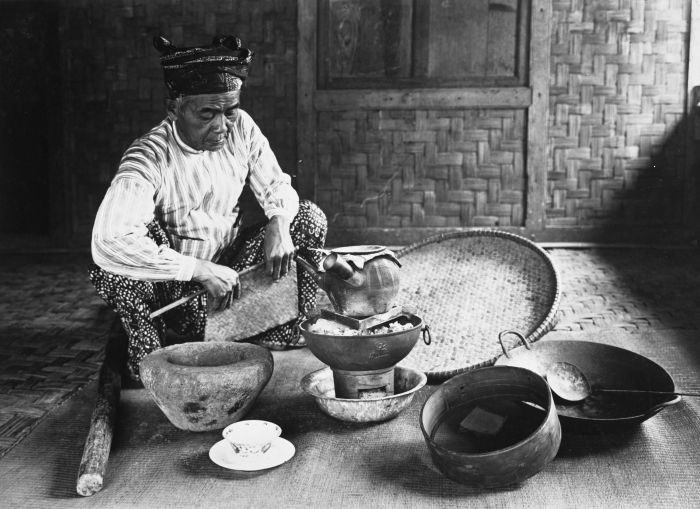 🇮🇩 Indonesia and 2 moreDukun
A traditional healer and spirit medium in Indonesian folk practiceTradition · Healing · Seeing and foretelling Living
🇬🇧 United KingdomGlaistig
A Scottish shape-shifting spirit linked to cattle, deer, and haunted castles.Being · Protection · Cursing and harm Legendary
🇮🇩 Indonesia and 2 moreDukun
A traditional healer and spirit medium in Indonesian folk practiceTradition · Healing · Seeing and foretelling Living
🇬🇧 United KingdomGlaistig
A Scottish shape-shifting spirit linked to cattle, deer, and haunted castles.Being · Protection · Cursing and harm Legendary