Seeing and foretelling
Divination, omens and oracles: asking what is hidden or still to come.
Divination is the attempt to learn what is hidden or still to come. It is found in nearly every culture, from the Chinese I Ching and Ifa in West Africa to the tarot, astrology, palm reading, the Roman augurs and the Greek oracle at Delphi. People consult diviners about marriage, trade, health, journeys and loss. This page covers who reads, what is read, and how the practice is regarded. It is among the oldest and most widely repeated forms of ritual.
What is read
Diviners read many things. Some read natural signs, such as birds, the entrails of animals, cracks in a heated shell or bone, and the stars. Some read objects thrown or drawn at random, such as bones, cowries, cards, runes, tea leaves or lots. Others receive answers in trance, dreams or possession. In China, oracle bones used in the Shang period are among the earliest written records. Many diviners say the reading is shaped by the question asked.
Who reads
The role can be a profession, a family inheritance, or a sign of calling. Ifa babalawo are men, while the Greek Pythia was a woman. Astrologers served courts in India, Persia and Europe, and card readers in cities serve poorer clients. Class and gender shape trust: a palace astrologer and a roadside parrot-reader may use the same texts and be judged very differently. Readers of the same system may disagree, and the best known diviners are expected to admit that signs can be read more than one way.
Law and religion
Responses vary. The Hebrew Bible forbids certain divination, medieval Christian authorities condemned it, and Islamic scholars largely reject claims to know the unseen, while still permitting dream interpretation and astrology in some schools. Modern states regulate fortune-telling under fraud laws, and some Indian states have passed laws against exploitative practices. Divination also persists inside religion, as in Ifa and Buddhist temple lots. Other traditions, such as Buddhism and Sikhism, reject much divination as a distraction from the path, while their followers may still visit astrologers for family matters.
Why it endures
Psychologists explain its appeal through the Barnum effect and confirmation bias, and a good reader also reads the client. Anthropologists add that divination can give a community a way to settle disputes and accept a choice. Practitioners often say their work is guidance, not prediction. A reading is not a substitute for medical, legal or financial advice. A reading is a performance of listening, and what a client takes from it often depends on what they already feel and on what they decide to do afterwards.
Seeing and foretelling on EveryJaadu
The entries written up so far, best known first.
 🇮🇹 Italy and 4 moreTarottarocchi
A set of cards for games and divination, with roots in fifteenth-century ItalyText · Wonder and entertainment · Seeing and foretelling Living
 🇩🇪 Germany and 3 moreRunesᚱᚢᚾᛟ
An ancient Germanic script used for writing and magical signs.Text · Seeing and foretelling · Power and authority Historical
🇭🇺 HungaryTáltos
A Hungarian mythic figure with supernatural powers who acts as a spiritual mediator.Being · Healing · Seeing and foretelling Legendary
 🇮🇹 Italy and 2 moreAugury
A Roman rite of reading bird behavior to learn the will of the godsRite · Power and authority · Seeing and foretelling Historical
 🇬🇷 Greece and 5 moreSibylΣίβυλλα (Sibylla)
Ancient Greek prophetesses who spoke divine counsel at holy shrinesFigure · Seeing and foretelling · Power and authority Legendary
 🇧🇷 Brazil and 5 moreWhite Lady
A female ghost in white clothing linked to tragedy and omens across many culturesFigure · Cursing and harm · Seeing and foretelling Legendary
 🇬🇷 Greece and 1 moreHydromancy
Divination using water to reveal the future or judge legitimacy.Oracle · Seeing and foretelling · Luck and prosperity Historical
 🇬🇷 Greece and 2 moreMagic in the Greco-Roman world
Private supernatural practices in ancient Greece and Rome, distinct from public state religion.Tradition · Protection · Cursing and harm Historical
🇬🇧 United KingdomTaghairm
A Scottish Gaelic divination rite using sensory deprivation and animal skins to summon spirits.Rite · Seeing and foretelling Historical
🇸🇪 Sweden and 3 moreRunic magic
The use of ancient Germanic letters for spells, divination, and protectionTradition · Protection · Seeing and foretelling Living
 🇬🇷 GreeceAeromancy
Divination by reading the sky, wind, and cloudsOracle · Seeing and foretelling Historical
 🇬🇷 Greece and 2 moreAstragalomancy
Divination by casting marked bones, carved rods, or numbered diceOracle · Seeing and foretelling · Speaking with spirits and the dead Living
 🇬🇷 GreeceDodonaΔωδώνη
The oldest Greek oracle, where wind in oak leaves revealed the will of Zeus and DioneOracle · Seeing and foretelling Historical
 🇨🇳 China and 3 moreTasseography
A divination method that reads fortunes in the sediment of tea or coffee cupsOracle · Seeing and foretelling · Luck and prosperity Living
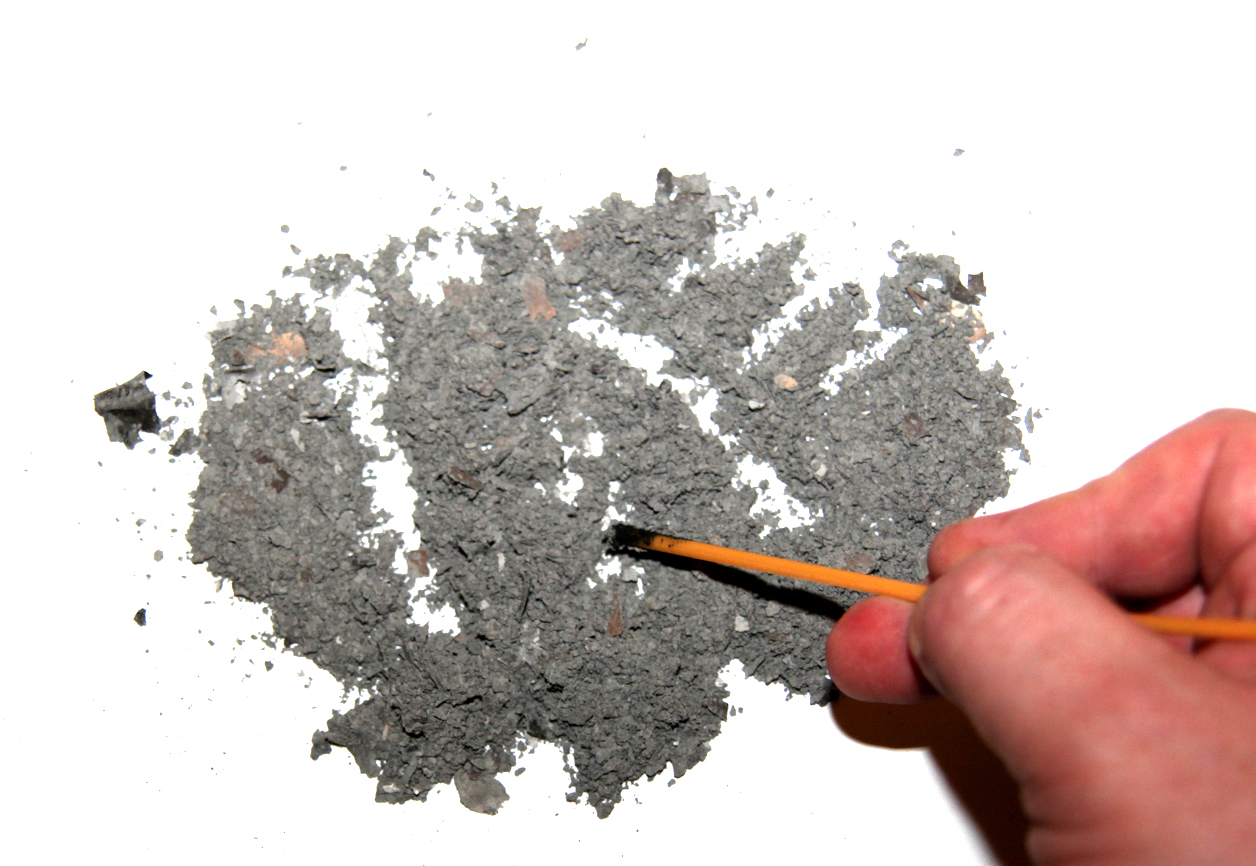 🇬🇷 Greece and 5 moreSpodomancy
Divination by reading omens in ashes, soot, and cindersOracle · Seeing and foretelling · Healing Living
 🇬🇷 Greece and 3 moreOracle
A person or site believed to channel divine insight and predict the future.Oracle · Seeing and foretelling · Power and authority Historical
 🇬🇧 United KingdomMother Shipton
An English prophetess and herbalist from folklore, known for predictions printed long after her death.Figure · Seeing and foretelling · Healing Historical
 🇷🇺 Russia and 2 moreDomovoyДомовой
A household spirit in Slavic folklore that guards the family and home.Being · Protection · Seeing and foretelling Historical
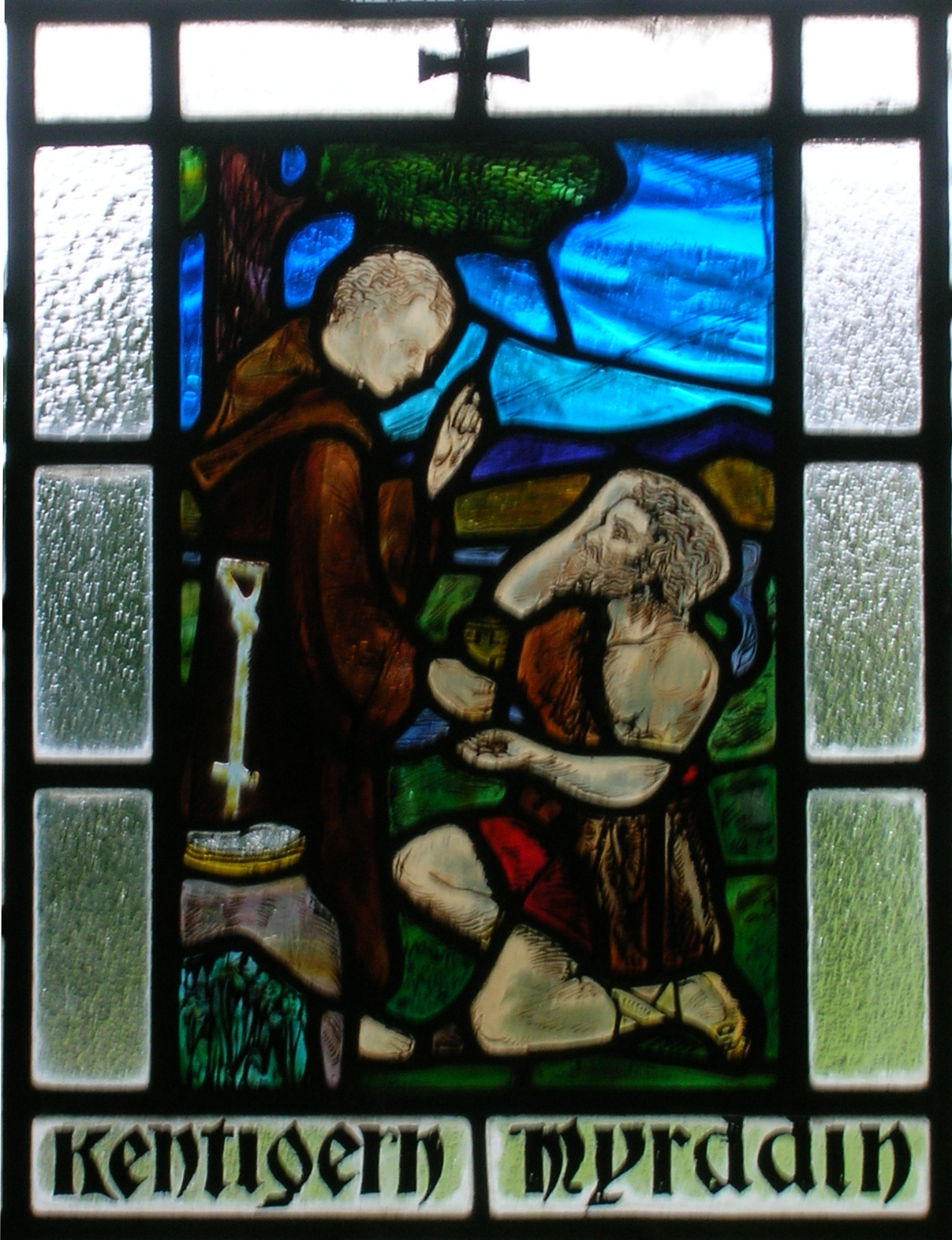 🇬🇧 United KingdomMyrddin Wyllt
A wild prophet of Welsh legend who inspired the wizard MerlinFigure · Seeing and foretelling Legendary
🇫🇷 FrancePlanchette
A wooden device for automatic writing used in Victorian spiritualist séancesCharm · Speaking with spirits and the dead · Seeing and foretelling Historical
🇮🇸 IcelandFylgja
A Nordic guardian spirit that shadows a person and their fateBeing · Seeing and foretelling · Luck and prosperity Legendary
 🇬🇧 United Kingdom and 7 moreSaint Andrew's Day
A Christian feast day marked by national holidays in Scotland and Romania, and folk divination across Europe.Rite · Seeing and foretelling · Luck and prosperity Living
 🇬🇷 Greece and 5 moreNecromancy
A form of divination that seeks to speak with the dead for hidden knowledge.Tradition · Seeing and foretelling · Power and authority Historical
 🇮🇹 Italy and 3 moreRenaissance magic
A 15th and 16th century revival of magical arts blending philosophy, astrology, and hidden knowledge.Tradition · Power and authority · Seeing and foretelling Historical
🇮🇪 IrelandFetch
A spectral double whose appearance signals death or long lifeBeing · Seeing and foretelling Historical
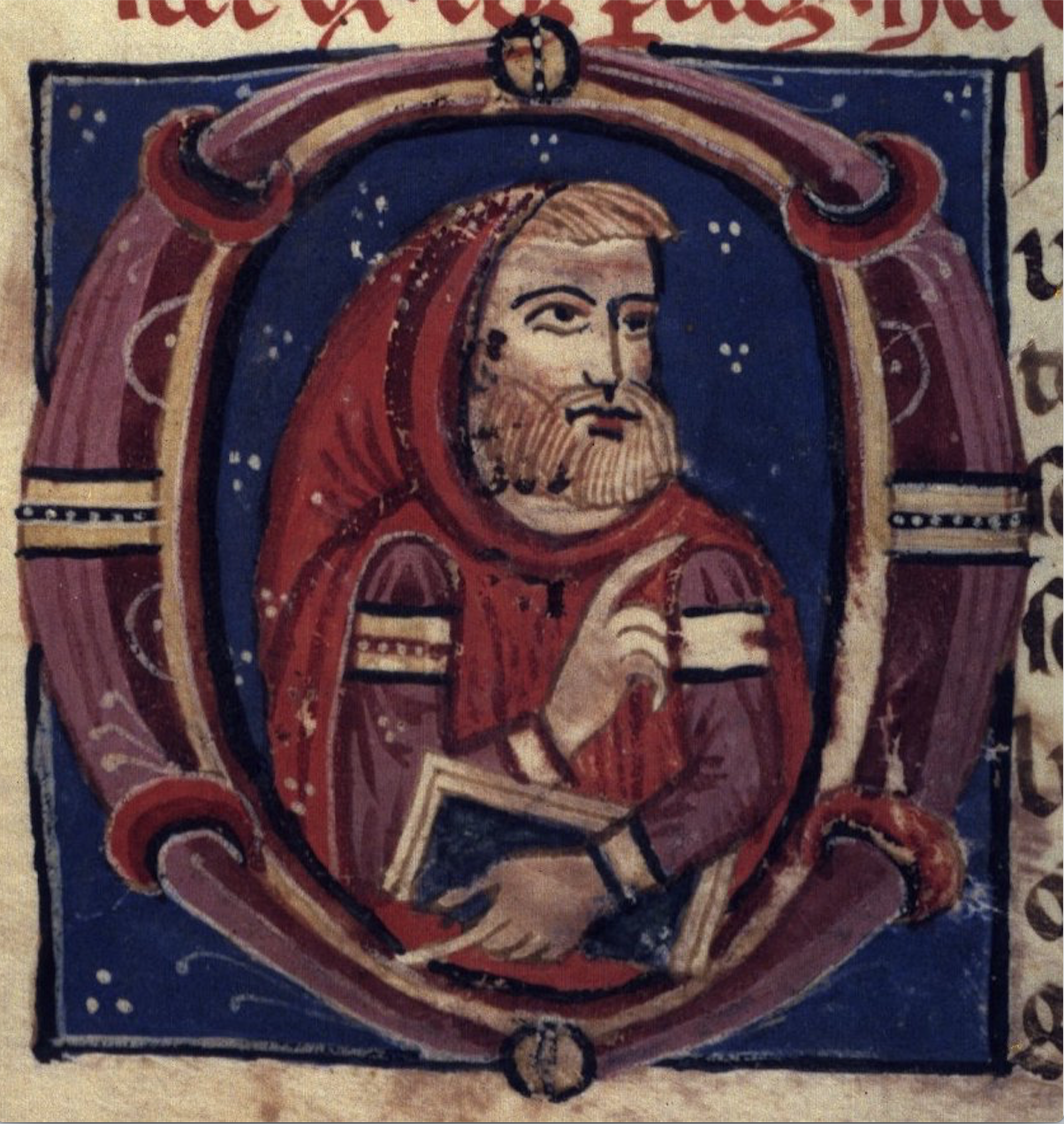 🇬🇧 United Kingdom and 2 moreMichael Scot
A medieval scholar and astrologer who became a legendary magician in folklore.Figure · Seeing and foretelling · Wonder and entertainment Legendary
 🇺🇦 Ukraine and 4 moreMugwort
An aromatic herb used in folk magic for protection and divinationSubstance · Protection · Seeing and foretelling Living
🇮🇪 IrelandThe MorríganMórrígan
An Irish goddess of war, fate, and sovereignty who appears as a crow or shape-shifter.Figure · Seeing and foretelling · Cursing and harm Legendary
🇬🇧 United KingdomBarghest
A mythical black dog from Northern England that foretells death and haunts the countryside.Being · Seeing and foretelling · Cursing and harm Legendary
 🇮🇪 Ireland and 4 moreWinter solstice
The shortest day and longest night of the year, marked by rites of solar returnTradition · Seeing and foretelling · Protection Living
 🇬🇧 United KingdomWilliam Lilly
A seventeenth-century English astrologer and author who shaped Western tradition.Text · Seeing and foretelling · Power and authority Historical
 🇮🇹 ItalyLiver of Piacenza
A bronze sheep's liver inscribed with Etruscan deity names, used for divination.Substance · Seeing and foretelling Historical
 🇬🇷 GreeceCoscinomancy
A divination method using a sieve and shears to reveal guilt or answer questions.Oracle · Seeing and foretelling Historical
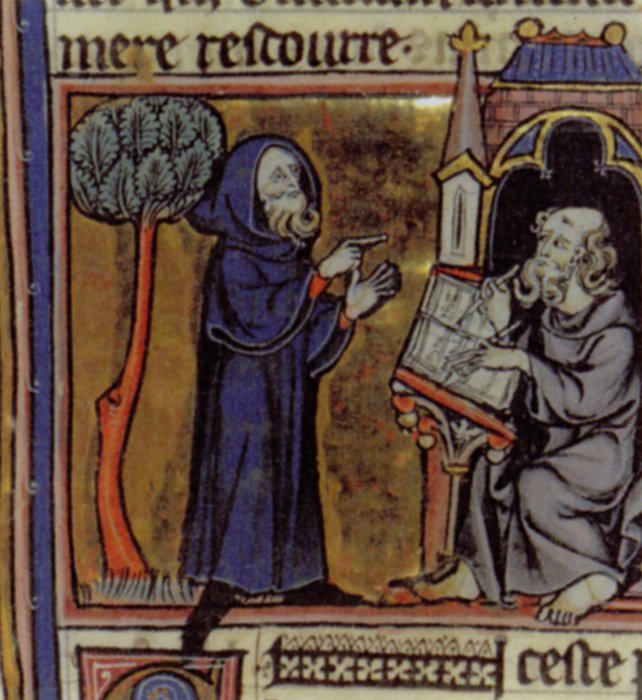 🇮🇹 Italy and 1 moreMedieval European magic
A broad category of ritual and natural practices in the Middle Ages, blending healing, divination, and religious belief.Tradition · Healing · Seeing and foretelling Historical
 🇬🇧 United Kingdom and 1 moreMerlinMyrddin
A legendary prophet and magician from the King Arthur cycleFigure · Seeing and foretelling · Power and authority Legendary
🇬🇧 United KingdomBlack dog
A spectral hound from English folklore that signals death or guards the living.Being · Cursing and harm · Protection Legendary
 🇪🇸 Spain and 5 moreAlfonso X of Castileel Sabio
A medieval king who sponsored astronomical tables and translated works on magic and astrology.Text · Power and authority · Seeing and foretelling Historical
 🇫🇷 France and 1 moreNostradamus
A French astrologer and physician known for his book of poetic propheciesText · Seeing and foretelling · Healing Historical
 🇬🇷 GreeceCassandraΚασσάνδρα
A Trojan priestess cursed to speak truth that no one acceptsFigure · Seeing and foretelling Legendary
🇬🇷 Greece and 3 morePyromancy
Divination by reading flames, smoke, or fire-heated objectsOracle · Seeing and foretelling Historical
🇬🇧 United KingdomSt Mark's Eve
An English folk custom to witness omens of death and future marriage on the eve of a saint's feast dayRite · Seeing and foretelling · Cursing and harm Historical
 🇮🇸 Iceland and 3 moreSeiðr
A Norse divination and manipulation magic practiced during the Viking Age.Tradition · Seeing and foretelling · Cursing and harm Revived
 🇮🇹 ItalyEtruscan religion
The polytheistic beliefs and divination practices of the ancient Etruscans of ItalyTradition · Seeing and foretelling · Speaking with spirits and the dead Historical
 🇮🇪 IrelandBadb
An Irish war goddess who appears as a crow to sow fear and predict death in battle.Being · Cursing and harm · Seeing and foretelling Legendary
 🇬🇧 United Kingdom and 4 moreCunning folk
European practitioners of folk medicine and helpful magic from the Middle Ages to the twentieth centuryTradition · Protection · Healing Historical
 🇫🇷 FranceCartomancy
Divination using playing cards or tarot decks to foresee the futureOracle · Seeing and foretelling · Luck and prosperity Living
🇬🇧 United Kingdom and 1 moreScottish folkloreBeul-aithris na h-Alba
The myths, creatures and beliefs of the Scottish people, recorded from ancient times to the present.Tradition · Seeing and foretelling · Protection Living
 🇪🇬 Egypt and 2 moreNatural magic
A historical tradition exploring hidden forces in the physical worldTradition · Seeing and foretelling · Power and authority Historical
Photo credits on this page
The small pictures above come from Wikimedia Commons under free licences. Some are cropped to fit.
- Augur: Unknown author, Public domain, source
- Seiðr: John Bauer, Public domain, source
- Coscinomancy: Heinrich Cornelius Agrippa von Nettesheim, Public domain, source
- Renaissance magic: Unknown author, Public domain, source
- Michael Scot: Unknown author, Public domain, source
- Winter solstice: Image by Przemyslaw " Blueshade " Idzkiewicz, CC BY-SA 2.0, source
- William Lilly: Simon Harriyott, CC BY 2.0, source
- Alfonso X of Castile: Otto Posse (1847-1921), Public domain, source
- Myrddin Wyllt: Rosser1954 Roger Griffith, Public domain, source
- Etruscan religion: sailko, CC BY 2.5, source
- Cunning folk: Midnightblueowl at English Wikipedia, CC BY-SA 3.0, source
- Mugwort: Prahlad balaji, CC BY-SA 4.0, source
- Liver of Piacenza: Piacenza_Bronzeleber.jpg : Lokilech, CC BY-SA 3.0, source
- Cassandra: George Romney, Public domain, source
- Evocation: engraved by Ames of Bristol (according to Fincham, Artists and engrave, Public domain, source
- Badb: Commonists, CC BY-SA 4.0, source
- Medieval European magic: Unknown author, Public domain, source
- Merlin: Howard Pyle, Public domain, source
- Nostradamus: After César de Notre-Dame, Public domain, source
- Domovoy: Ivan Bilibin, Public domain, source
- Mother Shipton: Unknown author, Public domain, source
- Oracle: John William Waterhouse, Public domain, source
- Cartomancy: Alma Erdmann, Public domain, source
- Saint Andrew's Day: Henryk Siemiradzki, Public domain, source
- Magic in the Greco-Roman world: ArchaiOptix, CC BY-SA 4.0, source
- Natural magic: Unidentified painter, Public domain, source
- Spodomancy: Tim1965, CC BY-SA 3.0, source
- Necromancy: Unknown author, CC BY 4.0, source
- Aeromancy: Unknown author, Public domain, source
- Astragalomancy: Roland zh, CC BY-SA 3.0, source
- Hydromancy: Roger McLassus, CC BY-SA 3.0, source
- Tasseography: User:MochaSwirl, Public domain, source
- Dodona: Marcus Cyron, CC BY-SA 3.0, source
- Sibyl: Filippino Lippi (1457-1504), Public domain, source
- Tarot: World Web Playing Card Museum, Public domain, source
- Runes: Bengt Olof ÅRADSSON, CC BY 1.0, source