
Coscinomancy
From Greek koskinomantis, meaning a diviner using a sieve, derived from koskinon.
A divination method using a sieve and shears to reveal guilt or answer questions.
Coscinomancy is an ancient divination technique that uses a wire mesh strainer and a pair of shears to uncover hidden truths. Practitioners suspend the sieve from the blades to ask questions or identify criminals, believing spirits move the objects. The practice appears in Greek literature and later spread through European magic texts into early modern New England.
- Uses a sieve and shears to divine answers.
- Traces back to ancient Greek seers.
- Cornelius Agrippa linked it to demon summoning.
- Requires unintelligible incantations to work.
- Found in texts from Greece to 17th-century New England.
What it is
Coscinomancy is a technique for seeking knowledge through divination. It relies on a household sieve and a pair of shears. Users suspend the metal strainer from the blades to ask questions or locate criminals. The method assumes the tools will move under supernatural influence. This practice appears in ancient Greek texts and survives in European occult literature well into the seventeenth century.
Where it comes from
The word originates from the Greek koskinomantis, which describes a seer working with a sieve. Ancient authors like Theocritus and Lucianus recorded the term. The custom traveled through medieval Latin and reached early modern Europe. By the sixteenth century, magicians documented the ritual in their books. The practice also appeared in seventeenth-century New England.
How it is done
One detailed account comes from Cornelius Agrippa. He described suspending the sieve from the shears so the blades touched the rim. Some illustrations suggest a thread connects the items. The operator holds the device with two fingers, making it unstable. Agrippa believed a demon forced the sieve to swing or turn. He recited a sequence of nonsense syllables to command the spirit. The words were meant to be unintelligible to humans.
Tools and materials
The primary instruments are a wire mesh strainer and a pair of scissors or shears. A piece of thread may link the two objects. The setup allows the sieve to pivot or drop slightly. The instability helps generate movement during the reading.
Coscinomancy, drawn and placed
- Living
- Revived
- Fading
- Historical
- Legendary
- Performed
- Lineage
- Ancient Greek divination traditions
What it is for
Practitioners use this method to solve mysteries. It serves to identify the person responsible for a crime. It also answers general inquiries. The goal is to reveal hidden information through the motion of the tools.
Who does it
The practice is associated with magicians and occult writers. Figures like Agrippa and Johann Weyer wrote about the ritual. They treated it as a ceremonial act involving spirit invocation. The operators rely on precise handling of the tools to ensure movement.
Peoples and places
The tradition has roots in ancient Greece. It spread across medieval and early modern Europe. Records show its presence in seventeenth-century New England. Various cultures adopted the technique for different divinatory needs.
At a glance: who, where and when
Who does it
Belief worlds
What people believe
The underlying theory involves spirit agency. Agrippa argued that invisible entities moved the heavy metal objects. He viewed the incantations as powerful commands that spirits could not ignore. The use of unknown words mirrors beliefs in other magical languages, such as the Enochian system.
Compare and confuse
Coscinomancy shares features with other spirit-driven divination methods. It resembles the use of untranslatable words found in Arabian Nights tales. The concept parallels the Enochian language developed by Edward Kelley and John Dee. Both systems rely on incomprehensible speech to access supernatural forces.
Questions people ask about Coscinomancy
What is coscinomancy?
It is a divination method that uses a wire mesh strainer and a pair of shears. The tools are suspended together to ask questions or identify criminals, with the belief that spirits cause them to move.
Where did this practice originate?
The custom began in ancient Greece. The name comes from the Greek word for a seer who uses a sieve. It later spread through medieval Europe and reached early modern New England.
How is the ritual performed?
The sieve is hung from the shears, often with a thread. The operator holds it with two fingers to keep it unstable. They then recite a spell while waiting for the tools to swing or turn.
Why are nonsense words used in the spell?
Magicians believed unintelligible syllables compelled spirits to act. The words were meant to be understood only by the supernatural realm, similar to the Enochian language used by later occultists.
Good reading and sources
- Coscinomancy on WikipediaEncyclopedia
- More photos on Wikimedia CommonsPhotos and video
- Wikidata recordOpen data
The facts on this page come from the Wikipedia article "Coscinomancy", written by its contributors and used under the CC BY-SA 4.0 licence, and from its Wikidata record (CC0). EveryJaadu rewrote the text in its own words, with AI assistance, and compares every page with the article to make sure no passage is copied. It may be reused under the same CC BY-SA 4.0 licence with a link back.
It may contain mistakes. Names and customs differ from one community to the next, and some knowledge is closed to outsiders and left out here. This page describes belief and practice. It does not say that any of it works, it is not a how-to, and it is not medical advice. If something is wrong, tell us. Last refreshed 2026-10-05.
More from Greece
All the entries from Greece 🇬🇷 Greece and 1 moreHydromancy
Divination using water to reveal the future or judge legitimacy.Oracle · Seeing and foretelling · Luck and prosperity Historical
🇬🇷 Greece and 1 moreHydromancy
Divination using water to reveal the future or judge legitimacy.Oracle · Seeing and foretelling · Luck and prosperity Historical
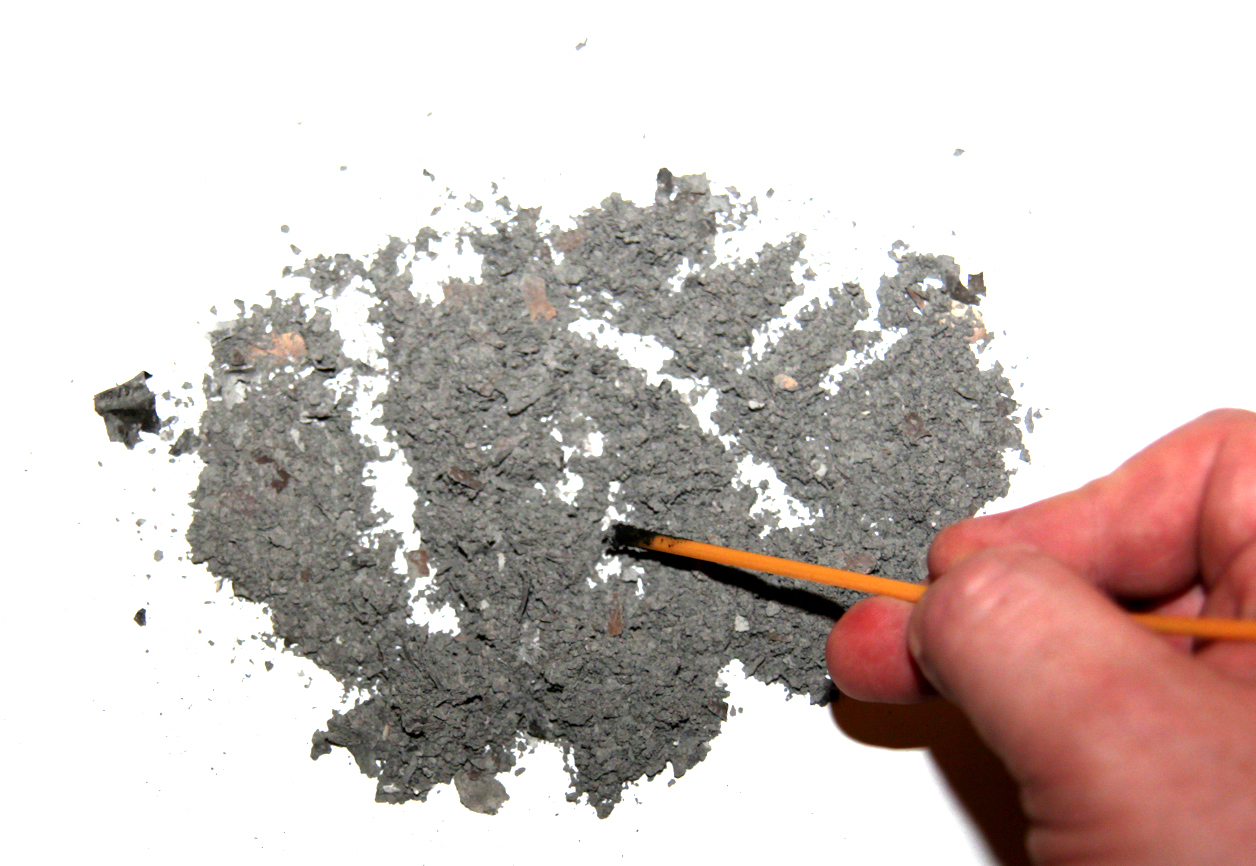 🇬🇷 Greece and 5 moreSpodomancy
Divination by reading omens in ashes, soot, and cindersOracle · Seeing and foretelling · Healing Living
🇬🇷 Greece and 5 moreSpodomancy
Divination by reading omens in ashes, soot, and cindersOracle · Seeing and foretelling · Healing Living
 🇬🇷 Greece and 2 moreAstragalomancy
Divination by casting marked bones, carved rods, or numbered diceOracle · Seeing and foretelling · Speaking with spirits and the dead Living
🇬🇷 Greece and 3 morePyromancy
Divination by reading flames, smoke, or fire-heated objectsOracle · Seeing and foretelling Historical
🇬🇷 Greece and 2 moreAstragalomancy
Divination by casting marked bones, carved rods, or numbered diceOracle · Seeing and foretelling · Speaking with spirits and the dead Living
🇬🇷 Greece and 3 morePyromancy
Divination by reading flames, smoke, or fire-heated objectsOracle · Seeing and foretelling Historical
Related elsewhere
All oracle 🇮🇳 India and 5 moreAstrology
A divinatory practice that reads human fate through the positions of celestial bodies.Belief · Seeing and foretelling · Luck and prosperity Living
🇮🇳 India and 5 moreAstrology
A divinatory practice that reads human fate through the positions of celestial bodies.Belief · Seeing and foretelling · Luck and prosperity Living
 🇮🇳 India and 2 morePalmistry
A divination method that interprets the lines and shapes of the hand to predict fate or reveal character.Oracle · Seeing and foretelling · Power and authority Living
🇮🇳 India and 2 morePalmistry
A divination method that interprets the lines and shapes of the hand to predict fate or reveal character.Oracle · Seeing and foretelling · Power and authority Living
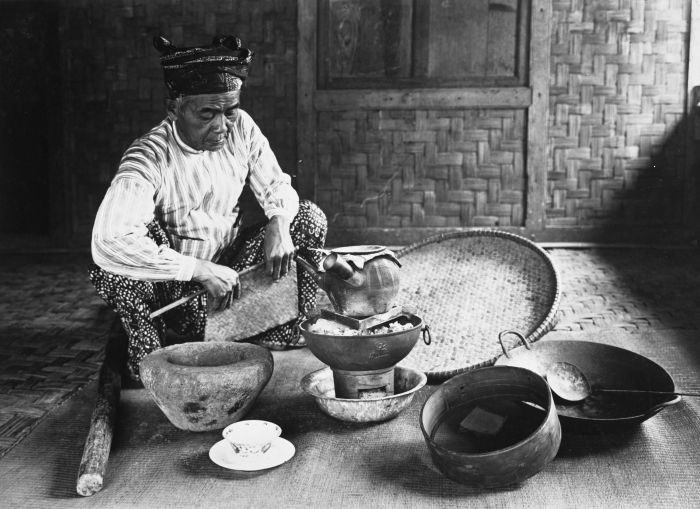 🇮🇩 Indonesia and 2 moreDukun
A traditional healer and spirit medium in Indonesian folk practiceTradition · Healing · Seeing and foretelling Living
🇮🇩 Indonesia and 2 moreDukun
A traditional healer and spirit medium in Indonesian folk practiceTradition · Healing · Seeing and foretelling Living
 🇬🇹 Guatemala and 1 moreMaya mythology
The reconstructed tales of the Maya people about gods, heroes, and the creation of the world.Tradition · Seeing and foretelling · Power and authority Historical
🇬🇹 Guatemala and 1 moreMaya mythology
The reconstructed tales of the Maya people about gods, heroes, and the creation of the world.Tradition · Seeing and foretelling · Power and authority Historical