Traditions and systems
Whole bodies of practice: Vodou, shamanism, hoodoo, Wicca, onmyodo, Ifa and the rest.
A tradition is a whole body of magical practice with its own teachers, vocabulary and rules, as distinct from a single charm or rite. Ifa in West Africa, Vodou in Haiti, Tibetan Buddhist ritual, Wicca in Britain and America, and Siberian shamanism are all traditions in this sense. Some are living religions, some are modern inventions, and some survive only in fragments. This page looks at how they differ and what each label hides. Each is described here in its own terms wherever the community has chosen to share them.
Who holds them
A tradition has keepers. In Ifa, a babalawo trains for years and memorises the verses of Odu. In Haitian Vodou, a houngan or mambo is initiated within a house and a lineage. Wicca, by contrast, grew from the writings of Gerald Gardner in the 1950s and spreads by books and covens. Access varies: some traditions are open, some require initiation, and some are closed to outsiders by the community's own rule.
Names that mislead
Outsiders have often given traditions names their keepers did not choose. Colonial officials and missionaries called African and Indigenous religions fetishism, witchcraft or devil worship. The word voodoo, borrowed from the Haitian religion, became a stock horror image, while practitioners say Vodou. Many people also reject the word magic for what they see as plain religion, worship of ancestors or medicine of the land. Some are written down in long poems or scriptures, while others are carried only in memory, song and apprenticeship, which affects how outsiders can study them.
How states treat them
Treatment ranges from protection to prohibition. Haiti recognised Vodou as a religion in 2003. Britain repealed its Witchcraft Act only in 1951. Several African and Pacific states still prosecute witchcraft accusations, and Saudi Arabia has executed people for sorcery. Many traditions were absorbed rather than banned: Santeria wore the faces of Catholic saints, and Taoist ritual was licensed by Chinese emperors. Recognition on paper does not end prejudice: a faith can be legal under a constitution and still be mocked, taxed or policed at local level.
Scholars and sceptics
Anthropologists such as Evans-Pritchard, who studied the Azande in the 1930s, described magic as a coherent system of explanation, not stupidity. Historians stress that boundaries between religion, magic and science were drawn by particular people for particular reasons. Sceptics point out that tests of efficacy have found no effect beyond expectation. Many tradition-bearers answer that the question misses what the practice is for. Folklorists add that traditions are always changing, with no pure original to return to, and that revival is itself a form of change.
Tradition on EveryJaadu
The entries written up so far, best known first.
 🇮🇳 India and 2 moreDurga Pujaদুর্গাপূজা
A ten-day autumn festival honouring the goddess Durga and her victory over evil.Tradition · Protection · Luck and prosperity Living
 🇬🇷 Greece and 5 moreVotive offering
Objects left in sacred places to honor a deity or fulfill a vow, never to be recovered.Tradition · Protection · Healing Living
 🇨🇭 SwitzerlandMagic circle
A ritual boundary drawn or visualised to create sacred space and protectionTradition · Protection · Speaking with spirits and the dead Living
 🇱🇰 Sri Lanka and 1 moreKataragama templeකතරගම / கதிர்காமம் முருகன் கோயில்
A Sri Lankan shrine shared by Buddhists, Hindus, Muslims and VeddasTradition · Protection · Speaking with spirits and the dead Living
 🇹🇹 Trinidad and Tobago and 5 moreSpiritual Baptist
An Afro-Caribbean Christian faith blending African traditions with Baptist worshipTradition · Speaking with spirits and the dead · Protection Living
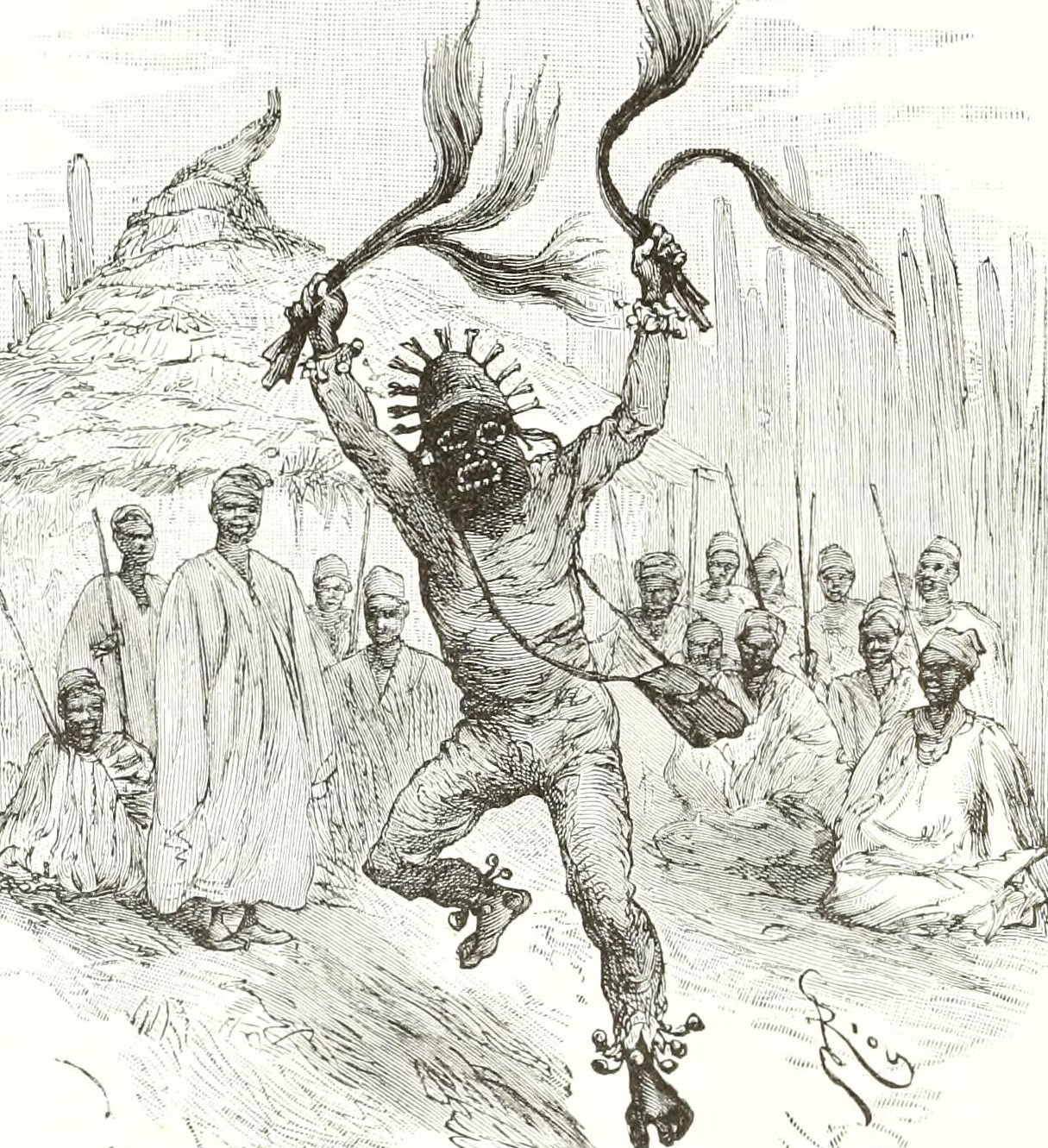 🇺🇸 United States and 2 moreLouisiana Voodoo
An African diasporic religion practiced in Louisiana from the 18th to early 20th centuriesTradition · Healing · Protection Historical
 🇪🇬 Egypt and 5 moreSacred dance
Movement used in worship to honour deities, heal communities, or connect with the spirit world.Tradition · Protection · Healing Living
 🇨🇳 China and 1 moreAncestor veneration in China
Rites for dead kin who are thought to watch over the familyTradition · Protection · Speaking with spirits and the dead Living
 🇭🇹 Haiti and 1 moreOungan
A male priest in Haitian Vodou who leads rituals and serves as a medium for spirits.Tradition · Speaking with spirits and the dead · Healing Living
 🇸🇳 Senegal and 1 moreSerer religionA ƭat Roog
The traditional faith of the Serer people, centred on the supreme deity Roog and ancestral veneration.Tradition · Protection · Speaking with spirits and the dead Living
 🇲🇽 MexicoAztec religion
The polytheistic and monistic belief system of the Aztec Empire in central MexicoTradition · Protection · Luck and prosperity Historical
 🇮🇳 IndiaBhuta KolaBhūta Kōla
A Tulu spirit dance in which a performer is believed to host a deityTradition · Speaking with spirits and the dead · Protection Living
 🇯🇵 JapanShugendō修験道
A Japanese mountain ascetic path blending Esoteric Buddhism, Shinto, and folk ritualsTradition · Protection · Healing Living
 🇧🇯 Benin and 5 moreVodun art
Religious sculpture and temple painting from West African Vodun traditionsTradition · Protection · Speaking with spirits and the dead Living
 🇵🇪 Peru and 2 moreInca religion
The polytheistic beliefs and rites of the Inca Empire across the AndesTradition · Protection · Luck and prosperity Historical
 🇮🇳 India and 5 moreSnake worship
Veneration of serpents as divine or ancestral beings across global culturesTradition · Protection · Healing Living
 🇮🇪 Ireland and 4 moreWinter solstice
The shortest day and longest night of the year, marked by rites of solar returnTradition · Seeing and foretelling · Protection Living
 🇯🇵 JapanShinto shrine神社 (jinja)
A structure in Japan that houses kami, the deities of ShintoTradition · Speaking with spirits and the dead · Protection Living
 🇮🇳 IndiaSarnaism
A nature-based faith of India's Adivasi communities centered on sacred grovesTradition · Protection · Speaking with spirits and the dead Living
 🇲🇱 MaliDogon religion
The traditional spiritual beliefs of the Dogon people of MaliTradition · Protection · Speaking with spirits and the dead Living
 🇸🇳 Senegal and 5 moreMaraboutmurābiṭ
A Muslim religious leader and teacher in West Africa, often linked to Sufi brotherhoods.Tradition · Protection · Speaking with spirits and the dead Living
 🇮🇳 IndiaKamakhya Templekamakhya mondir
A Hindu temple in Assam known for its yoni shrine and the Ambubachi Mela festivalTradition · Protection · Healing Living
 🇬🇪 Georgia and 2 moreGeorgian mythologyქართული მითოლოგია
The pre-Christian beliefs of the Kartvelian peoples in the South CaucasusTradition · Protection · Seeing and foretelling Historical
 🇯🇵 JapanKagura神楽
A Shinto ritual dance where performers embody deities to purify and welcome spiritsTradition · Protection · Speaking with spirits and the dead Living
 🇯🇵 JapanMiko巫女
A Shinto shrine priestess and traditional female medium in JapanTradition · Speaking with spirits and the dead · Protection Living
 🇳🇬 NigeriaOsun-Osogbo Sacred GroveOsun-Osogbo
A sacred forest in Nigeria dedicated to the river goddess Osun, celebrated with an annual festival.Tradition · Speaking with spirits and the dead · Protection Living
 🇺🇸 United StatesDianic Wicca
A female-only pagan tradition honoring the Goddess and women's experienceTradition · Protection · Healing Living
 🇮🇳 IndiaKavu
Sacred forest patches in South India that protect local deities and biodiversityTradition · Protection · Speaking with spirits and the dead Living
 🇮🇳 India and 1 moreDiyaदीया
A small oil lamp used in prayers and festivals across the Indian subcontinentTradition · Protection · Luck and prosperity Living
 🇨🇳 China and 1 moreDongyue Dadi東嶽大帝
The Chinese mountain god of Mount Tai who rules lifespans and underworld recordsBeing · Speaking with spirits and the dead · Power and authority Living
 🇧🇷 Brazil and 2 moreCandomblé
An Afro-Brazilian religion blending West African spirits with Catholic imageryTradition · Speaking with spirits and the dead · Healing Living
 🇨🇺 Cuba and 2 moreAbakuá
A male-only Cuban religious fraternity with West African roots and strict secrecyTradition · Protection · Speaking with spirits and the dead Living
 🇧🇷 Brazil and 5 moreSanto Daime
A Brazilian syncretic religion using ayahuasca for spiritual work and healingTradition · Healing · Speaking with spirits and the dead Living
 🇬🇹 Guatemala and 3 moreMaya religion
The living spiritual practices of the Maya peoples, shaped by centuries of contact with Catholicism.Tradition · Protection · Healing Living
 🇮🇳 India and 5 moreAncestor veneration
Rituals to honor the dead and maintain kinship bonds across generationsTradition · Speaking with spirits and the dead · Protection Living
 🇸🇳 Senegal and 5 moreVeneration of the dead
Rituals of respect and offerings for ancestors across global culturesTradition · Protection · Speaking with spirits and the dead Living
 🇮🇳 IndiaSanamahismꯁꯅꯥꯃꯍꯤ ꯂꯥꯏꯅꯤꯡ
The polytheistic ethnic religion of the Meitei people of Manipur, IndiaTradition · Protection · Speaking with spirits and the dead Living
 🇱🇦 Laos and 3 moreTai folk religionສາສະໜາຜີ
Spirits, ancestor rites, and soul-calling ceremonies of the Tai peoplesTradition · Protection · Healing Living
 🇹🇹 Trinidad and Tobago and 4 moreTrinidad Orisha
A syncretic Afro-Caribbean faith blending Yoruba spirit work with Christian and other traditions in Trinidad.Tradition · Speaking with spirits and the dead · Healing Living
 🇺🇦 Ukraine and 5 moreNative Ukrainian National FaithРідна Українська Національна Віра
A monotheistic Slavic religion founded by Lev Sylenko among the diaspora in North America.Tradition · Protection · Speaking with spirits and the dead Living
 🇮🇳 India and 1 moreRoshni Mela
A three-day fair of earthen lamps and prayers held at a Sufi shrine in Punjab.Tradition · Protection · Luck and prosperity Living
 🇪🇬 Egypt and 5 moreWorship of heavenly bodies
Veneration of stars, planets, and the sky as divine forces or deitiesTradition · Protection · Power and authority Historical
 🇺🇸 United States and 2 moreNew Orleans Voodoo Revival
A late-20th-century religious movement in New Orleans blending Haitian and Cuban traditions with local history.Tradition · Protection · Healing Living
 🇭🇹 HaitiChristian-Vodou
The blending of Haitian Vodou and Roman Catholicism into a single spiritual practiceTradition · Speaking with spirits and the dead · Protection Living
 🇮🇳 IndiaTormaགཏོར་མ
Sculpted offerings of flour and butter used in Tibetan Buddhist ritualsTradition · Speaking with spirits and the dead · Protection Living
Photo credits on this page
The small pictures above come from Wikimedia Commons under free licences. Some are cropped to fit.
- Sacred dance: Jorge Barrios, CC BY-SA 3.0, source
- Xtabay: Unknown author, Public domain, source
- Votive offering: Walter J. Pilsak, Waldsassen ( W.J.Pilsak at de.wikipedia ), CC BY-SA 3.0, source
- Magic circle: John William Waterhouse, Public domain, source
- Kataragama temple: Ghostface Buddha, CC BY-SA 2.0, source
- Egungun: Ìṣẹ̀ṣeAssembly, CC BY-SA 4.0, source
- Torma: John Hill, CC BY-SA 4.0, source
- West African Vodún: I cropped, original authors are Ridpath, John Clark, CC BY-SA 4.0, source
- Inca religion: Chronicler Martín of Murúa (Cronista Martín de Murúa), Public domain, source
- Snake worship: Alexandermcnabb, CC BY-SA 4.0, source
- Winter solstice: Image by Przemyslaw " Blueshade " Idzkiewicz, CC BY-SA 2.0, source
- Haitian Vodou and homosexuality: Calvin Hennick, for WBUR Boston, CC BY 3.0, source
- Shinto shrine: No machine-readable author provided. Fg2 assumed (based on copyright c, Public domain, source
- Sarnaism: বুদ্ধি, CC BY-SA 4.0, source
- Ancestor veneration: Thang Nguyen, CC BY-SA 2.0, source
- Dogon religion: Unknown author, CC BY 3.0, source
- Marabout: Jan Broekhuijse, CC BY-SA 3.0, source
- Kamakhya Temple: JyotiPN, CC BY-SA 4.0, source
- Georgian mythology: Mostafameraji, CC BY-SA 4.0, source
- Kagura: Elstner Hilton, Public domain, source
- Miko: Chris Gladis, Flickr user MShades, CC BY 2.0, source
- Osun-Osogbo Sacred Grove: Cheeka 2.0, CC BY-SA 4.0, source
- Dianic Wicca: Jean-Baptiste Tuby I (Italy, active France, Paris and Versailles, 1635, Public domain, source
- Worship of heavenly bodies: Jean-Pierre Dalbéra, CC BY 2.0, source
- Kavu: Ashwin.appus, CC BY-SA 4.0, source
- Diya: Suyash Dwivedi, CC BY-SA 4.0, source
- Dongyue Dadi: H2v5o68z, CC0, source
- Native Ukrainian National Faith: Юлія Новосад, CC BY-SA 4.0, source
- Roshni Mela: FatherofGod, CC BY-SA 4.0, source
- Candomblé: André Koehne, CC BY-SA 3.0, source
- Abakuá: M. Puente, Public domain, source
- Santo Daime: Tonelada, CC BY-SA 3.0, source
- Veneration of the dead: Anonymous ( Flemish ) Unknown author, Public domain, source
- Tai folk religion: ( เทวประภาส มากคล้าย ), Tevaprapas, Public domain, source
- Spiritual Baptist: N Chadwick, CC BY-SA 2.0, source
- Durga Puja: Subhrajyoti07, CC BY-SA 4.0, source
- Ancestor veneration in China: Three huntings, CC BY-SA 4.0, source
- Oungan: Anthony Karen, CC BY 4.0, source
- Serer religion: Unknown author, Public domain, source
- Aztec religion: Unknown author, Public domain, source
- Sanamahism: Kayia N, CC BY-SA 4.0, source
- Bhuta Kola: Unknown author, Public domain, source
- Shugendō: 唐山健志郎 (Kenshiro Karayama), CC BY-SA 3.0, source
- New Orleans Voodoo Revival: Greg Willis, CC BY-SA 2.0, source
- Vodun art: Fraipont, Gustave (1849-1923), Public domain, source