Books and texts
Grimoires, magical papyri, Kabbalistic and Hermetic works and the manuals of cunning folk.
Magical texts are the books, scrolls and papyri that record spells, rites and lore: the Greek Magical Papyri, the Hebrew Sefer Yetzirah and the Zohar, the Picatrix, the Key of Solomon, the Grimorium Verum, the Hindu Atharvaveda, the Egyptian Book of the Dead, the Chinese Taoist ritual manuals and the grimoires of the European cunning folk. This page asks what these texts are, who wrote and read them, and why their authority is complicated.
What the texts are
Some are scripture, such as the Atharvaveda, which contains charms and healing hymns beside its worship. Some are handbooks, like the Greek Magical Papyri from Roman Egypt, which mix Greek, Egyptian and Jewish elements. Some are medieval compendia, such as the Arabic Picatrix. Many European grimoires were printed cheaply and passed hand to hand, and names such as Solomon were attached to give them credit. Some are tiny, such as a few lines on a papyrus strip folded into a case, and some run to hundreds of pages, but all were handled by a small number of people.
Readers and gatekeepers
Literacy mattered. A text of magic could only be used by someone who could read, copy and, often, read Latin, Hebrew or Arabic. That made the learned magician a figure of the elite and left village healers with oral knowledge. In Ethiopia, the debtera, a church-trained scribe, writes protective scrolls. In Java and Malaysia, Quranic and Sanskrit-derived texts are kept by family teachers. Where a text was in a sacred language, the ritual use sometimes outran the meaning, and people recited words they could not translate because the sound itself was held to matter.
Censorship and burning
Texts have been burned. The Church placed books of magic on its Index, Chinese dynasties restricted books of divination, and Qing and later authorities attacked books they saw as superstition. The Nazi regime closed occult lodges and seized their libraries. What we now know of some practices survives because inquisitors, in transcribing confiscated books, kept copies. Preservation depends on accident as well as intention: papyri survived in the dry sands of Egypt, while many paper books of village healers were lost when families moved or owners died.
Authenticity and the market
Many famous grimoires are not as old as they claim. The Sixth and Seventh Books of Moses is a nineteenth-century compilation. Scholars study such works to see how people imagined power, not to test it. Modern editions and online copies are popular, and some publishers present them as ready-to-use manuals, which the guide treats as a matter of belief and not of instruction. Collectors, museums and antiquarian dealers now trade in old manuscripts, and some forgeries sell as originals, which is another reason scholars check provenance.
Text on EveryJaadu
The entries written up so far, best known first.
 🇪🇬 EgyptPapyrus of Ani
A decorated Egyptian scroll for the afterlife, held in LondonText · Protection · Speaking with spirits and the dead Historical
 🇮🇹 Italy and 1 moreThe Fool
A tarot card of unique status, depicting a wanderer or madman outside the numbered sequence.Text · Wonder and entertainment Historical
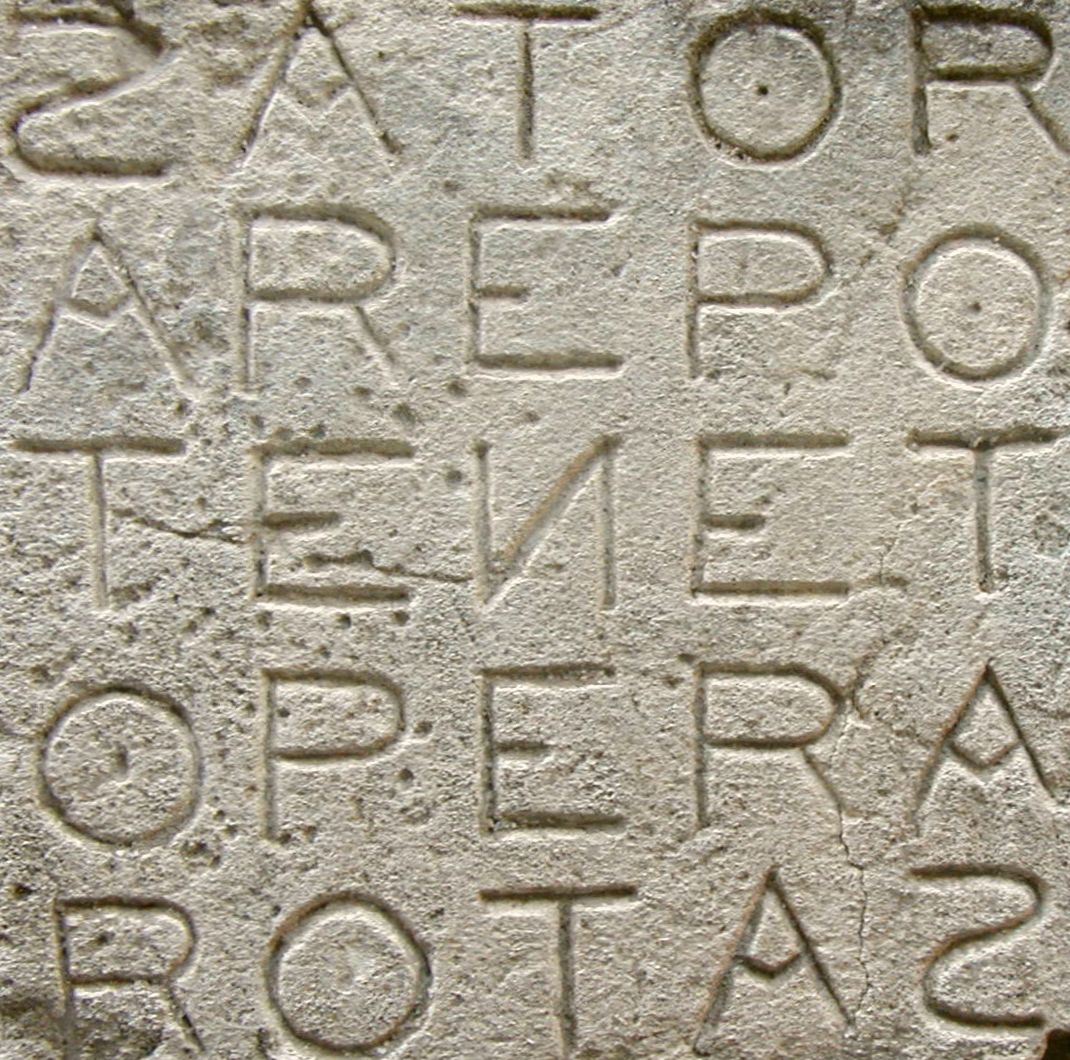 🇮🇹 Italy and 5 moreSator Square
A five-word Latin palindrome found in Roman ruins and medieval churchesCharm · Protection · Healing Historical
 🇩🇿 Algeria and 1 moreAhmad al-Buniأحمد البوني المالكي
A medieval Sufi scholar known for works on letter mysticism and talismansText · Power and authority · Seeing and foretelling Historical
🇩🇪 Germany and 3 moreSixth and Seventh Books of Moses
A grimoire claiming to reveal the hidden spells of Moses for controlling spirits and natureText · Power and authority · Speaking with spirits and the dead Historical
 🇮🇱 Israel and 4 moreIsaac Luriaיִצְחָק בן שלמה אשכנזי לוּרְיָא
A sixteenth-century rabbi who founded modern Kabbalah through oral teachings in Safed.Text · Speaking with spirits and the dead · Change and initiation Living
🇪🇬 Egypt and 1 moreLeyden papyrus X
A third-century Greek manuscript of alchemical and metallurgical recipesText · Power and authority Historical
 🇬🇧 United KingdomMother Shipton
An English prophetess and herbalist from folklore, known for predictions printed long after her death.Figure · Seeing and foretelling · Healing Historical
 🇮🇹 Italy and 4 moreTarottarocchi
A set of cards for games and divination, with roots in fifteenth-century ItalyText · Wonder and entertainment · Seeing and foretelling Living
 🇪🇬 Egypt and 5 moreHermetica
A collection of ancient texts attributed to Hermes Trismegistus covering magic, alchemy and philosophy.Text · Power and authority · Seeing and foretelling Historical
🇫🇷 FrancePlanchette
A wooden device for automatic writing used in Victorian spiritualist séancesCharm · Speaking with spirits and the dead · Seeing and foretelling Historical
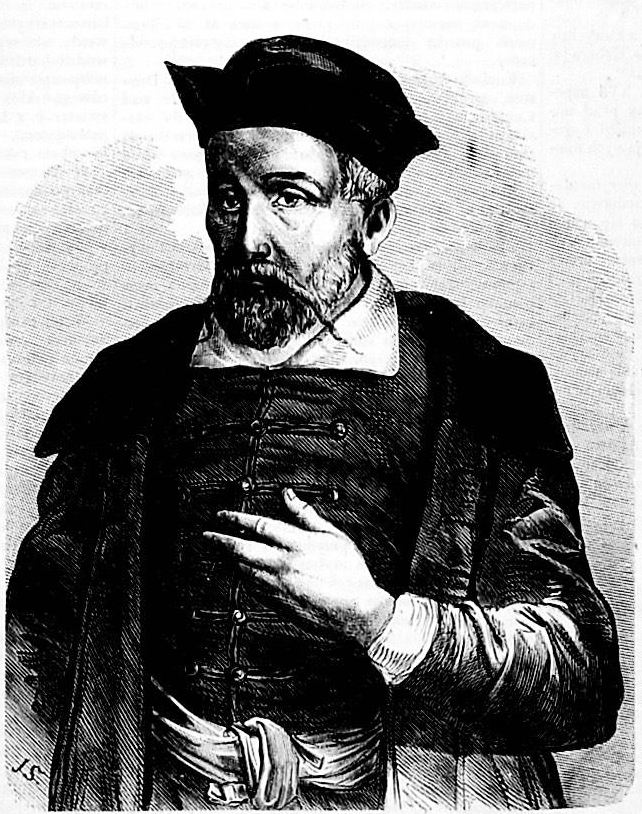 🇵🇱 Poland and 1 moreMichael SendivogiusMichał Sędziwój
A Polish alchemist who discovered oxygen and wrote on the 'food of life'Text · Power and authority · Change and initiation Historical
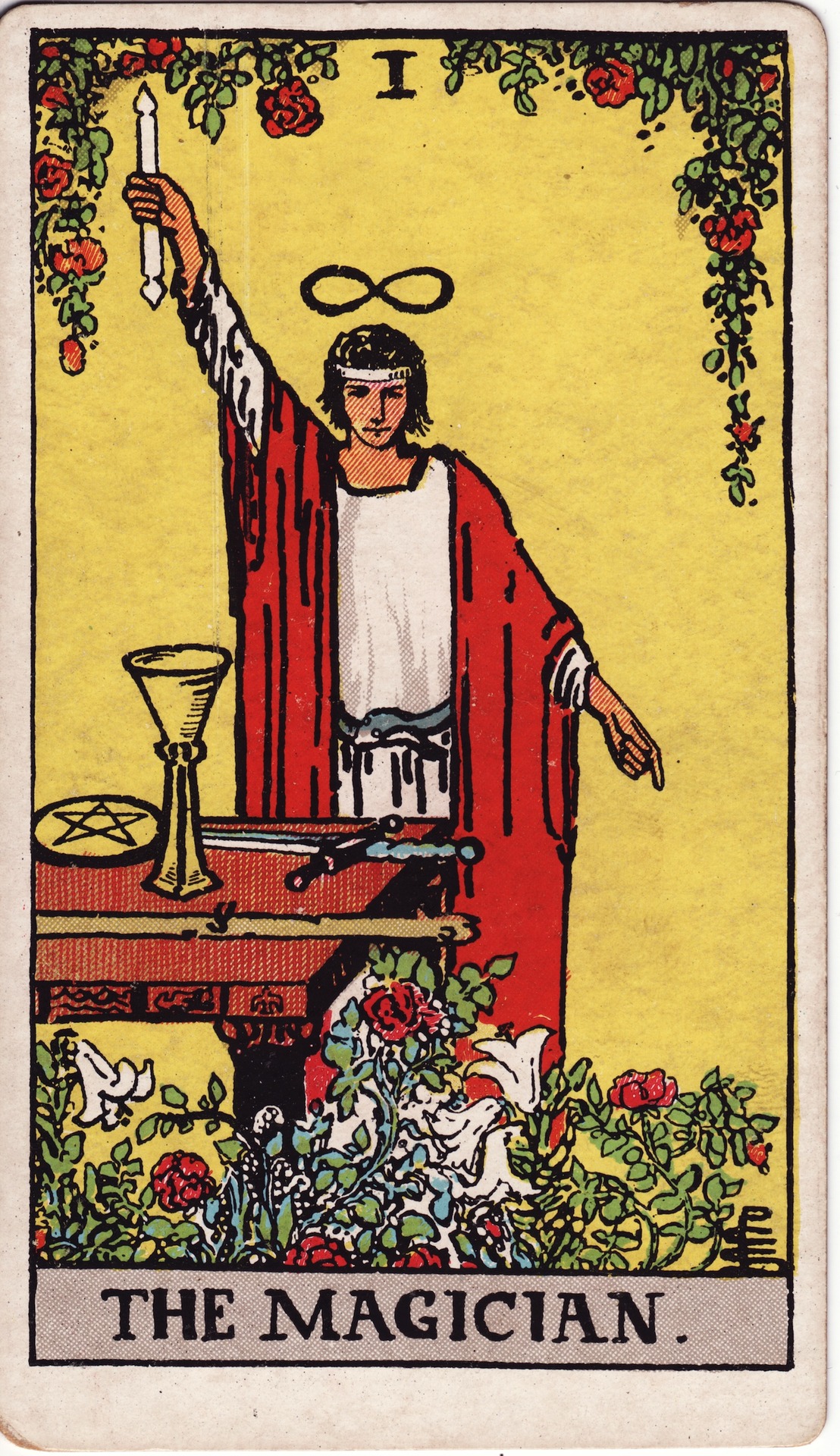 🇮🇹 ItalyThe MagicianLe Bateleur
A tarot trump symbolizing power and the link between spirit and matterText · Power and authority · Wonder and entertainment Living
 🇬🇧 United KingdomGeoffrey of MonmouthGruffudd ap Arthur
A medieval cleric whose writings shaped the King Arthur legend and British myth.Text · Power and authority Historical
🇳🇿 New ZealandTohunga Suppression Act 1907
A New Zealand law banning traditional Māori healers and faith practitionersText · Cursing and harm · Protection Historical
 🇮🇳 IndiaAtharvavedaअथर्ववेद
The fourth Veda of Hinduism, containing spells, healing rites, and domestic rituals.Text · Protection · Healing Historical
 🇪🇸 SpainDirectorium Inquisitorum
A 14th-century manual for inquisitors on heresy, magic, and trial procedureText · Cursing and harm · Power and authority Historical
 🇬🇧 United KingdomWilliam Lilly
A seventeenth-century English astrologer and author who shaped Western tradition.Text · Seeing and foretelling · Power and authority Historical
 🇺🇸 United StatesThe Kybalion
A 1908 book presenting seven principles of mental philosophy as ancient Hermetic wisdomText · Power and authority Historical
 🇮🇸 IcelandGaldergaldr
A Germanic incantation and the written charms derived from itText · Protection · Cursing and harm Historical
 🇪🇬 Egypt and 1 moreCorpus Hermeticum
A collection of Greek writings attributed to Hermes Trismegistus that shaped Western esoteric thoughtText · Speaking with spirits and the dead · Change and initiation Historical
 🇪🇸 Spain and 2 morePicatrixغاية الحكيم
A medieval Arabic handbook of talismanic magic and astrologyText · Power and authority · Seeing and foretelling Historical
🇬🇧 United KingdomWiccan Rede
A moral guideline for Wiccans stating that actions should cause no harm.Text · Cursing and harm Living
🇨🇦 Canada and 3 moreBardo Thodolབར་དོ་ཐོས་གྲོལ
A Tibetan Buddhist text guiding consciousness through the states between death and rebirthText Living
🇮🇸 IcelandGaldrabók
An Icelandic grimoire of spells and staves from around 1600Text · Protection · Cursing and harm Historical
🇺🇸 United StatesThe Long Lost FriendDer lange verborgene Freund
A Pennsylvania German grimoire of folk remedies and magical charms published in 1820.Text · Healing · Protection Historical
🇬🇧 United KingdomGrimoire (sample)
A handbook of rites and names.Text · Power and authority · Speaking with spirits and the dead Historical
🇬🇧 United KingdomRune casting (sample)
Carved signs drawn from a bag.Oracle · Seeing and foretelling Revived
🇾🇪 YemenDhu'l-Khalasaذُو الْخَلَصَة
A pre-Islamic shrine in Yemen destroyed by early Muslim forces.Text · Cursing and harm · Seeing and foretelling Historical
 🇫🇷 FranceLarzac tablet
A lead curse tablet from southern France invoking a goddess against a group of womenText · Cursing and harm Historical
🇳🇴 NorwayCyprianus
A Scandinavian folk magic grimoire and the tradition of spells it containsText · Healing · Seeing and foretelling Historical
🇮🇸 IcelandRauðskinna
A legendary Icelandic grimoire said to grant mastery over dark forces.Text · Power and authority · Cursing and harm Legendary
🇮🇹 ItalySola Busca tarot
The oldest complete 78-card tarot deck with unique illustrations and Roman numerals.Text · Wonder and entertainment Historical
 🇮🇹 Italy and 2 moreTarocco Bolognese
A 62-card Italian tarot deck from Bologna used for games and cartomancyText · Wonder and entertainment · Seeing and foretelling Living
 🇫🇷 FranceChamalières tabletPlomb de Chamalières
A Gaulish lead tablet from a French spa, read as either a curse or a healing prayer.Text · Cursing and harm · Healing Historical
 🇪🇬 Egypt and 4 moreScarab
An ancient Egyptian amulet and seal shaped like a dung beetleCharm · Protection · Luck and prosperity Historical
 🇨🇳 China and 1 moreJiji ru lüling急急如律令
A Taoist incantation demanding immediate action from spiritsText · Cursing and harm · Protection Historical
🇮🇪 IrelandLorica
A Hiberno-Scottish monastic prayer for protection against evilText · Protection Historical
 🇪🇬 EgyptBarbarous name
A magical word whose meaning is unknown or ignored, valued for its sound alone.Text · Power and authority Historical
🇮🇹 Italy and 1 moreKollyra curse tablet
An ancient Greek tablet cursing a thief to suffocation until stolen goods are returned.Text · Protection · Cursing and harm Historical
🇪🇬 EgyptKitab al-Kanuzكتاب الكنوز
A lost Arabic treasure guide linked to Zerzura and the SphinxText · Luck and prosperity · Power and authority Historical
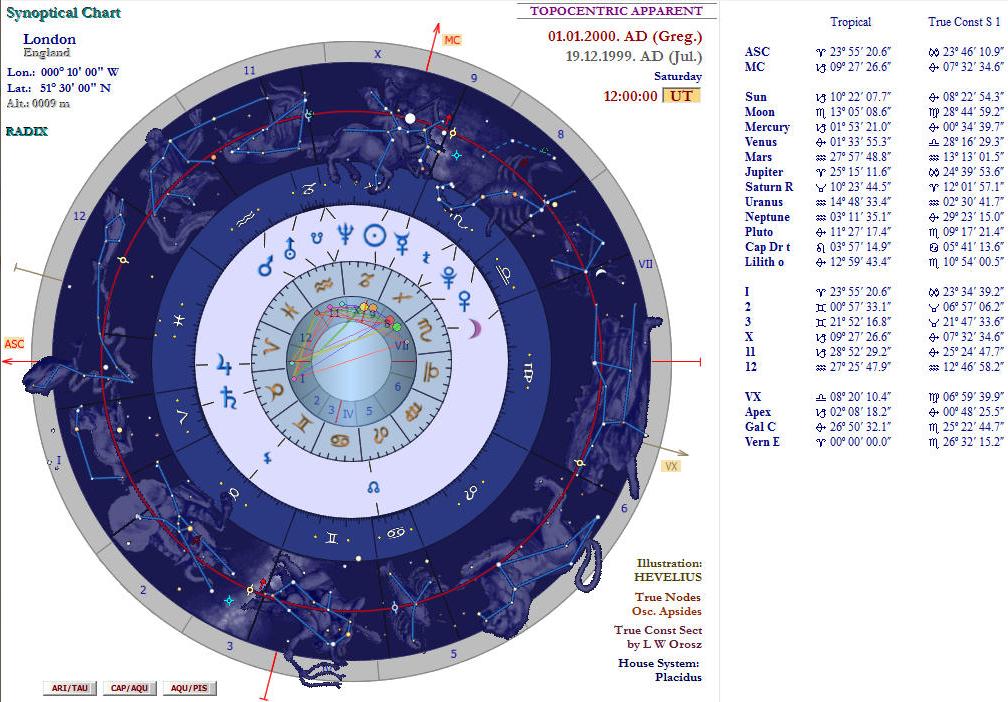 🇮🇳 IndiaSynoptical astrology
An astrological system that overlays tropical, sidereal and constellational zodiacsText · Seeing and foretelling · Speaking with spirits and the dead Historical
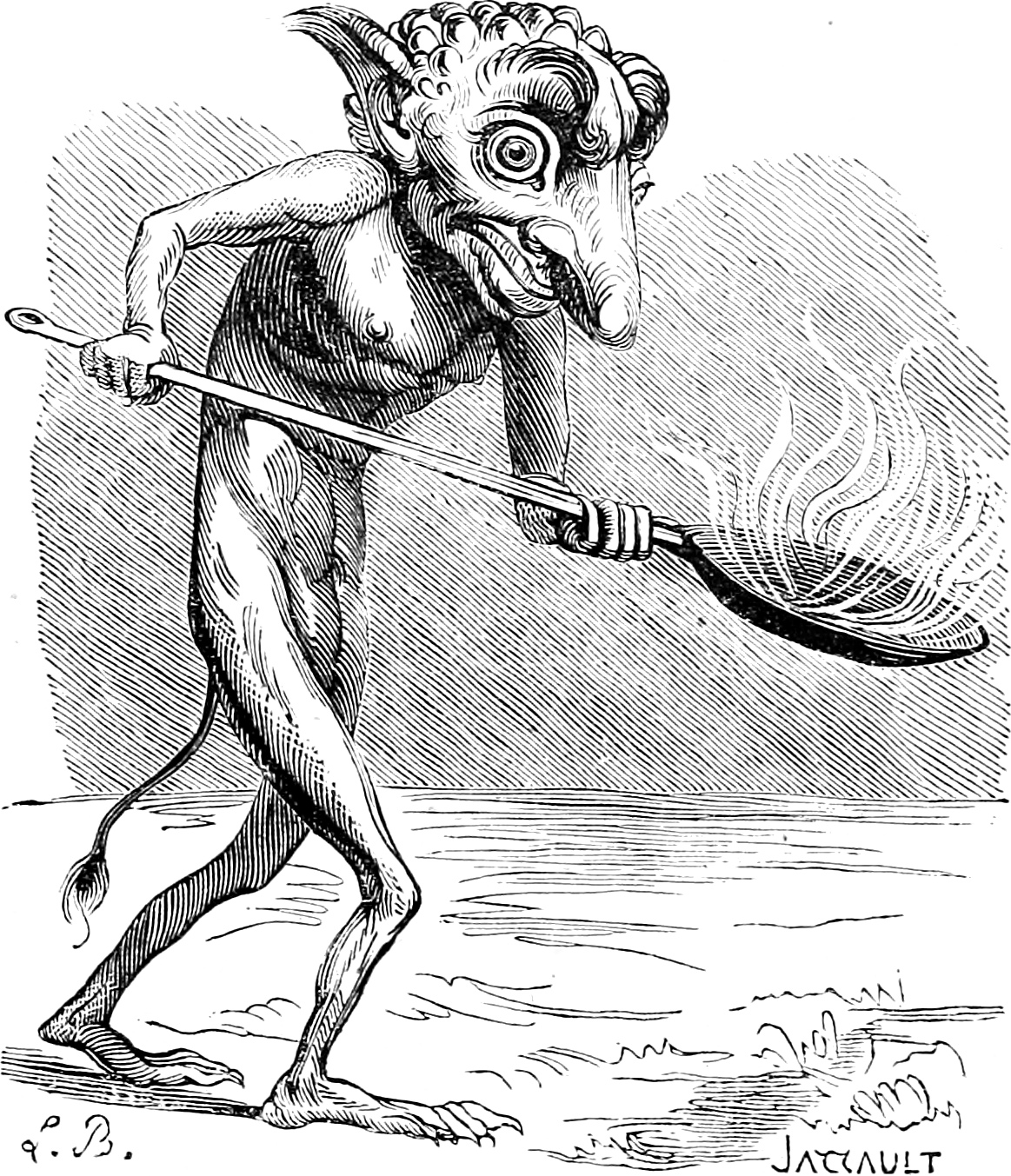 🇫🇷 FranceDictionnaire Infernal
A French demonology book cataloguing spirits and their hierarchies with engravings.Text · Power and authority Historical
🇬🇧 United Kingdom and 1 moreThirteen Treasures of the Island of BritainTri Thlws ar Ddeg Ynys Prydain
A collection of magical objects from late-medieval Welsh legendText · Wonder and entertainment Historical
 🇬🇧 United Kingdom and 2 moreBevis of HamptonПовесть о Бове-королевиче
A medieval chivalric romance about a hero's exile and return across Europe and the Near EastText · Wonder and entertainment Historical
 🇮🇱 Israel and 1 moreAna BeKoachאנא בכח
A medieval Jewish liturgical poem linked to the 42-letter name of GodText · Power and authority · Protection Living
🇨🇺 CubaPatakí
Teaching stories from the oral tradition of Santería and IfáText · Speaking with spirits and the dead Living
Photo credits on this page
The small pictures above come from Wikimedia Commons under free licences. Some are cropped to fit.
- Geoffrey of Monmouth: Colin Cheesman, CC BY-SA 2.0, source
- Directorium Inquisitorum: Nicolás Eymerich, Public domain, source
- Isaac Luria: Louski1, CC BY-SA 3.0, source
- Hermetica: Jean-Louis Durant (1654-1718), Public domain, source
- Atharvaveda: William Dwight Whitney / Charles Rockwell Lanman, Public domain, source
- William Lilly: Simon Harriyott, CC BY 2.0, source
- The Kybalion: American Libraries, Public domain, source
- Corpus Hermeticum: Marsilio Ficino, Public domain, source
- Chamalières tablet: Unknown, CC BY-SA 4.0, source
- Barbarous name: Aktiophis, CC BY-SA 4.0, source
- Papyrus of Ani: Photographed by the British Museum; original artist unknown, Public domain, source
- The Fool: Johann Georg Rauch, Public domain, source
- Sator Square: M Disdero, CC BY-SA 3.0, source
- Ahmad al-Buni: Khalili Collections, CC BY-SA 3.0 igo, source
- Michael Sendivogius: Łuszczkiewicz, Public domain, source
- Bevis of Hampton: Anonymous Unknown author, Public domain, source
- Dictionnaire Infernal: Louis Le Breton, Public domain, source
- Ana BeKoach: Baruch Zvi Ring (c. 1872 - 1927) Details on Google Art Project, Public domain, source
- Jiji ru lüling: Unknown author, Public domain, source
- Synoptical astrology: Constellarius, CC BY-SA 3.0, source
- Larzac tablet: Pankratos, Public domain, source
- Scarab: Rama, CC BY-SA 2.0 fr, source
- Mother Shipton: Unknown author, Public domain, source
- Tarot: World Web Playing Card Museum, Public domain, source
- The Magician: Pamela Colman Smith, Public domain, source
- Galder: Bengt A. Lundberg, CC BY 2.5, source
- Picatrix: Unknown author, Public domain, source
- Tarocco Bolognese: Countakeshi, CC BY-SA 4.0, source