Books and texts
Grimoires, magical papyri, Kabbalistic and Hermetic works and the manuals of cunning folk.
Magical texts are the books, scrolls and papyri that record spells, rites and lore: the Greek Magical Papyri, the Hebrew Sefer Yetzirah and the Zohar, the Picatrix, the Key of Solomon, the Grimorium Verum, the Hindu Atharvaveda, the Egyptian Book of the Dead, the Chinese Taoist ritual manuals and the grimoires of the European cunning folk. This page asks what these texts are, who wrote and read them, and why their authority is complicated.
What the texts are
Some are scripture, such as the Atharvaveda, which contains charms and healing hymns beside its worship. Some are handbooks, like the Greek Magical Papyri from Roman Egypt, which mix Greek, Egyptian and Jewish elements. Some are medieval compendia, such as the Arabic Picatrix. Many European grimoires were printed cheaply and passed hand to hand, and names such as Solomon were attached to give them credit. Some are tiny, such as a few lines on a papyrus strip folded into a case, and some run to hundreds of pages, but all were handled by a small number of people.
Readers and gatekeepers
Literacy mattered. A text of magic could only be used by someone who could read, copy and, often, read Latin, Hebrew or Arabic. That made the learned magician a figure of the elite and left village healers with oral knowledge. In Ethiopia, the debtera, a church-trained scribe, writes protective scrolls. In Java and Malaysia, Quranic and Sanskrit-derived texts are kept by family teachers. Where a text was in a sacred language, the ritual use sometimes outran the meaning, and people recited words they could not translate because the sound itself was held to matter.
Censorship and burning
Texts have been burned. The Church placed books of magic on its Index, Chinese dynasties restricted books of divination, and Qing and later authorities attacked books they saw as superstition. The Nazi regime closed occult lodges and seized their libraries. What we now know of some practices survives because inquisitors, in transcribing confiscated books, kept copies. Preservation depends on accident as well as intention: papyri survived in the dry sands of Egypt, while many paper books of village healers were lost when families moved or owners died.
Authenticity and the market
Many famous grimoires are not as old as they claim. The Sixth and Seventh Books of Moses is a nineteenth-century compilation. Scholars study such works to see how people imagined power, not to test it. Modern editions and online copies are popular, and some publishers present them as ready-to-use manuals, which the guide treats as a matter of belief and not of instruction. Collectors, museums and antiquarian dealers now trade in old manuscripts, and some forgeries sell as originals, which is another reason scholars check provenance.
Text on EveryJaadu
The entries written up so far, best known first.
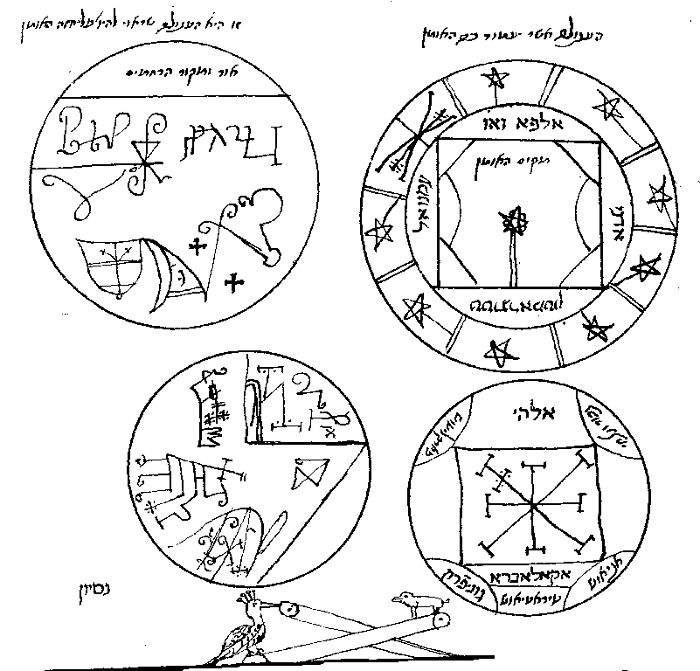 🇮🇹 ItalyKey of SolomonClavicula Salomonis
A Renaissance grimoire attributed to King Solomon, detailing ritual preparations and invocations.Text · Speaking with spirits and the dead · Binding and oaths Historical
 🇨🇳 China and 2 moreJiang Ziya姜子牙
A historical strategist and war god who helped establish the Zhou dynastyFigure · Power and authority · Cursing and harm Historical
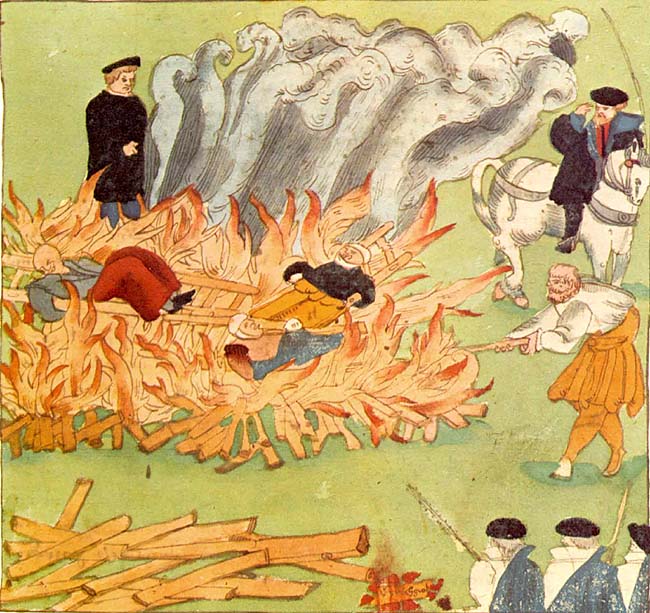 🇩🇪 GermanyMalleus Maleficarum
A 15th-century manual on witchcraft written by Heinrich KramerText · Cursing and harm · Binding and oaths Historical
🇳🇿 New ZealandTohunga Suppression Act 1907
A New Zealand law banning traditional Māori healers and faith practitionersText · Cursing and harm · Protection Historical
 🇬🇧 United Kingdom and 2 moreWitchcraft Acts
A series of British laws that shifted from punishing witchcraft to punishing those who claimed to practice it.Text · Cursing and harm Historical
 🇮🇸 IcelandGaldergaldr
A Germanic incantation and the written charms derived from itText · Protection · Cursing and harm Historical
🇩🇪 Germany and 3 moreSixth and Seventh Books of Moses
A grimoire claiming to reveal the hidden spells of Moses for controlling spirits and natureText · Power and authority · Speaking with spirits and the dead Historical
 🇪🇸 SpainDirectorium Inquisitorum
A 14th-century manual for inquisitors on heresy, magic, and trial procedureText · Cursing and harm · Power and authority Historical
🇬🇧 United KingdomWiccan Rede
A moral guideline for Wiccans stating that actions should cause no harm.Text · Cursing and harm Living
🇬🇧 United Kingdom and 2 moreThe Holy Blood and the Holy Grail
A 1982 book proposing Jesus had a bloodline protected by a secret societyText · Cursing and harm Historical
🇮🇸 IcelandGaldrabók
An Icelandic grimoire of spells and staves from around 1600Text · Protection · Cursing and harm Historical
🇾🇪 YemenDhu'l-Khalasaذُو الْخَلَصَة
A pre-Islamic shrine in Yemen destroyed by early Muslim forces.Text · Cursing and harm · Seeing and foretelling Historical
 🇫🇷 FranceLarzac tablet
A lead curse tablet from southern France invoking a goddess against a group of womenText · Cursing and harm Historical
🇮🇸 IcelandRauðskinna
A legendary Icelandic grimoire said to grant mastery over dark forces.Text · Power and authority · Cursing and harm Legendary
 🇫🇷 FranceChamalières tabletPlomb de Chamalières
A Gaulish lead tablet from a French spa, read as either a curse or a healing prayer.Text · Cursing and harm · Healing Historical
 🇨🇳 China and 1 moreJiji ru lüling急急如律令
A Taoist incantation demanding immediate action from spiritsText · Cursing and harm · Protection Historical
🇮🇹 Italy and 1 moreKollyra curse tablet
An ancient Greek tablet cursing a thief to suffocation until stolen goods are returned.Text · Protection · Cursing and harm Historical
🇩🇪 Germany and 3 morePalestinabuch
A lost manuscript by Herman Wirth said to reveal the secret history of Jews and Aryans.Text · Cursing and harm Historical
 🇯🇵 JapanHannya般若
A Noh theater mask depicting a jealous female spirit or demonessText · Cursing and harm Living
 🇬🇷 GreeceAkanthos curse tablet
A lead tablet from Macedonia carrying a man's spell to draw two people to himCharm · Binding and oaths · Love and attraction Historical
🇨🇳 ChinaBook of Life and Death生死簿
A mythical ledger in Chinese folklore that records the birth and death of all beings.Text · Cursing and harm Legendary
🇸🇩 SudanWitchcraft, Oracles and Magic Among the Azande
A foundational anthropological study of Azande witchcraft, oracles, and magic in southern Sudan.Text · Cursing and harm · Seeing and foretelling Historical
🇯🇵 JapanAme no Ohabari天之尾羽
A legendary sword and Shinto spirit from Japanese mythBeing · Cursing and harm · Power and authority Historical
 🇬🇧 United KingdomSaducismus Triumphatus
A 1681 English book defending witchcraft beliefs and attacking skepticsText · Cursing and harm Historical
🇮🇶 Iraq and 1 moreAramaic Uruk incantation
A Seleucid-era magical tablet written in Aramaic using cuneiform signsText · Cursing and harm · Protection Historical
 🇮🇸 Iceland and 3 moreDeal with the Devil
A cultural trope of trading one's soul for worldly favours in exchange for demonic aidBelief · Power and authority · Cursing and harm Historical
 🇬🇷 GreecePydna curse tablets
Six ancient Greek lead sheets found in Macedonia, used to influence court casesText · Cursing and harm · Binding and oaths Historical
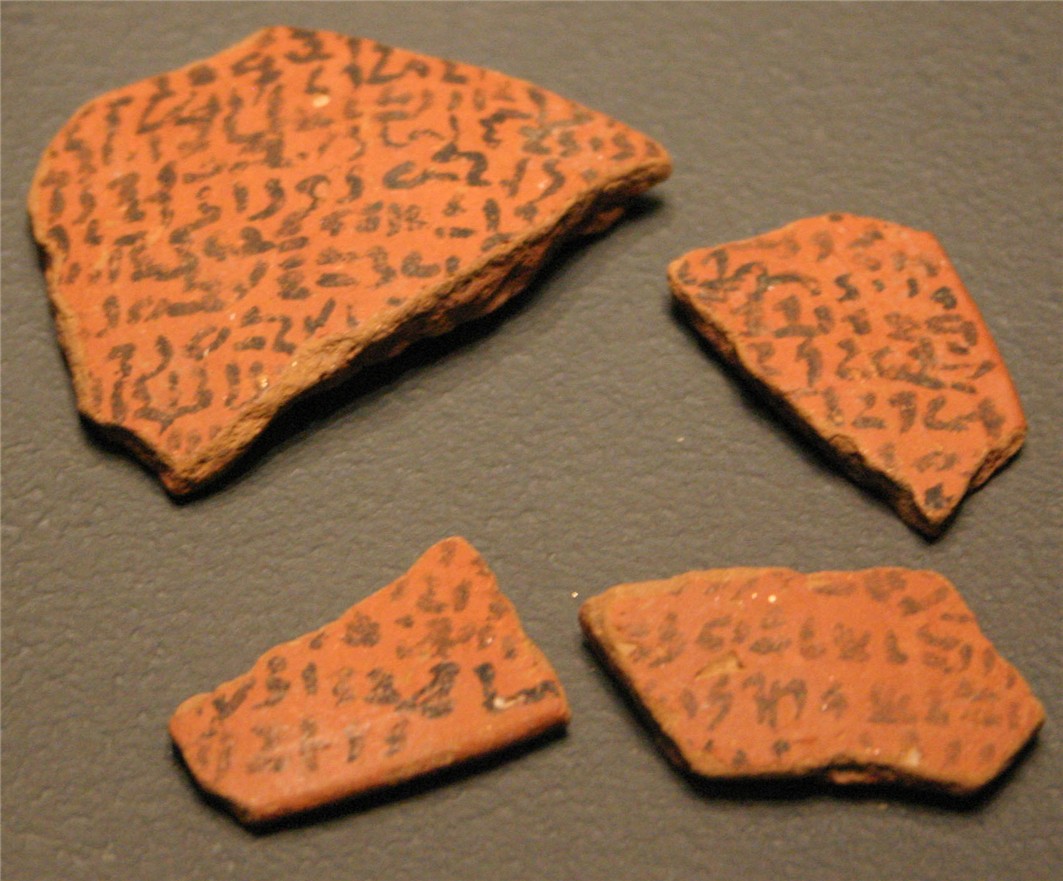 🇪🇬 Egypt and 4 moreExecration texts
Ancient Egyptian magical texts inscribed on objects to be destroyed, targeting enemies of the state.Text · Protection · Cursing and harm Historical
 🇸🇪 SwedenStentoften Runestone
A seventh-century Swedish stone inscribed with a curse and harvest blessings in Proto-NorseText · Cursing and harm · Luck and prosperity Historical
 🇫🇷 FranceOn the Demonomania of the SorcerersDe la démonomanie des sorciers
Jean Bodin's 1580 treatise on witches, demons and their prosecutionText · Cursing and harm · Protection Historical
 🇳🇴 NorwayGrógaldr
An Old Norse poem about raising a dead seeress to ask for helpText · Cursing and harm · Protection Historical
🇪🇸 SpainLiber Ignium
A medieval Latin manuscript containing recipes for incendiary weapons and chemicals.Text · Cursing and harm · Power and authority Historical
 🇬🇧 United KingdomTam Lin
A Scottish ballad about a fairy knight rescued by his mortal lover on Hallowe'enFigure · Love and attraction · Cursing and harm Historical
 🇸🇪 SwedenGlemminge stone
A Viking Age runestone in Sweden bearing a Younger Futhark inscription and a curse.Text · Cursing and harm Historical
Photo credits on this page
The small pictures above come from Wikimedia Commons under free licences. Some are cropped to fit.
- Glemminge stone: Jorchr, CC BY-SA 3.0, source
- Directorium Inquisitorum: Nicolás Eymerich, Public domain, source
- Hannya: Daderot, Public domain, source
- Jiang Ziya: Wang Qi, Public domain, source
- Akanthos curse tablet: CNG Coins, CC BY-SA 3.0, source
- Witchcraft Act 1735: Richard van Bleeck, Public domain, source
- Chamalières tablet: Unknown, CC BY-SA 4.0, source
- Saducismus Triumphatus: unknown engraver of the 17th century, Public domain, source
- Jiji ru lüling: Unknown author, Public domain, source
- Larzac tablet: Pankratos, Public domain, source
- Key of Solomon: Anonymous Unknown author, Public domain, source
- Deal with the Devil: Christoph, Public domain, source
- Malleus Maleficarum: Johann Jakob Wick, Public domain, source
- Pydna curse tablets: Juergen Weidner, CC BY-SA 4.0, source
- Numbers in Germanic paganism: Sendelbach ( talk ), CC BY-SA 3.0, source
- Execration texts: Naunakhte, CC BY-SA 3.0, source
- Galder: Bengt A. Lundberg, CC BY 2.5, source
- On the Demonomania of the Sorcerers: Jean Bodin, Public domain, source
- Grógaldr: W.G. Collingwood (1854 - 1932), Public domain, source
- Tam Lin: Richard Webb, CC BY-SA 2.0, source