Books and texts
Grimoires, magical papyri, Kabbalistic and Hermetic works and the manuals of cunning folk.
Magical texts are the books, scrolls and papyri that record spells, rites and lore: the Greek Magical Papyri, the Hebrew Sefer Yetzirah and the Zohar, the Picatrix, the Key of Solomon, the Grimorium Verum, the Hindu Atharvaveda, the Egyptian Book of the Dead, the Chinese Taoist ritual manuals and the grimoires of the European cunning folk. This page asks what these texts are, who wrote and read them, and why their authority is complicated.
What the texts are
Some are scripture, such as the Atharvaveda, which contains charms and healing hymns beside its worship. Some are handbooks, like the Greek Magical Papyri from Roman Egypt, which mix Greek, Egyptian and Jewish elements. Some are medieval compendia, such as the Arabic Picatrix. Many European grimoires were printed cheaply and passed hand to hand, and names such as Solomon were attached to give them credit. Some are tiny, such as a few lines on a papyrus strip folded into a case, and some run to hundreds of pages, but all were handled by a small number of people.
Readers and gatekeepers
Literacy mattered. A text of magic could only be used by someone who could read, copy and, often, read Latin, Hebrew or Arabic. That made the learned magician a figure of the elite and left village healers with oral knowledge. In Ethiopia, the debtera, a church-trained scribe, writes protective scrolls. In Java and Malaysia, Quranic and Sanskrit-derived texts are kept by family teachers. Where a text was in a sacred language, the ritual use sometimes outran the meaning, and people recited words they could not translate because the sound itself was held to matter.
Censorship and burning
Texts have been burned. The Church placed books of magic on its Index, Chinese dynasties restricted books of divination, and Qing and later authorities attacked books they saw as superstition. The Nazi regime closed occult lodges and seized their libraries. What we now know of some practices survives because inquisitors, in transcribing confiscated books, kept copies. Preservation depends on accident as well as intention: papyri survived in the dry sands of Egypt, while many paper books of village healers were lost when families moved or owners died.
Authenticity and the market
Many famous grimoires are not as old as they claim. The Sixth and Seventh Books of Moses is a nineteenth-century compilation. Scholars study such works to see how people imagined power, not to test it. Modern editions and online copies are popular, and some publishers present them as ready-to-use manuals, which the guide treats as a matter of belief and not of instruction. Collectors, museums and antiquarian dealers now trade in old manuscripts, and some forgeries sell as originals, which is another reason scholars check provenance.
Text on EveryJaadu
The entries written up so far, best known first.
 🇩🇿 Algeria and 1 moreAhmad al-Buniأحمد البوني المالكي
A medieval Sufi scholar known for works on letter mysticism and talismansText · Power and authority · Seeing and foretelling Historical
🇩🇪 Germany and 3 moreSixth and Seventh Books of Moses
A grimoire claiming to reveal the hidden spells of Moses for controlling spirits and natureText · Power and authority · Speaking with spirits and the dead Historical
🇩🇿 Algeria and 1 moreAhmad al-Buniأحمد البوني المالكي
A medieval Sufi scholar known for works on letter mysticism and talismansText · Power and authority · Seeing and foretelling Historical
🇩🇪 Germany and 3 moreSixth and Seventh Books of Moses
A grimoire claiming to reveal the hidden spells of Moses for controlling spirits and natureText · Power and authority · Speaking with spirits and the dead Historical
 🇪🇬 EgyptPapyrus of Ani
A decorated Egyptian scroll for the afterlife, held in LondonText · Protection · Speaking with spirits and the dead Historical
🇪🇬 EgyptPapyrus of Ani
A decorated Egyptian scroll for the afterlife, held in LondonText · Protection · Speaking with spirits and the dead Historical
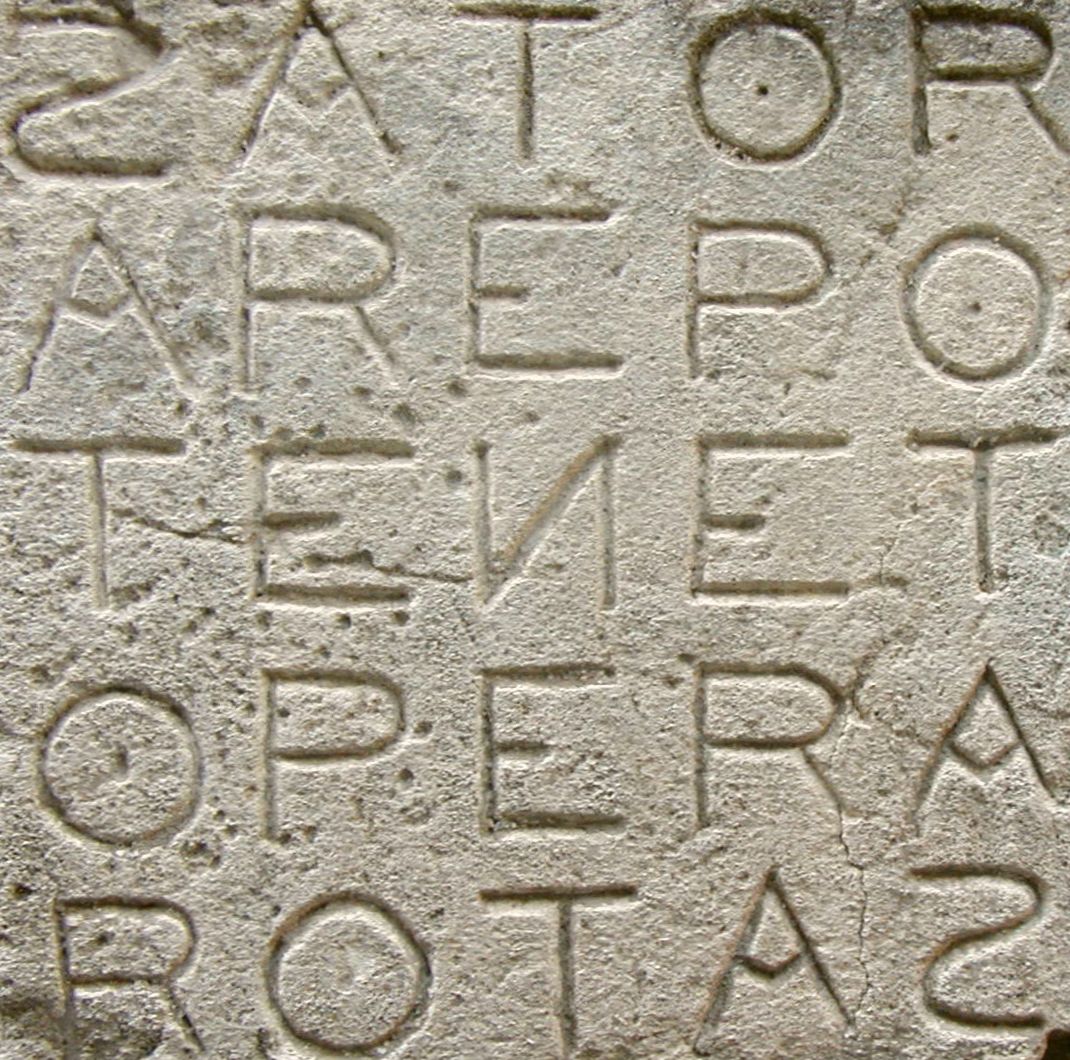 🇮🇹 Italy and 5 moreSator Square
A five-word Latin palindrome found in Roman ruins and medieval churchesCharm · Protection · Healing Historical
🇮🇹 Italy and 5 moreSator Square
A five-word Latin palindrome found in Roman ruins and medieval churchesCharm · Protection · Healing Historical
 🇯🇵 Japan and 1 moreKūkai空海
Founder of Shingon Buddhism who brought Vajrayana esoteric practices from China to Japan.Text · Power and authority · Protection Historical
🇳🇿 New ZealandTohunga Suppression Act 1907
A New Zealand law banning traditional Māori healers and faith practitionersText · Cursing and harm · Protection Historical
🇱🇰 Sri Lanka and 2 moreParittaපිරිත් (Sinhala), ปริตร (Thai), ပရိတ် (Burmese)
Pali verses recited in Theravada Buddhism for protection and blessingsText · Protection · Healing Living
🇯🇵 Japan and 1 moreKūkai空海
Founder of Shingon Buddhism who brought Vajrayana esoteric practices from China to Japan.Text · Power and authority · Protection Historical
🇳🇿 New ZealandTohunga Suppression Act 1907
A New Zealand law banning traditional Māori healers and faith practitionersText · Cursing and harm · Protection Historical
🇱🇰 Sri Lanka and 2 moreParittaපිරිත් (Sinhala), ปริตร (Thai), ပရိတ် (Burmese)
Pali verses recited in Theravada Buddhism for protection and blessingsText · Protection · Healing Living
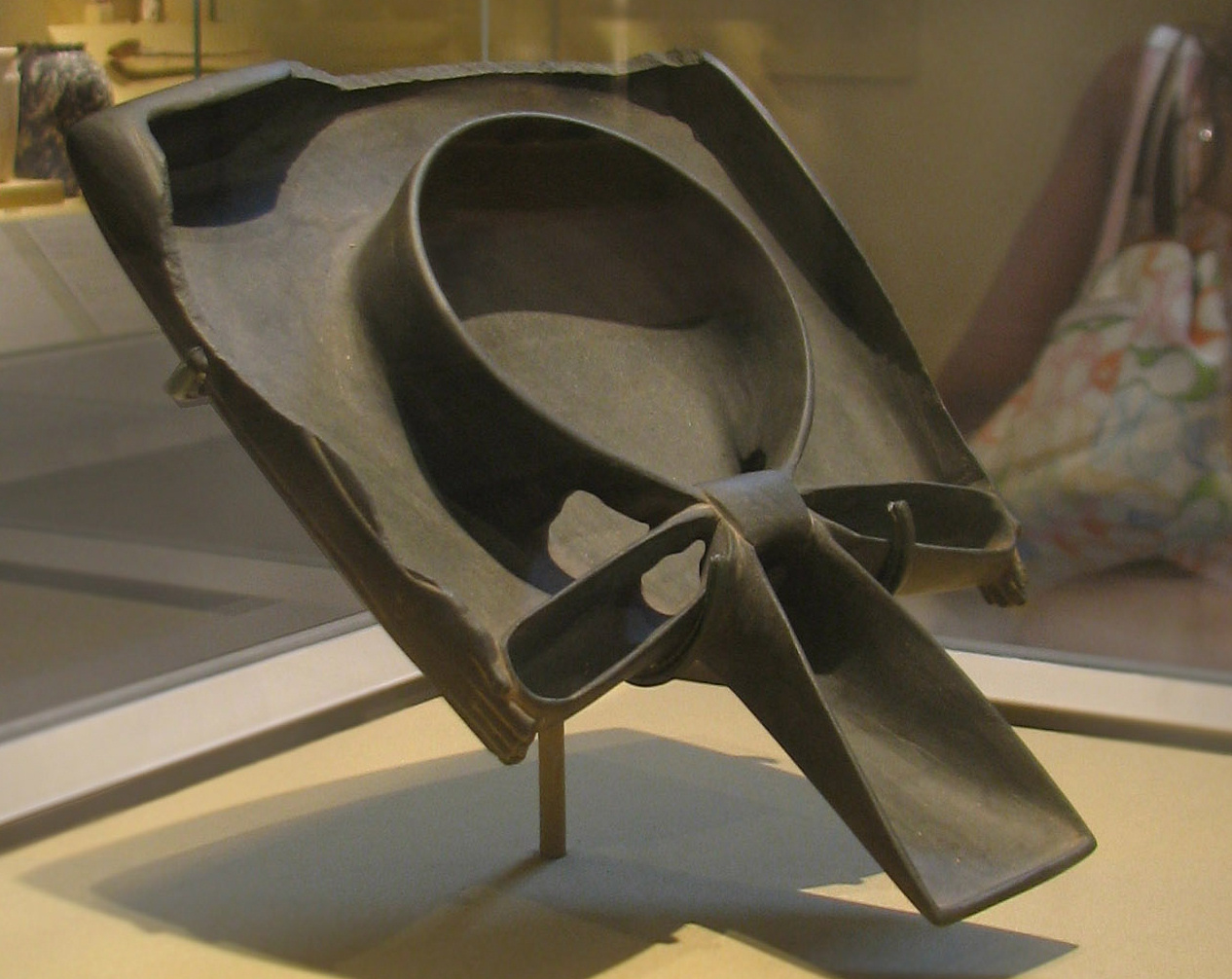 🇪🇬 Egypt and 2 moreAnkh
Ancient Egyptian hieroglyph for life and the amulet that carries its meaningCharm · Protection · Power and authority Historical
🇪🇬 Egypt and 2 moreAnkh
Ancient Egyptian hieroglyph for life and the amulet that carries its meaningCharm · Protection · Power and authority Historical
Photo credits on this page
The small pictures above come from Wikimedia Commons under free licences. Some are cropped to fit.
- Ahmad al-Buni: Khalili Collections, CC BY-SA 3.0 igo, source
- Papyrus of Ani: Photographed by the British Museum; original artist unknown, Public domain, source
- Sator Square: M Disdero, CC BY-SA 3.0, source
- Kūkai: Unknown author, CC BY 4.0, source
- Ankh: Soutekh67, CC BY-SA 4.0, source