
The Fool
from Italian matto or French mat, meaning "the madman"
A tarot card of unique status, depicting a wanderer or madman outside the numbered sequence.
The Fool is a distinct card in the 78-card tarot deck, traditionally unnumbered and separate from the Major Arcana trumps. It appears as a vagabond, jester, or wild man across Italian and French decks. In games it acts as an excuse or highest trump; in divination it represents a journey through life's mysteries.
- Called Le Mat in French and Il Matto in Italian decks
- Acts as an excuse card in trick-taking games
- Numbered zero in some decks, unnumbered in most
- Depicted as a vagabond with a bindle and dog
- Represents the start of the Fool's Journey in divination
What it is
The Fool stands apart from the other cards in a standard tarot deck. While most decks contain twenty-two trump cards known as the Major Arcana, this entry is usually left unnumbered. It serves as a special card with its own rules in play and reading. The figure depicted varies by tradition but often resembles a beggar, a jester, or a wild man carrying a bundle on a stick. Some decks number it zero to suggest a beginning, while others place it at the end of the sequence. Its position signals that it does not fit neatly into the standard hierarchy of the suit.
Where it comes from
The card traces back to early Italian decks where it was called Il Matto. French decks use the name Le Mat. Both terms translate to the madman or the fool. Early images show a ragged figure with feathers in his hair or a jester’s hat. These designs link to older traditions of the woodwose or wild man found in European art. The card likely influenced the later development of the Joker in standard playing cards, though the two may have evolved separately in the mid-nineteenth century for the game of Euchre.
How it is done
In tarot games, the card functions as an excuse. A player may use it to avoid following suit or playing a trump card during a trick. After the trick ends, the player retrieves the card and gives their least valuable card to the winner. In some Central European games, it acts as the highest trump card, beating all others. Esoteric readers view it as the start of a narrative path called the Fool's Journey. This story maps the protagonist moving through the major arcana cards to learn life's lessons.
Tools and materials
Artists depict the figure with specific items that carry symbolic weight. A bindle or stick over the shoulder holds the character's few possessions. A small dog often accompanies the figure in modern decks. A white rose may appear in one hand, symbolizing freedom from base desires. Other versions show bells on a hood or feathers in unruly hair. These visual cues help identify the card and reinforce its theme of wandering and innocence.
The Fool, drawn and placed
- Living
- Revived
- Fading
- Historical
- Legendary
- Performed
- Lineage
- Major Arcana
What it is for
Diviners use the card to represent new beginnings, spontaneity, and a leap of faith. It suggests a traveler stepping off a cliff without fear. Readers associate it with folly, madness, and extravagance when reversed. It marks the start of a cycle rather than a conclusion. Players value it highly in games because it allows them to escape difficult situations or win tricks unexpectedly. It serves as a wildcard that changes the flow of the match.
Who does it
Scholars and historians study the card's evolution from Italian court games to French national pastimes. Esoteric writers like A. E. Waite analyzed its symbolism in the early twentieth century. Game players follow specific regional rules for how the card scores points. Diviners interpret its meaning based on established cartomancy traditions. The card requires no special training to hold, but understanding its dual role in games and reading takes study.
Peoples and places
Italian decks introduced the figure as Il Matto. French tradition calls him Le Mat. Central European players know him as Sküs. Each culture adapted the card's function in their local trick-taking games. Some regions treat it as the lowest trump, while others make it the highest. The visual style shifted from ragged beggars to young men walking toward precipices. These differences reflect local gaming needs and artistic preferences over centuries.
At a glance: who, where and when
Who does it
Belief worlds

What people believe
Esoteric systems view the card as the innocent soul beginning a spiritual quest. The Major Arcana form a path of great mysteries that the figure traverses. This narrative structure helps beginners understand the sequence of cards. Reversed meanings include negligence, apathy, and vanity. The card embodies a state of pure potential before experience shapes the self. It represents a break from conventional logic and social norms.
How scholars and sceptics see it
Historians trace the card's design through Visconti-Sforza manuscripts and Marseilles prints. They note its separation from the numbered trump sequence in early decks. Linguists connect the names to words for madness or foolishness in Romance languages. Researchers compare its iconography to medieval depictions of wild men and fools. Modern analysts examine how its numbering changed from unnumbered to zero or twenty-two depending on the era.
Compare and confuse
The card differs from the numbered trumps by having no fixed rank in many games. It relates to the Joker in standard decks through its role as a wild card. The figure shares traits with the Misero print from the Tarocchi of Mantegna. It contrasts with serious court cards by representing chaos and unpredictability. Other cultures have similar figures of sacred fools or divine madness in their folklore.
Today
The card remains a staple in tarot decks used for both gaming and divination. Unicode encodes it as a distinct character for digital use. Collectors seek rare historical decks that feature unique numbering or artwork. Modern esoteric groups continue to teach the Fool's Journey narrative. The card's flexibility allows it to adapt to new interpretations while keeping its core identity.
Questions people ask about The Fool
What is The Fool card?
It is a special card in the tarot deck, usually unnumbered and separate from the Major Arcana trumps. It depicts a wanderer or madman and serves unique roles in both games and readings.
Where does the name come from?
The name comes from Italian matto or French mat, both meaning the madman. Early decks used these titles to describe the ragged, foolish figure depicted on the card.
How is it used in tarot games?
In many games, it acts as an excuse. A player can play it to avoid following suit. The player keeps the card and gives their worst card to the trick winner instead.
What does it mean in divination?
Readers see it as a new beginning or a leap of faith. It represents the start of a journey through life's mysteries, known as the Fool's Journey, full of potential and innocence.
Good reading and sources
- The Fool (tarot card) on WikipediaEncyclopedia
- More photos on Wikimedia CommonsPhotos and video
- Wikidata recordOpen data
The facts on this page come from the Wikipedia article "The Fool (tarot card)", written by its contributors and used under the CC BY-SA 4.0 licence, and from its Wikidata record (CC0). EveryJaadu rewrote the text in its own words, with AI assistance, and compares every page with the article to make sure no passage is copied. It may be reused under the same CC BY-SA 4.0 licence with a link back.
It may contain mistakes. Names and customs differ from one community to the next, and some knowledge is closed to outsiders and left out here. This page describes belief and practice. It does not say that any of it works, it is not a how-to, and it is not medical advice. If something is wrong, tell us. Last refreshed 2026-10-05.
More from Italy
All the entries from Italy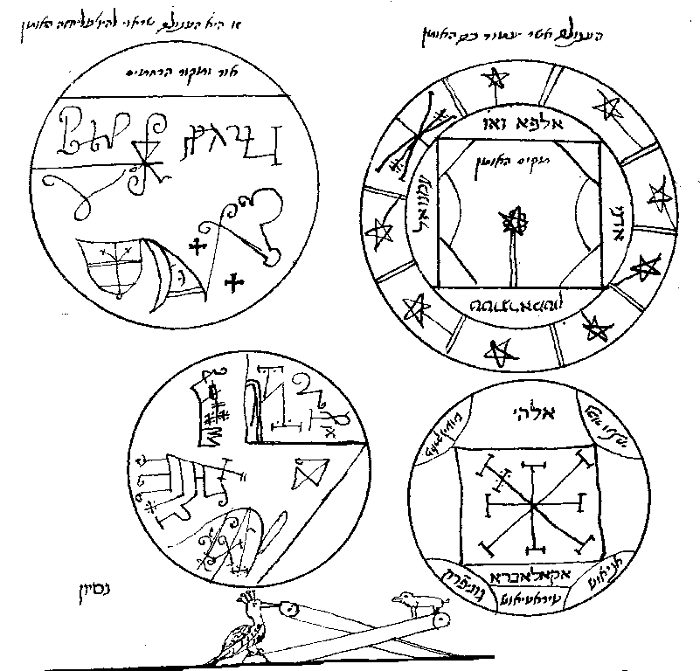 🇮🇹 Italy and 2 moreKey of SolomonClavicula Salomonis
A Renaissance grimoire attributed to King Solomon, detailing ritual preparations and invocations.Text · Cursing and harm · Love and attraction Historical
🇮🇹 Italy and 2 moreKey of SolomonClavicula Salomonis
A Renaissance grimoire attributed to King Solomon, detailing ritual preparations and invocations.Text · Cursing and harm · Love and attraction Historical
 🇮🇹 ItalyMarsilio Ficino
A Renaissance priest and philosopher who revived Plato and blended astrology with Christian theology.Text · Speaking with spirits and the dead · Healing Historical
🇮🇹 ItalyMarsilio Ficino
A Renaissance priest and philosopher who revived Plato and blended astrology with Christian theology.Text · Speaking with spirits and the dead · Healing Historical
 🇫🇷 France and 1 moreNostradamus
A French astrologer and physician known for a book of poetic propheciesText · Seeing and foretelling · Power and authority Historical
🇫🇷 France and 1 moreNostradamus
A French astrologer and physician known for a book of poetic propheciesText · Seeing and foretelling · Power and authority Historical
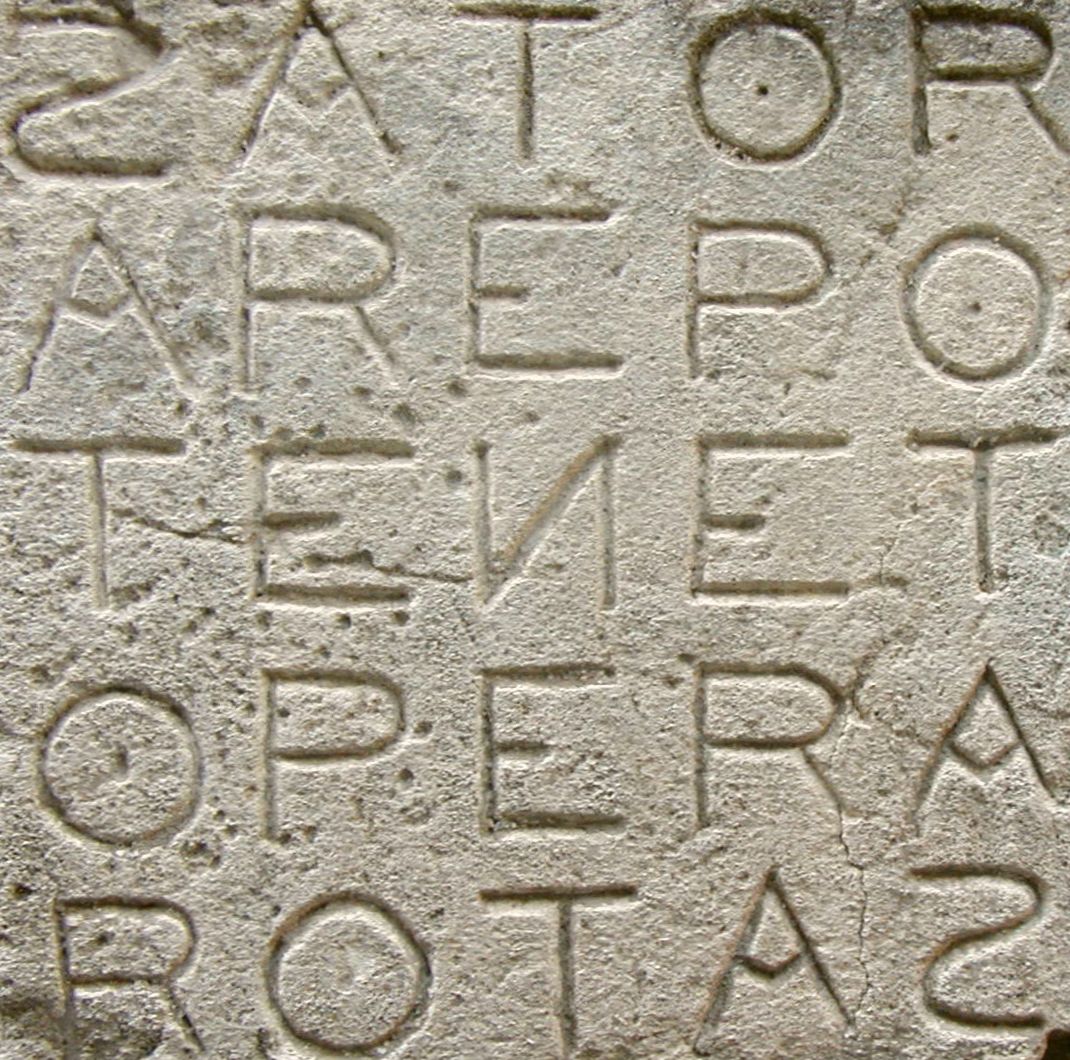 🇮🇹 Italy and 5 moreSator Square
A five-word Latin palindrome found in Roman ruins and medieval churchesCharm · Protection · Healing Historical
🇮🇹 Italy and 5 moreSator Square
A five-word Latin palindrome found in Roman ruins and medieval churchesCharm · Protection · Healing Historical
Related elsewhere
All text 🇪🇬 Egypt and 1 moreSphinx
A mythical hybrid with a human head and lion body, serving as guardian or riddler in Egyptian and Greek traditions.Being · Protection · Wonder and entertainment Legendary
🇪🇬 EgyptDjedi
A fictional magician from the Westcar Papyrus who resurrects animals and foretells a king's lineage.Figure · Seeing and foretelling · Wonder and entertainment Legendary
🇺🇸 United States and 1 moreHorace Goldin
A stage magician known for his fast style and the sawing illusion.Illusion · Wonder and entertainment Historical
🇪🇬 Egypt and 1 moreSphinx
A mythical hybrid with a human head and lion body, serving as guardian or riddler in Egyptian and Greek traditions.Being · Protection · Wonder and entertainment Legendary
🇪🇬 EgyptDjedi
A fictional magician from the Westcar Papyrus who resurrects animals and foretells a king's lineage.Figure · Seeing and foretelling · Wonder and entertainment Legendary
🇺🇸 United States and 1 moreHorace Goldin
A stage magician known for his fast style and the sawing illusion.Illusion · Wonder and entertainment Historical
 🇨🇳 ChinaLan Caihe藍采和
An ambiguous Taoist immortal known for a flower basket and wandering songsBeing · Wonder and entertainment Legendary
🇨🇳 ChinaLan Caihe藍采和
An ambiguous Taoist immortal known for a flower basket and wandering songsBeing · Wonder and entertainment Legendary