Galdrabók
from Old Norse galdr, meaning incantation or magic song
An Icelandic grimoire of spells and staves from around 1600
The Galdrabók is a small Icelandic manuscript dated to around 1600. It contains 47 spells and sigils used for protection, harm, or healing.
- Contains 47 spells and sigils
- Compiled by four scribes between late 1500s and mid-1600s
- Includes invocations to Christian, demonic, and Norse entities
- First published in Swedish in 1921 by Natan Lindqvist
- English translation by Stephen Flowers published in 1989
What it is
The Galdrabók is an Icelandic grimoire dating to approximately 1600. The title translates to 'incantation book' or 'galder book'. It is a small manuscript that holds a collection of forty-seven distinct spells and magical staves. These entries mix Latin text with runic symbols. The work includes invocations directed at Christian figures, demons, and Norse gods. It also provides instructions for using herbs and other magical items in rituals.
Where it comes from
The manuscript was compiled by four different scribes over time. Work likely began in the late sixteenth century and continued into the mid-seventeenth century. The first three writers were Icelanders. The fourth scribe was a Dane who worked using Icelandic source material. This collaborative effort created a unique blend of cultural influences within the text.
How it is done
The spells inside cover a wide range of actions. Some are protective, aimed at stopping childbearing troubles, headaches, insomnia, pestilence, or distress at sea. Others are designed to cause fear, kill animals, find thieves, or induce sleep. Certain entries can cause flatulence or bewitch women. The methods involve reciting specific words and drawing sigils.
Tools and materials
Users of the Galdrabók rely on several types of materials. The text itself uses both Latin script and runic characters. Practitioners draw magical staves or sigils onto paper or skin. The manuscript also lists specific herbs and physical items needed for the various rituals described within its pages.
Galdrabók, drawn and placed
- Living
- Revived
- Fading
- Historical
- Legendary
- Performed
- Lineage
- Icelandic folk magic
What it is for
People consulted these spells for many reasons. They sought protection against illness, bad luck, and spiritual attacks. Others used the book to solve practical problems like finding stolen goods or silencing enemies. Some spells targeted health issues such as headaches or sleeplessness. A few were intended to inflict pain or discomfort on others.
Who does it
The original compilers were scribes working in Iceland and Denmark. Today, the text is studied by scholars and historians. It has been published in diplomatic editions and facsimiles. Translations into Swedish, English, and Icelandic have made it accessible to researchers interested in Nordic folklore and historical magic practices.
Peoples and places
The Galdrabók is firmly rooted in Icelandic tradition. It reflects the beliefs and practices of Icelanders during the early modern period. The inclusion of a Danish scribe shows connections between the two cultures. The text remains a key document for understanding Icelandic folk magic and its syncretic nature.
At a glance: who, where and when
What people believe
The grimoire blends different religious traditions. It calls upon Christian entities alongside Norse gods and demons. This mix suggests a worldview where old pagan beliefs coexisted with new Christian ones. Users believed these combined forces could influence reality, affecting health, fortune, and the behavior of others.
When it is done
The spells appear to be available for use whenever a need arose, whether for daily troubles or specific crises like sickness or theft.
How scholars and sceptics see it
The text has been edited and translated multiple times. Natan Lindqvist published the first edition in 1921. Stephen Flowers released an English translation in 1989, followed by a revised edition in 1995. Matthías Viðar Sæmundsson provided commentary in 1992. In 2024, Kári Pálsson published an illustrated edition including the Jarðskinna manuscript.
Cautions and what is closed
Some spells in the Galdrabók are harmful. They are designed to cause fear, injury, or death to animals and people. Using such magic carries social and legal risks in historical contexts. Modern readers should approach these texts as historical artifacts rather than guides for action.
Compare and confuse
The Galdrabók is similar to other European grimoires of its time. It shares features with Scandinavian magical manuscripts. The combination of runes, Latin prayers, and folk remedies distinguishes it from purely religious or purely secular texts of the era.
Law and persecution
Historically, witchcraft and magic were often illegal or suppressed. The publication of such books required careful handling. Modern editions are academic or commercial products. They do not carry the same legal dangers as they might have in the seventeenth century.
Rites that involve Galdrabók
Questions people ask about Galdrabók
What is the Galdrabók?
It is an Icelandic grimoire from around 1600 containing 47 spells and magical staves. It mixes Latin, runes, and invocations to various spirits and gods.
Who wrote the Galdrabók?
Four scribes compiled it. Three were Icelanders, and one was a Dane working from Icelandic materials. Work spanned from the late 16th to mid-17th century.
What kinds of spells are in it?
They include protective charms, curses, healing spells, and commands to control others. Some target health issues, while others aim to cause fear or harm.
When was it first published?
Natan Lindqvist published the first edition in 1921 in Swedish. English translations followed later, with significant revisions by Stephen Flowers and Matthías Viðar Sæmundsson.
Good reading and sources
- Galdrabók on WikipediaEncyclopedia
- More photos on Wikimedia CommonsPhotos and video
- Wikidata recordOpen data
The facts on this page come from the Wikipedia article "Galdrabók", written by its contributors and used under the CC BY-SA 4.0 licence, and from its Wikidata record (CC0). EveryJaadu rewrote the text in its own words, with AI assistance, and compares every page with the article to make sure no passage is copied. It may be reused under the same CC BY-SA 4.0 licence with a link back.
It may contain mistakes. Names and customs differ from one community to the next, and some knowledge is closed to outsiders and left out here. This page describes belief and practice. It does not say that any of it works, it is not a how-to, and it is not medical advice. If something is wrong, tell us. Last refreshed 2026-10-06.
More from Iceland
All the entries from Iceland 🇮🇶 Iraq and 5 moreGrimoire
A textbook containing instructions for spells, rituals, and the creation of magical objects.Text · Protection · Healing Historical
🇮🇶 Iraq and 5 moreGrimoire
A textbook containing instructions for spells, rituals, and the creation of magical objects.Text · Protection · Healing Historical
 🇮🇸 IcelandGaldergaldr
A Germanic incantation and the written charms derived from itText · Protection · Cursing and harm Historical
🇮🇸 IcelandGaldergaldr
A Germanic incantation and the written charms derived from itText · Protection · Cursing and harm Historical
 🇩🇪 Germany and 3 moreRunesᚱᚢᚾᛟ
An ancient Germanic script used for writing and magical signs.Text · Seeing and foretelling · Power and authority Historical
🇮🇸 IcelandRauðskinna
A legendary Icelandic grimoire said to grant mastery over dark forces.Text · Power and authority · Cursing and harm Legendary
🇩🇪 Germany and 3 moreRunesᚱᚢᚾᛟ
An ancient Germanic script used for writing and magical signs.Text · Seeing and foretelling · Power and authority Historical
🇮🇸 IcelandRauðskinna
A legendary Icelandic grimoire said to grant mastery over dark forces.Text · Power and authority · Cursing and harm Legendary
Related elsewhere
All text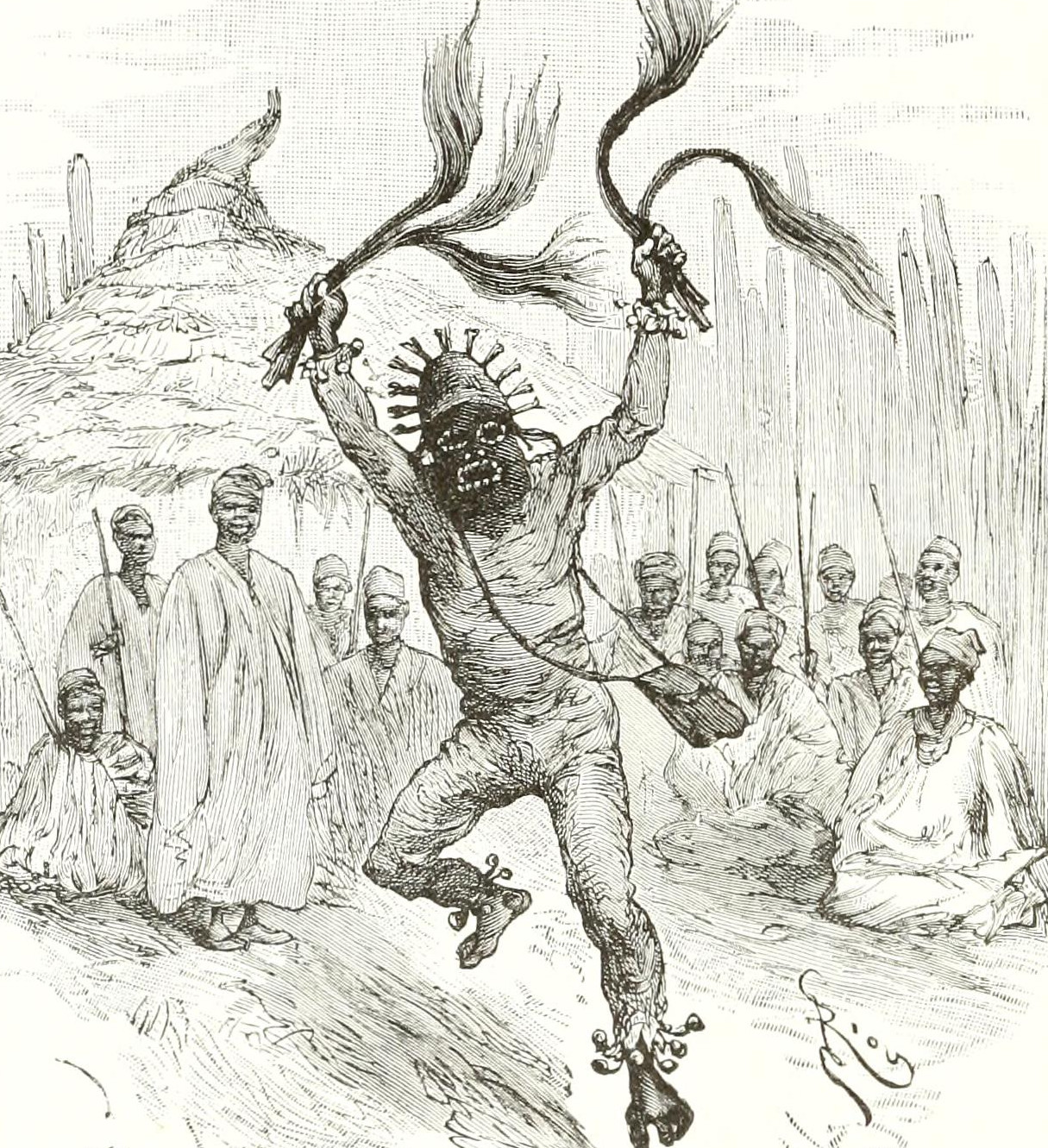 🇺🇸 United States and 2 moreLouisiana Voodoo
An African diasporic religion practiced in Louisiana from the 18th to early 20th centuriesTradition · Healing · Protection Historical
🇺🇸 United States and 2 moreLouisiana Voodoo
An African diasporic religion practiced in Louisiana from the 18th to early 20th centuriesTradition · Healing · Protection Historical
 🇨🇬 Republic of the CongoNkisi
Spirit containers and power figures from the Congo Basin used for justice and healingCharm · Protection · Healing Living
🇨🇬 Republic of the CongoNkisi
Spirit containers and power figures from the Congo Basin used for justice and healingCharm · Protection · Healing Living
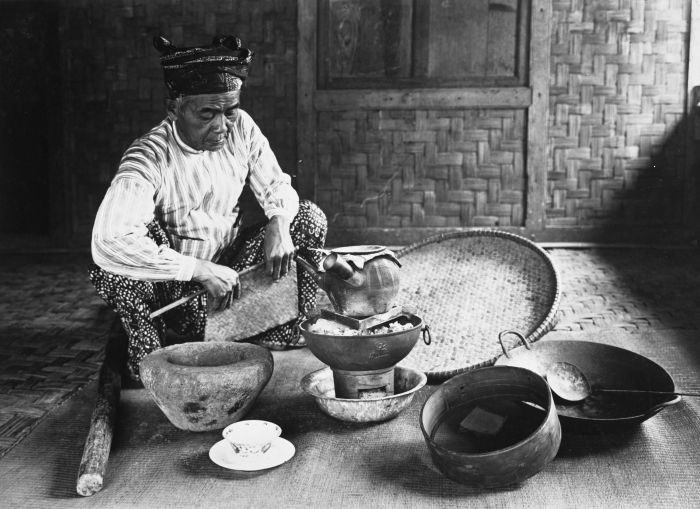 🇮🇩 Indonesia and 2 moreDukun
A traditional healer and spirit medium in Indonesian folk practiceTradition · Healing · Seeing and foretelling Living
🇮🇩 Indonesia and 2 moreDukun
A traditional healer and spirit medium in Indonesian folk practiceTradition · Healing · Seeing and foretelling Living
 🇸🇸 South Sudan and 1 moreAzande witchcraft
A Zande belief that certain people harm others by an inherited power, judged by oraclesBelief · Cursing and harm · Seeing and foretelling Living
🇸🇸 South Sudan and 1 moreAzande witchcraft
A Zande belief that certain people harm others by an inherited power, judged by oraclesBelief · Cursing and harm · Seeing and foretelling Living