
Larzac tablet
Named for the commune where it was unearthed
A lead curse tablet from southern France invoking a goddess against a group of women
The Larzac tablet is a lead inscription dating to around 100 AD, discovered in the Aveyron region of southern France. It contains the longest known text in the Gaulish language and records a magical curse cast by one group of women against another.
- Longest known Gaulish text with over 1000 letters
- Found in a grave in L'Hospitalet-du-Larzac in 1983
- Curse targets Severa Tertionicna and her followers
- Invokes the goddess Adsagsona for punishment
- Written in two hands on fragmented lead sheets
What it is
This object is a lead sheet bearing an ancient inscription found in southern France. Scholars classify it as a curse tablet, a common form of magical practice in the Greco-Roman world. The text represents the longest surviving example of the Gaulish language. It records a ritual intended to bring suffering upon specific individuals. The magic appears to originate from a female group targeting rivals.
Where it comes from
Excavators uncovered the tablet in 1983 within a grave at the La Vayssière necropolis. This site lies just north of L'Hospitalet-du-Larzac near an old Roman road. The artifact dates to approximately 100 AD. Its placement in a tomb suggests a belief that the grave acts as a passage to underworld deities. Breaking the lead may have been part of the ritual to release the curse.
How it is done
The inscription invokes Adsagsona, a principal goddess, to punish the targets. The text demands that these women suffer persecution. Ancient sources mention sisterhoods of sorceresses in Gaul who could summon storms or change shape. The tablet likely reflects such practices, where older members initiate novices in a structured order rather than biological kinship.
Tools and materials
The primary material is lead, preserved in two fragments. The writing uses Roman cursive script. Two different hands appear on the sheet. One hand wrote the main curse, while a second hand added later text and erased parts of the original. The names listed include titles indicating family roles or clan membership.
Larzac tablet, drawn and placed
- Living
- Revived
- Fading
- Historical
- Legendary
- Performed
- Lineage
- Celtic magic
What it is for
The spell aims to harm a rival group of women. It specifically names Severa Tertionicna as a leader among them. The curse seeks to bind and persecute these individuals. Practitioners believed the ritual would reach infernal powers through the tomb. The intent was malicious, consistent with other Celtic magical traditions.
Who does it
Ancient ethnographers describe colleges of priestesses in Gaul capable of powerful magic. The tablet implies a structured organization of women. Roles like mother and daughter may denote initiation ranks within this group. The scribes were likely familiar with Roman and local naming conventions.
Peoples and places
The text belongs to the culture of Roman Gaul during the first century. It blends Roman and Gaulish elements. Names combine Latin cognomens with Gaulish suffixes. This mix reflects the syncretic nature of society at the time. Similar magical texts exist across the Celtic world.
At a glance: who, where and when
What people believe
The ritual relies on the power of spoken and written words. Invoking a goddess directs the curse toward divine agents. The tomb serves as a conduit to the underworld. The fragmentation of the tablet symbolizes the binding of the victims. Belief in these forces drove the creation of the object.
How scholars and sceptics see it
Researchers study the tablet for its linguistic value. It provides key insights into the Gaulish language. Experts analyze the names to understand social structures. Some suggest the terms indicate clan affiliations rather than blood relations. The text remains difficult to translate with full certainty.
Cautions and what is closed
No modern risks are associated with the artifact itself. It resides safely in a museum. Historical accounts of witchcraft often led to persecution. The tablet documents fears of female magical power in antiquity.
Compare and confuse
Similar curse tablets exist in Bath and Chamalières. These artifacts share features with Irish mythology. They all reflect Celtic beliefs about magic and retribution. The Larzac tablet is unique for its length and detail.
Questions people ask about Larzac tablet
What is the Larzac tablet?
It is a lead curse tablet from southern France dating to around 100 AD. It contains the longest known text in the Gaulish language and records a magical spell cast by women against rivals.
Where was the tablet found?
Archaeologists discovered it in 1983 in a grave at the La Vayssière necropolis near L'Hospitalet-du-Larzac in the Aveyron department of France.
Who does the curse target?
The spell names Severa Tertionicna as a leader and lists several other women. The text invokes the goddess Adsagsona to bring suffering upon them.
Why was it placed in a tomb?
In Greco-Roman tradition, tombs were seen as gateways to the underworld. Placing the tablet there helped the curse reach the deities responsible for executing it.
Good reading and sources
- Larzac tablet on WikipediaEncyclopedia
- More photos on Wikimedia CommonsPhotos and video
- Wikidata recordOpen data
The facts on this page come from the Wikipedia article "Larzac tablet", written by its contributors and used under the CC BY-SA 4.0 licence, and from its Wikidata record (CC0). EveryJaadu rewrote the text in its own words, with AI assistance, and compares every page with the article to make sure no passage is copied. It may be reused under the same CC BY-SA 4.0 licence with a link back.
It may contain mistakes. Names and customs differ from one community to the next, and some knowledge is closed to outsiders and left out here. This page describes belief and practice. It does not say that any of it works, it is not a how-to, and it is not medical advice. If something is wrong, tell us. Last refreshed 2026-10-06.
More from France
All the entries from France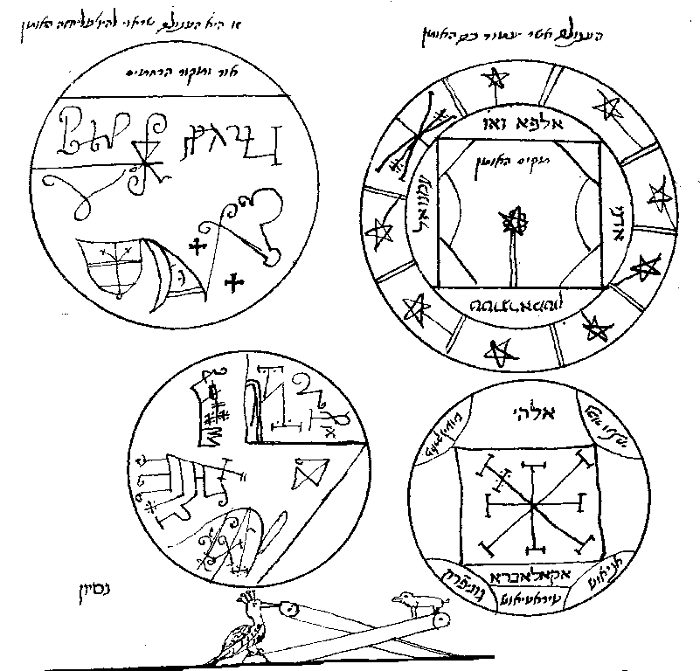 🇮🇹 Italy and 2 moreKey of SolomonClavicula Salomonis
A Renaissance grimoire attributed to King Solomon, detailing ritual preparations and invocations.Text · Cursing and harm · Love and attraction Historical
🇮🇹 Italy and 2 moreKey of SolomonClavicula Salomonis
A Renaissance grimoire attributed to King Solomon, detailing ritual preparations and invocations.Text · Cursing and harm · Love and attraction Historical
 🇫🇷 France and 1 moreNostradamus
A French astrologer and physician known for a book of poetic propheciesText · Seeing and foretelling · Power and authority Historical
🇫🇷 France and 1 moreNostradamus
A French astrologer and physician known for a book of poetic propheciesText · Seeing and foretelling · Power and authority Historical
 🇬🇧 United Kingdom and 5 moreAleister Crowley
English occultist and founder of the religion of ThelemaText · Power and authority · Change and initiation Living
🇬🇧 United Kingdom and 5 moreAleister Crowley
English occultist and founder of the religion of ThelemaText · Power and authority · Change and initiation Living
 🇫🇷 France and 2 moreÉliphas Lévi
A French writer who shaped modern occult thought and ceremonial magic.Text · Power and authority · Speaking with spirits and the dead Historical
🇫🇷 France and 2 moreÉliphas Lévi
A French writer who shaped modern occult thought and ceremonial magic.Text · Power and authority · Speaking with spirits and the dead Historical
Related elsewhere
All text 🇪🇬 Egypt and 1 moreLilithלִילִית
A feminine figure from Mesopotamian and Jewish mythology, often depicted as a night demon or spirit.Being · Cursing and harm Legendary
🇪🇬 Egypt and 1 moreLilithלִילִית
A feminine figure from Mesopotamian and Jewish mythology, often depicted as a night demon or spirit.Being · Cursing and harm Legendary
 🇪🇬 EgyptCurse
A spoken wish for misfortune to befall a person or placeBelief · Cursing and harm · Luck and prosperity Historical
🇪🇬 EgyptCurse
A spoken wish for misfortune to befall a person or placeBelief · Cursing and harm · Luck and prosperity Historical
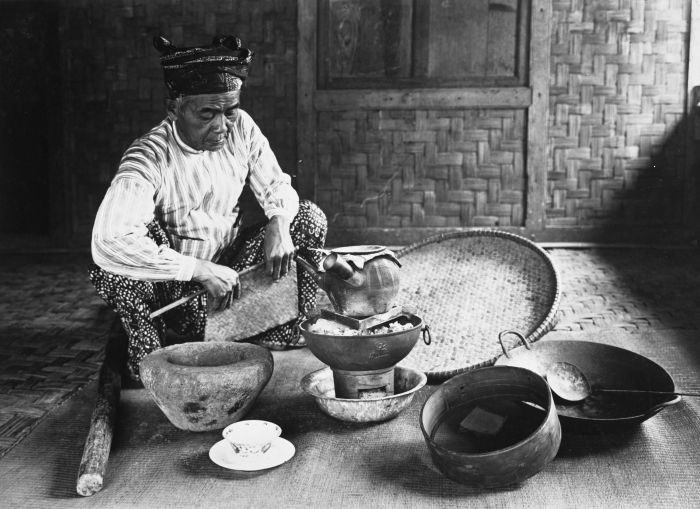 🇮🇩 Indonesia and 2 moreDukun
A traditional healer and spirit medium in Indonesian folk practiceTradition · Healing · Seeing and foretelling Living
🇮🇩 Indonesia and 2 moreDukun
A traditional healer and spirit medium in Indonesian folk practiceTradition · Healing · Seeing and foretelling Living
 🇮🇳 India and 5 moreHoliहोली
A Hindu spring festival marked by coloured powders and bonfires to celebrate love and virtue.Tradition · Love and attraction · Cursing and harm Living
🇮🇳 India and 5 moreHoliहोली
A Hindu spring festival marked by coloured powders and bonfires to celebrate love and virtue.Tradition · Love and attraction · Cursing and harm Living