Books and texts
Grimoires, magical papyri, Kabbalistic and Hermetic works and the manuals of cunning folk.
Magical texts are the books, scrolls and papyri that record spells, rites and lore: the Greek Magical Papyri, the Hebrew Sefer Yetzirah and the Zohar, the Picatrix, the Key of Solomon, the Grimorium Verum, the Hindu Atharvaveda, the Egyptian Book of the Dead, the Chinese Taoist ritual manuals and the grimoires of the European cunning folk. This page asks what these texts are, who wrote and read them, and why their authority is complicated.
What the texts are
Some are scripture, such as the Atharvaveda, which contains charms and healing hymns beside its worship. Some are handbooks, like the Greek Magical Papyri from Roman Egypt, which mix Greek, Egyptian and Jewish elements. Some are medieval compendia, such as the Arabic Picatrix. Many European grimoires were printed cheaply and passed hand to hand, and names such as Solomon were attached to give them credit. Some are tiny, such as a few lines on a papyrus strip folded into a case, and some run to hundreds of pages, but all were handled by a small number of people.
Readers and gatekeepers
Literacy mattered. A text of magic could only be used by someone who could read, copy and, often, read Latin, Hebrew or Arabic. That made the learned magician a figure of the elite and left village healers with oral knowledge. In Ethiopia, the debtera, a church-trained scribe, writes protective scrolls. In Java and Malaysia, Quranic and Sanskrit-derived texts are kept by family teachers. Where a text was in a sacred language, the ritual use sometimes outran the meaning, and people recited words they could not translate because the sound itself was held to matter.
Censorship and burning
Texts have been burned. The Church placed books of magic on its Index, Chinese dynasties restricted books of divination, and Qing and later authorities attacked books they saw as superstition. The Nazi regime closed occult lodges and seized their libraries. What we now know of some practices survives because inquisitors, in transcribing confiscated books, kept copies. Preservation depends on accident as well as intention: papyri survived in the dry sands of Egypt, while many paper books of village healers were lost when families moved or owners died.
Authenticity and the market
Many famous grimoires are not as old as they claim. The Sixth and Seventh Books of Moses is a nineteenth-century compilation. Scholars study such works to see how people imagined power, not to test it. Modern editions and online copies are popular, and some publishers present them as ready-to-use manuals, which the guide treats as a matter of belief and not of instruction. Collectors, museums and antiquarian dealers now trade in old manuscripts, and some forgeries sell as originals, which is another reason scholars check provenance.
Text on EveryJaadu
The entries written up so far, best known first.
 🇮🇱 Israel and 1 morePardesפרד״ס
A four-level method for interpreting Jewish scriptureText · Speaking with spirits and the dead Historical
 🇸🇪 SwedenGlemminge stone
A Viking Age runestone in Sweden bearing a Younger Futhark inscription and a curse.Text · Cursing and harm Historical
🇮🇳 IndiaRisalah Maktubaatرساله مکتوبات
A collection of Persian letters guiding disciples and rulers on spiritual and moral matters.Text · Speaking with spirits and the dead · Power and authority Historical
 🇯🇵 JapanHannya般若
A Noh theater mask depicting a jealous female spirit or demonessText · Cursing and harm Living
🇯🇵 JapanTosa Obake Zōshi土佐お化け草紙
An Edo-period illustrated scroll of yōkai tales from Tosa ProvinceText · Wonder and entertainment Historical
🇩🇪 GermanyAurea Catena Homeri
A German hermetic book from 1723 on the origin of nature and natural thingsText Historical
🇸🇪 SwedenGummarp Runestone
A Vendel-era runestone from Blekinge, Sweden, known only through recorded inscriptions.Text · Power and authority Historical
 🇬🇷 GreeceAkanthos curse tablet
A lead tablet from Macedonia carrying a man's spell to draw two people to himCharm · Binding and oaths · Love and attraction Historical
🇾🇪 Yemen and 1 moreSimthud Durarسمط الدّرر
A poem praising the Prophet Muhammad, recited in ritual gatherings across the Indian Ocean.Text · Speaking with spirits and the dead Living
 🇫🇷 FrancePetit AlbertSecrets merveilleux de la magie naturelle et cabalistique du petit Albert
An 18th-century French grimoire of natural and cabalistic magic sold to rural householdsText · Protection · Luck and prosperity Historical
🇨🇳 ChinaBook of Life and Death生死簿
A mythical ledger in Chinese folklore that records the birth and death of all beings.Text · Cursing and harm Legendary
🇺🇸 United States and 1 moreThe Teachings of Don Juan
A 1968 book presenting an apprenticeship with a Mexican sorcerer as anthropological fieldwork.Text · Speaking with spirits and the dead · Change and initiation Historical
🇮🇹 ItalyDe Umbris Idearum
A 1582 treatise by Giordano Bruno on memory, magic and philosophyText · Power and authority · Wonder and entertainment Historical
🇨🇳 China and 1 moreRishu日書
A Chinese day book sorting lucky and unlucky days by the sexagenary cycleText · Seeing and foretelling · Luck and prosperity Historical
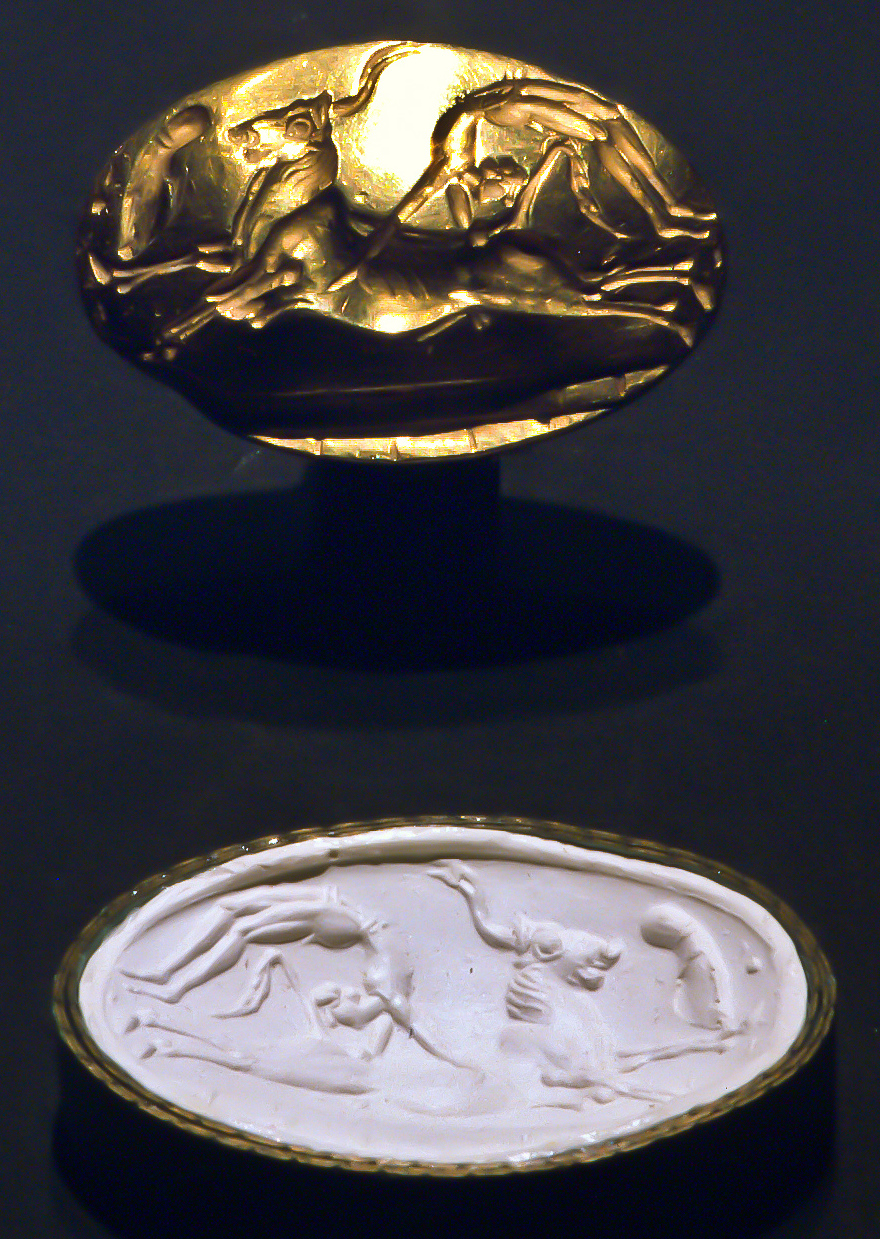 🇬🇷 GreeceMinoan sealstones
Carved gemstones and amulets from Bronze Age Crete used for identification and ritualCharm · Protection · Power and authority Historical
🇮🇳 India and 1 moreManba al-Ansabمنبع الانساب
A Persian manuscript tracing Sayyid lineage and Sufi practice in early modern IndiaText · Speaking with spirits and the dead · Power and authority Historical
🇮🇷 IranBalaibalanباليبلن
An early constructed language from the Islamic world, likely created for sacred or poetic purposes.Text · Speaking with spirits and the dead · Wonder and entertainment Historical
 🇯🇵 JapanEhon Hyaku Monogatari絵本百物語
An 1841 Japanese picture book of yōkai: ghosts, monsters and spirits named and drawnText · Wonder and entertainment Historical
 🇬🇧 United KingdomBook of Magical Charms
A seventeenth-century English manuscript of spells and medical remedies held in Chicago.Text · Healing · Speaking with spirits and the dead Historical
🇸🇩 SudanWitchcraft, Oracles and Magic Among the Azande
A foundational anthropological study of Azande witchcraft, oracles, and magic in southern Sudan.Text · Cursing and harm · Seeing and foretelling Historical
🇮🇹 Italy and 1 moreBooks of secrets
Early modern European compilations of recipes and formulae framed as hidden knowledgeText · Power and authority Historical
🇵🇰 Pakistan and 2 moreNa'atنعت
Urdu and Bengali verses praising the Islamic prophet MuhammadText · Speaking with spirits and the dead Living
🇯🇵 JapanAme no Ohabari天之尾羽
A legendary sword and Shinto spirit from Japanese mythBeing · Cursing and harm · Power and authority Historical
🇯🇵 JapanSenji Ryakketsu占事略決
A Heian-era divination text attributed to Abe no Seimei, detailing shikigami-based fortune-telling.Text · Seeing and foretelling · Luck and prosperity Historical
🇮🇳 India and 3 moreTermaགཏེར་མ
Hidden teachings in Tibetan Buddhism and Bon, revealed by tertöns when the time is right.Text · Speaking with spirits and the dead · Change and initiation Living
 🇬🇧 United KingdomTheatrum Chemicum Britannicum
A 1652 collection of English alchemical verse, gathered and annotated by Elias AshmoleText · Change and initiation Historical
🇬🇧 United Kingdom and 1 moreThe History of Spiritualism
A two-volume history of the Spiritualist movement written by Arthur Conan Doyle in 1926.Text · Speaking with spirits and the dead · Power and authority Historical
🇨🇳 ChinaXici繫辭
A Confucian commentary on the I Ching and a key text of early Chinese cosmologyText Historical
🇮🇸 IcelandSowilo
The s-rune representing the sun in Germanic writing systemsText · Power and authority Historical
🇮🇳 IndiaKhongjomnubi NonggarolKhongchomnupi Nongkalol
A Meitei puya with two stories of transformation and ascent to the sky.Text · Wonder and entertainment Historical
 🇬🇧 United KingdomSaducismus Triumphatus
A 1681 English book defending witchcraft beliefs and attacking skepticsText · Cursing and harm Historical
 🇯🇵 JapanHyakkai Zukan百怪図巻
An 1737 picture scroll of thirty Japanese yōkai by Sawaki SuushiText · Wonder and entertainment Historical
 🇯🇵 JapanKonjaku Gazu Zoku Hyakki今昔画図続百鬼
An 18th-century Japanese book drawing yōkai: ghosts, spirits and monstersText Historical
 🇨🇿 Czech Republic and 1 moreCodex GigasObří kniha
A massive medieval manuscript known for its size and a portrait of Satan.Text · Power and authority Historical
 🇹🇷 Turkey and 1 moreSeal of Muhammadختم الرسول (Khatm ar-Rasul)
Relics and designs attributed to the Prophet's signet ring and correspondence marks.Charm · Power and authority · Protection Historical
🇩🇪 GermanyTransitus Fluvii
A 22-letter occult script built from Hebrew, set down by Agrippa in 1533Text Historical
🇬🇧 United KingdomProphecy of Melkin
A medieval Latin prophecy of a hidden grave at GlastonburyText · Seeing and foretelling Historical
 🇮🇸 Iceland and 3 moreRune poem
Proverbial verses used to memorize the names and order of runic lettersText · Power and authority Historical
🇷🇺 RussiaVolkhovnikВолховник
A lost Old Russian divination book of omens and signsText · Seeing and foretelling · Healing Historical
 🇪🇬 EgyptMagical alphabet
Letter systems used in occult rituals and talismanic magicText · Protection · Power and authority Living
🇩🇪 GermanyBuch der heiligen Dreifaltigkeit
A 15th-century German alchemical treatise that aligns chemical work with Christian theology.Text · Change and initiation Historical
🇮🇳 IndiaA Treatise on White Magic
An esoteric textbook by Alice Bailey outlining fifteen rules for spiritual service and initiation.Text · Speaking with spirits and the dead · Change and initiation Historical
🇮🇶 Iraq and 1 moreAramaic Uruk incantation
A Seleucid-era magical tablet written in Aramaic using cuneiform signsText · Cursing and harm · Protection Historical
🇷🇺 RussiaBook of prophecieschrismologion
A literary genre collecting prophecies and divination methodsText · Seeing and foretelling · Power and authority Historical
🇬🇧 United KingdomBarddas
A 19th-century book presenting Welsh bardic and druidic theology as ancient traditionText · Speaking with spirits and the dead Historical
 🇮🇸 Iceland and 3 moreDeal with the Devil
A cultural trope of trading one's soul for worldly favours in exchange for demonic aidBelief · Power and authority · Cursing and harm Historical
🇺🇸 United StatesDreaming the Dark
A 1982 book by Starhawk linking magic, sex, and politicsText · Power and authority Historical
 🇫🇷 France and 1 moreDogme et Rituel de la Haute Magie
A foundational treatise on ritual magic by Éliphas Lévi, structured around the tarot.Text · Power and authority · Wonder and entertainment Historical
Photo credits on this page
The small pictures above come from Wikimedia Commons under free licences. Some are cropped to fit.
- Pardes: Anonymous (photo by Adrian Pingstone), Public domain, source
- Glemminge stone: Jorchr, CC BY-SA 3.0, source
- Hannya: Daderot, Public domain, source
- Akanthos curse tablet: CNG Coins, CC BY-SA 3.0, source
- Petit Albert: Albertus Parvus Lucius, CC BY-SA 4.0, source
- Minoan sealstones: Andree Stephan, CC BY 3.0, source
- Ehon Hyaku Monogatari: Takehara Shunsen (竹原春泉), Public domain, source
- Book of Magical Charms: Robert Ashley, died 1641, Public domain, source
- Theatrum Chemicum Britannicum: Goddard, John, active 1645-1671 (engraver), Public domain, source
- Saducismus Triumphatus: unknown engraver of the 17th century, Public domain, source
- Hyakkai Zukan: Sawaki Sūshi (佐脇嵩之, Japanese, *1707, †1772), Public domain, source
- Konjaku Gazu Zoku Hyakki: Toriyama Sekien ( 鳥山石燕 , Japanese, *1712, †1788), Public domain, source
- Codex Gigas: Herman the Recluse of the Benedictine monastery of Podlažice, Public domain, source
- Seal of Muhammad: unknown (drawing is signed in lower left corner), Public domain, source
- Rune poem: Tollef Salemann, CC0, source
- Magical alphabet: Francis Barrett, Public domain, source
- Deal with the Devil: Christoph, Public domain, source
- Dogme et Rituel de la Haute Magie: Eliphas Levi, Public domain, source