
Chamalières tablet
In its own language: Plomb de Chamalières
Named for the village of Chamalières in France where it was unearthed.
A Gaulish lead tablet from a French spa, read as either a curse or a healing prayer.
The Chamalières tablet is a small lead artifact inscribed with Gaulish text in Roman cursive letters. Discovered at a thermal spring in France, it dates to the early centuries of the Common Era and is interpreted by scholars as either a defixiones (curse) or a prayer for physical recovery.
- Found in 1971 at a spa in Chamalières, France.
- Written in Gaulish using Roman cursive letters.
- Dated between 50 BC and 50 AD.
- Third-longest known Gaulish text.
- Interpreted as either a curse or a healing prayer.
What it is
The Chamalières tablet is a lead object measuring four by six centimeters. It bears an inscription in the Gaulish language using cursive Latin characters. With nearly four hundred letters across dozens of words, it stands as one of the longest surviving texts in its language. The content addresses infernal deities and a figure named Maponos. Scholars debate whether the text functions as a binding spell against specific individuals or as a supplication for health.
Where it comes from
The artifact is dated to the period between fifty years before Christ and fifty years after. It rests in the Bargoin Museum today. Its discovery provides critical data for linguists studying ancient Celtic speech patterns and vocabulary.
How it is done
The text invokes divine power to bind or affect listed men. One reading suggests a plea to hurry and use magic to restrict these targets. Another interpretation views the sequence as a request for healing through a written script. The inscription includes phrases about seeing clearly despite blindness and making straight what is crooked. These lines appear alongside names that may be those of the afflicted or the accused.
Tools and materials
The primary material is lead, a metal traditionally associated with binding rituals in the ancient world. The writing employs Roman cursive letters adapted for Gaulish phonetics. Carvings of human bodies and body parts were found near the tablet at the excavation site. These anatomical marks support the theory that the site served as a place for physical petitions.
Chamalières tablet, drawn and placed
- Living
- Revived
- Fading
- Historical
- Legendary
- Performed
- Lineage
- Ancient Celtic magical practice
What it is for
Interpretations split between two main goals. Some researchers classify it as a defixiones, a curse intended to harm or silence specific people. Others, noting the spa context, view it as a prayer for elderly men seeking relief from ailments. The repeated phrase serving the god Lug appears at the end, linking the act to established Celtic worship.
Who does it
No living practitioners perform this specific rite. Modern study relies on philologists and historians who analyze the grammar and context. Figures such as Meid and Colera have offered competing translations. Their work highlights the difficulty of interpreting fragmentary ancient magical formulas without clear cultural parallels.
Peoples and places
The text belongs to the Gauls, the Celtic people inhabiting modern-day France. It reflects their interaction with Roman culture through the use of Latin script. The mention of the Averni tribe connects it to a specific regional group. Similar linguistic features appear in other Gaulish inscriptions like the Larzac tablet.
At a glance: who, where and when
What people believe
The text assumes a hierarchy of gods, including infernal powers and Maponos. It treats written words as having active force to bind or heal. The invocation of Lug places the act within a broader Celtic religious framework. The belief system holds that spiritual forces can intervene in human affairs through ritualized requests.
Cautions and what is closed
The tablet is an archaeological object, not a functional tool for modern use. Its historical context involves ancient beliefs about disease and sorcery. There are no known legal risks associated with the artifact itself, though its study contributes to understanding ancient social conflicts and health practices.
Compare and confuse
It shares traits with the Larzac curse tablet and the Coligny calendar. All three are key examples of Gaulish writing. Unlike purely religious calendars, this object blends civic or personal petition with magical intent. The use of lead distinguishes it from stone inscriptions common in later periods.
Questions people ask about Chamalières tablet
What is the Chamalières tablet?
It is a small lead tablet discovered in France, inscribed with Gaulish text. It dates to the early first century CE and is significant for the study of the ancient Celtic language.
Where was the tablet found?
Excavators uncovered it in 1971 at the Source des Roches site in Chamalières, Puy-de-Dôme, France. It is now housed in the Bargoin Museum.
Is it a curse or a prayer?
Scholars disagree. Some see it as a defixiones meant to bind enemies. Others argue it is a healing prayer for old men, given its discovery at a thermal spa alongside body carvings.
What language is on the tablet?
The text is in Gaulish, written using cursive Latin letters. It contains nearly four hundred letters and is one of the longest surviving examples of the language.
Who is Maponos?
Maponos is a deity invoked in the text. He is likely associated with the Averni tribe. The inscription asks for action before his power and that of infernal gods.
Good reading and sources
- Chamalières tablet on WikipediaEncyclopedia
- More photos on Wikimedia CommonsPhotos and video
- Wikidata recordOpen data
The facts on this page come from the Wikipedia article "Chamalières tablet", written by its contributors and used under the CC BY-SA 4.0 licence, and from its Wikidata record (CC0). EveryJaadu rewrote the text in its own words, with AI assistance, and compares every page with the article to make sure no passage is copied. It may be reused under the same CC BY-SA 4.0 licence with a link back.
It may contain mistakes. Names and customs differ from one community to the next, and some knowledge is closed to outsiders and left out here. This page describes belief and practice. It does not say that any of it works, it is not a how-to, and it is not medical advice. If something is wrong, tell us. Last refreshed 2026-10-06.
More from France
All the entries from France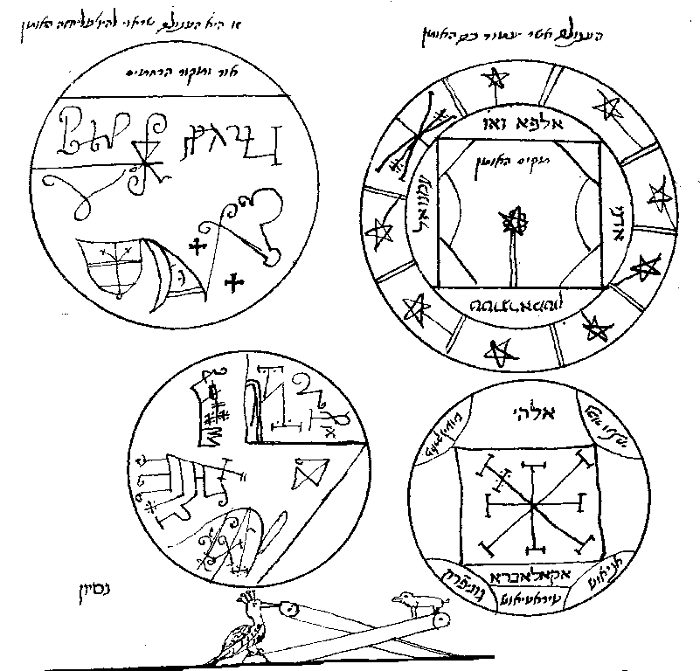 🇮🇹 Italy and 2 moreKey of SolomonClavicula Salomonis
A Renaissance grimoire attributed to King Solomon, detailing ritual preparations and invocations.Text · Cursing and harm · Love and attraction Historical
🇮🇹 Italy and 2 moreKey of SolomonClavicula Salomonis
A Renaissance grimoire attributed to King Solomon, detailing ritual preparations and invocations.Text · Cursing and harm · Love and attraction Historical
 🇫🇷 France and 1 moreNostradamus
A French astrologer and physician known for a book of poetic propheciesText · Seeing and foretelling · Power and authority Historical
🇫🇷 France and 1 moreNostradamus
A French astrologer and physician known for a book of poetic propheciesText · Seeing and foretelling · Power and authority Historical
 🇬🇧 United Kingdom and 5 moreAleister Crowley
English occultist and founder of the religion of ThelemaText · Power and authority · Change and initiation Living
🇬🇧 United Kingdom and 5 moreAleister Crowley
English occultist and founder of the religion of ThelemaText · Power and authority · Change and initiation Living
 🇫🇷 France and 2 moreÉliphas Lévi
A French writer who shaped modern occult thought and ceremonial magic.Text · Power and authority · Speaking with spirits and the dead Historical
🇫🇷 France and 2 moreÉliphas Lévi
A French writer who shaped modern occult thought and ceremonial magic.Text · Power and authority · Speaking with spirits and the dead Historical
Related elsewhere
All text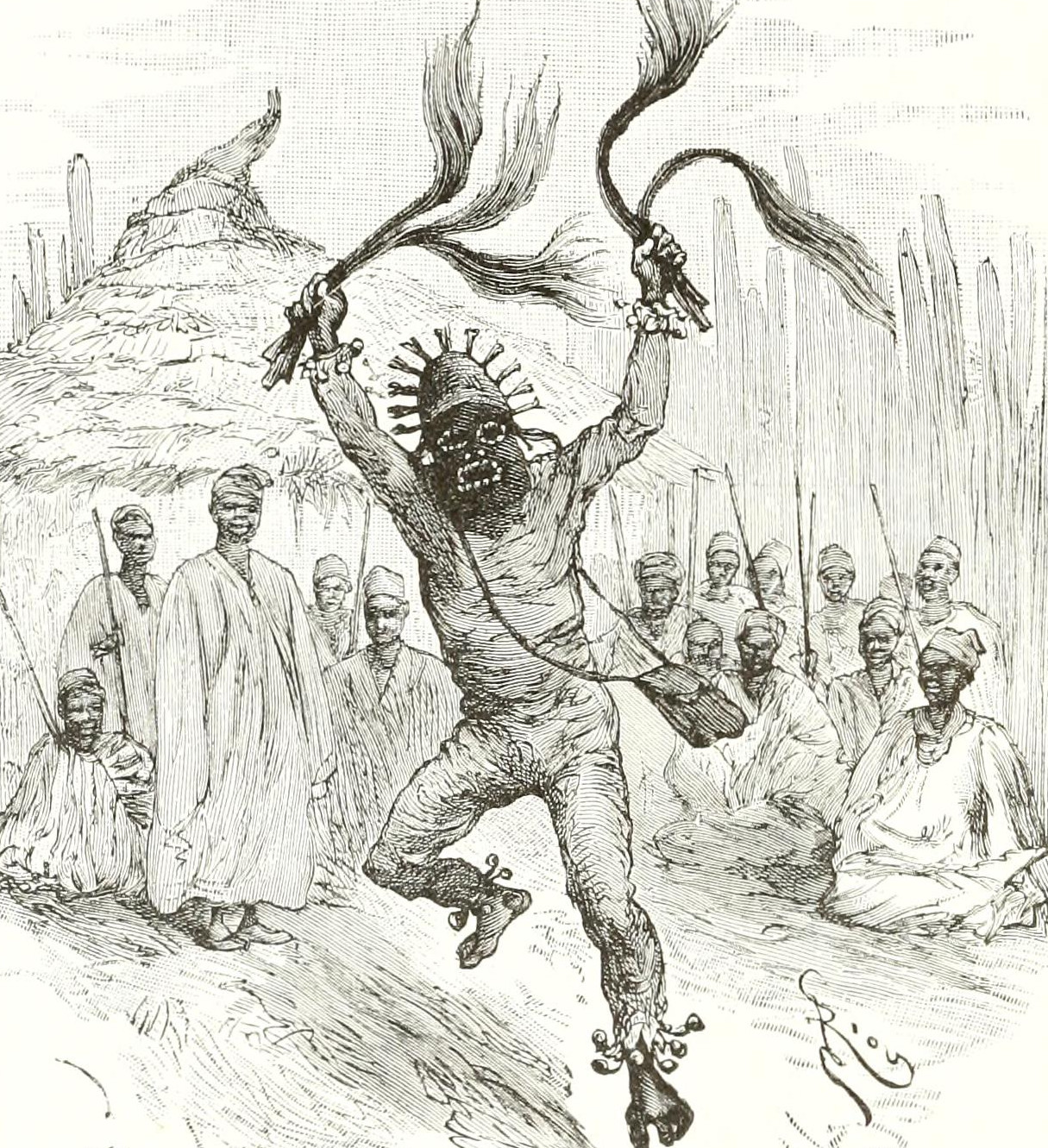 🇺🇸 United States and 2 moreLouisiana Voodoo
An African diasporic religion practiced in Louisiana from the 18th to early 20th centuriesTradition · Healing · Protection Historical
🇺🇸 United States and 2 moreLouisiana Voodoo
An African diasporic religion practiced in Louisiana from the 18th to early 20th centuriesTradition · Healing · Protection Historical
 🇨🇬 Republic of the CongoNkisi
Spirit containers and power figures from the Congo Basin used for justice and healingCharm · Protection · Healing Living
🇨🇬 Republic of the CongoNkisi
Spirit containers and power figures from the Congo Basin used for justice and healingCharm · Protection · Healing Living
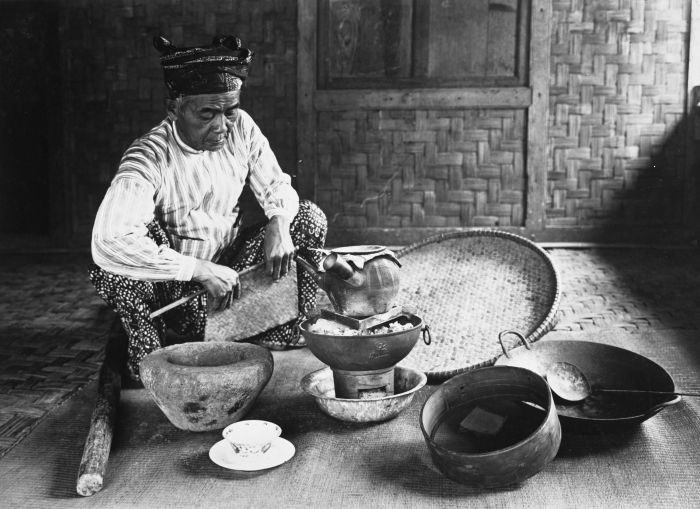 🇮🇩 Indonesia and 2 moreDukun
A traditional healer and spirit medium in Indonesian folk practiceTradition · Healing · Seeing and foretelling Living
🇲🇾 Malaysia and 1 moreBomohبوموه
A Malay shaman and traditional healer who works with spirits, herbs, and geomancy.Tradition · Healing · Seeing and foretelling Living
🇮🇩 Indonesia and 2 moreDukun
A traditional healer and spirit medium in Indonesian folk practiceTradition · Healing · Seeing and foretelling Living
🇲🇾 Malaysia and 1 moreBomohبوموه
A Malay shaman and traditional healer who works with spirits, herbs, and geomancy.Tradition · Healing · Seeing and foretelling Living