🇻🇳 Magic in Vietnam
63 entries from Vietnam, best known first, across 22 places of magic.
Vietnamese folk religion centers on worshiping local spirits and ancestral figures, blending with Confucianism and Taoism. It operates alongside major world religions, often through syncretic movements like Cao Dai and Đạo Mẫu.
- About 86% of Vietnamese identify as irreligious but many practice folk traditions.
- Đạo Mẫu focuses on mother goddesses and shamanic spirit mediumship.
- Cao Dai blends Catholicism, Buddhism, and Taoism under one monotheistic framework.
- Linh represents the spiritual power mediating between order and disorder.
- Ancestral veneration is practiced by most Vietnamese families nationwide.
Overview
This belief system is not a single organized church but a collection of local traditions honoring thần, or generative powers. These entities include nature deities, community guardians, and deified heroes. Ancestral veneration is widespread among the population. The framework absorbs elements from Chinese philosophy, particularly Confucian ethics and Taoist cosmology. It shares regional characteristics with neighboring cultures in Southeast Asia while maintaining distinct Vietnamese identities through specific hero cults and mother goddess worship.
Practices and beliefs
Devotees engage in ancestor veneration and spirit worship at home altars and local temples. Key practices involve offerings to tutelary deities and national heroes. The concept of linh, or spiritual efficacy, guides interactions with the divine. Followers may consult shamans or mediums for guidance. Amulets bearing protective phrases are worn during times of crisis. Rituals often seek to balance order and disorder through symbolic acts.
Rites and charms
Ceremonies typically involve food offerings, incense, and prayers at family shrines or communal temples. Spirit mediumship rituals allow practitioners to channel deities, particularly in Đạo Mẫu traditions. Festivals honor specific saints and historical figures. Sacrifices and processions mark important seasonal changes and life events. The architecture of temples reflects a blend of indigenous and imported styles, serving as focal points for communal worship and cultural preservation.
Who practises
Shamans play a central role in Đạo Mẫu, acting as intermediaries between the physical and spiritual worlds. Local priests oversee temple activities and ritual performances. Family elders often lead ancestral rites within the household. Mediums undergo training to facilitate communication with gods during ceremonies. The community respects these individuals for their ability to navigate spiritual boundaries and provide healing or protection.
Regions and communities
Practices vary significantly across Vietnam's diverse geography. Northern regions emphasize ancestor worship and local hero cults. Central areas feature unique goddess traditions like the Lady of the Realm. Southern provinces host distinct syncretic movements such as Cao Dai and Hòa Hảo. Coastal communities maintain specific maritime spirit beliefs. Urban centers integrate folk practices with modern religious institutions, while rural areas preserve older, more localized customs.
The calendar
The annual cycle includes festivals dedicated to national heroes and seasonal deities. Lunar new year celebrations involve extensive ancestral rites. Harvest festivals thank earth spirits for agricultural bounty. Life events like births, marriages, and deaths trigger specific ritual observances. Commemorative dates for historical figures prompt community gatherings and temple visits. These occasions reinforce social bonds and cultural continuity through shared spiritual experiences.
Law and the state
The state has shifted from suppression to promotion of folk religion as part of national identity. Policies now encourage the preservation of traditional religious culture. Public discourse supports the worship of ancient heroes and local spirits. This approach integrates folk beliefs into the broader narrative of Vietnamese heritage. Legal frameworks generally permit religious activities provided they align with national unity goals.
Today
Folk religion continues to evolve through revival movements and migration. Syncretic faiths attract followers seeking blended spiritual experiences. Tourism promotes interest in traditional temples and rituals. Younger generations reconnect with ancestral practices amid globalization. Commercialization sometimes impacts sacred sites, yet community efforts strive to maintain authenticity. Digital platforms facilitate connections among dispersed believers.
The facts in this overview come from the Wikipedia article "Vietnamese folk religion", written by its contributors and used under the CC BY-SA 4.0 licence. EveryJaadu rewrote the text in its own words, with AI assistance, and compares every page with the article to make sure no passage is copied. It may be reused under the same CC BY-SA 4.0 licence with a link back.
 🇺🇸 United States and 4 moreRainmaking
Efforts to induce rain through technology, ritual, or prayer.Tradition · Protection · Healing Living
🇬🇧 United Kingdom and 3 moreFirst-footciad-chuairt
The first visitor on New Year's Day, believed to set the household's fortune for the year aheadTradition · Luck and prosperity Living
 🇨🇳 China and 5 moreChinese guardian lions石獅 (shíshī)
Stone lion pairs placed at entrances to ward off harm and welcome fortuneCharm · Protection · Luck and prosperity Living
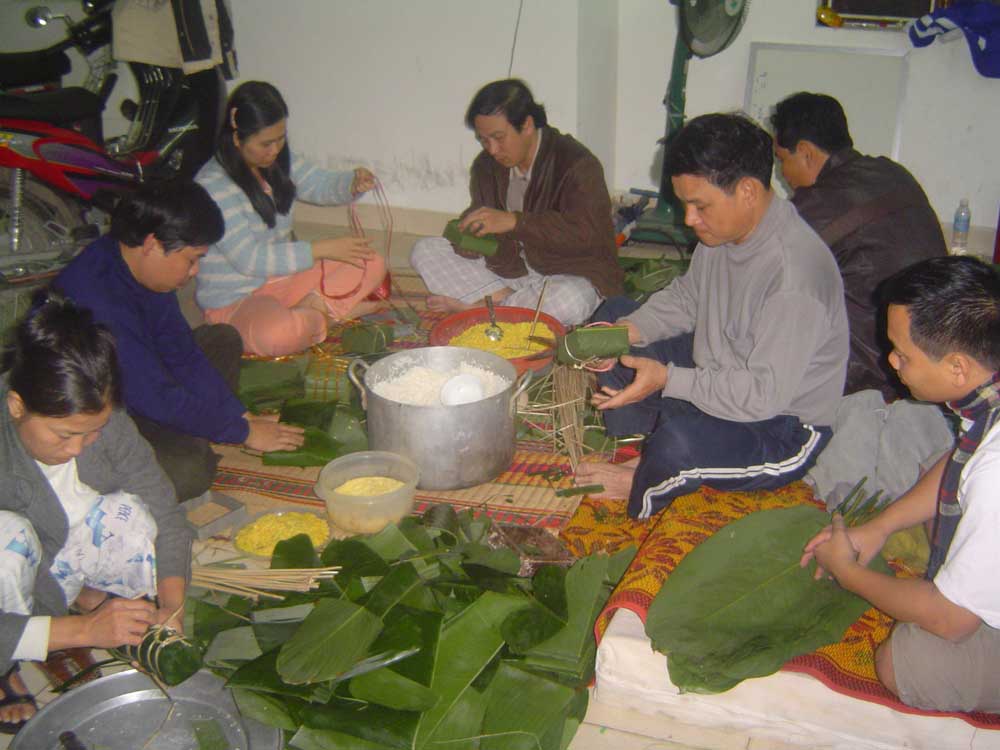 🇻🇳 Vietnam and 5 moreTếtTết Nguyên Đán
The Vietnamese lunisolar new year and the most important annual celebration in VietnamTradition · Luck and prosperity · Speaking with spirits and the dead Living
🇨🇳 China and 4 moreKitchen God灶君
The Chinese hearth deity who reports domestic conduct to the Jade EmperorBeing · Protection · Luck and prosperity Living
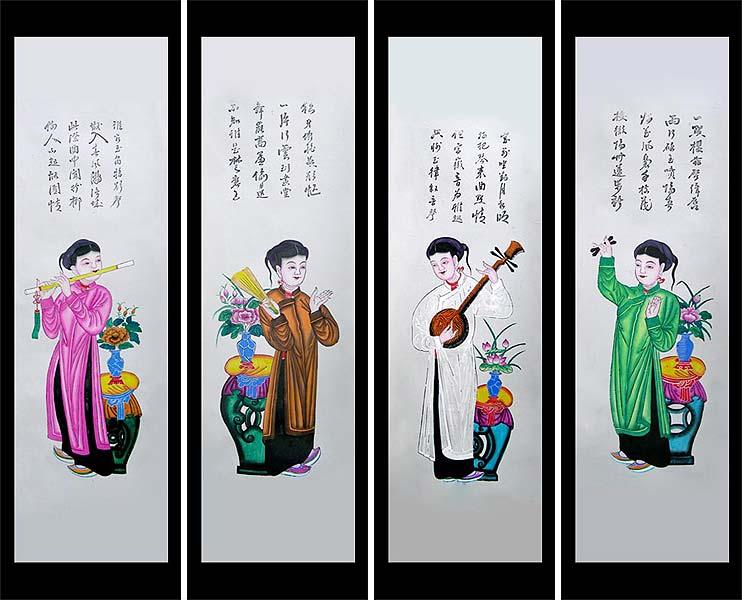 🇻🇳 Vietnam and 1 moreVietnamese folk religiontín ngưỡng dân gian Việt Nam
A collection of local spirit worship and ancestral veneration in VietnamTradition · Protection · Healing Living
 🇨🇳 China and 5 moreGuanyin觀音 (Guānyīn)
The Bodhisattva of compassion, worshipped across East Asia as a listener to human sufferingBeing · Protection · Healing Living
 🇹🇭 Thailand and 7 moreSpirit house
A small shrine found across Southeast Asia to appease local protective spiritsTradition · Protection · Speaking with spirits and the dead Living
 🇨🇳 China and 5 moreJoss paper金紙
Paper burned as money and goods for ancestors, gods and the deadCharm · Speaking with spirits and the dead · Luck and prosperity Living
 🇺🇦 Ukraine and 4 moreMugwort
An aromatic herb used in folk magic for protection and divinationSubstance · Protection · Seeing and foretelling Living
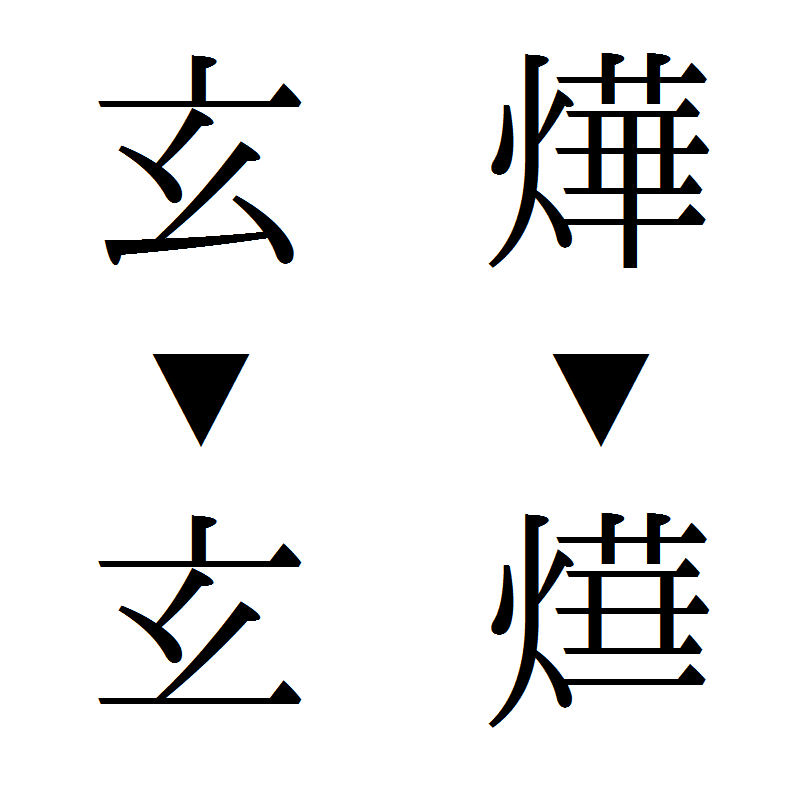 🇨🇳 China and 2 moreNaming taboo避諱
A cultural rule against speaking or writing the names of rulers and ancestorsBelief · Protection Living
 🇨🇳 China and 5 moreTetraphobia
The avoidance of the number four due to its similarity to the word for death in East Asian languagesBelief · Luck and prosperity Living
 🇱🇦 Laos and 3 moreTai folk religionສາສະໜາຜີ
Spirits, ancestor rites, and soul-calling ceremonies of the Tai peoplesTradition · Protection · Healing Living
 🇻🇳 Vietnam and 2 moreVietnamese numismatic charmsBùa Việt Nam
Coin-shaped charms used for protection, luck, and ritual in Vietnamese cultureCharm · Protection · Luck and prosperity Historical
 🇰🇷 South Korea and 3 moreKorean numismatic charm열쇠패
Coin-shaped objects used as protective and decorative charms in Korean cultureCharm · Protection · Luck and prosperity Historical
 🇨🇳 China and 2 moreBuddhist coin charm佛教品壓勝錢
Amulets shaped like coins that bear Buddhist symbols and prayers for protection.Charm · Protection · Luck and prosperity Historical
 🇨🇳 China and 1 moreLei Ting curse charm符咒钱
A numismatic charm invoking the thunder god to banish evil spirits.Charm · Protection · Cursing and harm Historical
 🇨🇳 China and 1 moreTaoist coin charm道教品壓生錢
Chinese and Vietnamese numismatic charms used for protection and feng shuiCharm · Protection · Cursing and harm Historical
🇨🇳 China and 1 moreZhengde Tongbao正德通寶
A fantasy cash coin used as a Chinese and Vietnamese amulet for luck and protection.Charm · Luck and prosperity · Protection Living
 🇨🇳 China and 2 moreChinese burial money瘞錢 (yì qián)
Imitations of currency placed in Chinese graves to serve the deceased in the afterlife.Charm · Protection · Luck and prosperity Historical
🇯🇵 Japan and 2 moreJapanese numismatic charm絵銭
Coin-shaped charms from Japan used for protection, luck, and blessings.Charm · Protection · Luck and prosperity Living
 🇨🇳 China and 3 moreMarriage coin charm夫婦和合花錢
Coin-shaped amulets from East Asia that celebrate marriage, fertility, and conjugal harmonyCharm · Protection · Luck and prosperity Historical
 🇨🇳 China and 1 moreConfucian coin charms
Amulets bearing Confucian moral teachings and historical storiesCharm · Protection · Luck and prosperity Historical
 🇬🇷 Greece and 4 moreTutelary deity
A guardian spirit or god assigned to protect a specific place, person, or group.Being · Protection Living
 🇨🇳 China and 5 moreChinese numerology中国数术
A system of interpreting numbers as lucky or unlucky based on their pronunciation in Chinese dialects.Belief · Luck and prosperity Living
 🇨🇳 China and 6 moreRed envelope红包 (hóngbāo)
A cash gift in a red paper cover given during holidays and weddings to share good fortuneTradition · Luck and prosperity · Protection Living
 🇻🇳 VietnamBà Chúa Kho
A Vietnamese temple where a grain goddess is asked for prosperityBeing · Luck and prosperity Living
 🇻🇳 Vietnam and 1 moreÔng Trời
A sky god of Vietnamese folk religion, later linked to the Taoist Jade EmperorBeing · Protection · Power and authority Living
 🇨🇳 China and 1 moreCash coins in feng shui古銅錢的風水
Old Chinese square-holed coins, hung or carried to draw luck and bar harmCharm · Luck and prosperity · Protection Living
 🇨🇳 China and 5 moreShui Wei Sheng Niang水尾圣娘; เจ้าแม่ทับทิม
A Hainanese goddess of the sea, worshipped by fishermen and diaspora communities in Southeast Asia.Being · Protection · Luck and prosperity Living
 🇻🇳 Vietnam and 3 moreWhale worshipCá Ông
A folk practice across East and Southeast Asia honoring cetaceans as divine protectors of fishermenTradition · Protection · Luck and prosperity Living
 🇯🇵 Japan and 4 moreKṣitigarbhaक्षितिगर्भ
A bodhisattva vowed to empty the hells and guard children, shown with a staff and jewel.Being · Protection · Speaking with spirits and the dead Living
 🇻🇳 VietnamThe Four ImmortalsTứ bất tử
Four chief spirits of the Vietnamese Red River Delta pantheonBeing · Power and authority Living
 🇻🇳 VietnamBà Chúa Xứ婆主處
A Mekong Delta goddess of prosperity, asked for trade, health and fertilityBeing · Protection · Luck and prosperity Living
 🇻🇳 VietnamCây nêuCây nêu (chữ Nôm: 核標)
A bamboo pole raised to keep evil spirits away during the Lunar New Year in VietnamTradition · Protection Living
 🇨🇳 China and 3 moreCash方孔錢
A round copper coin with a square hole used in China and East Asia for two millennia.Charm · Luck and prosperity · Speaking with spirits and the dead Living
🇻🇳 VietnamVietnamese ghostsHồn ma
Wandering spirits in Vietnam, and the rites held to feed or calm themBeing · Protection · Speaking with spirits and the dead Living
Photo credits on this page
The small pictures above come from Wikimedia Commons under free licences. Some are cropped to fit.
- Chinese numerology: Sarang, Public domain, source
- Kṣitigarbha: སངས་རྒྱས་བཅོམ་ལྡན་འདས།, Public domain, source
- Vietnamese folk religion: Unknown (traditional painting dated back to the 17th century), Public domain, source
- The Four Immortals: Vietnamese artist, Public domain, source
- Vietnamese numismatic charms: Jean-Michel Moullec, CC BY 2.0, source
- Korean numismatic charm: Unknown author(s)., Public domain, source
- Naming taboo: Haruno Akiha, Public domain, source
- Lei Ting curse charm: Donald_Trung, CC BY-SA 4.0, source
- Joss paper: Vmenkov, CC BY-SA 3.0, source
- Bà Chúa Xứ: Phương Huy, CC BY-SA 4.0, source
- Buddhist coin charm: Scott Semans, CC BY 3.0, source
- Mugwort: Prahlad balaji, CC BY-SA 4.0, source
- Rainmaking: George Catlin, Public domain, source
- Spirit house: Chainwit., CC BY-SA 4.0, source
- Brownie: Unknown author, CC BY-SA 2.5, source
- Cash coins in feng shui: No machine-readable author provided. Galopin~commonswiki assumed (base, CC BY-SA 3.0, source
- Bà Chúa Kho: _Tam_quan_den_Ba_Chua_Kho_(Bac_Ninh).jpg : hqhuyanh, CC BY 1.0, source
- Chinese burial money: Gary Todd, CC0, source
- Marriage coin charm: Scott Semans, CC BY 3.0, source
- Guanyin: JL Cogburn, CC BY-SA 2.0, source
- Tết: vi:Lưu Ly, Public domain, source
- Confucian coin charms: Jean-Michel Moullec, CC BY 2.0, source
- Cây nêu: vi:Phạm Xuân Nguyên, CC BY-SA 3.0, source
- Tai folk religion: ( เทวประภาส มากคล้าย ), Tevaprapas, Public domain, source
- Whale worship: Bùi Thụy Đào Nguyên, CC BY-SA 3.0, source
- Tetraphobia: Halowand, CC BY-SA 3.0, source
- Taoist coin charm: Etnografiska Museet, CC BY 2.5, source
- Red envelope: Oldie~commonswiki, Public domain, source
- Cash: User 冷玉 on zh.wikipedia, CC BY-SA 3.0, source
- Ông Trời: Bùi Thụy Đào Nguyên, CC BY-SA 3.0, source
- Chinese guardian lions: Pvt pauline, CC BY-SA 3.0, source
- Shui Wei Sheng Niang: Maya-Anaïs Yataghène, CC BY 2.0, source
The weekly digest
Every Monday: seven entries you may not know, what is on the calendar this week, and one rite drawn step by step.