
Cây nêu
In its own language: Cây nêu (chữ Nôm: 核標)
A bamboo pole raised to keep evil spirits away during the Lunar New Year in Vietnam
The cây nêu is a traditional marker used by the Viet people and other ethnic groups in Vietnam. It is erected before the Tết Nguyên Đán to ward off malevolent forces while the Kitchen Gods are absent.
- Bamboo pole wards off evil spirits during Tết Nguyên Đán
- Erected when Kitchen Gods return to heaven
- Removed on the seventh day of the first lunar month
- Used by Viet, Tày, Nùng, Hmong, and San Diu peoples
What it is
The cây nêu is a tall bamboo pole set up as a protective barrier against evil spirits. It serves as a spiritual fence for the home during the most important holiday in Vietnam. The structure is simple but carries significant weight in local custom. It stands outside the house to keep bad luck from entering.
Where it comes from
This practice is rooted in the belief that the Kitchen Gods leave Earth for heaven during the New Year period. Without their protection, malevolent forces might disturb the household. The pole acts as a substitute guardian until the gods return. Different ethnic groups have adapted this custom over time.
How it is done
Families cut down a fresh bamboo stalk and erect it on their property. The Viet people typically do this on the twenty-third day of the twelfth lunar month. Other groups like the Tày and Nùng may wait until the thirtieth day. The Hmong build theirs for the Gầu Tào festival. The San Diu raise theirs for the Cầu Mùa Festival.
Tools and materials
The primary material is a single bamboo stalk. The simplicity of the object highlights its function as a natural barrier.
Cây nêu, drawn and placed
- Living
- Revived
- Fading
- Historical
- Legendary
- Performed
- Lineage
- Vietnamese folk tradition
- Timing
- before Tết Nguyên Đán
What it is for
The main goal is to prevent evil spirits from harming the family or disturbing their peace. It is believed to protect the home while the divine guardians are away. It also marks the transition into the new year with a sense of security.
Who does it
Households across various ethnic communities participate in this tradition. The Viet people, Tày, Nùng, Hmong, and San Diu all observe variations of the rite.
Peoples and places
The Viet people are the primary practitioners, setting up the pole before the Lunar New Year. In northern mountainous regions, the Tày and Nùng follow similar customs. The Hmong use the pole for the Gầu Tào festival, while the San Diu incorporate it into the Cầu Mùa Festival. Each group adjusts the timing to fit their own calendar.
At a glance: who, where and when
Who does it
Belief worlds
Occasions


What people believe
The custom relies on the journey of Ông Công and Ông Táo to heaven. During their absence, the world is vulnerable to devils. The cây nêu creates a boundary that these spirits cannot cross. It is a physical manifestation of spiritual defense.
When it is done
The Viet people raise the pole on the twenty-third day of the twelfth lunar month. They remove it on the seventh day of the first lunar month, known as Lễ khai hạ. The Tày and Nùng may set it up on the thirtieth day. The Hmong build theirs between the third and fifth days of the first lunar month.
Compare and confuse
The concept resembles the Japanese kadomatsu, which also uses pine branches to welcome spirits. Both traditions use plant materials to mark sacred time and space during the New Year.
Questions people ask about Cây nêu
What is the cây nêu?
It is a bamboo pole raised in Vietnamese homes to keep evil spirits away during the Lunar New Year.
When is it put up?
The Viet people set it up on the twenty-third day of the twelfth lunar month, before the Kitchen Gods leave.
Why is it needed?
It protects the home from devils while the protective Kitchen Gods are in heaven visiting the Jade Emperor.
Good reading and sources
- Cây nêu on WikipediaEncyclopedia
- More photos on Wikimedia CommonsPhotos and video
- Wikidata recordOpen data
The facts on this page come from the Wikipedia article "Cây nêu", written by its contributors and used under the CC BY-SA 4.0 licence, and from its Wikidata record (CC0). EveryJaadu rewrote the text in its own words, with AI assistance, and compares every page with the article to make sure no passage is copied. It may be reused under the same CC BY-SA 4.0 licence with a link back.
It may contain mistakes. Names and customs differ from one community to the next, and some knowledge is closed to outsiders and left out here. This page describes belief and practice. It does not say that any of it works, it is not a how-to, and it is not medical advice. If something is wrong, tell us. Last refreshed 2026-10-11.
More from Vietnam
All the entries from Vietnam 🇻🇳 VietnamĐạo Mẫu
A Vietnamese shamanic tradition honouring mother goddesses through ritual performance.Tradition · Speaking with spirits and the dead · Power and authority Living
🇻🇳 VietnamĐạo Mẫu
A Vietnamese shamanic tradition honouring mother goddesses through ritual performance.Tradition · Speaking with spirits and the dead · Power and authority Living
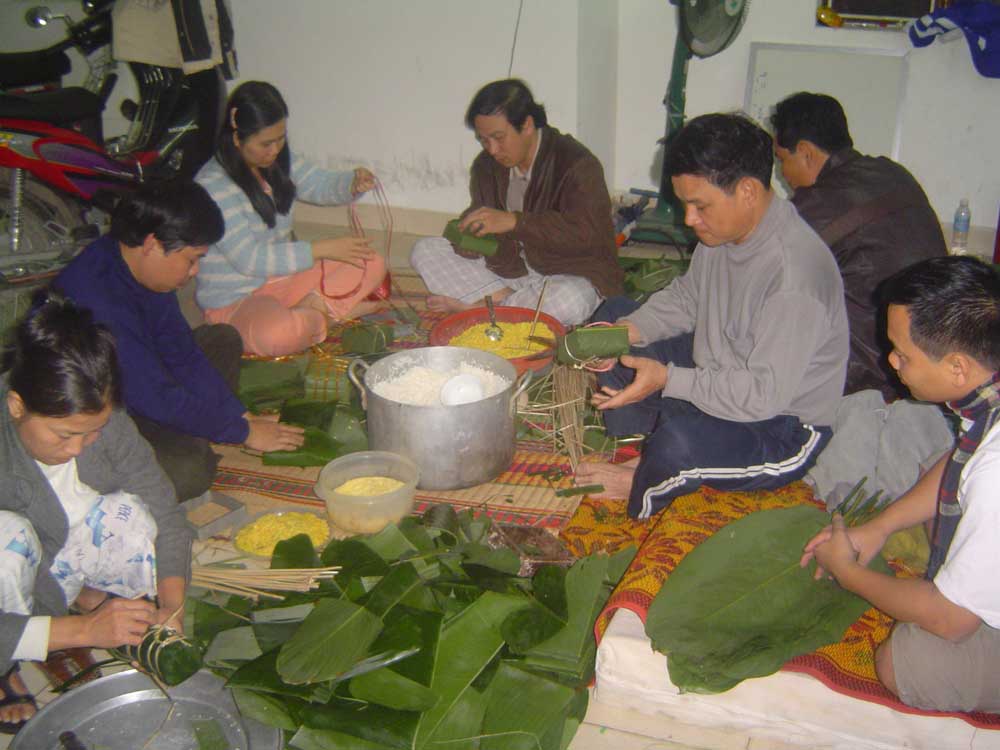 🇻🇳 Vietnam and 5 moreTếtTết Nguyên Đán
The Vietnamese lunisolar new year and the most important annual celebration in VietnamTradition · Luck and prosperity · Speaking with spirits and the dead Living
🇻🇳 Vietnam and 5 moreTếtTết Nguyên Đán
The Vietnamese lunisolar new year and the most important annual celebration in VietnamTradition · Luck and prosperity · Speaking with spirits and the dead Living
 🇻🇳 Vietnam and 1 moreVietnamese folk religiontín ngưỡng dân gian Việt Nam
A collection of local spirit worship and ancestral veneration in VietnamTradition · Protection · Healing Living
🇻🇳 Vietnam and 1 moreVietnamese folk religiontín ngưỡng dân gian Việt Nam
A collection of local spirit worship and ancestral veneration in VietnamTradition · Protection · Healing Living
 🇱🇦 Laos and 3 moreTai folk religionສາສະໜາຜີ
Spirits, ancestor rites, and soul-calling ceremonies of the Tai peoplesTradition · Protection · Healing Living
🇱🇦 Laos and 3 moreTai folk religionສາສະໜາຜີ
Spirits, ancestor rites, and soul-calling ceremonies of the Tai peoplesTradition · Protection · Healing Living
Related elsewhere
All tradition 🇪🇬 Egypt and 1 moreSphinx
A composite creature of human head and lion body found in Egyptian and Greek mythBeing · Protection Legendary
🇪🇬 Egypt and 1 moreSphinx
A composite creature of human head and lion body found in Egyptian and Greek mythBeing · Protection Legendary
 🇧🇪 Belgium and 2 moreHorseshoe
A metal shoe for a horse's hoof and a talisman of good fortuneCharm · Protection · Luck and prosperity Living
🇧🇪 Belgium and 2 moreHorseshoe
A metal shoe for a horse's hoof and a talisman of good fortuneCharm · Protection · Luck and prosperity Living
 🇪🇬 Egypt and 3 moreAmulet
A portable object worn or carried to ward off harm and invite fortuneCharm · Protection · Luck and prosperity Living
🇪🇬 Egypt and 3 moreAmulet
A portable object worn or carried to ward off harm and invite fortuneCharm · Protection · Luck and prosperity Living
 🇹🇷 Turkey and 5 moreEvil eye
A curse caused by an envious look and the charms used to block itBelief · Protection · Cursing and harm Living
🇹🇷 Turkey and 5 moreEvil eye
A curse caused by an envious look and the charms used to block itBelief · Protection · Cursing and harm Living