🇫🇷 Magic in France
179 entries from France, best known first, across 80 places of magic.
French folklore weaves together medieval epic poetry, troubadour songs, and literary fairy tales with regional legends of spirits and monsters. These stories reflect a blend of chivalric ideals, rustic humor, and supernatural beliefs that have shaped the cultural identity of France.
- Charles Perrault wrote Cinderella and Little Red Riding Hood in 1697
- Morgan le Fay appears in Charlemagne epics as a magical figure
- Reynard the fox is a famous trickster in French mock epics
- Troubadours sang songs of courtly love in southern France
- Cheval Mallet is an evil horse that tempts travelers at night
Overview
The magical traditions of France emerge from a mix of oral storytelling and written literature. Medieval poets composed songs about courtly love and heroic deeds, while later writers collected folk tales for aristocratic audiences. The region is known for its legendary creatures and spirits, which often appear in local myths and historical epics. These narratives connect the everyday life of the people with a world of magic and wonder, preserving ancient beliefs through modern retellings.
Practices and beliefs
Stories feature trickster animals like Reynard the fox and magical objects such as the sword Durandal. Spirits include the Melusine, a water nymph, and the Lutins, small hobgoblins. Legends speak of dangerous horses like Cheval Mallet that lure travelers to their doom. Other beings include the Dames Blanches, white ladies who serve as omens, and the Matagot, a cat-like spirit associated with fortune or misfortune.
Rites and charms
Festivals and customs included processional giants and bear games. The figure of Père Fouettard appears in winter traditions, serving as a disciplinary character alongside Saint Nicholas. Seasonal celebrations often involved the Wild Hunt, a spectral procession of hunters across the sky. Local communities also honored specific saints and spirits through annual gatherings and ritual dances.
Who practises
Troubadours in the south and trouvères in the north were poet-musicians who performed songs of chivalry and love. Later, collectors like Charles Perrault and Marie Catherine d'Aulnoy transformed oral tales into literary works. These authors did not practice magic but preserved the narratives of common people, adapting them for elite readerships and ensuring their survival in print.
Regions and communities
Southern France produced Occitan literature and troubadour songs focused on courtly romance. Northern regions developed trouvère poetry and epic tales of Charlemagne. Brittany contributed legends of fairies and water spirits. Different areas maintained distinct mythical creatures and local heroes, reflecting the diverse linguistic and cultural history of the country.
The calendar
Winter festivals featured the figure of Père Fouettard, who punished naughty children. Spring and summer saw performances by troubadours celebrating love and war. Harvest time often included communal feasts and dances honoring local spirits. Specific dates were marked by the appearance of feu follet, or will-o'-the-wisp lights, believed to guide or mislead travelers at night.
Law and the state
No specific legal status or persecution is detailed in the provided text. The focus remains on literary and folkloric expressions rather than legal frameworks or state intervention in magical practices.
Today
French fairy tales remain popular through literary collections and adaptations. Modern interest in folklore continues through academic study and cultural tourism. Regional legends are preserved in museums and local festivals, keeping the memory of mythical creatures and medieval epics alive for new generations.
The facts in this overview come from the Wikipedia article "French folklore", written by its contributors and used under the CC BY-SA 4.0 licence. EveryJaadu rewrote the text in its own words, with AI assistance, and compares every page with the article to make sure no passage is copied. It may be reused under the same CC BY-SA 4.0 licence with a link back.
Places of magic in France
 🇮🇶 Iraq and 4 moreAstrology
A system of divination that links human affairs to the positions of celestial bodiesTradition · Seeing and foretelling · Luck and prosperity Living
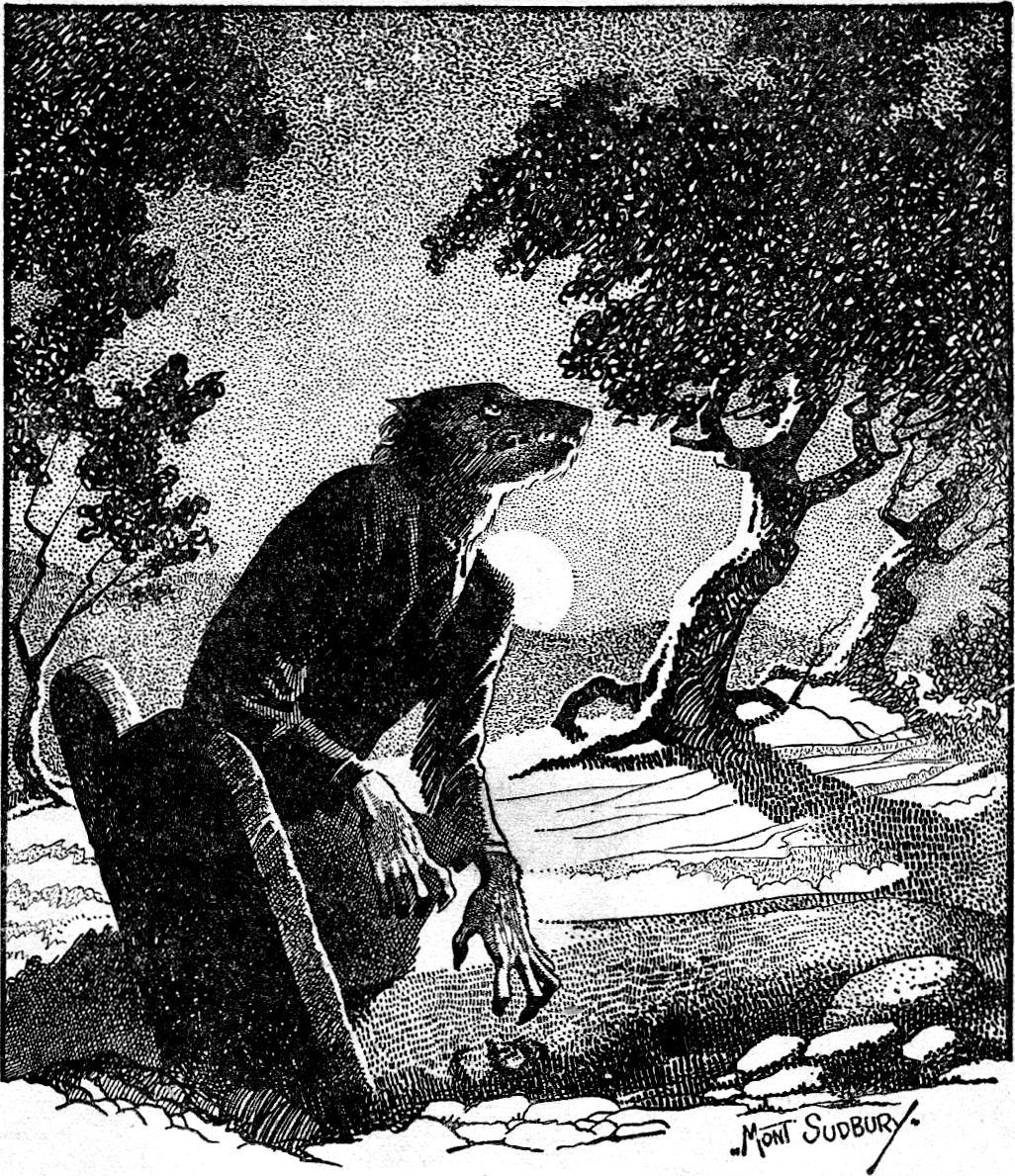 🇨🇭 Switzerland and 5 moreWerewolf
A figure in folklore who transforms into a wolf or hybrid beastFigure · Cursing and harm Legendary
 🇪🇸 Spain and 5 moreSt John's Eve
A Christian vigil marked by bonfires and plant gathering on the summer solstice eveRite · Protection · Speaking with spirits and the dead Living
 🇮🇪 Ireland and 5 moreBonfire
A large outdoor fire used in seasonal festivals and religious feasts across many culturesRite · Cleansing and purification · Speaking with spirits and the dead Living
 🇮🇹 Italy and 3 moreEusapia Palladino
An Italian medium whose séances were investigated by leading scientists and magicians in the late nineteenth century.Illusion · Wonder and entertainment · Speaking with spirits and the dead Historical
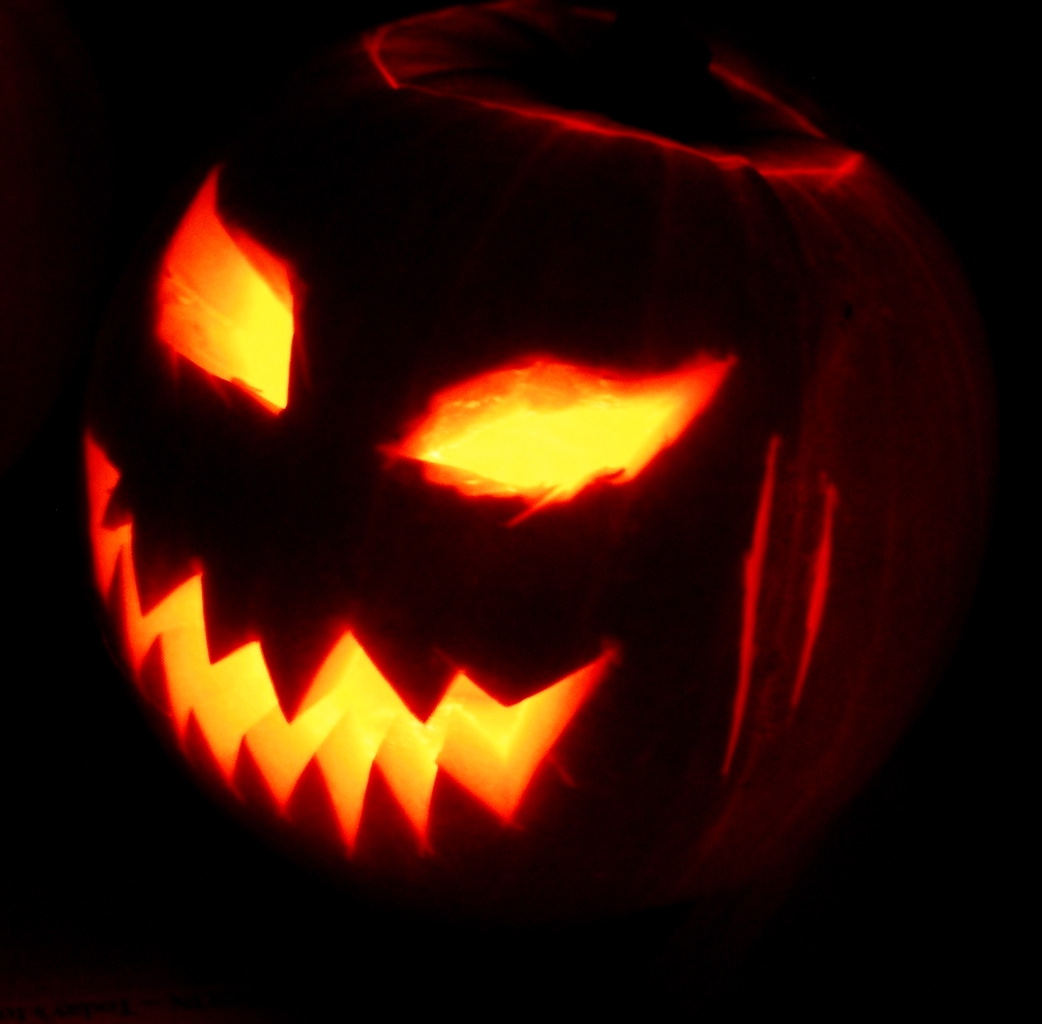 🇮🇪 Ireland and 5 moreHalloween
A Christian vigil on 31 October for the dead, now marked by costumes and carved vegetablesRite · Speaking with spirits and the dead · Protection Living
 🇩🇪 Germany and 2 moreFranz Anton Mesmer
A German physician who proposed a universal fluid of natural energy and founded mesmerism.Tradition · Healing Historical
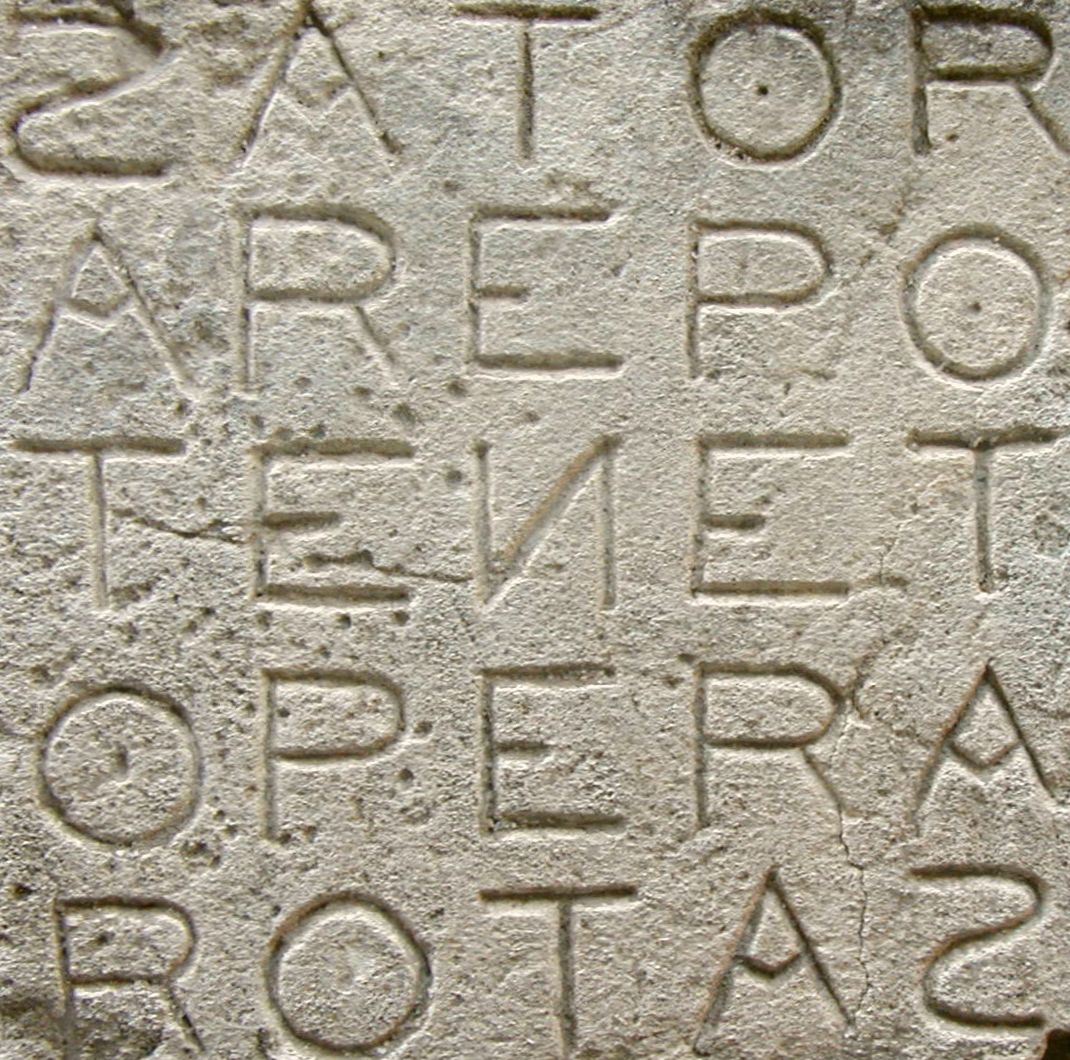 🇮🇹 Italy and 5 moreSator Square
A five-word Latin palindrome found in Roman ruins and medieval churchesCharm · Protection · Healing Historical
 🇫🇷 FranceCartomancy
Divination using playing cards or tarot decks to foresee the futureOracle · Seeing and foretelling · Luck and prosperity Living
 🇫🇷 FranceLady of the LakeDame du Lac
A water spirit who raises knights and captures wizards in Arthurian talesFigure · Protection · Cursing and harm Legendary
🇬🇧 United Kingdom and 1 moreBugbear
A medieval English creature used to frighten children into obedienceFigure · Cursing and harm Legendary
 🇮🇪 Ireland and 5 moreFairy ring
A natural ring of mushrooms surrounded by folklore about dancing spirits and witches.Belief · Wonder and entertainment Living
 🇫🇷 France and 5 moreRevenant
An animated corpse or spirit that returns from the grave to haunt the livingBeing · Cursing and harm Legendary
 🇮🇹 Italy and 3 moreSaturnalia
An ancient Roman winter festival of role reversal and feasting in honor of SaturnTradition · Luck and prosperity · Wonder and entertainment Historical
 🇮🇶 Iraq and 5 moreGrimoire
A textbook containing instructions for spells, rituals, and the creation of magical objects.Text · Protection · Healing Historical
 🇬🇧 United Kingdom and 3 moreHobby horse
A costumed character made from wood or cloth used in seasonal folk customs and processions.Illusion · Luck and prosperity · Wonder and entertainment Living
 🇩🇪 Germany and 5 moreWild Hunt
A spectral chase across Europe led by a mythic figure and ghostly riders.Belief · Cursing and harm Historical
 🇫🇷 France and 5 moreKardecist SpiritismSpiritisme
A French spiritualist doctrine based on communication with spirits and reincarnation.Tradition · Speaking with spirits and the dead · Protection Living
 🇫🇷 France and 5 moreYule log
A large wooden log burned in the hearth during winter festivals across Europe and North America.Tradition · Protection · Luck and prosperity Living
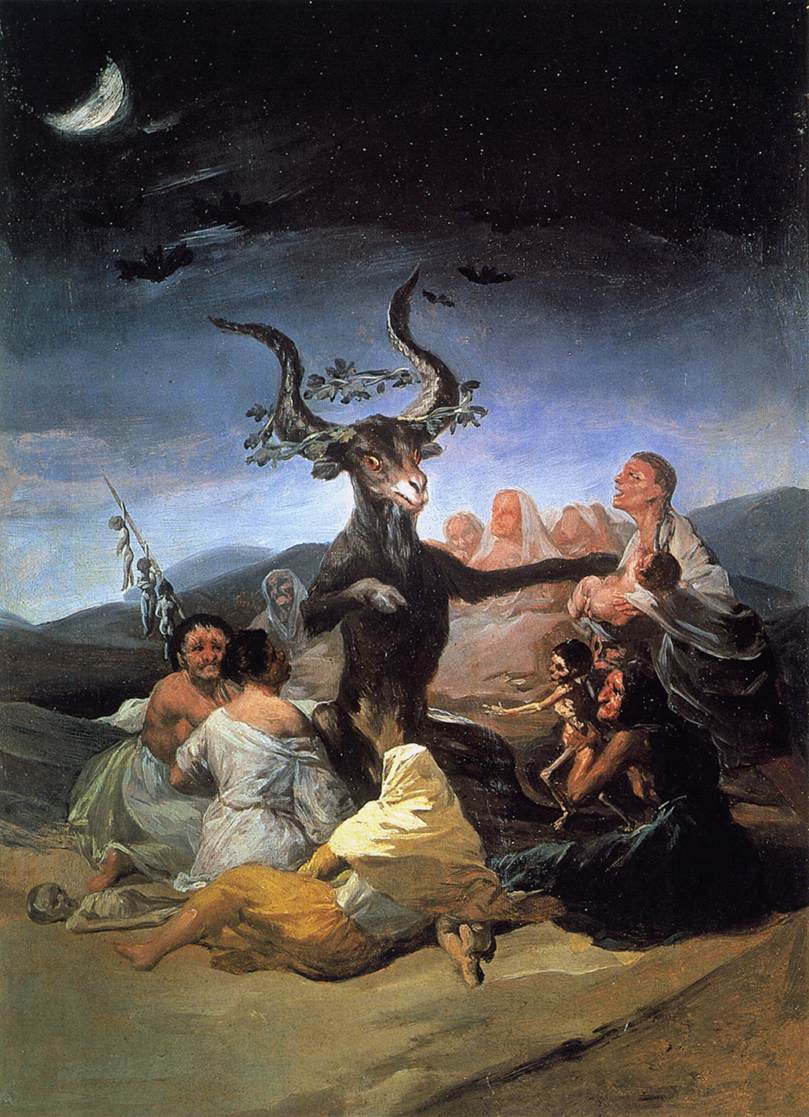 🇫🇷 France and 3 moreWitches' Sabbath
A legendary gathering of witches described in early modern trial records and folkloreBelief · Cursing and harm Historical
 🇺🇸 United States and 3 moreDowsing
A divination method using rods or twigs to locate hidden objects and waterBelief Living
 🇬🇧 United Kingdom and 5 moreDruidry
A modern nature religion inspired by ancient Celtic priests and Romantic idealsTradition · Protection · Speaking with spirits and the dead Living
 🇻🇳 Vietnam and 4 moreLên đồng
A Vietnamese ritual where mediums enter trance to channel spiritsRite · Speaking with spirits and the dead · Protection Living
🇫🇷 France and 4 moreRéveillon
A long Christmas or New Year's Eve dinner held to stay awake until morningTradition · Luck and prosperity · Wonder and entertainment Living
 🇺🇸 United States and 5 moreFriday the 13th
A Western superstition that a specific calendar combination brings misfortuneBelief · Cursing and harm Living
 🇲🇦 Morocco and 5 moreGnawa musicڭْناوة or كْناوة
A Moroccan ritual music tradition rooted in West African heritage and Islamic practiceTradition · Healing · Speaking with spirits and the dead Living
 🇬🇧 United Kingdom and 4 moreCorn dolly
A straw figure made from the last sheaf of a harvest to house the crop spiritTradition · Protection · Luck and prosperity Revived
🇬🇧 United Kingdom and 4 moreTelling the bees
A Western European custom of informing hives about major household eventsTradition · Protection · Luck and prosperity Living
 🇺🇸 United States and 5 moreMediumship
The practice of mediating communication between the living and spirits of the dead.Tradition · Speaking with spirits and the dead · Healing Living
 🇳🇱 Netherlands and 3 morePig-faced women
A European legend of a woman with the face of a pig, and the charms used to break her curseFigure · Change and initiation Historical
 🇮🇹 Italy and 5 moreEuropean witchcraft
Historical beliefs in harmful magic and the resulting trials across EuropeBelief · Cursing and harm · Protection Historical
 🇺🇸 United States and 2 moreRougarou
A lycanthrope legend from French-speaking communities in North AmericaBeing · Cursing and harm Legendary
 🇮🇹 Italy and 2 moreTarocco Bolognese
A 62-card Italian tarot deck from Bologna used for games and cartomancyText · Wonder and entertainment · Seeing and foretelling Living
🇺🇸 United States and 5 moreFriday the 13th
A Western superstition marking a specific calendar date as unluckyBelief · Cursing and harm Living
🇮🇳 India and 3 moreAstrology
A divinatory practice that links celestial positions to human affairs and earthly eventsTradition · Seeing and foretelling · Luck and prosperity Historical
🇺🇸 United States and 5 moreFriday the 13th
A Western superstition that a specific calendar alignment brings misfortuneBelief · Cursing and harm Living
 🇺🇸 United States and 4 moreTooth fairy
A childhood figure who exchanges lost baby teeth for gifts or coins.Figure · Luck and prosperity Living
 🇫🇷 France and 2 moreMelusineMélusine
A water spirit of French and Luxembourgish lore, known for her serpent form and the castles she built.Figure · Luck and prosperity · Power and authority Legendary
 🇨🇭 Switzerland and 2 moreOrder of the Solar TempleOrdre du Temple solaire
A neo-Templar new religious movement responsible for mass deaths in the 1990s.Tradition · Cursing and harm Historical
 🇫🇷 France and 3 moreLes LavandièresKannerez-Noz
Supernatural washerwomen who wash shrouds or bloodstained clothes for those about to die.Being · Seeing and foretelling Legendary
 🇫🇷 France and 1 moreDusios
A Gaulish spirit type later classified as an incubus demon by early Christian writersBeing · Cursing and harm · Power and authority Historical
 🇫🇷 FranceYan-gant-y-tan
A Breton demon who carries five candles and is said to bring bad luck.Being · Cursing and harm · Wonder and entertainment Historical
 🇫🇷 FranceMargot the fairy
Earthly fairies of Brittany known for dancing, building monuments, and testing human guests.Being · Luck and prosperity · Cursing and harm Historical
 🇫🇷 FrancePetit AlbertSecrets merveilleux de la magie naturelle et cabalistique du petit Albert
An 18th-century French grimoire of natural and cabalistic magic sold to rural householdsText · Protection · Luck and prosperity Historical
 🇫🇷 FranceLou DrapéLo drapet
A legendary white horse from southern France that abducts wandering children.Figure · Cursing and harm · Protection Historical
🇮🇷 Iran and 3 moreAstrology and science
A belief system linking stars to human life, tested and rejected by the scientific communityBelief · Seeing and foretelling · Power and authority Historical
 🇵🇹 Portugal and 5 moreWilgefortisVilgeforte
A bearded female martyr folk saint known for relieving women from unwanted marriages and tribulationsFigure · Protection · Cursing and harm Historical
 🇬🇧 United Kingdom and 4 moreSpiritualism
A metaphysical belief that spirits communicate with the living through mediums.Belief · Speaking with spirits and the dead Living
Photo credits on this page
The small pictures above come from Wikimedia Commons under free licences. Some are cropped to fit.
- Changeling: Henry Fuseli, Public domain, source
- Halloween: Toby Ord, CC BY-SA 2.5, source
- Spiritualism: Internet Archive Book Images, No restrictions, source
- Melusine: GilPe, CC BY-SA 3.0, source
- Order of the Solar Temple: George Stock derivative work: thumperward ( talk ), Public domain, source
- Friday the 13th: Leonardo da Vinci, Public domain, source
- Franz Anton Mesmer: Unknown author, CC BY 4.0, source
- Petit Albert: Albertus Parvus Lucius, CC BY-SA 4.0, source
- Eusapia Palladino: Baldi., Public domain, source
- St John's Eve: Jules Breton, Public domain, source
- Corn dolly: Renata ( talk ), Public domain, source
- Hobby horse: Timkevan at English Wikipedia, Public domain, source
- Lou Drapé: Morburre, CC BY-SA 3.0, source
- European witchcraft: Unknown author, CC BY 4.0, source
- Mediumship: Harvey Metcalfe, Public domain, source
- Astrology: Wilfredor, CC0, source
- Druidry: TheJaySpearing, CC BY-SA 4.0, source
- Sator Square: M Disdero, CC BY-SA 3.0, source
- Wild Hunt: Peter Nicolai Arbo, Public domain, source
- Dusios: Eric Hunt, CC BY-SA 2.5, source
- Fairy ring: User:Mrs skippy, Public domain, source
- Grimoire: Bengt A. Lundberg, CC BY 2.5, source
- Cartomancy: Alma Erdmann, Public domain, source
- Saturnalia: Themadchopper, Antoine-François Callet, CC0, source
- Wilgefortis: Hieronymus Bosch, Public domain, source
- Dowsing: Unknown author, Public domain, source
- Pig-faced women: DubhEire, CC0, source
- Bonfire: S Marshall, CC BY 3.0, source
- Yan-gant-y-tan: Louis Le Breton, Public domain, source
- Werewolf: Mont Sudbury, Public domain, source
- Tooth fairy: Eden, CC BY 2.0, source
- Rougarou: XxxJohnDoExxxx, CC BY-SA 4.0, source
- Wiedergänger: Unknown author, Public domain, source
- Witch-cult hypothesis: Francisco Goya, Public domain, source
- Lên đồng: Khangoii, CC BY-SA 4.0, source
- Gnawa music: Lucyin, CC BY-SA 4.0, source
- Yule log: Pehr Arvid Säve (1811—1887), Public domain, source
- Les Lavandières: Jean-Édouard Dargent, Public domain, source
- Lady of the Lake: Internet Archive Book Images, No restrictions, source
- Tarocco Bolognese: Countakeshi, CC BY-SA 4.0, source
- Kardecist Spiritism: Coprosme, CC BY-SA 4.0, source
The weekly digest
Every Monday: seven entries you may not know, what is on the calendar this week, and one rite drawn step by step.