🇫🇷 Magic in France
179 entries from France, best known first, across 80 places of magic.
French folklore weaves together medieval epic poetry, troubadour songs, and literary fairy tales with regional legends of spirits and monsters. These stories reflect a blend of chivalric ideals, rustic humor, and supernatural beliefs that have shaped the cultural identity of France.
- Charles Perrault wrote Cinderella and Little Red Riding Hood in 1697
- Morgan le Fay appears in Charlemagne epics as a magical figure
- Reynard the fox is a famous trickster in French mock epics
- Troubadours sang songs of courtly love in southern France
- Cheval Mallet is an evil horse that tempts travelers at night
Overview
The magical traditions of France emerge from a mix of oral storytelling and written literature. Medieval poets composed songs about courtly love and heroic deeds, while later writers collected folk tales for aristocratic audiences. The region is known for its legendary creatures and spirits, which often appear in local myths and historical epics. These narratives connect the everyday life of the people with a world of magic and wonder, preserving ancient beliefs through modern retellings.
Practices and beliefs
Stories feature trickster animals like Reynard the fox and magical objects such as the sword Durandal. Spirits include the Melusine, a water nymph, and the Lutins, small hobgoblins. Legends speak of dangerous horses like Cheval Mallet that lure travelers to their doom. Other beings include the Dames Blanches, white ladies who serve as omens, and the Matagot, a cat-like spirit associated with fortune or misfortune.
Rites and charms
Festivals and customs included processional giants and bear games. The figure of Père Fouettard appears in winter traditions, serving as a disciplinary character alongside Saint Nicholas. Seasonal celebrations often involved the Wild Hunt, a spectral procession of hunters across the sky. Local communities also honored specific saints and spirits through annual gatherings and ritual dances.
Who practises
Troubadours in the south and trouvères in the north were poet-musicians who performed songs of chivalry and love. Later, collectors like Charles Perrault and Marie Catherine d'Aulnoy transformed oral tales into literary works. These authors did not practice magic but preserved the narratives of common people, adapting them for elite readerships and ensuring their survival in print.
Regions and communities
Southern France produced Occitan literature and troubadour songs focused on courtly romance. Northern regions developed trouvère poetry and epic tales of Charlemagne. Brittany contributed legends of fairies and water spirits. Different areas maintained distinct mythical creatures and local heroes, reflecting the diverse linguistic and cultural history of the country.
The calendar
Winter festivals featured the figure of Père Fouettard, who punished naughty children. Spring and summer saw performances by troubadours celebrating love and war. Harvest time often included communal feasts and dances honoring local spirits. Specific dates were marked by the appearance of feu follet, or will-o'-the-wisp lights, believed to guide or mislead travelers at night.
Law and the state
No specific legal status or persecution is detailed in the provided text. The focus remains on literary and folkloric expressions rather than legal frameworks or state intervention in magical practices.
Today
French fairy tales remain popular through literary collections and adaptations. Modern interest in folklore continues through academic study and cultural tourism. Regional legends are preserved in museums and local festivals, keeping the memory of mythical creatures and medieval epics alive for new generations.
The facts in this overview come from the Wikipedia article "French folklore", written by its contributors and used under the CC BY-SA 4.0 licence. EveryJaadu rewrote the text in its own words, with AI assistance, and compares every page with the article to make sure no passage is copied. It may be reused under the same CC BY-SA 4.0 licence with a link back.
Places of magic in France
 🇮🇱 Israel and 3 moreGematriaגימטריה
A numeric writing system that assigns numerical values to words and phrases for interpretation.Text · Seeing and foretelling · Power and authority Living
 🇬🇧 United Kingdom and 5 moreAleister Crowley
English occultist and founder of the religion of ThelemaText · Power and authority · Change and initiation Living
 🇪🇬 Egypt and 1 moreCorpus Hermeticum
A collection of Greek writings attributed to Hermes Trismegistus that shaped Western esoteric thoughtText · Speaking with spirits and the dead · Change and initiation Historical
 🇸🇪 Sweden and 4 moreEmanuel Swedenborg
An 18th-century Swedish scientist who became a mystic and claimed to visit the afterlife.Text · Speaking with spirits and the dead · Change and initiation Living
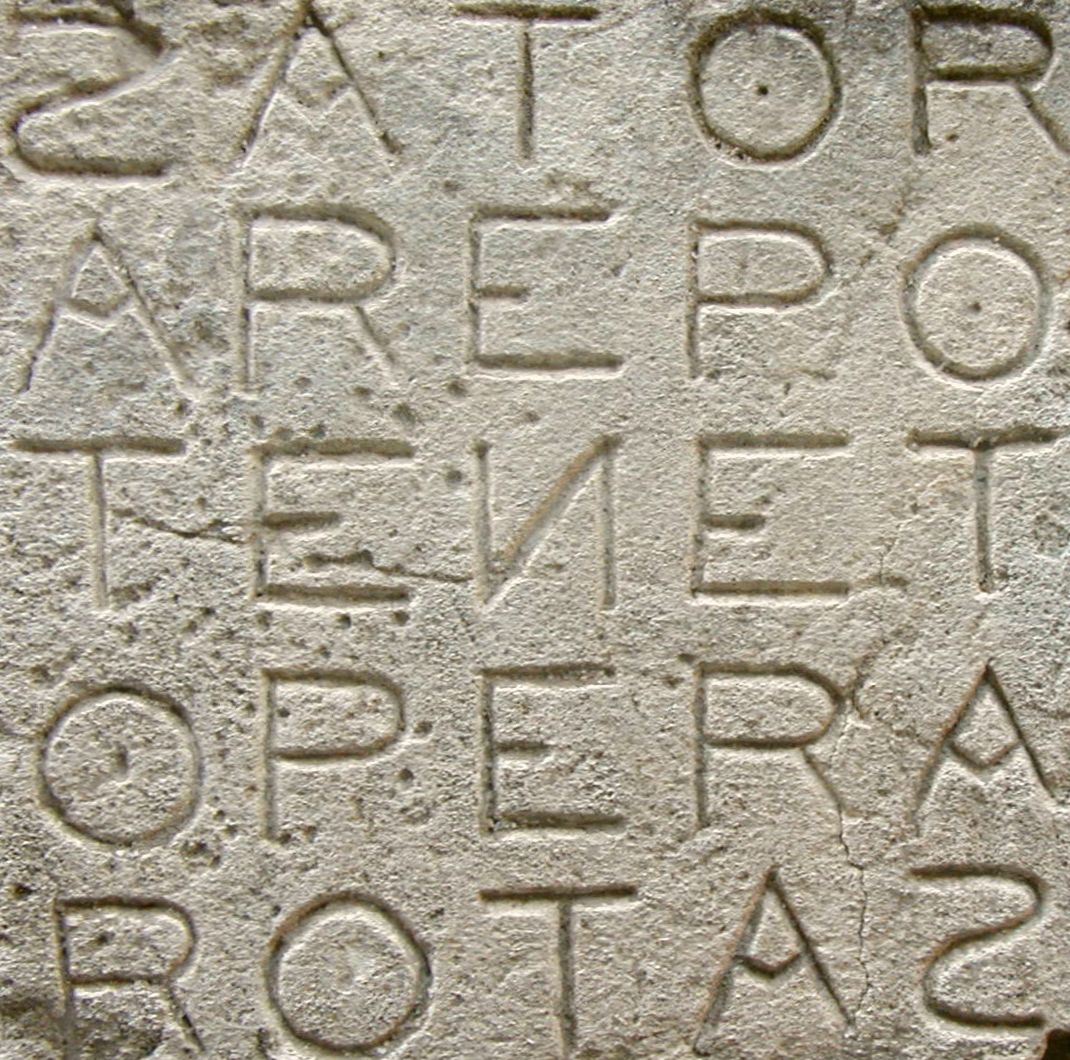 🇮🇹 Italy and 5 moreSator Square
A five-word Latin palindrome found in Roman ruins and medieval churchesCharm · Protection · Healing Historical
🇫🇷 FrancePlanchette
A wooden device for automatic writing used in Victorian spiritualist séancesCharm · Speaking with spirits and the dead · Seeing and foretelling Historical
 🇮🇹 Italy and 1 moreThe Fool
A tarot card of unique status, depicting a wanderer or madman outside the numbered sequence.Text · Wonder and entertainment Historical
🇷🇺 Russia and 3 moreNart sagaНарты кадджытæ
A collection of epic tales from the North Caucasus about a legendary group of heroes.Text · Wonder and entertainment Historical
🇫🇷 FranceEtteilla
The first professional tarot occultist who created a system for card divination.Text · Seeing and foretelling · Power and authority Historical
 🇮🇶 Iraq and 5 moreGrimoire
A textbook containing instructions for spells, rituals, and the creation of magical objects.Text · Protection · Healing Historical
 🇮🇹 Italy and 3 moreRenaissance magic
A 15th and 16th century revival of magical arts blending philosophy, astrology, and hidden knowledge.Tradition · Power and authority · Seeing and foretelling Historical
 🇫🇷 France and 5 moreKabbalahקַבָּלָה
An esoteric school of thought within Judaism focused on the hidden meanings of scripture and the divine.Tradition · Speaking with spirits and the dead · Change and initiation Living
 🇮🇱 Israel and 4 moreIsaac Luriaיִצְחָק בן שלמה אשכנזי לוּרְיָא
A sixteenth-century rabbi who founded modern Kabbalah through oral teachings in Safed.Text · Speaking with spirits and the dead · Change and initiation Living
🇬🇧 United Kingdom and 2 moreThe Holy Blood and the Holy Grail
A 1982 book proposing Jesus had a bloodline protected by a secret societyText · Cursing and harm Historical
 🇪🇸 Spain and 5 moreAlfonso X of Castileel Sabio
A medieval king who sponsored astronomical tables and translated works on magic and astrology.Text · Power and authority · Seeing and foretelling Historical
 🇮🇹 Italy and 4 moreTarottarocchi
A set of cards for games and divination, with roots in fifteenth-century ItalyText · Wonder and entertainment · Seeing and foretelling Living
 🇫🇷 France and 1 moreNostradamus
A French astrologer and physician known for his book of poetic propheciesText · Seeing and foretelling · Healing Historical
 🇫🇷 FranceÉliphas Lévi
A French writer who shaped modern occult thought and ceremonial magic.Figure · Power and authority · Change and initiation Historical
 🇪🇬 Egypt and 1 moreDendera zodiac
A carved Egyptian sky map now held in a Paris museumText · Seeing and foretelling · Power and authority Historical
🇨🇦 Canada and 3 moreBardo Thodolབར་དོ་ཐོས་གྲོལ
A Tibetan Buddhist text guiding consciousness through the states between death and rebirthText Living
 🇫🇷 FranceThree Books of Occult PhilosophyDe occulta philosophia libri III
A Renaissance treatise on elemental, celestial, and divine magic by Heinrich Cornelius AgrippaText · Healing · Protection Historical
 🇪🇬 Egypt and 5 moreHermetica
A collection of ancient texts attributed to Hermes Trismegistus covering magic, alchemy and philosophy.Text · Power and authority · Seeing and foretelling Historical
 🇫🇷 FranceLarzac tablet
A lead curse tablet from southern France invoking a goddess against a group of womenText · Cursing and harm Historical
 🇫🇷 FranceChamalières tabletPlomb de Chamalières
A Gaulish lead tablet from a French spa, read as either a curse or a healing prayer.Text · Cursing and harm · Healing Historical
 🇮🇹 Italy and 2 moreTarocco Bolognese
A 62-card Italian tarot deck from Bologna used for games and cartomancyText · Wonder and entertainment · Seeing and foretelling Living
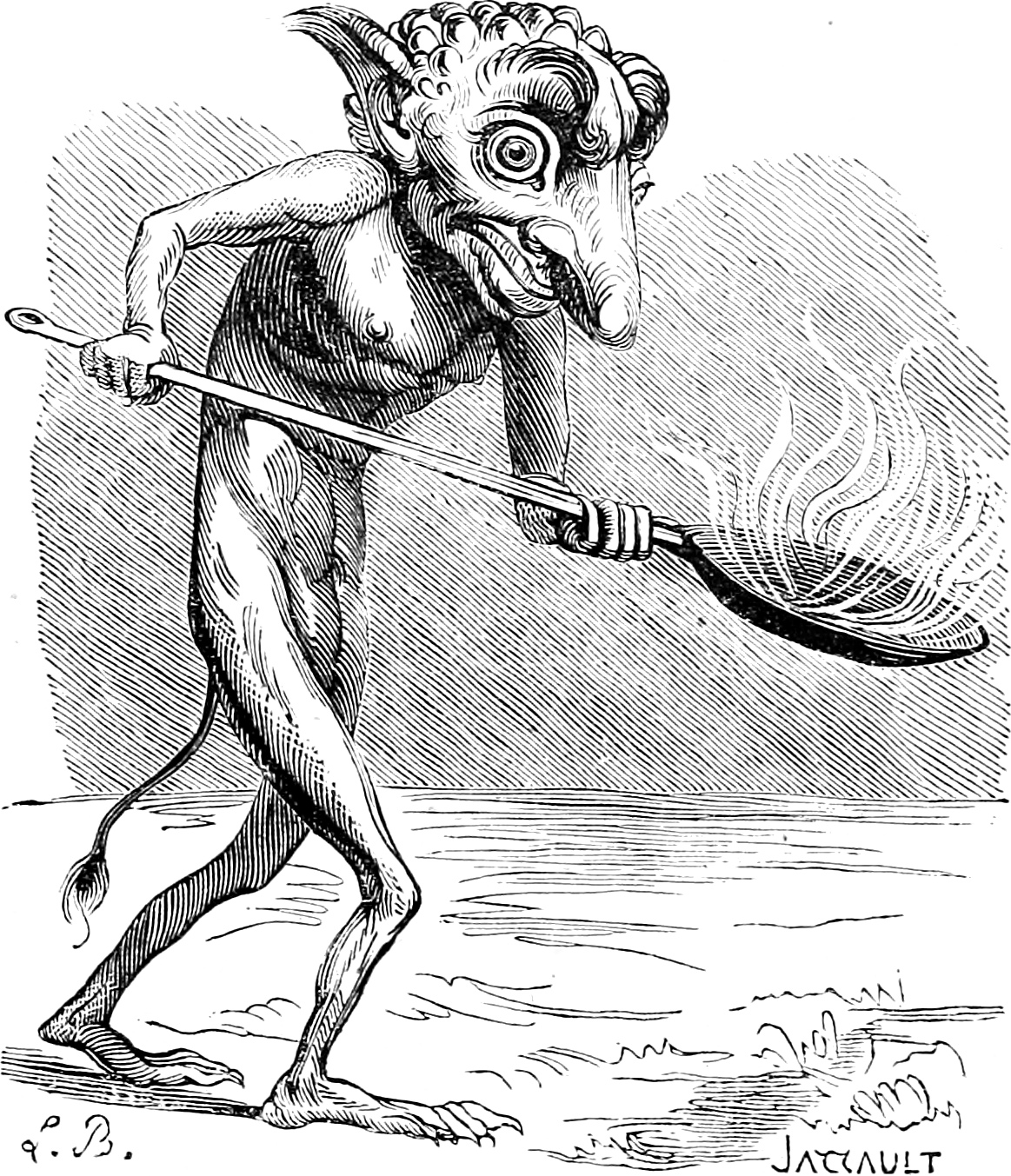 🇫🇷 FranceDictionnaire Infernal
A French demonology book cataloguing spirits and their hierarchies with engravings.Text · Power and authority Historical
🇮🇳 India and 3 moreTermaགཏེར་མ
Hidden teachings in Tibetan Buddhism and Bon, revealed by tertöns when the time is right.Text · Speaking with spirits and the dead · Change and initiation Living
 🇫🇷 France and 1 moreDogme et Rituel de la Haute Magie
A foundational treatise on ritual magic by Éliphas Lévi, structured around the tarot.Text · Power and authority · Wonder and entertainment Historical
 🇫🇷 FranceOn the Demonomania of the SorcerersDe la démonomanie des sorciers
Jean Bodin's 1580 treatise on witches, demons and their prosecutionText · Cursing and harm · Protection Historical
 🇫🇷 FrancePetit AlbertSecrets merveilleux de la magie naturelle et cabalistique du petit Albert
An 18th-century French grimoire of natural and cabalistic magic sold to rural householdsText · Protection · Luck and prosperity Historical
Photo credits on this page
The small pictures above come from Wikimedia Commons under free licences. Some are cropped to fit.
- Emanuel Swedenborg: Carl Frederik von Breda, Public domain, source
- Alfonso X of Castile: Otto Posse (1847-1921), Public domain, source
- Grimoire: Bengt A. Lundberg, CC BY 2.5, source
- Gematria: Bethsheba Ashe, CC BY-SA 4.0, source
- Isaac Luria: Louski1, CC BY-SA 3.0, source
- Hermetica: Jean-Louis Durant (1654-1718), Public domain, source
- Corpus Hermeticum: Marsilio Ficino, Public domain, source
- Petit Albert: Albertus Parvus Lucius, CC BY-SA 4.0, source
- Dendera zodiac: Shonagon, CC0, source
- Chamalières tablet: Unknown, CC BY-SA 4.0, source
- Three Books of Occult Philosophy: Heinrich Cornelius Agrippa, Public domain, source
- The Fool: Johann Georg Rauch, Public domain, source
- Sator Square: M Disdero, CC BY-SA 3.0, source
- Dictionnaire Infernal: Louis Le Breton, Public domain, source
- Aleister Crowley: Aleister Crowley, Public domain, source
- Renaissance magic: Unknown author, Public domain, source
- Larzac tablet: Pankratos, Public domain, source
- Nostradamus: After César de Notre-Dame, Public domain, source
- Kabbalah: Joseph ben Abraham Gikatilla, Paulus Riccius, Leonhard Beck, Public domain, source
- Dogme et Rituel de la Haute Magie: Eliphas Levi, Public domain, source
- Tarot: World Web Playing Card Museum, Public domain, source
- Éliphas Lévi: Eliphas Lévi [1810-1875], Public domain, source
- On the Demonomania of the Sorcerers: Jean Bodin, Public domain, source
- Tarocco Bolognese: Countakeshi, CC BY-SA 4.0, source
The weekly digest
Every Monday: seven entries you may not know, what is on the calendar this week, and one rite drawn step by step.