🇪🇬 Magic in Egypt
176 entries from Egypt, best known first, across 48 places of magic.
Ancient Egyptian religion rested on about 1,500 named deities and on the pharaoh as a divine go-between who kept cosmic order, Ma'at, against chaos, Isfet. Beside state temples, people prayed and used magic to seek help or press the gods to act. Funerary care for the dead ran through the tradition, which was suppressed in Christian times, ended by the 530s, and later gave way to Islam.
- About 1,500 deities are known from ancient Egyptian religion.
- Akhenaten replaced most official gods with the Aten and moved the capital to Amarna.
- The winged sun disk with cobras was a protective sign on temples.
- The Pyramid Texts are a key source for early Egyptian theology.
- Mummification stopped and the religion was considered dead by the 530s.
Overview
Egyptian religion grew from prehistoric roots and lasted about 3,500 years. Its pantheon was not fixed: gods gained or lost rank, and their family ties were rearranged. Different communities venerated their own local gods; when one community absorbed another, the defeated god might be folded into a rival's story or dropped. Scholars have noted close cultural links with Eastern African peoples and an African base, rather than origins in Mesopotamia or the Mediterranean. Some connect the land of Punt, called Ta netjer or God's Land, with the home of certain deities or ancestors. In the New Kingdom, contact brought Near Eastern gods into Egypt, while Nubians took up Egyptian beliefs, especially Amun. Magic and private devotion sat next to temple ritual, not outside it.
Practices and beliefs
People approached the gods with prayer and gifts, and also tried to compel them by magic. Oracles answered questions and guided decisions, and those who read them, the priests, gained wealth and influence. Animal cults became a common form of worship in the first millennium BC. Protective signs were built into sacred spaces: a winged sun disk with cobras appears on temple ceilings and ceremonial entrances. Devotion to Isis increased; she was invoked for safety, for magic and for deliverance, and she became Egypt's leading goddess. The fertility god Min was shown as a bearded man with an erect penis, known from large statues at Koptos.
Rites and charms
Temple rites were state business. The pharaoh was thought to hold divine power and had to keep the gods supplied with offerings, so that Ma'at, right order, would hold and Isfet, chaos, would be pushed back. Funerary customs were equally serious: tombs, grave goods and offerings were prepared to preserve the body and spirit after death. Mummification belonged to this care. Pyramid complexes and mortuary temples replaced earlier tomb forms. The Pyramid Texts, first written in the Old Kingdom, describe solar and Osirian views of the afterlife and preserve older ideas. Akhenaten briefly directed worship to the Aten alone.
Who practises
Formal religion belonged to the pharaoh and the priests. The ruler was seen as a divine figure and a bridge between people and gods, bound to maintain offerings and cosmic order. Over time the priesthood grew more professional, especially at Thebes, where scholars of the temple produced detailed theology about Amun's universal power. Oracle interpreters came from the priesthood; as decisions were increasingly made by consulting oracles, these priests collected wealth and influence. Ordinary people could also act for themselves, praying or using magic to press a god for help, so religious action was not only a temple monopoly.
Regions and communities
Different communities venerated their own local gods, and cult centres shaped national religion. Nekhen in Upper Egypt was a leading site for Horus. Abydos held early royal funerary complexes. Heliopolis linked Atum, Ra, Osiris and Set in one creation story, the Ennead, and later became the heart of the sun cult. Thebes promoted Montu, then Amun, whose temple at Karnak became Egypt's chief religious centre. Behdet in the Delta was tied to Horus and the winged disk. Koptos was associated with Min. Nubians under Egyptian rule adopted Amun as their own.
The calendar
Death shaped the ritual year as far as this account shows: tombs, grave goods and offerings were prepared to keep body and spirit safe, and mummification was part of that care. The Pyramid Texts set out solar and Osirian hopes for the next life. Daily temple service involved prayer and offerings to the gods, and private devotion could happen at any time.
Law and the state
The state could promote or crush a cult. Akhenaten removed official support for most gods, moved the capital to Amarna and let only the Aten receive worship through him; his successors restored the old system and took down Atenist monuments. Temples received huge state resources, and the pharaoh was obliged to fund and perform rites. After Rome took Egypt in 30 BC, the religion became decentralized. In Christian times it was suppressed. Mummification stopped, and the tradition was regarded as fully dead by the 530s.
Today
Egyptian religion ended as a living tradition. Mummification stopped, and the faith was judged fully dead by the 530s. After the Arab conquest under Amr ibn al-As, people in Egypt converted to Islam. Its writings and monuments survive, and they have shaped later and modern cultures.
The facts in this overview come from the Wikipedia article "Ancient Egyptian religion", written by its contributors and used under the CC BY-SA 4.0 licence. EveryJaadu rewrote the text in its own words, with AI assistance, and compares every page with the article to make sure no passage is copied. It may be reused under the same CC BY-SA 4.0 licence with a link back.
Places of magic in Egypt
 🇪🇬 Egypt and 3 moreAmulet
A portable object worn or carried to ward off harm and invite fortuneCharm · Protection · Luck and prosperity Living
🇪🇬 Egypt and 3 moreAmulet
A portable object worn or carried to ward off harm and invite fortuneCharm · Protection · Luck and prosperity Living
 🇪🇬 Egypt and 5 moreHamsaخمسة
A palm-shaped amulet used across North Africa and the Middle East to ward off harm.Charm · Protection · Luck and prosperity Living
🇪🇬 Egypt and 5 moreHamsaخمسة
A palm-shaped amulet used across North Africa and the Middle East to ward off harm.Charm · Protection · Luck and prosperity Living
 🇪🇬 Egypt and 2 moreLibation
The ritual pouring of liquid as an offering to spirits or the deadRite · Speaking with spirits and the dead · Protection Living
🇪🇬 Egypt and 2 moreLibation
The ritual pouring of liquid as an offering to spirits or the deadRite · Speaking with spirits and the dead · Protection Living
 🇸🇩 Sudan and 5 moreIncense
Aromatic plant materials burned to release fragrant smoke for ritual, scent, or timekeeping.Substance · Protection · Speaking with spirits and the dead Living
🇸🇩 Sudan and 5 moreIncense
Aromatic plant materials burned to release fragrant smoke for ritual, scent, or timekeeping.Substance · Protection · Speaking with spirits and the dead Living
 🇪🇬 EgyptScarab
A carved beetle amulet and seal used in ancient Egypt for protection, identity, and ritual.Charm · Protection · Luck and prosperity Historical
🇪🇬 EgyptScarab
A carved beetle amulet and seal used in ancient Egypt for protection, identity, and ritual.Charm · Protection · Luck and prosperity Historical
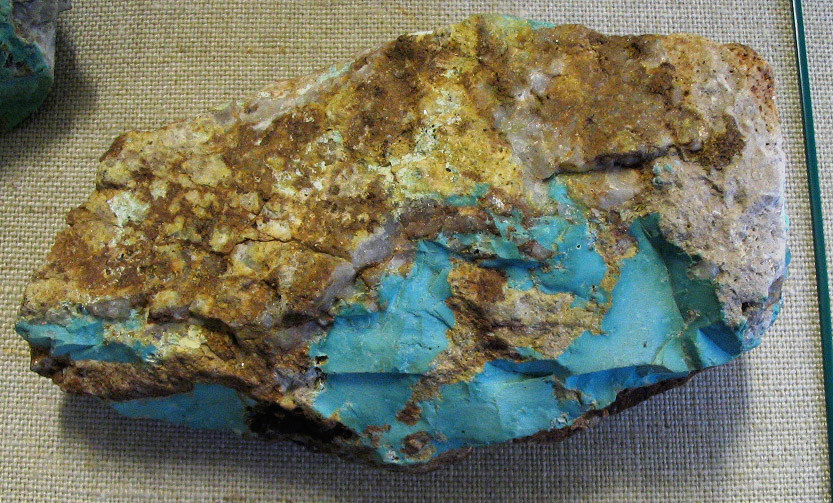 🇮🇷 Iran and 5 moreTurquoise
An opaque blue-green gemstone prized for its color since ancient timesSubstance · Protection · Luck and prosperity Living
🇮🇷 Iran and 5 moreTurquoise
An opaque blue-green gemstone prized for its color since ancient timesSubstance · Protection · Luck and prosperity Living
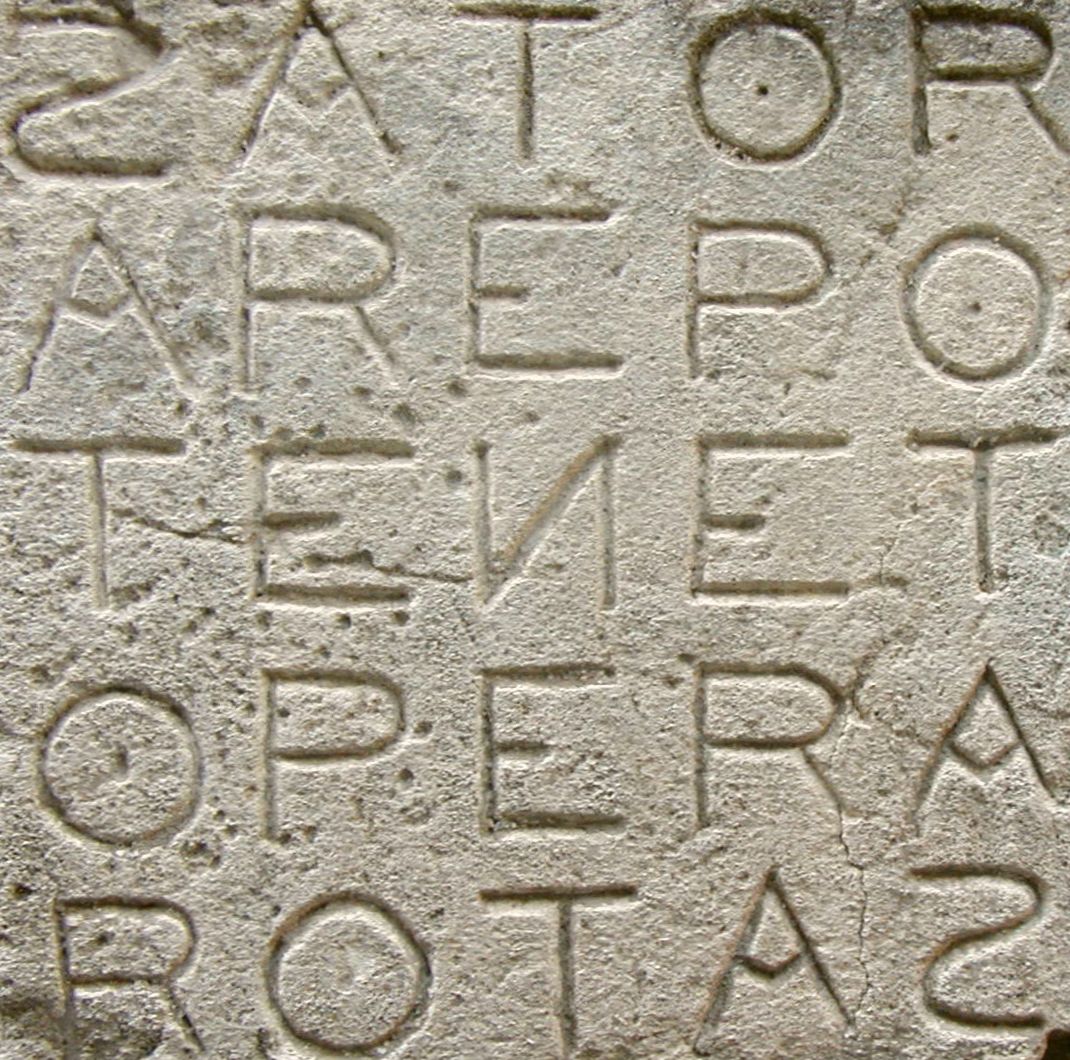 🇮🇹 Italy and 5 moreSator Square
A five-word Latin palindrome found in Roman ruins and medieval churchesCharm · Protection · Healing Historical
🇮🇹 Italy and 5 moreSator Square
A five-word Latin palindrome found in Roman ruins and medieval churchesCharm · Protection · Healing Historical
 🇪🇬 Egypt and 2 moreIsisꜣst (Egyptian)
Egyptian goddess of magic, mourning and kingship, mother of HorusBeing · Protection · Healing Historical
🇪🇬 Egypt and 2 moreIsisꜣst (Egyptian)
Egyptian goddess of magic, mourning and kingship, mother of HorusBeing · Protection · Healing Historical
 🇪🇬 Egypt and 1 moreFoundation deposit
Ritual burial of objects under buildings to protect them from ruinRite · Protection Historical
🇪🇬 Egypt and 1 moreFoundation deposit
Ritual burial of objects under buildings to protect them from ruinRite · Protection Historical
 🇮🇳 India and 5 moreSnake worship
Veneration of serpents as divine or ancestral beings across global culturesTradition · Protection · Healing Living
🇮🇳 India and 5 moreSnake worship
Veneration of serpents as divine or ancestral beings across global culturesTradition · Protection · Healing Living
 🇪🇬 Egypt and 1 moreAncient Egyptian religion
Polytheistic worship, divine kingship, and funerary rites along the NileTradition · Protection · Speaking with spirits and the dead Historical
🇪🇬 Egypt and 1 moreAncient Egyptian religion
Polytheistic worship, divine kingship, and funerary rites along the NileTradition · Protection · Speaking with spirits and the dead Historical
 🇪🇬 Egypt and 3 moreEx-voto
A gift left in a shrine to mark a vow kept or a miracle receivedCharm · Protection · Healing Living
🇪🇬 Egypt and 3 moreEx-voto
A gift left in a shrine to mark a vow kept or a miracle receivedCharm · Protection · Healing Living
 🇪🇬 EgyptDjedḏd
An ancient Egyptian pillar symbol representing stability and resurrectionCharm · Protection · Power and authority Historical
🇪🇬 EgyptDjedḏd
An ancient Egyptian pillar symbol representing stability and resurrectionCharm · Protection · Power and authority Historical
 🇪🇬 EgyptWadjetwꜢḏyt
The green cobra goddess who protected Lower Egypt and the pharaohs.Being · Protection · Power and authority Historical
🇪🇬 EgyptWadjetwꜢḏyt
The green cobra goddess who protected Lower Egypt and the pharaohs.Being · Protection · Power and authority Historical
 🇪🇬 Egypt and 5 moreTalisman
An object believed to channel specific forces for protection, healing, or influence.Charm · Protection · Healing Historical
🇪🇬 Egypt and 5 moreTalisman
An object believed to channel specific forces for protection, healing, or influence.Charm · Protection · Healing Historical
 🇮🇱 Israel and 5 moreTefillinתְּפִלִּין
Black leather boxes containing Torah scrolls, worn by Jewish men during weekday prayers.Charm · Speaking with spirits and the dead · Protection Living
🇮🇱 Israel and 5 moreTefillinתְּפִלִּין
Black leather boxes containing Torah scrolls, worn by Jewish men during weekday prayers.Charm · Speaking with spirits and the dead · Protection Living
 🇮🇶 Iraq and 5 moreGrimoire
A textbook containing instructions for spells, rituals, and the creation of magical objects.Text · Protection · Healing Historical
🇮🇶 Iraq and 5 moreGrimoire
A textbook containing instructions for spells, rituals, and the creation of magical objects.Text · Protection · Healing Historical
 🇮🇪 Ireland and 4 moreWinter solstice
The shortest day and longest night of the year, marked by rites of solar returnTradition · Seeing and foretelling · Protection Living
🇮🇪 Ireland and 4 moreWinter solstice
The shortest day and longest night of the year, marked by rites of solar returnTradition · Seeing and foretelling · Protection Living
 🇪🇬 Egypt and 2 moreAmunjmn (Old/Middle Egyptian); Amoun (Coptic)
The hidden creator god of ancient Egypt, later fused with the sun deity Ra.Being · Power and authority · Protection Historical
🇪🇬 Egypt and 2 moreAmunjmn (Old/Middle Egyptian); Amoun (Coptic)
The hidden creator god of ancient Egypt, later fused with the sun deity Ra.Being · Power and authority · Protection Historical
 🇪🇬 Egypt and 1 moreEye of Horuswḏꜣt
A stylized eye symbol in ancient Egypt representing healing and cosmic orderCharm · Protection · Healing Historical
🇪🇬 Egypt and 1 moreEye of Horuswḏꜣt
A stylized eye symbol in ancient Egypt representing healing and cosmic orderCharm · Protection · Healing Historical
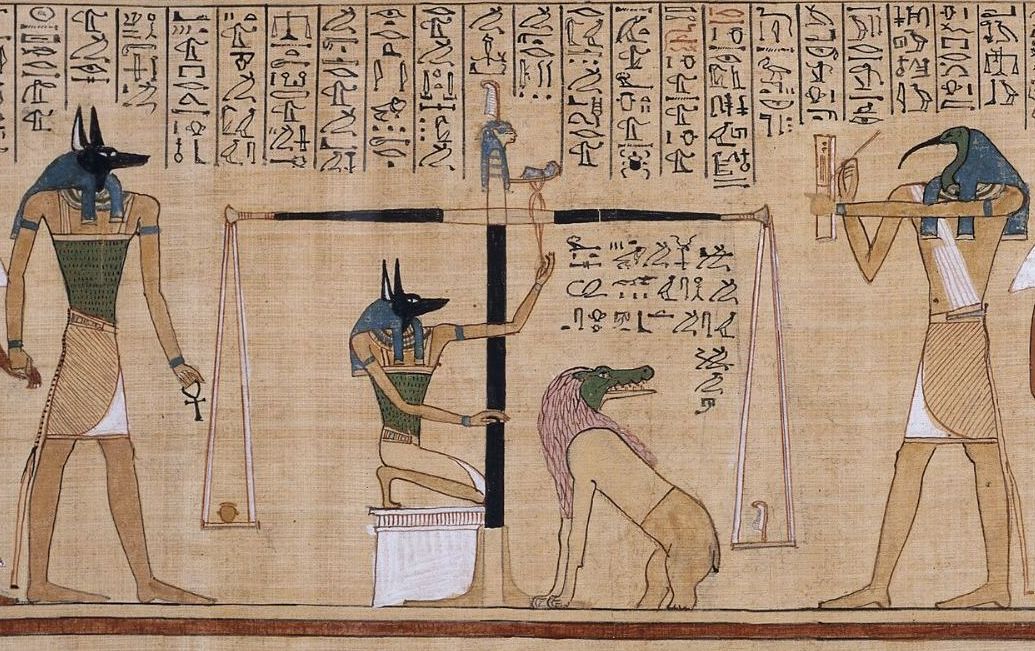 🇪🇬 EgyptAncient Egyptian afterlife beliefs
A system of rituals and texts guiding the soul through the underworld to eternal rebirthTradition · Protection · Speaking with spirits and the dead Historical
🇪🇬 EgyptAncient Egyptian afterlife beliefs
A system of rituals and texts guiding the soul through the underworld to eternal rebirthTradition · Protection · Speaking with spirits and the dead Historical
 🇪🇬 Egypt and 1 moreHypocephalus
An ancient Egyptian disk placed under the head of the dead for protection and rebirthCharm · Protection · Speaking with spirits and the dead Historical
🇪🇬 Egypt and 5 moreAmulet
A portable object worn or carried to ward off harm and invite protection.Charm · Protection · Healing Living
🇪🇬 Egypt and 1 moreHypocephalus
An ancient Egyptian disk placed under the head of the dead for protection and rebirthCharm · Protection · Speaking with spirits and the dead Historical
🇪🇬 Egypt and 5 moreAmulet
A portable object worn or carried to ward off harm and invite protection.Charm · Protection · Healing Living
 🇮🇹 Italy and 5 moreSaint Michael
A Christian archangel who defends the faithful and weighs soulsBeing · Protection · Cursing and harm Living
🇮🇹 Italy and 5 moreSaint Michael
A Christian archangel who defends the faithful and weighs soulsBeing · Protection · Cursing and harm Living
 🇪🇬 EgyptMenatmnj.t
A beaded necklace and rattle linked to Hathor for protection and luck in ancient EgyptCharm · Protection · Luck and prosperity Historical
🇪🇬 EgyptMenatmnj.t
A beaded necklace and rattle linked to Hathor for protection and luck in ancient EgyptCharm · Protection · Luck and prosperity Historical
 🇪🇬 Egypt and 5 moreWorship of heavenly bodies
Veneration of stars, planets, and the sky as divine forces or deitiesTradition · Protection · Power and authority Historical
🇪🇬 Egypt and 5 moreWorship of heavenly bodies
Veneration of stars, planets, and the sky as divine forces or deitiesTradition · Protection · Power and authority Historical
 🇪🇬 Egypt and 1 moreAgathos Daimonἀγαθὸς δαίμων
A noble spirit and serpent deity of Greek and Egyptian traditionBeing · Protection · Luck and prosperity Historical
🇪🇬 Egypt and 1 moreAgathos Daimonἀγαθὸς δαίμων
A noble spirit and serpent deity of Greek and Egyptian traditionBeing · Protection · Luck and prosperity Historical
 🇮🇳 India and 5 moreSailors' superstitions
A global collection of omens, charms and taboos used by mariners to manage the risks of life at seaBelief · Protection · Luck and prosperity Living
🇮🇳 India and 5 moreSailors' superstitions
A global collection of omens, charms and taboos used by mariners to manage the risks of life at seaBelief · Protection · Luck and prosperity Living
 🇮🇳 India and 5 moreLock of hair
A piece of human hair kept for symbolic, sentimental, or superstitious reasons.Substance · Protection · Luck and prosperity Living
🇮🇳 India and 5 moreLock of hair
A piece of human hair kept for symbolic, sentimental, or superstitious reasons.Substance · Protection · Luck and prosperity Living
 🇪🇬 EgyptBarakahبركة
A spiritual blessing power in Islam and Arabic ChristianityBelief · Protection · Power and authority Living
🇪🇬 EgyptBarakahبركة
A spiritual blessing power in Islam and Arabic ChristianityBelief · Protection · Power and authority Living
Photo credits on this page
The small pictures above come from Wikimedia Commons under free licences. Some are cropped to fit.
- Grimoire: Bengt A. Lundberg, CC BY 2.5, source
- Amulet: Anonymous ( Egypt ) Unknown author, Public domain, source
- Libation: Arkady Zarubin ( Аркадий Зарубин ), CC BY-SA 3.0, source
- Incense: nakimusi, CC BY 2.0, source
- Hamsa: Kritzolina, CC BY-SA 4.0, source
- Scarab: Unknown author, CC BY 4.0, source
- Turquoise: Unknown author, Public domain, source
- Ancient Egyptian afterlife beliefs: Hunefer, Public domain, source
- Hypocephalus: rob koopman, CC BY-SA 2.0, source
- Tefillin: Brooklyn Museum, CC BY 3.0, source
- Foundation deposit: Unknown author, CC0, source
- Wadjet: Rama, CC BY-SA 3.0 fr, source
- Winter solstice: Image by Przemyslaw " Blueshade " Idzkiewicz, CC BY-SA 2.0, source
- Djed: Anonymous ( Egypt ) Unknown author, Public domain, source
- Sator Square: M Disdero, CC BY-SA 3.0, source
- Isis: Ägyptischer Maler um 1360 v. Chr., Public domain, source
- Amun: MusikAnimal, CC BY-SA 4.0, source
- Menat: Anagoria, CC BY 3.0, source
- Ex-voto: JTSH26, CC BY-SA 4.0, source
- Sailors' superstitions: Siren Painter (eponymous vase), Public domain, source
- Agathos Daimon: Carole Raddato, CC BY-SA 2.0, source
- Lock of hair: Unknown author, CC0, source
- Snake worship: Alexandermcnabb, CC BY-SA 4.0, source
- Eye of Horus: Tangopaso, Public domain, source
- Worship of heavenly bodies: Jean-Pierre Dalbéra, CC BY 2.0, source
- Saint Michael: Francesco Botticini, Public domain, source
- Talisman: Sasha India, CC BY 2.0, source
- Barakah: عامر شاہین, CC BY-SA 3.0, source
The weekly digest
Every Monday: seven entries you may not know, what is on the calendar this week, and one rite drawn step by step.