Muslim and Sufi: magic in this belief world
Ruqyah, the talisman, the djinn, and the debate over what Islam permits.
In Islam, the Quran is held to be a source of protection and healing, and the faith has a long, debated relationship with talismans, amulets, the djinn and divination. The practice of ruqyah, Quranic recitation for protection or relief, is widely accepted when it uses the Quran and prayer alone. This page covers the range of practice, from Sufi shrines to Salafi critics, and the legal and social stakes. Practice varies from country to country, and between Sunni, Shia and Sufi communities.
What is accepted
Muslim scholars generally accept supplication and recitation of the Quran and the prophetic prayers for protection. The existence of the djinn, beings of smokeless fire, is stated in the Quran, and the evil eye is mentioned in hadith. Protection from the eye and from harm by recitation is common, and recitation for sickness is a regular practice of both laity and imams. The Quran's last two chapters, the Mu'awwidhatayn, are widely recited for protection, and many Muslims keep a Quranic verse in the home or the car.
What is disputed
Writing verses on amulets, using names and letter squares as in the sciences of huruf and awfaq, consulting astrologers, and visiting shrines for intercession divide scholars. Salafi and reformist movements condemn such practices as shirk, associating others with God. Sufi traditions and many popular practices defend them. The Maghreb has a long tradition of written talismans, and West African marabouts supply them. The djinn are discussed by scholars such as Ibn Taymiyya, and by popular preachers, and many Muslims believe that possession by a djinn can occur and that recitation is the proper response.
Law and punishment
Treatment of sorcery varies. In Saudi Arabia, people have been executed for sorcery or witchcraft, and the law there treats it as a serious crime. Elsewhere, courts prosecute fraudulent healers, and in Indonesia and Malaysia the bomoh and dukun are both consulted and criticised. Women are often healers, clients and accused, though men hold most formal religious authority. Many Muslims, especially in South Asia, West Africa, Indonesia and Turkey, visit tombs of saints to ask for help, while others, including Salafis and many modernists, regard this as wrong.
Diaspora and the market
Muslim communities in Europe and North America run ruqyah services, and websites sell talismans. Some exploit the fear of djinn or the evil eye, charging high sums, and abuse in the name of exorcism has been reported in several countries. Scholars note that practice differs sharply by region, class and school of thought. Some Muslims also see the line between permitted and forbidden as clear in principle but hard to keep in daily practice, and think that what matters is that practice does not replace worship of God alone.
Muslim and Sufi on EveryJaadu
The entries written up so far, best known first.
 🇸🇳 Senegal and 5 moreMaraboutmurābiṭ
A Muslim religious leader and teacher in West Africa, often linked to Sufi brotherhoods.Tradition · Protection · Speaking with spirits and the dead Living
 🇮🇳 India and 5 morePilgrimage
A journey to a sacred site for spiritual growth or religious dutyTradition · Healing · Speaking with spirits and the dead Living
 🇺🇸 United States and 4 moreRainmaking
Efforts to induce rain through technology, ritual, or prayer.Tradition · Protection · Healing Living
 🇬🇷 Greece and 5 morePrayer beads
Beaded strands used across religions to track the number of recited prayers or chants.Tradition · Speaking with spirits and the dead · Power and authority Living
 🇳🇿 New Zealand and 5 moreFace tattoo
Marks inked on the face for spiritual protection, identity, rank, and rite of passageTradition · Protection · Power and authority Living
 🇳🇬 Nigeria and 1 moreBoriBòòríí
A traditional Hausa spirit possession system and healing practice in West AfricaTradition · Healing · Protection Living
 🇪🇬 Egypt and 5 moreSacred dance
Movement used in worship to honour deities, heal communities, or connect with the spirit world.Tradition · Protection · Healing Living
 🇵🇭 PhilippinesPhilippine mythology
The indigenous stories and spirits of the Philippines, shaped by centuries of trade and colonization.Tradition · Speaking with spirits and the dead · Power and authority Living
 🇲🇦 Morocco and 5 moreGnawa musicڭْناوة or كْناوة
A Moroccan ritual music tradition rooted in West African heritage and Islamic practiceTradition · Healing · Speaking with spirits and the dead Living
 🇩🇿 Algeria and 1 moreAhmad al-Buniأحمد البوني المالكي
A medieval Sufi scholar known for works on letter mysticism and talismansText · Power and authority · Seeing and foretelling Historical
 🇮🇩 Indonesia and 4 moreKejawènꦏꦗꦮꦺꦤ꧀ (Kajawèn)
A Javanese tradition blending animism, Hinduism, Buddhism and Islam into a path of inner harmony.Tradition · Protection · Speaking with spirits and the dead Living
🇲🇾 Malaysia and 1 moreBomohبوموه
A Malay traditional healer and spirit worker found in Malaysia and Indonesia.Tradition · Healing · Protection Living
 🇪🇹 Ethiopia and 5 moreZārزار (Arabic), ዛር (Ge'ez)
A spirit possession tradition and healing ritual in the Horn of Africa and Middle EastTradition · Healing · Speaking with spirits and the dead Living
 🇪🇸 Spain and 5 moreIbn Arabiمحيي الدين أبو عبد الله محمد بن علي بن عربي الحاتمي الطائي
A medieval Andalusian mystic and philosopher whose teachings shaped Sufi metaphysics across the Islamic world.Text · Speaking with spirits and the dead · Change and initiation Living
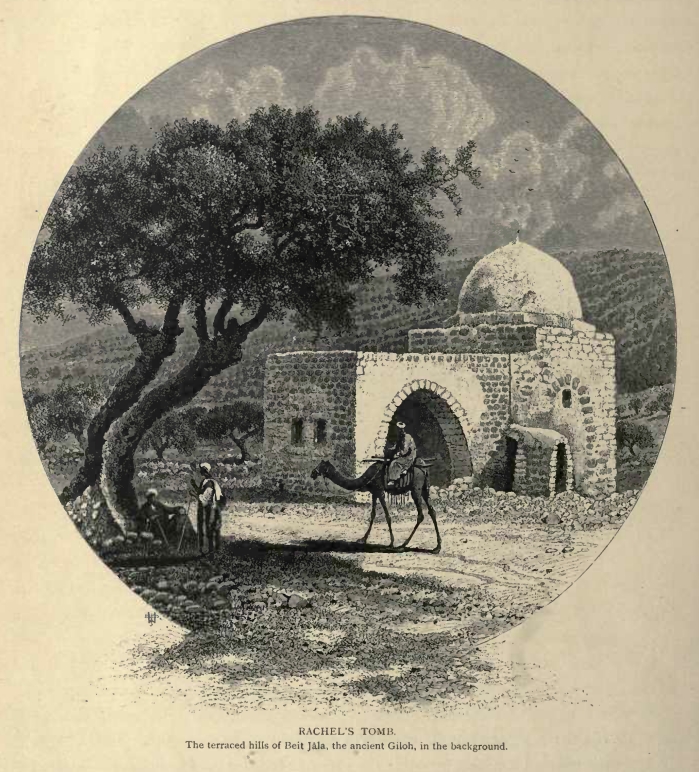 🇵🇸 Palestine and 1 moreRachel's TombQever Raḥel / Qabr Rāḥīl
A shared holy site in Bethlehem revered by Jews, Christians, and Muslims.Tradition · Speaking with spirits and the dead · Protection Living
🇮🇷 Iran and 4 moreAstrology in the medieval Islamic worldعلم النجوم (Ilm an-Nujūm)
The study of celestial influences on earthly affairs within the medieval Islamic traditionTradition · Seeing and foretelling · Power and authority Historical
 🇮🇳 India and 5 moreAsian witchcraft
A broad overview of magical practices and persecution across Asian culturesTradition · Cursing and harm · Protection Living
 🇹🇳 TunisiaStambeli
A Tunisian music and possession rite practiced by Black communities of slave descentTradition · Healing · Protection Living
 🇹🇹 Trinidad and Tobago and 4 moreTrinidad Orisha
A syncretic Afro-Caribbean faith blending Yoruba spirit work with Christian and other traditions in Trinidad.Tradition · Speaking with spirits and the dead · Healing Living
🇮🇳 India and 5 moreWestern Sufism
Adaptations of Islamic mysticism in Europe and North AmericaTradition · Speaking with spirits and the dead · Power and authority Living
 🇲🇦 Morocco and 1 moreTweezaتويزة
A North African Sufi tradition of communal labor and mutual aidTradition · Protection · Speaking with spirits and the dead Living
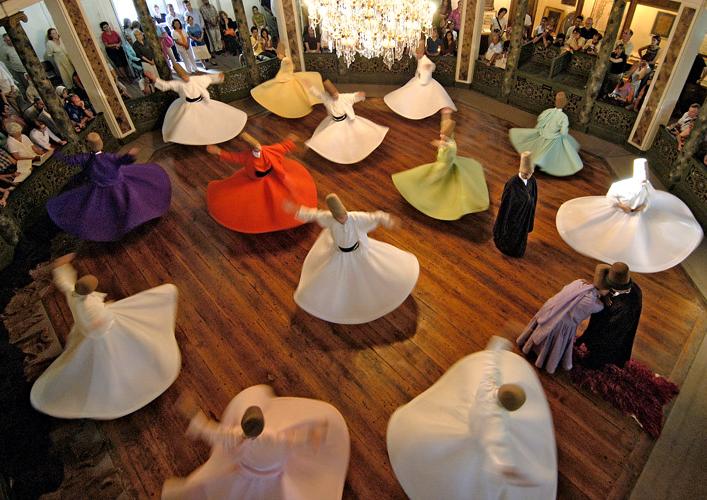 🇹🇷 Turkey and 3 moreSufi whirlingSemazen
A spinning meditation practiced by Sufi dervishes to reach spiritual connection with Allah.Tradition · Speaking with spirits and the dead · Love and attraction Living
🇬🇧 United KingdomUwaisiأُوَيْس
A Sufi method of spiritual transmission between master and disciple without physical contact.Tradition · Speaking with spirits and the dead · Power and authority Living
 🇩🇿 Algeria and 5 moreZawiyaزاوية
A Sufi building and institution for worship, education, and community life in the Islamic world.Tradition · Speaking with spirits and the dead · Healing Living
 🇩🇿 AlgeriaMawsimموسم
Annual Maghrebi festival blending Sufi veneration with social and economic gatheringTradition · Speaking with spirits and the dead · Luck and prosperity Living
🇹🇷 Turkey and 4 moreSufi whirlingSemazen
A spinning meditation practiced by Sufi dervishes to reach spiritual connection through music and movement.Rite · Speaking with spirits and the dead · Change and initiation Living
 🇮🇳 IndiaFakirفقير
An Islamic ascetic who seeks spiritual neediness and devotion to God.Tradition · Power and authority · Speaking with spirits and the dead Living
 🇦🇫 AfghanistanZuhdزهد
An Islamic ideal of detachment from worldly desires and material wealthBelief · Power and authority · Cleansing and purification Historical
 🇩🇿 AlgeriaHezzabحزّاب
A Quran reciter who leads daily collective chanting in Algerian mosques.Tradition · Speaking with spirits and the dead Living
 🇮🇳 India and 1 moreRoshni Mela
A three-day fair of earthen lamps and prayers held at a Sufi shrine in Punjab.Tradition · Protection · Luck and prosperity Living
🇮🇳 India and 1 moreQayyumقیوم
A supreme spiritual rank in the Naqshbandi Sufi orderTradition · Power and authority Historical
 🇹🇷 TurkeyKhirqaخرقه
An initiatory cloak in Sufism that passes spiritual lineage and blessings from teacher to student.Tradition · Speaking with spirits and the dead · Power and authority Living
🇪🇬 Egypt and 5 moreTariqaطريقة
A Sufi spiritual path and the community that follows itTradition · Speaking with spirits and the dead · Change and initiation Living
 🇮🇳 India and 1 moreFolk practices in Punjab
Indigenous beliefs and rituals of the Punjabi people across India and PakistanTradition · Protection · Healing Living
 🇮🇷 Iran and 2 moreSuperstitions in Muslim societies
Beliefs in supernatural forces and charms found across the Islamic worldTradition · Protection · Healing Living
🇧🇩 Bangladesh and 1 moreFolk deities of Sylhet
Seven local gods and goddesses of the Sylhet region, each with its own careBeing · Protection · Love and attraction Living
 🇪🇬 Egypt and 4 moreAlchemy in the medieval Islamic world
The study of matter and spirit by scholars in the early Islamic CaliphateTradition · Change and initiation · Power and authority Historical
 🇪🇬 Egypt and 5 moreMawlidمولد
An annual festival commemorating the birth of the Prophet MuhammadTradition · Power and authority Living
 🇪🇬 EgyptIslam and astrology
The historical study of stars in the Islamic world and the religious debate over its permissibility.Tradition · Seeing and foretelling · Protection Historical
🇮🇳 IndiaTawajjuh
A Sufi practice of transmitting spiritual energy from a master to a studentTradition · Speaking with spirits and the dead · Power and authority Living
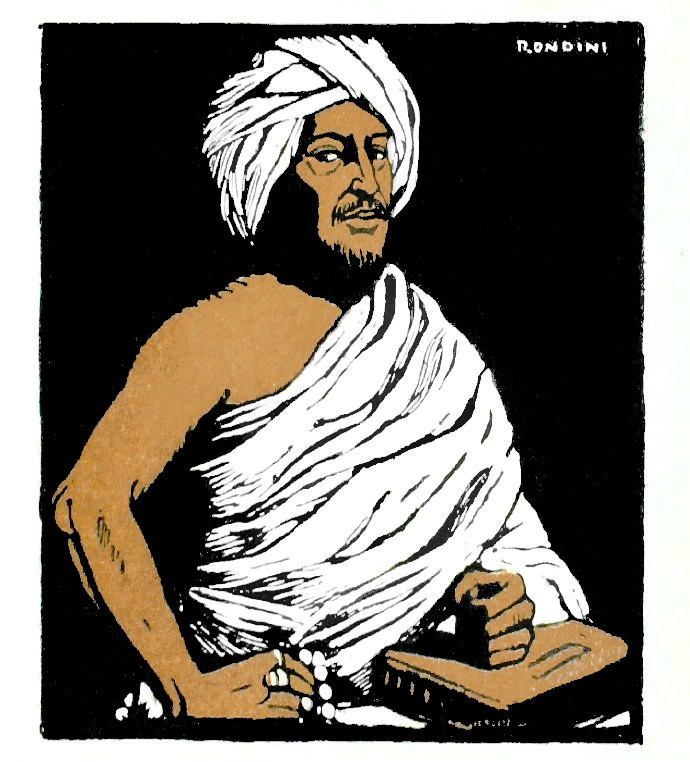 🇸🇴 Somalia and 2 moreSalihiyyaالصالحية
A Somali Sufi order founded by Sayyid Muhammad Salih, known for its strict stance against saint intercession and anti-coTradition · Power and authority Historical
🇬🇾 Guyana and 3 moreComfa
A Guyanese folk religion blending African, Christian, and Asian traditions through spirit possession.Tradition · Speaking with spirits and the dead · Cursing and harm Living
Photo credits on this page
The small pictures above come from Wikimedia Commons under free licences. Some are cropped to fit.
- Mawlid: Firdaus Latif, CC BY-SA 2.0, source
- Sacred dance: Jorge Barrios, CC BY-SA 3.0, source
- Sufi whirling: myself, Public domain, source
- Witchcraft in the Philippines: The original uploader was Rodsan18 at English Wikipedia . ( Original t, CC BY 2.5, source
- Zawiya: Schneders, CC BY-SA 4.0, source
- Pilgrimage: Ali Mansuri, CC BY-SA 2.5, source
- Egungun: Ìṣẹ̀ṣeAssembly, CC BY-SA 4.0, source
- Bori: Tremearne, A. J. N. (Arthur John Newman), 1877-1915, Public domain, source
- Mawsim: Beghdadi Walid, CC BY-SA 4.0, source
- Ibn Arabi: Omar.Hafez, CC0, source
- Asian witchcraft: Utagawa Kuniyoshi, Public domain, source
- Rachel's Tomb: Lane-Poole, Stanley, Public domain, source
- Ahmad al-Buni: Khalili Collections, CC BY-SA 3.0 igo, source
- Kejawèn: Greenland4, Public domain, source
- Fakir: Herbert Ponting, Public domain, source
- Zār: Emad Nemati, CC BY-SA 4.0, source
- Marabout: Jan Broekhuijse, CC BY-SA 3.0, source
- Zuhd: عامر شاہین, CC BY-SA 3.0, source
- Rainmaking: George Catlin, Public domain, source
- Prayer beads: ja:利用者:pack372sd, CC BY-SA 3.0, source
- Face tattoo: Gottfried Lindauer, Public domain, source
- Hezzab: Elph, Public domain, source
- Roshni Mela: FatherofGod, CC BY-SA 4.0, source
- Stambeli: Youssefbensaad, CC BY-SA 4.0, source
- Khirqa: Unknown author, CC0, source
- Folk practices in Punjab: Veer jindal, CC BY-SA 3.0, source
- Gnawa music: Lucyin, CC BY-SA 4.0, source
- Superstitions in Muslim societies: Unknown author, CC0, source
- Alchemy in the medieval Islamic world: An Islamic artist 739H/1339, probably in Baghdad, Public domain, source
- Islam and astrology: Ahmad Ibn Musa Ibn Shakir, Public domain, source
- Salihiyya: Douglas James Jardine (1888-1946), Public domain, source
- Tweeza: Demeester, CC BY-SA 3.0, source