
Hezzab
In its own language: حزّاب
A Quran reciter who leads daily collective chanting in Algerian mosques.
The hezzab is a Quranic reciter in Algeria who leads the Hizb Rateb, a daily ritual of collective chanting. Practitioners must memorize the entire Quran and possess a strong voice to guide groups of worshipers in mosques and zawiyas under state supervision.
- Hezzabs must memorize the entire Quran.
- They lead the daily Hizb Rateb recitation.
- The role is supervised by the Algerian state.
- They use the Warsh narration style.
- Positions are salaried in Algerian mosques.
What it is
The hezzab is a specialized role within Algerian Islamic practice, specifically tied to Sufi traditions. This individual serves as a hafiz, meaning they have memorized the entire Quran. Their primary duty is leading the Hizb Rateb, a structured session of collective recitation. These sessions take place in mosques and zawiyas, which are Sufi lodges or centers. The hezzab directs the participants, known as nas al-hudur, ensuring the rhythm and tone of the chanting remain consistent. This role is recognized by the Algerian government and operates under the Ministry of Religious Affairs and Endowments.
Where it comes from
The position of hezzab is deeply rooted in the religious infrastructure of Algeria. It emerged from the need for skilled reciters to lead daily devotional practices in local communities. Historically, these roles were integrated into the hierarchy of mosques and zawiyas. For instance, the Mosque of Sidi Abderrahmane Et-Thaalibi lists hezzabs alongside imams and wakils. The system evolved to include salaried positions, reflecting the institutionalization of this spiritual service within the state framework.
How it is done
The hezzab leads the Hizb Rateb through vocal direction. They stand at specific stations that allow them to oversee the circle of readers. A key requirement is that the hezzab must not read from a physical copy of the Quran, called a Mus'haf, during the session. Instead, they rely on their complete memorization to guide the group. The recitation follows the Warsh narration style. The hezzab uses their voice to dominate the acoustic space, attracting dozens or hundreds of worshipers who join the daily gathering.
Tools and materials
The primary tool is the human voice, requiring a strong vocal layer to project over the group. The hezzab relies on the Quran Idjaza, a certificate of merit issued by accredited bodies like zawiya or Islamic institutes. While the Mus'haf exists, it is not used by the hezzab during the performance. The setting itself, often a circular arrangement in a mosque or zawiyas, facilitates the communal aspect of the recitation.
Hezzab, drawn and placed
- Living
- Revived
- Fading
- Historical
- Legendary
- Performed
- Lineage
- Sufi tradition within Islam
- Timing
- daily
What it is for
The main purpose is to facilitate daily communal worship and spiritual connection through the Hizb Rateb. The hezzab provides structure and continuity for the worshippers. By leading the recitation, they help maintain the spiritual atmosphere of the mosque. The role also serves to preserve the Warsh recitation tradition. Participants seek the spiritual benefit of joining a large group in synchronized chanting, guided by a qualified hafiz.
Who does it
A hezzab must be a hafiz, having memorized the entire Quran. They typically hold an Idjaza from a recognized Islamic institution. The role requires a powerful voice capable of leading large groups. Career progression can move from hezzab to Bash Hezzab in larger mosques, and potentially to muezzin or imam. Recruitment is done by mosques, which employ hezzabs as salaried staff. The position demands discipline and skill in vocal performance.
Peoples and places
This practice is specific to Algeria. It is part of the broader Islamic and Sufi cultural landscape there. The Algerian Islamic reference defines the standards for this role. Mosques across the country employ hezzabs for daily services. The tradition is supported by the state, with the Ministry of Religious Affairs overseeing the appointments and duties. It reflects a unique blend of religious devotion and administrative structure in North Africa.
At a glance: who, where and when

What people believe
The practice is grounded in Islamic theology and Sufi spirituality. The belief is that collective recitation holds spiritual value. The hezzab's role is seen as essential for maintaining the quality and authenticity of the worship. The requirement to memorize the Quran underscores the importance of preserving the text orally. The Warsh narration is valued for its specific melodic and rhythmic qualities. The presence of a hezzab is believed to enhance the sanctity of the mosque environment.
When it is done
The Hizb Rateb is performed daily. This regular schedule ensures continuous spiritual engagement for the community. The recitations are not tied to specific festivals but are part of the everyday religious life. The consistency of the practice reinforces the habit of devotion among the worshippers. It serves as a daily anchor for those who attend the mosque.
How scholars and sceptics see it
Scholars of Islamic studies view the hezzab as a key figure in the preservation of Quranic recitation traditions. Anthropologists note the role's integration into the state religious apparatus in Algeria. The position highlights the intersection of faith and governance. Researchers may examine how the salaried nature of the role affects the spiritual dynamics of the mosque. The emphasis on vocal skill suggests a performance aspect to the ritual.
Cautions and what is closed
There are no widely reported cautions or harms associated with the hezzab role. The position is regulated by the state, ensuring standardized training and conduct. The requirement for an Idjaza helps prevent unqualified individuals from leading sessions. The focus is on maintaining religious orthodoxy and social order.
Compare and confuse
The hezzab is similar to other Quranic reciters found in the Muslim world, such as qaris in the Middle East or South Asia. However, the specific title and institutional role are distinct to Algeria. Unlike casual reciters, the hezzab holds a formal position within the mosque hierarchy. The comparison extends to Sufi leaders in other regions, but the hezzab's focus is on the daily Hizb Rateb rather than broader spiritual guidance.
Law and persecution
The role of hezzab is legally recognized in Algeria. The Ministry of Religious Affairs and Endowments supervises the appointments. Mosques recruit hezzabs as employees, indicating a formal employment relationship. This legal framework ensures that practitioners meet the required standards of memorization and certification. It reflects the state's involvement in managing religious services.
Questions people ask about Hezzab
What is a hezzab?
A hezzab is a Quranic reciter in Algeria who leads the Hizb Rateb, a daily collective chanting session in mosques and zawiyas. They must memorize the entire Quran and guide worshippers in the Warsh recitation style.
Where does this practice come from?
The practice originates in Algeria, within the context of Islamic and Sufi traditions. It is institutionalized by the Algerian government, with mosques employing hezzabs to lead daily devotional services under state supervision.
What qualifications are needed to be a hezzab?
A hezzab must be a hafiz, having memorized the whole Quran. They typically hold an Idjaza certificate from an accredited Islamic institute. A strong voice is required to lead large groups of worshippers effectively.
How does one become a hezzab?
Mosques recruit hezzabs as salaried employees. Candidates must demonstrate their memorization skills and vocal ability. Promotion to senior roles like Bash Hezzab depends on skill and performance within the mosque hierarchy.
Good reading and sources
- Hezzab on WikipediaEncyclopedia
- More photos on Wikimedia CommonsPhotos and video
- Wikidata recordOpen data
The facts on this page come from the Wikipedia article "Hezzab", written by its contributors and used under the CC BY-SA 4.0 licence, and from its Wikidata record (CC0). EveryJaadu rewrote the text in its own words, with AI assistance, and compares every page with the article to make sure no passage is copied. It may be reused under the same CC BY-SA 4.0 licence with a link back.
It may contain mistakes. Names and customs differ from one community to the next, and some knowledge is closed to outsiders and left out here. This page describes belief and practice. It does not say that any of it works, it is not a how-to, and it is not medical advice. If something is wrong, tell us. Last refreshed 2026-10-07.
More from Algeria
All the entries from Algeria 🇩🇿 Algeria and 1 moreAhmad al-Buniأحمد البوني المالكي
A medieval Sufi scholar known for works on letter mysticism and talismansText · Power and authority · Seeing and foretelling Historical
🇩🇿 Algeria and 1 moreAhmad al-Buniأحمد البوني المالكي
A medieval Sufi scholar known for works on letter mysticism and talismansText · Power and authority · Seeing and foretelling Historical
 🇱🇾 Libya and 4 moreTraditional Berber religionAmazigh religion
Ancient beliefs of Northwest Africa centered on celestial bodies, caves, and ancestors.Tradition · Speaking with spirits and the dead · Luck and prosperity Historical
🇱🇾 Libya and 4 moreTraditional Berber religionAmazigh religion
Ancient beliefs of Northwest Africa centered on celestial bodies, caves, and ancestors.Tradition · Speaking with spirits and the dead · Luck and prosperity Historical
 🇩🇿 AlgeriaMawsimموسم
Annual Maghrebi festival blending Sufi veneration with social and economic gatheringTradition · Speaking with spirits and the dead · Luck and prosperity Living
🇩🇿 AlgeriaMawsimموسم
Annual Maghrebi festival blending Sufi veneration with social and economic gatheringTradition · Speaking with spirits and the dead · Luck and prosperity Living
 🇪🇬 Egypt and 5 moreHamsaخمسة
A palm-shaped amulet used across North Africa and the Middle East to ward off harm.Charm · Protection · Luck and prosperity Living
🇪🇬 Egypt and 5 moreHamsaخمسة
A palm-shaped amulet used across North Africa and the Middle East to ward off harm.Charm · Protection · Luck and prosperity Living
Related elsewhere
All tradition 🇮🇳 IndiaChakraचक्र
Meditation points in the subtle body used in Hindu and Buddhist yogaTradition · Speaking with spirits and the dead · Change and initiation Living
🇮🇳 IndiaChakraचक्र
Meditation points in the subtle body used in Hindu and Buddhist yogaTradition · Speaking with spirits and the dead · Change and initiation Living
 🇪🇸 Spain and 5 moreSt John's Eve
A Christian vigil marked by bonfires and plant gathering on the summer solstice eveRite · Protection · Speaking with spirits and the dead Living
🇪🇸 Spain and 5 moreSt John's Eve
A Christian vigil marked by bonfires and plant gathering on the summer solstice eveRite · Protection · Speaking with spirits and the dead Living
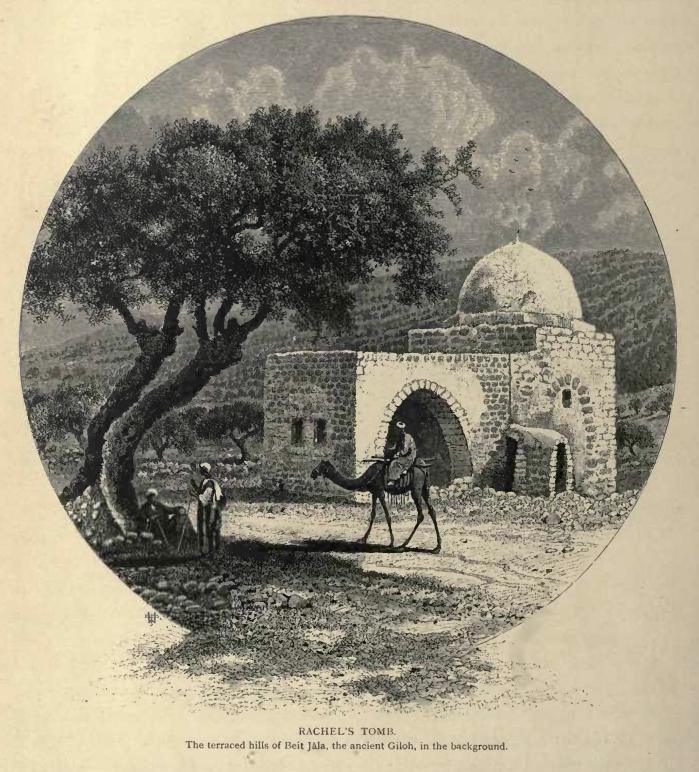 🇵🇸 Palestine and 1 moreRachel's TombQever Raḥel; Qabr Rāḥīl
A shared holy site near Bethlehem revered by Jews, Christians, and MuslimsTradition · Speaking with spirits and the dead · Protection Living
🇵🇸 Palestine and 1 moreRachel's TombQever Raḥel; Qabr Rāḥīl
A shared holy site near Bethlehem revered by Jews, Christians, and MuslimsTradition · Speaking with spirits and the dead · Protection Living
 🇳🇬 NigeriaOrunmilaỌ̀rúnmìlà
Yoruba deity of wisdom and the creator of the Ifá divination systemBeing · Seeing and foretelling · Speaking with spirits and the dead Living
🇳🇬 NigeriaOrunmilaỌ̀rúnmìlà
Yoruba deity of wisdom and the creator of the Ifá divination systemBeing · Seeing and foretelling · Speaking with spirits and the dead Living