Muslim and Sufi: magic in this belief world
Ruqyah, the talisman, the djinn, and the debate over what Islam permits.
In Islam, the Quran is held to be a source of protection and healing, and the faith has a long, debated relationship with talismans, amulets, the djinn and divination. The practice of ruqyah, Quranic recitation for protection or relief, is widely accepted when it uses the Quran and prayer alone. This page covers the range of practice, from Sufi shrines to Salafi critics, and the legal and social stakes. Practice varies from country to country, and between Sunni, Shia and Sufi communities.
What is accepted
Muslim scholars generally accept supplication and recitation of the Quran and the prophetic prayers for protection. The existence of the djinn, beings of smokeless fire, is stated in the Quran, and the evil eye is mentioned in hadith. Protection from the eye and from harm by recitation is common, and recitation for sickness is a regular practice of both laity and imams. The Quran's last two chapters, the Mu'awwidhatayn, are widely recited for protection, and many Muslims keep a Quranic verse in the home or the car.
What is disputed
Writing verses on amulets, using names and letter squares as in the sciences of huruf and awfaq, consulting astrologers, and visiting shrines for intercession divide scholars. Salafi and reformist movements condemn such practices as shirk, associating others with God. Sufi traditions and many popular practices defend them. The Maghreb has a long tradition of written talismans, and West African marabouts supply them. The djinn are discussed by scholars such as Ibn Taymiyya, and by popular preachers, and many Muslims believe that possession by a djinn can occur and that recitation is the proper response.
Law and punishment
Treatment of sorcery varies. In Saudi Arabia, people have been executed for sorcery or witchcraft, and the law there treats it as a serious crime. Elsewhere, courts prosecute fraudulent healers, and in Indonesia and Malaysia the bomoh and dukun are both consulted and criticised. Women are often healers, clients and accused, though men hold most formal religious authority. Many Muslims, especially in South Asia, West Africa, Indonesia and Turkey, visit tombs of saints to ask for help, while others, including Salafis and many modernists, regard this as wrong.
Diaspora and the market
Muslim communities in Europe and North America run ruqyah services, and websites sell talismans. Some exploit the fear of djinn or the evil eye, charging high sums, and abuse in the name of exorcism has been reported in several countries. Scholars note that practice differs sharply by region, class and school of thought. Some Muslims also see the line between permitted and forbidden as clear in principle but hard to keep in daily practice, and think that what matters is that practice does not replace worship of God alone.
Muslim and Sufi on EveryJaadu
The entries written up so far, best known first.
 🇪🇬 Egypt and 5 moreAmulet
A portable object worn or carried to ward off harm and invite fortuneCharm · Protection · Luck and prosperity Living
 🇪🇬 Egypt and 5 moreTalisman
An object believed to channel specific forces for protection, healing, or influence.Charm · Protection · Healing Historical
 🇳🇿 New Zealand and 5 moreFace tattoo
Marks inked on the face for spiritual protection, identity, rank, and rite of passageTradition · Protection · Power and authority Living
 🇧🇪 Belgium and 5 moreRelic
An object or body part kept to honor a holy person and mark their connection to the divineCharm · Protection · Healing Living
 🇪🇬 Egypt and 5 moreHamsaخمسة
A palm-shaped amulet used across North Africa and the Middle East for protection.Charm · Protection · Luck and prosperity Living
🇹🇷 TurkeyHamsa (sample)Khamsa
An open hand with an eye, hung on doors.Charm · Protection · Luck and prosperity Living
🇬🇧 United KingdomEvil eye bead (sample)Nazar boncuğu
A blue glass bead hung to turn aside envy.Charm · Protection Living
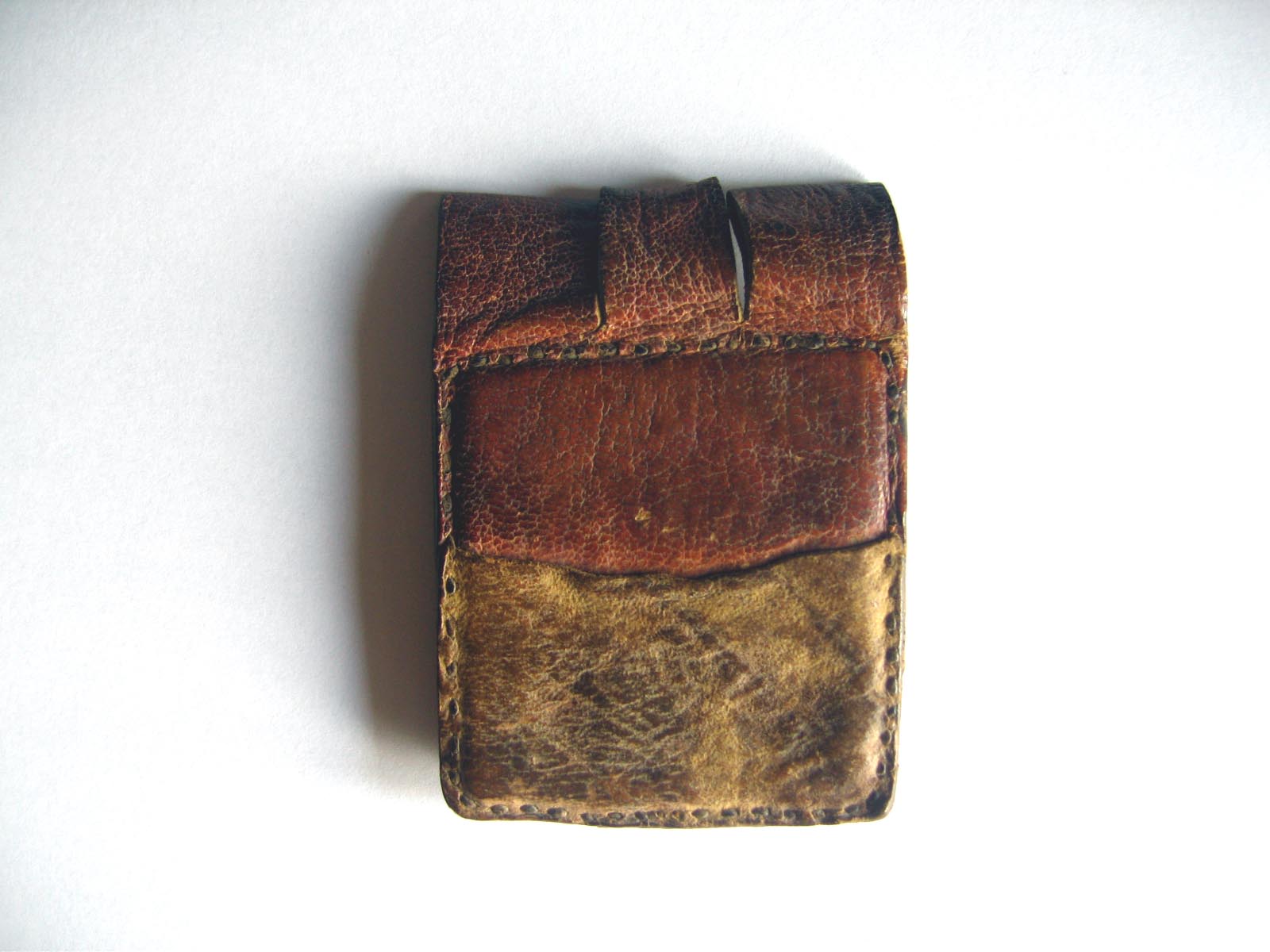 🇲🇱 Mali and 3 moreGris-gris
A small pouch or charm from West Africa used for protection and luck.Charm · Protection · Luck and prosperity Living
 🇹🇷 Turkey and 1 moreTalismanic shirttılsımlı gömlek
A worn textile inscribed with sacred verses and symbols for protection in the Muslim worldCharm · Protection Historical
🇪🇬 Egypt and 5 moreAmulet
A portable object worn or carried to ward off harm and invite protection.Charm · Protection · Healing Living
 🇮🇩 IndonesiaPancar Merah
An engraved Islamic talisman from South Borneo used for protection and charismaCharm · Protection · Power and authority Historical
 🇹🇷 Turkey and 1 moreSeal of Muhammadختم الرسول (Khatm ar-Rasul)
Relics and designs attributed to the Prophet's signet ring and correspondence marks.Charm · Power and authority · Protection Historical
 🇹🇷 Turkey and 5 moreRelics of Muhammad
Objects linked to Muhammad, kept and venerated for blessingCharm · Luck and prosperity · Power and authority Living
 🇩🇪 Germany and 5 moreYellow badgeJudenstern
A marked garment worn by Jews under laws of distinction and humiliation across centuries.Charm · Cursing and harm Historical
 🇮🇱 Israel and 2 moreStaff of Mosesmaṭṭeh
A walking stick with miraculous powers in Jewish and Islamic traditionCharm · Power and authority · Healing Historical
Photo credits on this page
The small pictures above come from Wikimedia Commons under free licences. Some are cropped to fit.
- Talismanic shirt: Ibrahim Husain Meraj, CC BY-SA 4.0, source
- Relics of Muhammad: Georges Jansoone ( JoJan, CC BY 3.0, source
- Gris-gris: Teogomez, CC BY-SA 3.0, source
- Pancar Merah: Stameni011, CC BY-SA 4.0, source
- Staff of Moses: John Everett Millais, Public domain, source
- Face tattoo: Gottfried Lindauer, Public domain, source
- Relic: MathieuGuy, CC BY-SA 3.0, source
- Yellow badge: Edited version of original photo by Rama, CC BY-SA 3.0, source
- Amulet: Anonymous ( Egypt ) Unknown author, Public domain, source
- Seal of Muhammad: unknown (drawing is signed in lower left corner), Public domain, source
- Hamsa: Kritzolina, CC BY-SA 4.0, source
- Talisman: Sasha India, CC BY 2.0, source